
 EN
EN



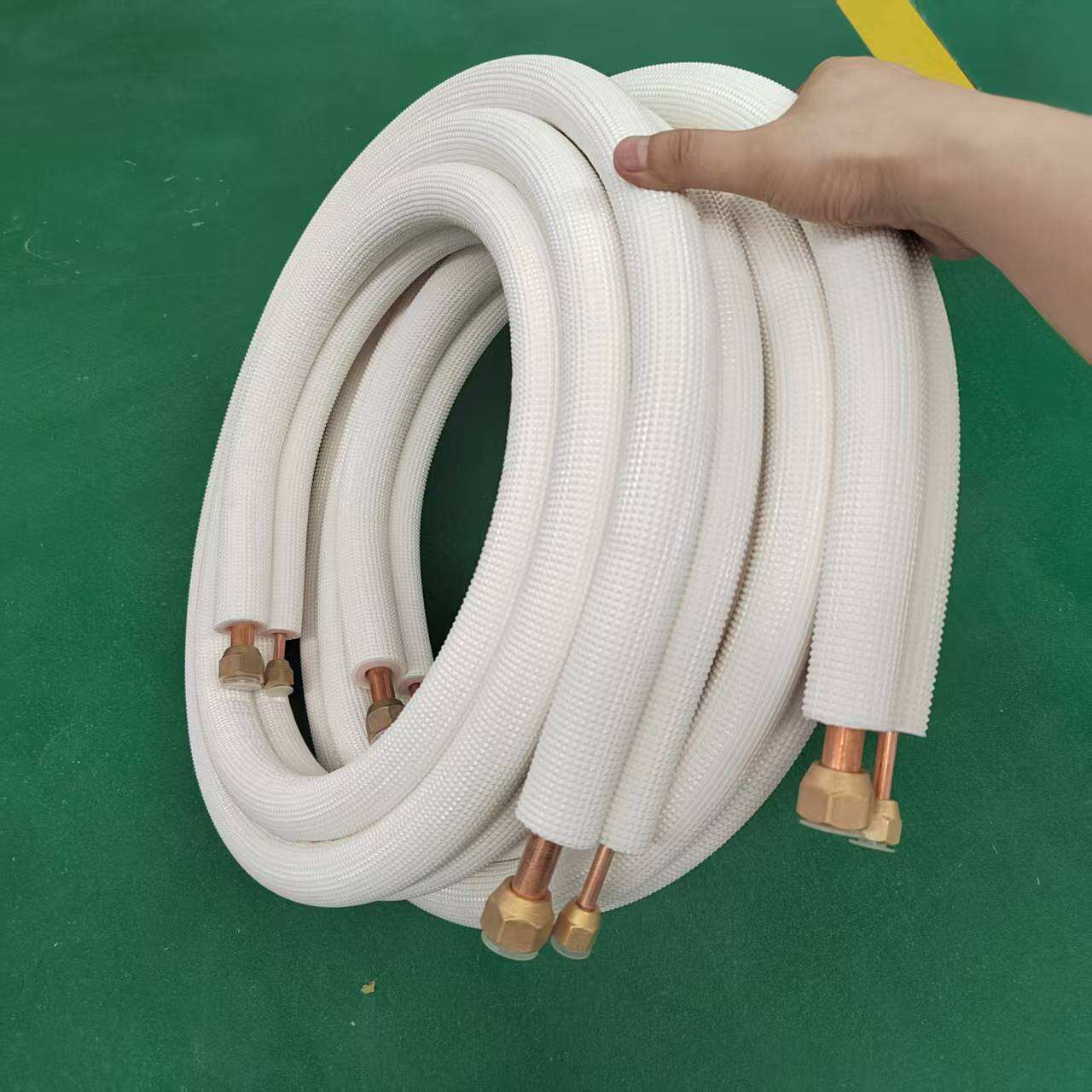
የኩፐር መስመር ስብስቦች የኤች.ቪ.ኤይ.ሲ (HVAC) ሲስተሞችን በከፍተኛ ፍላጎት እና ጥራት ያለው ተረጋግጦ በሚያገለግል ሁኔታ የማሰሮ ነገር በአደባባይ እና በዙሪያ መካከል ይዛል። ሆኖም ግን፣ እነዚህ ዋና የሆኑ አካላት ከአካባቢ ጋር የተያያዙ ጉዳቶች፣ ንዋይ ጉድለት እና የሚበላሽ ዓይነቶች ከሚፈጥሩ ዘረጋዎች ጋር በቀጥታ የሚጋጭ ሲሆን ይህም አፈፃፀሙን እና ረጅሙን ጊዜ የሚቆይበትን ጊዜ ሊበላሽ ይችላል። የማሽን ህይወት ዘaman የሚቆይበት ሁሉን ጊዜ የሚፈለገውን አፈፃፀም ለማስተናገድ፣ የበድ ጣገኞችን ማስወገድ እና የስርዓቱ ፍላጎት ለማስተካከል የኩፐር መስመር ስብስብ መከላከያ ስትራቴጂዎች አስፈላጊ ናቸው። እነዚህን ዋና አካላት ለመጠበቅ የሚያስፈልገውን የአጠቃላይ አቀራረብ ለመረዳት የመጫን ዘዴዎችን፣ የአካባቢ ሁኔታዎችን እና ረጅሙን ጊዜ የሚፈለገውን ግንኙነት ማስተዋል አስፈላጊ ነው።
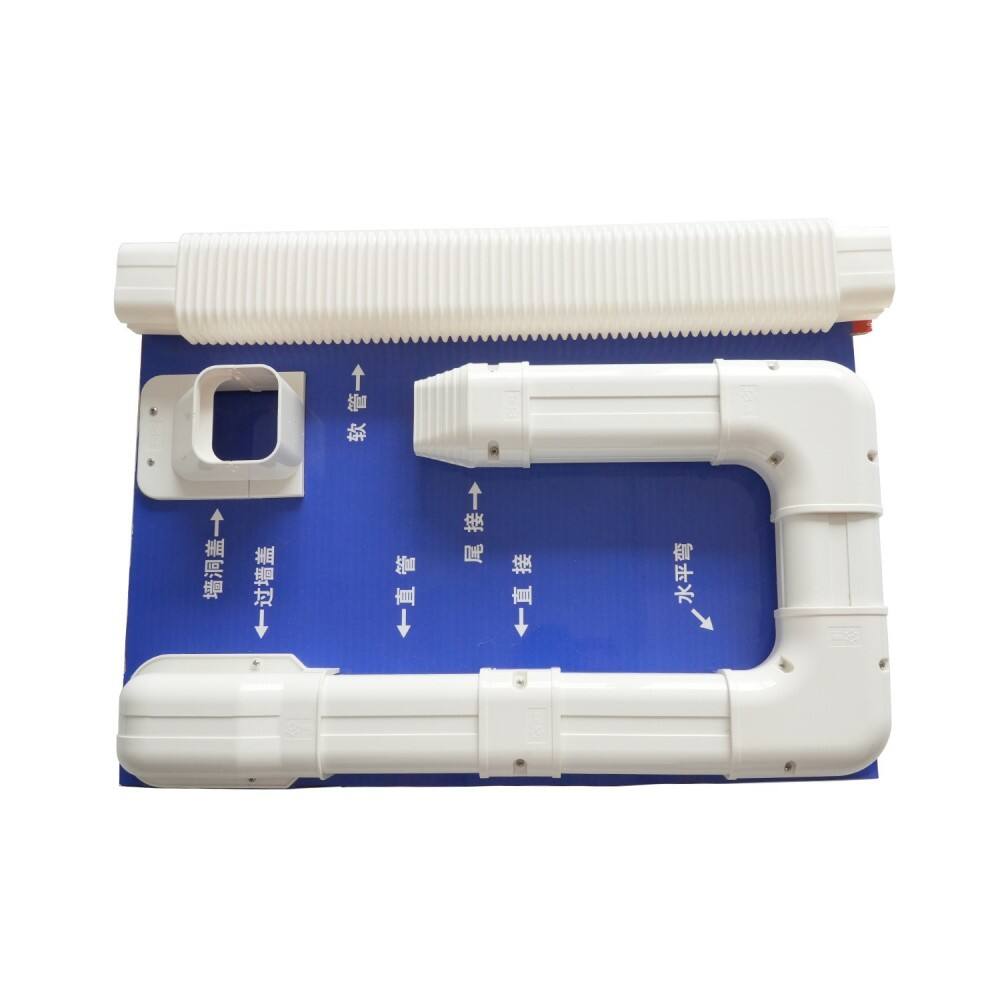
የኩፐር መስመር ስብስብ ጉድለቶችን መረዳት
የአካባቢ የሚበላሽ ምክንያቶች
የኩፐር መስመር ስብስቦች ከጊዜ ወደ ጊዜ ግንባታውን ለማፍረዝ የሚያስችሉ የአካባቢ ችግሮች ብዙ ይገነጻሉ። የእሳት ግለሰብ የሙቀት መጠን ከተለየ የጋልቫኒክ ቅይጥ ሂደት ምክንያት ሆኖ የእንስሳ ግንባታ ከሌሎች የሚለዩ የመታወቂያ ግንባታዎች ጋር ሲገጣ የበለጠ አደገኛ ይሆናል። በከፋ አካባቢዎች ውስጥ ያለው የጨፈር አየር የኩፐር ገጽ ላይ የሚጎዱ የክሎራይድ አዮን ስላለ ተጨማሪ አደጋ ይፈጥራል እና የሪፍሪጀራንት ፍሰት ሊፈጥር የሚችል የኩፐር ገጽ ላይ ያለውን ግድግዳ ያጎላል። የኢንዱስትሪ ንብረቶች፣ የአሲድ ዝናብ እና የከተማ አየር ውስጥ ያሉ ንብረቶች የቅይጥ ሂደቱን ማፍረዝ የሚያስችሉ የአሲድ ሁኔታዎችን በመፍጠር እነዚህን ፍልስፍሎች ይጨምራሉ።
የሙቀት ለውጦች የተርሞዳይናሚክስ መስፋፋትና መጠንቀቅ ዑደቶች ግንድና ግንኙነቶችን ሲጎዱ የኮፐር መስመር ማሰራጨት የሚያስፈልገውን የማስላቂያ ጥረት ያሳድጋሉ። ከቀጥታ የፀሐይ ብርሃን የሚመጣው የ ዩ.ቪ. ፍሳሽ የማስላቂያ መብረቆችንና የማስረከቢያ ግለሣዶችን ያፍራል፣ ይህም የኮፐር መስመር ከአካባቢው ጋር በቀጥታ ሆኖ ይገኛል። የተዘርገ ወይም ወደ መሬት የተጣረ መጫኛ አካባቢ ላይ ያሉ የመሬት ሁኔታዎች አዕምሮአዊ ለውጦችን ያስገኛሉ፣ የሚከተሉት የመሬት ፒኤች ደረጃ፣ የማዕድን ይዘት እና የውሃ መያዣ የማበልጸጥ መጠን በከፍተኛ ሁኔታ ይገnüባሉ።
የፊዚካል ጉድለት አደጋዎች
የአካባቢ ሁኔታዎችን በተጠቀሰ, ኮፐር የመስመር ስብስቦች በማስተካከል ወይም በማስተካከል በኋላ ያለው ጊዜ ፍዚክ ጉዳት ለማድረግ ትልቅ አደጋ ውስጥ ይገኛሉ። የግንባታ ሥራዎች፣ የመሬት መዋቅር ስራዎች እና የተለመደ ጠብቃብ ሥራዎች በስህተት የሚነሱ ተጽዕኖዎች፣ ግሽበት ወይም መዘርጋት ጉዳት ሊያስከትሉ ይ mogą። የመስመር ስብስቦች የሚጠቀሙባቸው ቦታዎች በቅርብ ላይ የሚደርሱ ሰዎች፣ የציוד ማስቀመጫ እና የመኪና ነገዶች በየጊዜው የሚፈጠሩ አደጋዎች የהגנה እርምጃዎችን ያስፈልጋሉ። በማስተካከል ወቅት ያለ ያሳሳቢ ማስተካከያ ማጣხሎች፣ ማጥመቻዎች ወይም ጭንቀቶች ሊፈጥሩ ይችላል ይህም በረጅም ጊዜ ውስጥ የውድቅ ነጥቦች ይሆናሉ።
የውሃ እና የጎረቤት አካላት ግብአት ሌላ አንድ የግ corp ተነሳሽ አደጋዎች ክልል ነው፣ በተለይም የእርሻ አካላት የማይታመን የኢንሶሌሽን እና እስከ የጥንካሬ ያቀናባሉ የኩፐር ቱቦዎችን ማብሰል ይችላሉ። የצמח አፈር መጨመር ላይ የሚገኘው የመካኒካል ግፊት ለሊን ስეቶች ሊያስከትል ይችላል፣ ሲ meanwhile የስርዓቱ ስርዓት በፍጥነት የሚፈራረስ ወይም የሚጠፋ ጥበቃ ሊያስከትል ይችላል። ይህ የተለያዩ የአደጋ ዘዴዎች የሙሉ የኩፐር ሊን ስეት ጥበቃ ስትራቴጂዎችን ያስፈልጋል ይህም ሁለቱንም የቀጣይ ስትራቴጂዎችን እና የረጅም ጊዜ የሥራ አስተዳደር አስተዋጽኦዎችን ያካትታል።
የፊት ስርዓታዊ የመከላከያ ስልቶች
የመለክ ምርጫ እና የጥራት ቁጥጥር
የብረት መቆሚያ የመስመር ስብስብ ጥበቃ የመጀመሪያ ነገር የተጠበቀ የምድቦች ምርጫ እና የጥራት ቁጥጥር እርምጃዎች ነው ከማካተቱ በፊት። ለተወሰነ የአካባቢ ሁኔታ ተስማሚ የብረት አይረን እና የፀደይ ምዝግብ ማመንጨት የፍሳሽ ግንኙነት እና የሶስተኛ ጭንቀት ከቋሚ ተከላካይነት ያስቀምጣል። የ Jen M በሚለው የብረት መቆሚያ ውስጥ የበለጠ የፀደይ ምዝግብ ይፈጥራል፣ ይህም የውጫዊ ጉዳት ከቋሚ ተከላካይነት እና በተገለገለ ዘመን ውስጥ የበለጠ የአገልግሎት ዕድል ያስቀምጣል። ከ fabrika በማተም የተገነባ የመከላከያ መዋቅር ጋር የተገነባ የተገነባ የመስመር ስብስብ መርጠት የማካተት ሆነ ስህተቶች ይከላከላል እና የተስተካከለ የጥበቃ ጥራት ያረጋግጣል።
የጥራት ቁጥጥር ሂደቶች ላይ ሁሉም ጥገናዎች ሲደርሱ በመጭው ወቅት ስለሚታዩ ማፈን አቃጆች፣ በማስተላለፊያ ወቅት ስለሚከሰቱ ጉድለቶች ወይም ከእንጀራ ጋር ስለሚገኙ ምልክቶች ግልጽ ፍተሻ መካተት ያሳያል። በትክክል የማከማቻ ልማዶች ከእርጥበት፣ ከфиз ጉድለት እና ከእንጀራ በፊት የሚከሰቱ ንብረቶችን ያስቀምጣሉ። ለንብረት ደረጃ የተቆጣጠረ አካባቢ ማፍ ያስቀምጣል እና በሽግግር ወቅት የመዳረሻ መጋረጃ መከላከያ እርምጃዎች ከተጠቀሙ በኋላ ልዩ ገንዘብ አፈፃፀም ያረጋግጣል።
የአካባቢ መዘጋጃ እና ዕቅድ
የተጠበቀ የአካባቢ ማስተካከያ በሲስተሙ የክዋኔ ህይወት ዘመን የመዳረሻ መጋረጃዎችን ማስጠንከር ለሚደረገው አሰጣጥ ወሳኝ መሠረት ያቀርባል። የተጠበቀ የአካባቢ ምርመራ የማስጠንከር ስትራቴጂዎችን የሚነኩ አደጋዎችን፣ የአካባቢ ጫናዎችን እና የግንኙነት የሚያስፈልጉ ነገሮችን ይለያል። የመዳረሻ መጋረጃዎች የሚገቡበት ወይም ከመሬት ጋር ቅርብ የሆነ ክፍል የመሬት ትንተና የpH ደረጃዎችን፣ የማዕድን ይዘት እና የማፈናቀል ባህሪያትን ያሳያል፣ እነዚህ የማጥፋት አዝማሚያን ይነካል እና የእቃ ምርጫ ስራዎችን ያሳስባል።
በሥራ ሂደት ውስጥ የግልፅ መንገዶች እና የማጏላት ዞኖች መፍጠር ከሌሎች ሥራ ዘርፎች እና መሣሪያዎች ጋር የሚከሰተውን ያልተነበበ ጉዳት ያስቀምጣል። ከሌሎች ሥራ አስኪያጆች ጋር የሚደረገው ውሳኔ የኩፐር መስመር ስብስቦች የማጏላት እቅዶች በሥራ ሂደት ውስጥ ሙሉ በሙሉ እንዲቆዩ ያደርጋል። የማጏላት ያስፈልጋቸዋል የሚለውን፣ የርቀት ርቀቶችን እና የመግቢያ ያስፈልጋቸዋል የሚለውን የተወሳሰበ የመጫኛ ዝርዝር እቅድ መፍጠር የረጅም ጊዜ የሶስት ግንኙነት ግንኙነት አስተማማኝነት ሊገድብ የሚችል ገ против ይከላከላል።
የተመለስ አስተካክለბ
የተገቢ ማጥመድና ድጋፍ ዘዴዎች
የተጠቀመው ትክክለኛ የማስገባት ዘዴ በሙሉ የኩፐር መስመር ስብስብ ጥበቃ አ estratégia ውስጥ የመጀመሪያ የመከላከል መስመር ይሰጣል። የሚገባውን የማስነሳት እና የመደራደር መሣሪያ መጠቀም ከሚከሰቱ የቆዳ ማታጠፍ፣ ማጨብጨብ ወይም የጭንቀት በአንድ ቦታ መሰብሰብ የሚከስተውን ረጅም ጊዜ የሚቆይ የፈተና ነጥብ ያከላከላል። የሚከፋፈለው የአነስተኛ የማታጠፍ ክብ መጠን የኩፐር የሥርዓተ-አቀማመጥ የእረፍት እና የፈሳሽ ፍሰት ባህሪዎችን ያስተዳድራል፣ በተጨማሪም የጭንቀት በአንድ ቦታ መሰብሰብን ያቀናባል እና የጭንቀት የተዋሃደ የፈተና አዝማድ ያቀናባል።
መደበኛ ርቀትና መጫን ዘዴዎች ማፈስ ፣ ከሚተነፍሰው ጉድለት እና ከሙቀት ጭንቀት መከላከል ላይ አስፈላጊ ሚና ይጫወታሉ። በአምራቹ የሚመከለው የርቀት ክፍተት ላይ መደቦችን መጫን ጭነቶችን በእኩል ይሰራል ሲሆን ከሚሰሩ ሁኔታዎች ምክንያት የሚፈስ በጣም የሚሆን ነገር ይከላከላል። በኩፐር መስመር ስብስቦች እና የመደብ መዋቅሮች መካከል የማስረከቢያ материалы መጠቀም ግላቫኒክ ክሳር ይከላከላል ሲሆን በተፈጥሯዊ ሁኔታ የሚከሰቱ የሙቀት ልዩነት እና መጠን ለውጦችን ይቋቋማል።
የሙቀት ማስቀመጫ እና የባリア መተግበሪያዎች
ንቅስቃሴ ያለው የሙቀት ማስቀመጫ ጥራት ያለው ጥገና ቁሳቁስ በኩፐር መስመር ስብስቦች መከላከል ላይ ብዙ ሥራዎችን ይከናወናል ፣ የሙቀት ተስፋፊነት ፣ የእርጥበት መከላከል እና የፊዚካል ባሪአ ፍጠር ያካትታል። የተዘጋ ሕዋስ ያለው ፖርዎች ምርጥ የእርጥበት ተቃራኒነት ይሰጣል ሲሆን ረጅሙ ጊዜ የሙቀት አፈጻጸም ይቆያል። ትክክለኛ የመጫን ዘዴዎች የማስቀመጫ ኃይል ሊቀንስ ወይም የሙቀት ድልድል ሊፈጠር የሚችል ቦታ ወይም ግፊት ያልሆነ ሙሉ መሸፈን ያረጋግጣሉ።
መተንፈሻ መከላከያ አጠገብ የሚጠቀመው የሙቀት ማስወገጃ ሂደቶችን የሚያስከትሉ የአየር ሙቀት ግቤት እና የሙቀት መቆራረጥ ለማስቀረት ነው። የኩፐር መስመር ስብስብ ᰕጠገብ מערכות ብዙ ጥቅሞች ለማሟላት ከተለያዩ የአካባቢ ጫናዎች ጋር ለመቋቋም ብዙ የመከላከያ ልዩነቶችን ይጠቀማሉ፣ እያንዳንዱ ልዩነት የተወሰነ የጠበቃ ተግባር ይሰጣል። የ UV የሚቋቋም የውጭ መጠጊያዎች የሙቀት መቆራረጥ አካላትን ከፀሐይ ጋር በተያያዘ የሚከሰት ጠላት ከማስወገድ ጋር በተያያዘ ከጭንቀት እና ከጠፍር ጋር በተያያዘ የፊዚክ ጥላ ጥበቃ ይሰጣሉ።
የአካባቢ ጥበቃ እርምጃዎች
የእርጥበት እና የማታጠፍ ጥበቃ
የሙቀት ቁጥጥር የተሟላ አገዛዝ ስትራቴጂዎችን መተግበር በተለያዩ የአየር ሁኔታ ሁኔታዎች ውስጥ የብረት መስመር ስብስብ ጥበቃ ውስጥ ዋና መሰረት ይሆናል። የመስመር ስብስብ አቀማመጦች አካባቢ የውሃ መፈሳሰስ ዲዛይን ማድረግ በፍጹም የሚያስከብር ውሃን ያስወግዳል፣ ይህም የብረት ጥፋት ሂደቶችን ያፓነጣጠራል እና የእንስቲትዮች አስተዋጽኦ ለሚፈጠርበት ሁኔታ ያዘጋጃል። የመስመር ስብስብ አቀማመጦች በትክክል ማስቀመጥ የሚያስችለው የማንኛውም ውሃ ጣልቃ ከብረት የፊት ዳን ወደ ታች የሚፈሳ ሲሆን ከብረት የፊት ዳን የሚሰበሰብበት ታችኛ ነጥብ ውስጥ በተሰበሰበ ሁኔታ የሚከሰት ተጨማሪ ጥፋት ማስከስያ ይቻላል።
መቃጠልን የሚቃወሙ покሬቶችን መተግበር የአካባቢ ነገሮችን, በተለይም በከባድ የኢንዱስትሪ ወይም የባህር አካባቢዎች ላይ ተጨማሪ የማስቀረት መከላከያ ያቀርባል። የተለየ የመቆራረጥ ግብሰኞች ከኩፕሪ ገጽታዎች እና ከፍተኛ ሙቀት ሲቀየር ማስፋፋት ሲፈልግ ም Flexible ሆኖ ማቆየት አለባቸው. የግብሰኞች ጥንካሬ ስላሳለፈ የሚደርስ ማስተካከያ እና የመከላከያ ተግባር በሙሉ የሚቆይ ድረስ የሚቆይ ይሆናል።
ፊዚካል ባርየር ሴистем
የፊዚካል ባርየር ስርዓቶች ከጭንቀት፣ ከቁጣ እና ከአካባቢ ነገሮች ጋር የተያያዙ አደጋዎች ከማስከከል ጋር የሚዛመዱ የኩፕሪ መስመር ስብስቦችን ያስቀምጣሉ። በከባድ የአደጋ አካባቢዎች ውስጥ ከፍተኛ የማስጠበቅ አቅም ያቀርባሉ እና ማስተካከያ እና ማረጋገጫ ሥራዎችን ለማድረስ እንዲሁ ያስችላሉ። የተዘጋጁ የማስጠበቅ ኬፕስ በክፈፍ ውስጥ፣ በፎሎሶ ውስጥ እና ሌሎች የመዋቅር አካላት ውስጥ ያሉ መስመሮችን በተገደደ ቦታ ስላላቸው ሌሎች የማስጠበቅ አማራጮች የሚገድዱበት ሲሆን የበጀት ውጤታማ ዳክመታ ይሰጣሉ።
የተገለጸ ክልሎች ያላቸው የመከላከያ ስርዓቶች መንደስ ማስፋፋትን ሲቀጥሉ ጥብቅ በማይሆንበት ጊዜ የሚጠራውን መከላከያ ኃይል ያቆያሉ። የአካላዊ መከላከያ ስርዓቶች ውስጥ ያሉ የአየር ማምጣት አቀማመጦች የሙቀት መከላከያ ቢኖርባቸውም ከብረታ ጋር ሊፈጠር የሚችል የእንስሳ ማสะสม ከማስከተል ያስቀምጣሉ። የመከላከያ ስርዓቶች ለንኳን መስመር ማሰሪያዎች ጋር የሚհաဘ የሆነ ግንኙነት፣ የአካባቢ መተግበሪያ የሚያስፈልገው መከላከያ እና የአገልግሎት አቀማመጥ አስፈላጊነቶችን የሚመለከት የ materiał ምርጫ የረጅም ጊዜ ፍலሰፍና ለማድረግ ያስችላል።
ከመጫኛ በኋላ ያለ የመከታተያ እና የአገልግሎት ሂደት
የተደጋጋሚ የመመልከቻ ፕሮቶኮሎች
የተገለጸ የመጎተት ህግጋት መገንባት የንኳን መስመር ማሰሪያዎች የመከላከያ ፍሬኞችን ሊበላሽ የሚችሉ ሊሆኑ የሚችሉ ጉዳዮችን በመጀመሪያ ለመለየት ያስችላል። የአይን የመጎተት ሂደቶች ጠቂ ጉድለት፣ ቀለበት ምልክቶች ወይም የመከላከያ ስርዓት ህዋሳት የሚፈለገውን በፍጥነት ትኩረት የሚጠይቁትን ይለያሉ። የመጎተት ውጤቶች የታሪክ መዝገቦችን በመፍጠር ከዚህ በፊት አገልግሎቶች የሚፈልጉትን ምክንያቶች ለመለየት እና ከዚያ በፊት የአገልግሎት አስፈላጊነቶችን ለማወቅ ያስችላል።
የሙቀት ምስል ማንኛውም የማይታወቅ ችግሮችን እንደ አንጸባራቂ ጉድለት፣ አየር መፍሰስ ወይም ሪፍሪጀራንት መጥፋት የሚያሳይ ሲሆን ይህ ችግር በአጠቃላይ ሲፈተሽ ሊታይ ይገባል። ግፊት ፈተና ፕሮቶኮሎች ስርዓቱ ጥብቅ መሆኑን ያረጋግጣሉ እና ትልቅ መፍሰስ የማይፈጠር በፊት የተወሰኑ የቁመት ነጥቦችን ያመለክታሉ። ይህ ጥልቅ ፍተሻ ዘዴዎች ምንጭ ጥገና ሳይሆን ምላሽ የሚሰጥ ጥገና ለማድረግ የዋና ጠበቃ ስርዓት ይሰጣሉ።
የአስተካክያ ስትራቴጂዎች
የተጠናቀቁ የጊዜ ጥገና ፕሮግራሞች ረጅም የሥራ ጊዜ ውስጥ ኩፐር መስመር ስብስብ ᰕጠጎችን ለመጠበቅ ከፍተኛ ተጽእኖ ያሳድጋሉ። የማጽጃ ሂደቶች አንጸባራቂውን ለማጥፋት ወይም የЗащитные барьерыን ለመቋቋም የሚያስችሉ የተከማቸ ነገሮችን ያስወግዳሉ። የቤት ውጭ አሰልጣኞች አካባቢ ያለው የአረም አስተዳደር የዌን ግስ እና የሜካኒካል ጉድለትን ያስቀምጣል እና ለሙቀት መширение የሚያስችል ተስማሚ ግaps ይጠብቃል።
የሚቀይሩ የአካባቢ ሁኔታዎች ወይም አዳዲስ የተክኖሎጂ ፍሱሳት መሰረት የማስቀመጫ ስርዓቶችን ማሻሻል የስርዓቱ የንድፍ ዕድሜ የሚያጠናክር ተግባራዊነት ያረጋግጣል። የተጠቃሚው ወይም የተበከለ የማስጠብቂያ አካላት ሙሉ በሙሉ ሲገድቡ በርካታ ጉድለቶችን ለመከላከል እና የኩፐር መስመር ስብስቦችን በጥንቃቄ ለመቆየት እና የሲስተሙን ፍعالነት ለማስፋፋት ያስችላል። ይህ የገንዘብ ፍላጎትን በተደጋጋሚ ጣገዳ ምክንያት እና በተሻለ የኢነርጂ ፍሬልነት በመቀነስ የציוד ዕድሜን በገဟ የሚያረክ ሲሆን የጠቅላላ ነዋሪነት ዋጋን ያቀንሳል።
አሁን ያለ የማስጠብቂያ ቴክኖሎጂዎች
የማህበር እንዴት እንደሚሆን እንደሚከፍተው
አሁን ያሉ የኩፐር መስመር ስብስቦች የማስጠብቂያ ስтрቴጂዎች ቀጣጢ የማስተዋል ቴክኖሎጂዎችን የበለጠ ያካተተ ሲሆን ይህም የስርዓቱን ሁኔታዎች እና የማስጠብቂያ ፍሬልነት ሁሌ ያስተዋል ያደርጋል። የቤዝ ያልሆኑ የሞኝነት፣ ግፊት እና የእንስሳ ሁኔታ ማስተዋወቂያዎች የሚያሳዩ ችግሮችን ወይም የተበከለ የማስጠብቂያ ስርዓቶችን ሊያሳዩ ይችላሉ። ይህ የተሻለ የማስተዋል አቅም የማይመለስ ጉድለት ለማስቀመጫ መስመር ስብስቦች ከመፈጸም በፊት ወዲያውኑ ምላሽ ለመስጠት ያስችላል።
የግንባታ አስተዳደር ስርዓቶች ጋር ያለው የማዋቀም አገልግሎት ማዕከላዊ የመከታተያ ስርዓቶችንና ከፍተኛ የአደጋ ጥበቃ ሁኔታዎችን የሚጠብቁ አውቶማቲክ ምላሽ ስርዓቶችን ያስችለናል። የውሂብ ትንተና አቅም የጥገና ፍላጎቶችን ለመገንዘብና ከአጠቃላይ ምክሮች የተሻሉ የአደጋ ጥበቃ መ tactic አቅጣጫዎችን የሚፈጥሩ የአሰራር ሁኔታዎች ላይ የተመሰረቱ ንድፈ ሐሳቦችንና የውሂብ አዝማሪዎችን ይለያል።
ልዩ የአደጋ ጥበቃ ጥቃቶች
አዳዲስ የአደጋ ጥበቃ ጥቃቶች የተሻሉ የአፈፃፀም ባህሪዎችን ይሰጣሉ ማነው የኩፐር መስመር ስብስብ ጥበቃ አካሄድን ያሻሽላል ሲል የጥገና ፍላጎቶችን ደግሞ ይቀንሳል። የናኖ መሸክሙዎች የተገመተ የክራሺ ተቃውሞ ይሰጣሉ ከፍተኛ ልዩነት የሌለው ሆኖ በተወሰኑ ቦታዎች ላይ የሚጠቀሙበትን ያስችላል። የራሳቸውን የሚቆሙ የአደጋ ጥበቃ ፊልሞች አውቶማቲክ የሆኑ ጉድጓዶችን ይዝጉ ማነው የእርጥበት ግቤትንና የተከታታይ ድካም ማስከተል አለመፈጸም አስችላል።
የተሻለ የሙቀት ጥበቃ አቅሶች የላይ ደረጃ የሙቀት አፈፃፀም፣ የበለጠ የውሃ ተቋምት እና የፊዚካል ዘላቂነት ያዋህዳሉ። እነዚህ ፍጥጫ አቅሶች ባዮሎጂካል እቃዎች በሚያሳርቁ ምንጮች ውስጥ መብከም ለማስቆም የአንቲሚክሮቢያል አገልግሎቶችን ብዙ ጊዜ ይጨምራሉ፣ ባህሪያት የሚበዛባቸው ከባድ ሕumidity በሚኖርባቸው አካባቢዎች ውስጥ ባህሪያቱን ይጠብቃሉ፣ ባህሪያት የሚቀንሱባቸው ታዲያ አይነት አካላት ግን ጊዜ በተመዝሖ ይቀንሳሉ።
ተደጋጋሚ ጥያቄዎች
የኩፐር መስመር ስብስብ መውደቅ ዋና ዋና ምክንያቶች ምንድን ናቸው?
የኩፐር መስመር ስብስብ መውደቅ ዋና ዋና ምክንያቶች የውሃ ግንኙነት ምክንያት የሚፈጠር አፍታ፣ በመጫኛ ወይም በአገልግሎት ጊዜ የሚፈጠር ፊዚካል ጉድለት እና ከዩ.ቪ. መንገዶች እና የሙቀት ማቀስ እንቅስቃሴዎች ያሉ የአካባቢ ምክንያቶች ምክንያት የሚፈጠር የአካል ጠብታ ይገኙባቸዋል። የኩፐር ሌሎች የሚለያዩ የሚታዩ ብረታት ከውሃ ጋር በመገናኘት ጊዜ ጋልቫኒክ አፍታ ይከሰታል፣ በባሕር አካባቢዎች ውስጥ የמלח ግንኙነት ምክንያት ግን ፒቲንግ አፍታ ይፈጠራል። የኩፐር መስመር ስብስብ በተገቢው መንገድ መጠበቅ ከእነዚህ የውድቅ ሁኔታዎች ጋር በማተኩር የሚከናወኑ የባリア ስርዓቶች፣ ተስማሚ የአካላት ፍለጋ እና የተደጋጋሚ አገልግሎት ስርዓቶች በማድረግ ይከተላል።
የኩፐር መስመር ስብስብ ጥበቃ ሲስተሞች ምን ያህል በየጊዜ መፈተሽ አለባቸው?
የኩፐር መስመር ስብስብ ጥበቃ ሲስተሞች ቢያንስ በየዓመቱ ሁለት ጊዜ የማይታወቅ ፍተሻ መቀበል አለባቸው፣ በከፋ የአካባቢ ሁኔታዎች ወይም በከፍተኛ የመጓጓዣ አካባቢዎች ውስጥ የበለጠ ተደጋጋሚ ፍተሶች ያስፈልጋሉ። የቆዳ ማስወገጃ ሂደት እና የግፊት ፈተና በየዓመቱ መካሄድ አለባቸው የጠብቃ ሲስተም ላይ የሚታዩ ያልታወቁ ጉድለቶች ወይም የጥበቃ ስርዓት ላይ የሚታዩ የጥበቃ ጉድለቶች ለመለየት። የተሳሳተ የመጫኛ ስፍራዎች በየክዋርተር የሚፈልጉ ሊሆኑ ይችላሉ፣ የተለመዱ የጊዜ ጥበቃ የሚከናወኑ እንቅስቃሴዎች ግን በየመረቡ መካሄድ አለባቸው የሲስተሙ የአሂድ ዕድሜ የተሻለ ጥበቃ ተጽእኖ ለመጠበቅ።
የቀደመ የኩፐር መስመር ስብስቦች ሊታገል የሚችሉ ናቸው?
የአሁኑ የንኡስ መቆሚያዎች ብዙውን ጊዜ በተሻሻለ የማስጠበቂያ ስርዓቶች ሊታገል ይችላሉ፣ ምንም እንኳን የማሻሻያ መጠን ከተደረገበት እድል እና ከአሁኑ ሁኔታዎች ጋር የተያያዘ ቢሆንም። የውጫዊ የማስጠበቂያ መብራቶች መጨመር፣ የሙቀት አስፈሪ አካላት ማሻሻል እና የፊዚክስ የመከላከያ ስርዓቶች አሰጣጥ የተለመዱ የማታገል አማራጮች ሲሆኑ የንኡስ መቆሚያዎቹን የማስጠበቂያ ደረጃ በግልጽ ያሳድጋል። ከአሁኑ የስርዓት አካላት እና ከሚሰሩ የአፈፃፉ ግባቶች ጋር የհամተኛነት ለማረጋገጥ whilst ቢሆን ቢያገለግል የሚሆን የአገልግሎት የገንዘብ ተስማሚ ዘዴዎችን ለመወሰን የይዘና ፕሮፌሽናል ግምት አስፈላጊ ነው።
የትኛ የአካባቢ ሁኔታዎች ከፍተኛ የጠበቃ measures ይፈልጋሉ?
የባህር አካባቢዎች፣ ከፍተኛ የአንጾር ደረጃ ያላቸው የኢንዱስትሪ አካባቢዎች እና የሙቀት ልዩነት በከፍተኛ ሁኔታ የሚለዋወጥበት አካባቢ የመዳብ መስመር ስብስብ ማስቀመጫ ለማድረግ ጥብቅ ጥበቃ ያስፈልጋል። የባህር አቀጣጫ ማስጀመሪያዎች ከሶዲየም ጋር የሚገናኙ ስለሚያስከትሉ ፍፁም ይበላሽታሉ፣ የኢንዱስትሪ አካባቢዎች ደግሞ የመዳብ ገጽ ላይ የሚጎዱ ኬሚካሎችን ያስገቡታል። ብዙ ጊዜ የሚቀሩ እና የሚሸሱ የሙቀት ሁኔታዎች የሜካኒካል ጭንቀትን ይፈጥራሉ፣ ይህም የረጅም ጊዜ ጥራት እና አፈፃፀም ለመጠበቅ የተሻሻለ ድጋፍ ስርዓቶች እና የተዘረዘረ የהגנה መከለያ ያስፈልጋል።