
 EN


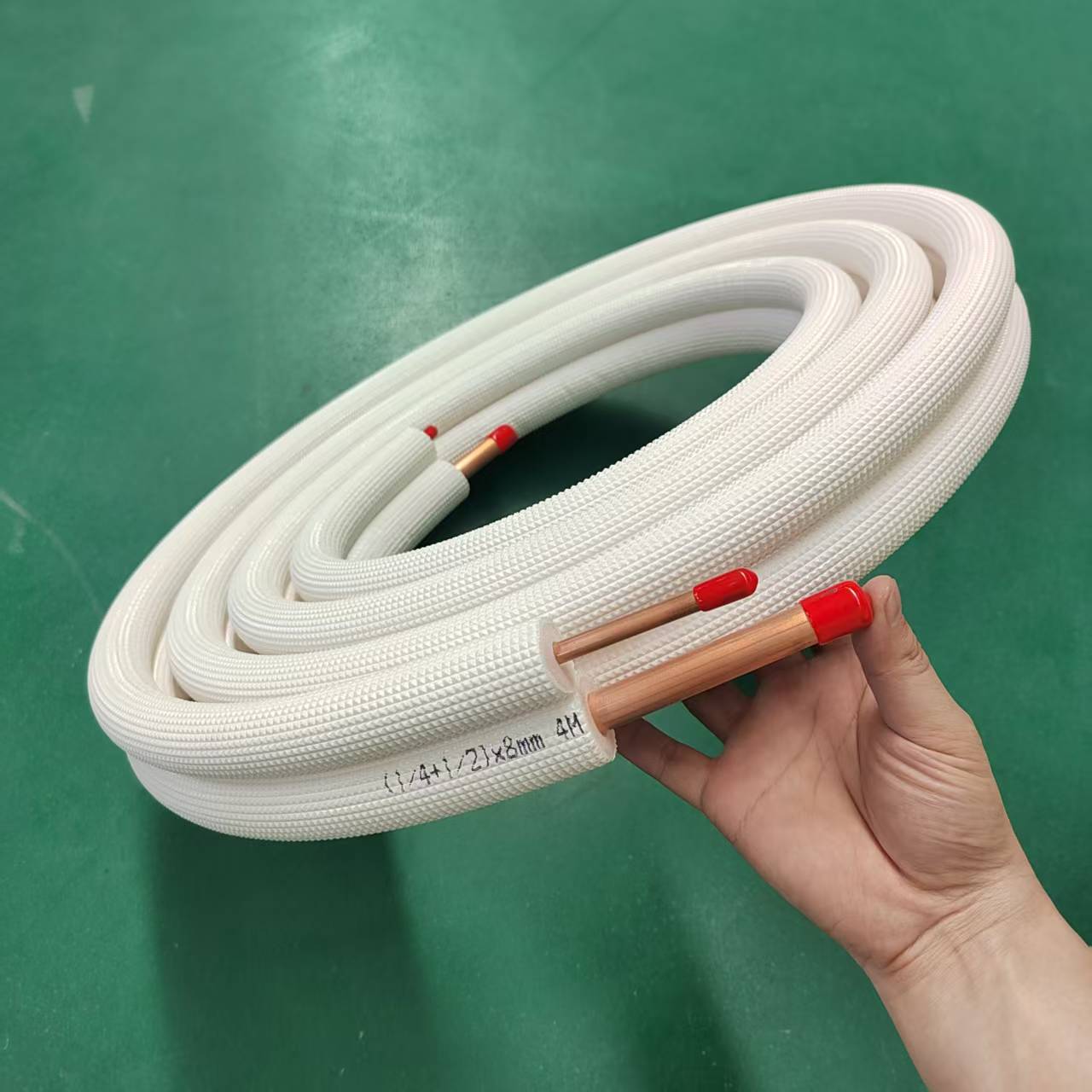
Proper maintenance of copper pair coils is essential for ensuring the longevity and efficiency of your HVAC system. The flared fitting insulation sections on copper pair coils are particularly vulnerable to damage, which can lead to significant performance losses and costly repairs. Understanding how to inspect and maintain the flared fitting insulation sections on your copper pair coils will help you prevent problems before they develop. Regular inspection of copper pair coils ensures that the insulation remains intact and that all connections are secure and functioning properly. This comprehensive guide will walk you through the essential steps for inspecting and maintaining the flared fitting insulation sections on copper pair coils, protecting your investment and maximizing system performance.

The flared fitting insulation on copper pair coils serves a critical function by preventing heat transfer and protecting the refrigerant lines from environmental damage. When these insulation sections deteriorate, your entire HVAC system becomes less efficient, and you may experience temperature control issues throughout your property. Developing a routine inspection and maintenance schedule for your copper pair coils will extend their operational life and maintain consistent performance. By learning the proper techniques for evaluating and caring for the flared fitting insulation sections on copper pair coils, you can avoid unexpected downtime and maintain optimal system efficiency.
Understanding the Role of Flared Fitting Insulation on Copper Pair Coils
Why Flared Fitting Insulation Matters for Copper Pair Coils
Flared fitting insulation on copper pair coils protects the connection points where refrigerant lines join together. These insulation sections prevent condensation buildup that can damage the copper pair coils and reduce thermal efficiency. The insulation also shields the copper pair coils from physical damage, UV exposure, and environmental contaminants. When the flared fitting insulation deteriorates, heat transfer increases dramatically, forcing your HVAC system to work harder and consume more energy. Maintaining intact insulation on your copper pair coils is therefore one of the most cost-effective ways to preserve system performance and extend equipment lifespan.
Common Insulation Degradation Issues in Copper Pair Coils
The flared fitting insulation sections on copper pair coils face several common degradation issues that require attention. UV radiation from sunlight causes the insulation material to become brittle and crack, especially on outdoor-installed copper pair coils. Moisture penetration can cause the insulation to separate from the copper pair coils or develop mold growth underneath. Mechanical damage from installation activities, vibration, or improper handling can tear the insulation material around the flared fittings. Chemical exposure from cleaning agents or environmental pollutants can break down the insulation polymer used on many copper pair coils. Understanding these degradation pathways helps you identify problems early and take preventive action.
Inspection Procedures for Copper Pair Coils Flared Fittings
Visual Inspection Techniques for Copper Pair Coils
Begin your inspection of copper pair coils by visually examining the flared fitting insulation sections under good lighting. Look for visible cracks, tears, or sections where the insulation has separated from the copper pair coils. Check whether the insulation color has faded or changed, which often indicates UV damage or chemical degradation. Run your hand carefully along the flared fittings on your copper pair coils to feel for rough spots, soft areas, or places where the insulation feels thin or deteriorated. Inspect the entire length of both the supply and return lines of your copper pair coils, paying special attention to outdoor-exposed sections. Document any damage you find with photos so you can track the progression of wear on your copper pair coils over time.
Assessing Insulation Thickness and Integrity
Proper insulation thickness on copper pair coils typically ranges from 3/8 to 5/8 inches, depending on the system design and refrigerant type. Use a thickness gauge or reference measurement to determine whether your copper pair coils insulation meets specifications. Press gently on the insulation around the flared fittings of your copper pair coils to verify that it feels firm and resilient rather than spongy or soft. Soft areas indicate water penetration or material breakdown that requires replacement. Check whether the insulation adheres firmly to the copper pair coils or if it pulls away easily, which would indicate failure of the bonding layer. These assessment techniques reveal whether your copper pair coils insulation can continue protecting your system or needs repair soon.
Maintenance and Repair Strategies for Copper Pair Coils
Routine Cleaning and Protection Methods
Regular cleaning protects the flared fitting insulation on copper pair coils from dirt, debris, and chemical buildup. Use a soft cloth or brush to gently remove dust and debris from the insulation surface of your copper pair coils without applying excessive pressure. For tougher buildup, use mild soap and water, then dry the copper pair coils thoroughly with a clean cloth. Apply protective UV-resistant coating or tape to outdoor-exposed copper pair coils to shield the insulation from solar radiation. Avoid harsh chemical cleaners or high-pressure washing that could damage the insulation on your copper pair coils. Consider installing shade structures or insulation wraps on copper pair coils in direct sunlight to extend insulation life.
Repair and Replacement Guidelines for Copper Pair Coils
Small cracks or tears in the insulation of your copper pair coils can be temporarily sealed with self-adhesive insulation tape rated for HVAC use. For minor damage affecting less than 10 percent of the flared fitting insulation on copper pair coils, quality tape can provide several years of additional protection. However, if the damage affects more than 10 percent of the insulation or involves water penetration, full replacement is recommended for your copper pair coils. Professional technicians can remove the damaged insulation and install new pre-molded insulation sleeves designed specifically for copper pair coils flared fittings. If your copper pair coils are older than 10 years and show multiple insulation issues, complete system replacement may be more cost-effective than repeated repairs. Always prioritize safety and efficiency by addressing significant insulation damage promptly on your copper pair coils.
FAQ
How often should I inspect the flared fitting insulation on copper pair coils?
You should inspect your copper pair coils insulation at least twice per year, ideally in spring before cooling season and in fall before heating season. More frequent inspections are recommended for copper pair coils exposed to harsh weather conditions, intense UV exposure, or industrial environments. After severe weather events or if you notice any visible damage, perform immediate inspections of your copper pair coils to catch problems early.
Can I repair damaged insulation on copper pair coils without professional help?
Small repairs to copper pair coils insulation using quality HVAC-rated tape can often be handled by property owners with basic maintenance skills. However, if the damage to your copper pair coils insulation is extensive, involves water intrusion, or affects critical connection points, professional technician services are strongly recommended. Improper repair of copper pair coils can lead to system inefficiency and additional damage, so when in doubt, contact qualified professionals.
What is the expected lifespan of insulation on copper pair coils?
High-quality insulation on copper pair coils typically lasts 10 to 15 years in moderate climates with proper maintenance. The lifespan of copper pair coils insulation can be significantly shortened by intense sun exposure, harsh chemicals, or high-temperature environments. Indoor copper pair coils generally experience longer insulation life than outdoor-installed copper pair coils due to reduced environmental stress factors.