
 EN
EN


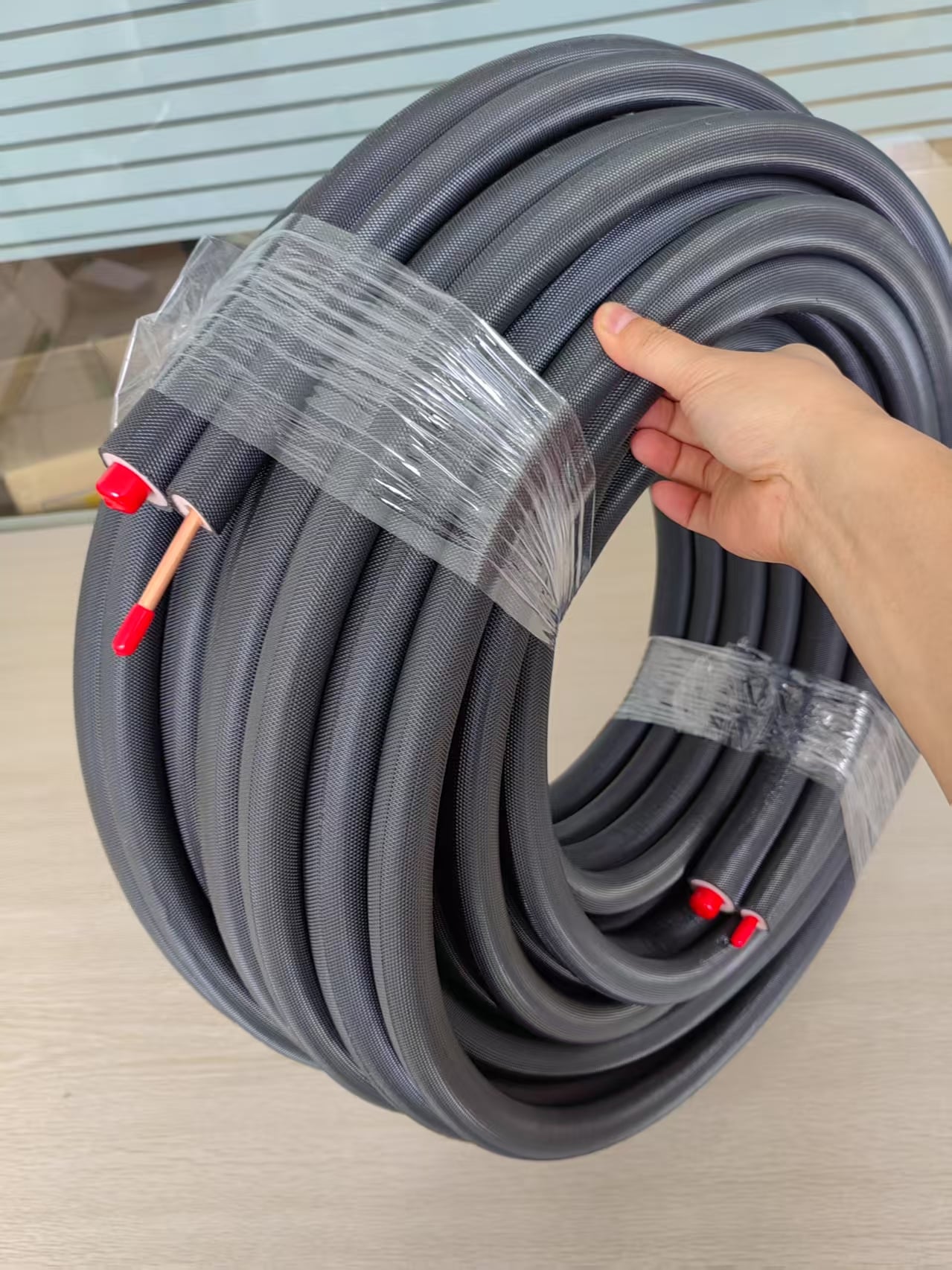
Copper pair coils represent a cornerstone technology in modern HVAC and refrigeration systems, offering unparalleled durability and performance characteristics that distinguish them from conventional single-wall alternatives. These specialized copper pair coils are engineered to withstand the most demanding environmental conditions while maintaining structural integrity throughout their operational lifespan. The inherent properties of copper pair coils make them the preferred choice for professionals who understand the critical importance of system reliability and longevity in commercial and residential applications.

The superiority of copper pair coils stems from their advanced metallurgical composition and seamless manufacturing process. Unlike traditional piping solutions, copper pair coils eliminate weak points and stress concentrations that typically lead to premature failure. Understanding why copper pair coils deliver such exceptional anti-cracking and corrosion advantages requires examining the specific material science, design architecture, and real-world performance data that set them apart in the HVAC industry.
The Metallurgical Foundation of Copper Pair Coils
Material Properties That Prevent Cracking
Copper pair coils possess inherent material properties that fundamentally resist cracking under thermal stress and mechanical pressure. The crystalline structure of pure copper, combined with optimal alloying elements used in quality copper pair coils, creates a matrix that absorbs vibration and temperature fluctuations without developing micro-fractures. When copper pair coils experience rapid temperature cycling typical in HVAC operations, the material's high thermal conductivity allows heat to distribute evenly, preventing localized stress concentrations that cause cracking in inferior materials.
The seamless production method of copper pair coils ensures uniform material density throughout the entire length of the coil. Traditional welded or brazed alternatives create discontinuities at joint points where stress tends to concentrate, but copper pair coils manufactured through seamless drawing processes maintain consistent metallurgical properties. This uniformity means that copper pair coils can expand and contract during thermal cycling without developing the micro-tears that plague conventional copper tubing and lead to catastrophic leaks.
Corrosion Resistance Mechanisms
Copper naturally forms a protective oxidation layer called patina, which is the fundamental reason why copper pair coils resist corrosion far more effectively than ferrous materials. This protective layer on copper pair coils becomes increasingly effective over time, essentially self-healing minor scratches and abrasions through natural oxidation processes. The passive oxide layer on copper pair coils remains stable across a wide pH range, protecting the base metal even in aggressive chemical environments where steel or aluminum would rapidly deteriorate.
Advanced copper pair coils often incorporate additional corrosion-resistance mechanisms through precise manufacturing controls and material selection. Oxygen-free or low-oxygen copper composition enhances the protective qualities of copper pair coils by reducing internal defects that can accelerate corrosion initiation. When copper pair coils are installed in coastal environments, industrial settings, or anywhere moisture and chemical exposure are concerns, this superior corrosion resistance provides decades of reliable operation where alternative materials would require replacement within years.
Engineering Design Advantages of Seamless Copper Pair Coils
Seamless Construction and Structural Integrity
The seamless construction of copper pair coils represents a fundamental engineering advantage that directly translates to superior anti-cracking performance. Seamless copper pair coils are manufactured through a continuous drawing and sizing process that eliminates the weak points inherent in welded designs. This continuous manufacturing process means copper pair coils have uniform wall thickness, consistent internal bore dimensions, and absolutely no seams where micro-cracks can initiate and propagate under pressure cycling.
Each length of seamless copper pair coils undergoes rigorous quality testing to verify pressure rating and detect any manufacturing defects before the material reaches installation sites. The redundancy built into copper pair coils through dual-wall or reinforced constructions provides mechanical strength that allows these coils to handle pressure spikes and thermal stresses without developing leaks. The engineering rigor required to produce certified copper pair coils ensures that every foot of tubing meets exacting standards for dimensional accuracy, surface finish, and material composition.
Paired Configuration and Thermal Efficiency
The paired configuration of copper pair coils offers distinct advantages beyond mere structural benefits, particularly regarding thermal cycling resilience. When copper pair coils are configured with insulation between paired tubes, they create a thermal buffer that reduces the rate of temperature change experienced by the inner pipe wall. This controlled thermal environment makes copper pair coils less susceptible to rapid expansion and contraction that would otherwise create stress concentrations leading to cracking.
Professional HVAC technicians recognize that copper pair coils with proper insulation layers maintain more stable internal temperatures during system operation. This thermal stability significantly extends the service life of copper pair coils by reducing thermal fatigue—the cumulative damage caused by repeated heating and cooling cycles. Systems utilizing properly installed copper pair coils experience fewer emergency service calls related to leaks, freezing damage, or pressure relief events compared to systems using inferior piping materials.
Real-World Performance and Long-Term Durability
Field Performance Data and Reliability Records
Decades of field performance data demonstrate why copper pair coils have become the industry standard for critical HVAC and refrigeration applications. Installation records from commercial properties, industrial facilities, and demanding residential systems consistently show that copper pair coils outlast competing materials by a substantial margin. The actual corrosion rates measured on copper pair coils installed in aggressive environments remain remarkably low, often showing only superficial patina formation after years of continuous operation.
Case studies from coastal installations, chemical processing facilities, and high-humidity industrial environments document that copper pair coils maintain system functionality where alternative materials failed within months. These documented instances reveal why knowledgeable facility managers specifically require copper pair coils in contracts and purchasing specifications. The long-term cost analysis invariably shows that the initial premium paid for quality copper pair coils is recovered through extended equipment life, reduced maintenance requirements, and eliminated emergency replacement costs.
Chemical Compatibility and System Longevity
Copper pair coils demonstrate exceptional chemical compatibility with refrigerants, oils, and trace contaminants that circulate through HVAC systems. The stable oxide layer of copper pair coils resists attack from common refrigerants and prevents the galvanic corrosion issues that plague dissimilar metal combinations. This chemical stability means copper pair coils can be combined with various system components without introducing electrochemical corrosion mechanisms that would otherwise compromise system integrity.
When copper pair coils are properly integrated into systems with compatible materials and appropriate filtration, they maintain full functionality throughout their rated lifespan and often beyond. The non-reactive nature of copper pair coils prevents contamination and system blockages caused by corrosion byproducts. This chemical inertness ensures that copper pair coils contribute to system cleanliness and reliability, directly supporting optimal performance of compressors, expansion devices, and other critical components.
FAQ
Why are copper pair coils better than aluminum or steel alternatives?
Copper pair coils outperform aluminum and steel through superior corrosion resistance, higher thermal conductivity, and inherent material stability. Aluminum develops pitting corrosion in humid or salty environments, while steel rusts rapidly without expensive protective coatings. Copper pair coils resist these degradation mechanisms through passive oxide protection that actually strengthens over time, making them ideal for long-term installations in challenging environments.
How does the seamless design of copper pair coils prevent cracking?
Seamless copper pair coils eliminate weak points found at welded seams where cracks typically initiate. The continuous drawing process creates uniform material properties throughout the entire coil length, allowing expansion and contraction without stress concentration. This uniform construction means copper pair coils can withstand thousands of thermal cycles without developing micro-fractures that would propagate into catastrophic leaks.
What is the typical service life expectancy of copper pair coils?
Quality copper pair coils typically maintain reliable operation for 20 to 30 years or longer in normal HVAC applications. Even in aggressive environments with high humidity, salt spray, or chemical exposure, properly installed copper pair coils often exceed 20 years of service life. The durability of copper pair coils means system owners benefit from predictable, extended equipment lifecycles and lower total cost of ownership compared to systems using alternative materials.