
 EN
EN


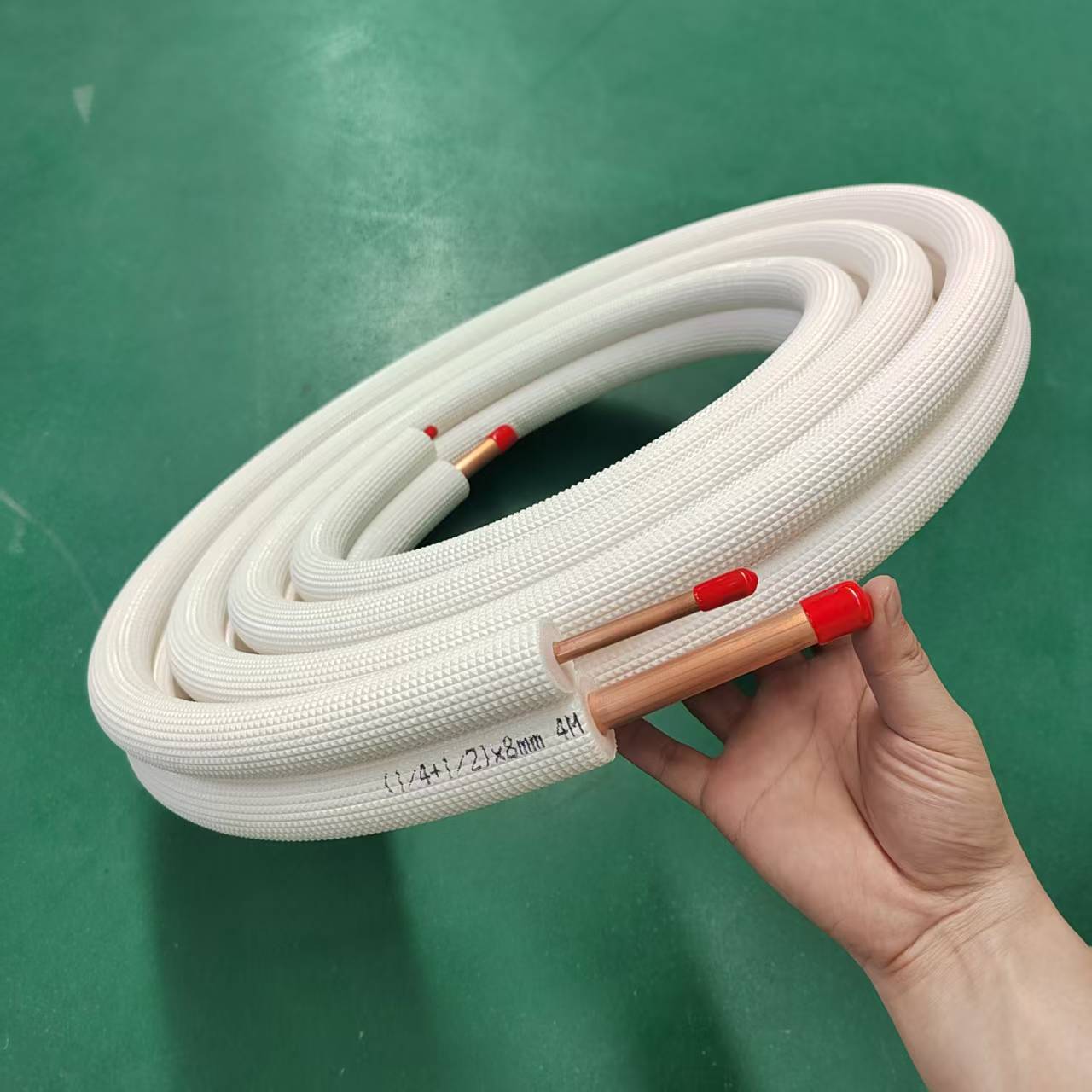
Maintaining your air conditioning system requires consistent attention to the copper line set, which serves as the vital pathway for refrigerant circulation between indoor and outdoor units. Regular copper line set maintenance protects system efficiency, prevents costly repairs, and extends equipment lifespan. Homeowners and HVAC technicians who perform routine copper line set maintenance reduce unexpected breakdowns and maintain optimal cooling performance throughout the year.
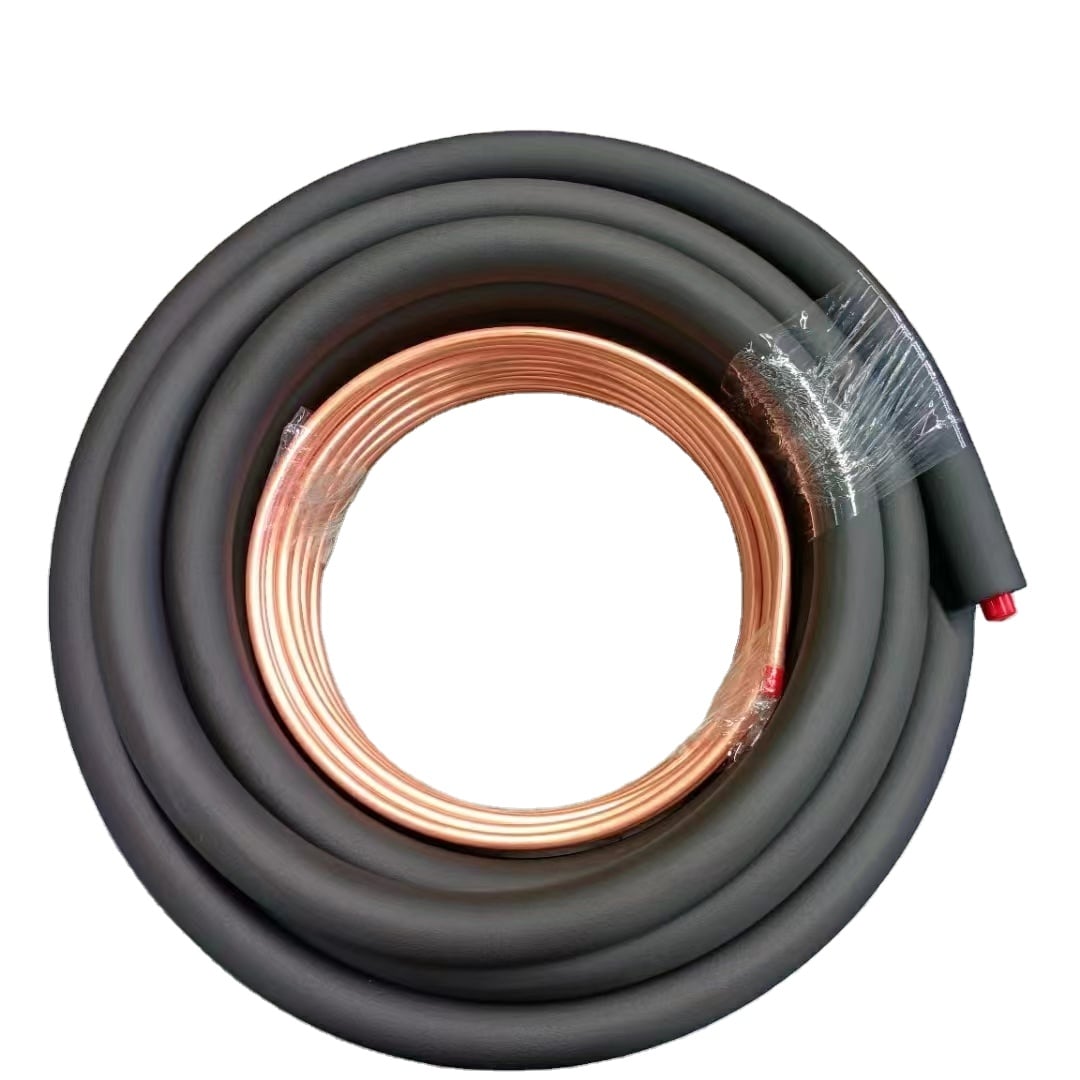
The copper line set comprises two copper tubes—one for liquid refrigerant and one for vapor return—both wrapped in protective insulation material. Without proper copper line set maintenance, insulation degrades, moisture penetrates the system, and refrigerant leaks develop silently. Learning to inspect and maintain these components yourself empowers you to catch problems early before they escalate into expensive compressor failures or complete system replacement.
Understanding Copper Line Set Components and Their Function
Core Elements of Your Copper Line Set Maintenance System
Your copper line set maintenance routine begins with understanding what you are protecting. The liquid line carries high-pressure cool refrigerant from the outdoor condenser unit into the indoor evaporator coil. The suction line returns warm, low-pressure vapor back outdoors. Both tubes require copper line set maintenance because damage to either line compromises refrigerant integrity and system operation. The surrounding foam insulation prevents heat gain on the suction line and protects both tubes from external damage, corrosion, and UV exposure.
Why Copper Line Set Maintenance Prevents System Failure
Copper line set maintenance directly impacts your system's ability to maintain proper pressure and temperature cycles. When insulation deteriorates, the suction line absorbs ambient heat, forcing the compressor to work harder and consume more energy. Pinhole leaks in the copper tubes allow refrigerant to escape slowly, reducing cooling capacity while environmental damage accumulates unseen. Proactive copper line set maintenance catches these issues during their early stages, before they trigger compressor strain or complete refrigerant loss.
Step-by-Step Leak Inspection Procedures for Copper Line Set Maintenance
Visual Inspection and Physical Assessment
Begin your copper line set maintenance by conducting a thorough visual inspection of both the liquid and suction lines. Walk the entire length of the tubes from the outdoor unit to where they enter your indoor handler, looking for visible signs of damage. During copper line set maintenance inspections, note any dents, crushing, kinks, or exposed copper where insulation has worn away. Check connection points at both units for oil residue, which indicates refrigerant leakage. UV damage, weathering, and rodent damage commonly appear on exposed sections, especially near rooflines or in attics, making these areas critical focus points for copper line set maintenance.
Detecting Refrigerant Leaks During Copper Line Set Maintenance
Professional-grade leak detection provides the most reliable method for identifying small leaks during copper line set maintenance procedures. Electronic leak detectors sense refrigerant vapor escaping from the copper tubing and surrounding connections, alerting you to problems invisible to the naked eye. If you detect any leak during your copper line set maintenance evaluation, mark the location and contact a certified HVAC technician immediately. Small leaks discovered early through regular copper line set maintenance can sometimes be sealed with minimal expense, whereas undetected leaks eventually require system evacuation, repair, and recharging—a far costlier intervention that could have been prevented through consistent copper line set maintenance routines.
Insulation Maintenance Practices for Your Copper Line Set
Assessing and Replacing Degraded Insulation
Insulation degradation accelerates the need for comprehensive copper line set maintenance and represents one of the most common failure modes in aging HVAC systems. UV exposure, temperature cycling, moisture intrusion, and physical contact gradually break down foam insulation, reducing its thermal resistance and protective capability. During copper line set maintenance checks, compress the insulation gently; healthy material should feel firm and recover completely. Crumbly, brittle, or waterlogged insulation indicates that copper line set maintenance must include replacement or wrapping with fresh protective material. New foam insulation or fiberglass wrap should be applied carefully to maintain system efficiency and prevent moisture condensation on cold suction lines.
Moisture Control and Protection Strategies
Water infiltration represents a critical concern in copper line set maintenance because moisture inside the copper tubing can damage system components and reduce refrigerant quality. Proper insulation prevents moisture from reaching the cold suction line surface where condensation forms during operation. Your copper line set maintenance program must include sealing any gaps or damage points in the insulation jacket. For exposed outdoor sections of the copper line set, consider adding UV-resistant protective sleeves or covers as part of your copper line set maintenance strategy. These barriers protect insulation from sun damage and extend the interval between copper line set maintenance interventions, ultimately saving money on emergency repairs and system downtime.
Developing a Sustainable Copper Line Set Maintenance Schedule
Frequency and Best Practices
A practical copper line set maintenance schedule involves visual inspections twice annually—once before peak cooling season and again before or after winter shutdown. This frequency allows you to identify problems during copper line set maintenance before they become critical. Professional HVAC technicians recommend comprehensive copper line set maintenance as part of annual system maintenance visits, where they combine leak detection equipment with visual assessment. Between professional copper line set maintenance appointments, homeowners should perform basic visual checks whenever accessing outdoor or attic spaces. Keeping detailed records of copper line set maintenance activities helps identify patterns and predict when major interventions like insulation replacement may become necessary.
Long-Term System Health Through Copper Line Set Maintenance
Consistent copper line set maintenance extends your HVAC system's operational lifespan and maintains cooling efficiency across seasonal cycles. Systems receiving regular copper line set maintenance experience fewer emergency failures, lower energy consumption, and reduced compressor strain compared to neglected installations. The investment in copper line set maintenance pays measurable returns through reduced repair expenses, avoided premature replacement, and maintained home comfort. A copper line set maintenance program adapted to your specific climate, system age, and installation configuration ensures maximum system reliability. Whether you perform copper line set maintenance yourself or employ professional technicians, the discipline of regular inspection and care remains non-negotiable for optimal HVAC performance.
FAQ
How often should I perform copper line set maintenance inspections?
Visual copper line set maintenance inspections should occur twice yearly, ideally before cooling season begins and at system shutdown. Professional comprehensive copper line set maintenance checks should accompany your annual HVAC service visit. More frequent copper line set maintenance may be warranted in harsh climates, extreme UV exposure areas, or for systems older than ten years.
What are the most common copper line set maintenance issues I should watch for?
The most frequent copper line set maintenance concerns include deteriorated insulation, refrigerant leaks at connection points, physical damage from installation routing, and moisture intrusion in the suction line. UV damage and weathering represent leading causes of insulation failure requiring copper line set maintenance intervention. Rodent damage and kinking from poor installation also frequently necessitate copper line set maintenance repairs.
Can I perform all copper line set maintenance tasks myself, or do I need professional help?
Basic visual copper line set maintenance inspections and insulation replacement can be performed by homeowners, though professional expertise ensures proper diagnosis of leaks and system integrity. Refrigerant leak detection and repair require EPA certification and specialized equipment beyond most homeowner copper line set maintenance capabilities. Combining personal copper line set maintenance observations with annual professional service provides optimal protection and early problem detection.