
 EN
EN


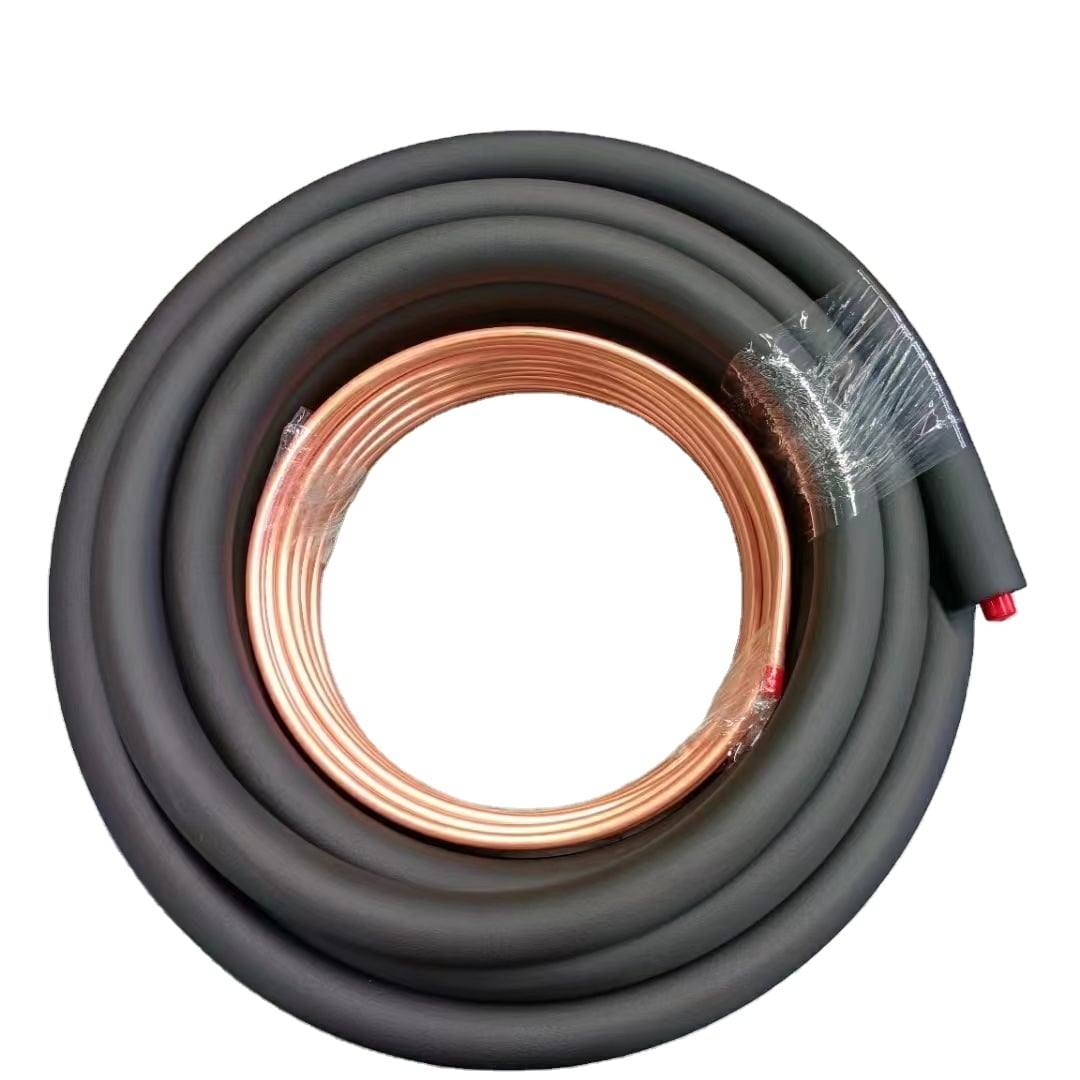
Memelihara integritas set saluran yang terpasang di dinding sangat penting bagi kinerja sistem HVAC dan efisiensi energi. Set saluran mengalirkan refrigeran antara unit luar ruangan dan unit dalam ruangan Anda, serta setiap kerusakan pada insulasinya dapat menyebabkan kehilangan pendinginan yang signifikan, tagihan listrik yang lebih tinggi, dan kemungkinan kegagalan sistem. Pemeriksaan serta perawatan rutin terhadap set saluran Anda memastikan bahwa insulasi tetap utuh, mencegah masuknya kelembapan, kebocoran refrigeran, dan degradasi komponen secara dini. Panduan ini menjelaskan langkah-langkah penting untuk memeriksa secara rutin insulasi set saluran Anda agar sistem pendingin udara Anda beroperasi secara optimal.

Konfigurasi set saluran yang terpasang di dalam dinding menimbulkan tantangan unik karena pipa-pipa tersebut melewati dinding, loteng, atau ruang sempit di bawah lantai, di mana visibilitas dan aksesibilitas sangat terbatas. Berbeda dengan set saluran yang terpapar—yang dapat diperiksa secara instan—instalasi tersembunyi memerlukan pendekatan sistematis untuk mendeteksi kerusakan insulasi sebelum menjadi mahal. Dengan menetapkan jadwal pemeriksaan rutin serta mengetahui tanda-tanda apa saja yang perlu diwaspadai, Anda dapat mengidentifikasi masalah lebih dini dan segera mengambil tindakan korektif, sehingga memperpanjang masa pakai set saluran serta menjaga efisiensi optimal sistem.
Memahami Insulasi Set Saluran dan Fungsinya
Apa Itu Set Saluran dan Mengapa Insulasi Penting
Satu set saluran terdiri atas dua pipa tembaga yang membentuk sirkuit refrigeran antara unit kondensor eksterior dan kumparan evaporator interior Anda. Set saluran dibungkus dengan insulasi berbahan busa atau karet guna mempertahankan suhu serta mencegah penyerapan atau kehilangan panas selama pengangkutan refrigeran. Tanpa insulasi yang memadai pada set saluran Anda, refrigeran menyerap panas lingkungan sebelum mencapai unit interior, sehingga mengurangi kapasitas pendinginan dan memaksa kompresor bekerja lebih keras. Insulasi pada set saluran juga melindungi terhadap kondensasi uap air, yang dapat merusak pipa tembaga serta memasukkan kontaminan ke dalam sistem refrigeran. Pada konfigurasi yang tertanam di dinding, insulasi set saluran menjadi semakin krusial karena pipa-pipa tersebut tersembunyi dari pandangan dan tidak mudah diganti apabila mengalami kerusakan.
Risiko Umum Akibat Degradasi Insulasi Set Saluran
Ketika insulasi saluran pipa pendingin Anda memburuk, beberapa masalah muncul. Kelembapan dapat menembus lapisan busa atau karet, menyebabkan kondensasi di dalam dinding dan memicu pertumbuhan jamur atau kerusakan struktural. Penyerapan panas melalui insulasi yang rusak mengurangi efisiensi pendinginan seluruh sistem HVAC, sehingga memaksa saluran pipa pendingin bekerja pada kapasitas yang lebih rendah. Kebocoran refrigeran menjadi lebih mungkin terjadi ketika saluran pipa pendingin terpapar elemen luar ruangan atau tertusuk oleh hewan pengerat, serangga, maupun kerusakan tak disengaja. Selain itu, insulasi saluran pipa pendingin yang rusak dapat mengalami rembesan refrigeran, yang tidak hanya merugikan sistem lingkungan tetapi juga menguras muatan refrigeran dan memicu penguncian sistem. Mengenali risiko-risiko ini menegaskan pentingnya pemeriksaan rutin terhadap saluran pipa pendingin guna mendeteksi masalah sebelum memburuk.
Proses Pemeriksaan Bertahap untuk Saluran Pipa Pendingin yang Tertanam di Dinding
Pemeriksaan Visual dan Pemeriksaan Titik yang Dapat Diakses
Mulailah pemeriksaan set saluran Anda dengan memeriksa bagian-bagian set saluran yang terlihat di titik masuk atau keluarnya dari rongga dinding Anda. Periksa titik sambungan tempat set saluran berpindah dari dalam ke luar, dengan memperhatikan secara khusus retakan, sobekan, atau pengelupasan yang terlihat pada bahan insulasi. Cari tanda-tanda noda air, perubahan warna, atau pertumbuhan jamur pada permukaan luar insulasi set saluran Anda. Jika set saluran Anda melewati ruang bawah tanah, loteng, atau ruang merayap, akseslah area-area tersebut dan periksa seluruh panjang set saluran untuk kerusakan fisik, kerusakan akibat hewan pengerat, atau kerusakan bahan. Gunakan senter untuk menerangi area yang sulit dilihat dan kaca pembesar jika diperlukan guna mendeteksi sobekan kecil atau tusukan pada insulasi set saluran. Ambil foto area yang mencurigakan untuk melacak perubahan dari waktu ke waktu serta mendokumentasikan kondisi set saluran Anda guna keperluan catatan pemeliharaan.
Pemeriksaan dengan Penyelidikan dan Sentuhan
Tekan dengan lembut jari-jari Anda pada insulasi line set untuk menilai kekencangan dan integritasnya. Insulasi line set berkualitas tinggi seharusnya terasa padat dan sedikit termampatkan; jika terasa lembut, seperti spons, atau rapuh, kemungkinan besar telah menyerap kelembapan atau mulai memburuk. Usap seluruh panjang line set yang dapat dijangkau dengan tangan Anda, rasakan adanya ketidakrataan, area lembut, atau bagian di mana insulasi terlepas dari pipa tembaga. Beri perhatian khusus pada sudut-sudut, sambungan, serta area di mana line set mungkin mengalami kelengkungan atau tekukan selama pemasangan, karena titik-titik tersebut rentan mengalami kegagalan insulasi. Jika insulasi line set terasa lengket atau berminyak, hal ini bisa menunjukkan kebocoran refrigeran, yang memerlukan penanganan profesional segera. Catat semua anomali dan tandai lokasinya relatif terhadap penanda visual agar Anda dapat memandu teknisi menuju area bermasalah jika diperlukan.
Memeriksa Ketebalan dan Cakupan Insulasi
Insulasi set garis standar biasanya memiliki ketebalan 0,5 hingga 0,75 inci per sisi set garis. Periksa apakah ketebalan insulasi tampak seragam sepanjang seluruh set garis atau apakah terdapat bagian yang lebih tipis akibat terkompresi atau aus. Pastikan baik saluran pasokan maupun saluran kembali pada set garis Anda sepenuhnya tertutup insulasi; bagian tembaga yang terbuka menunjukkan perlindungan yang terganggu. Jika set garis Anda pernah diperbaiki atau ditambal dengan selotip atau pembungkus tambahan, pastikan bahan perbaikan tersebut sepenuhnya menutupi pipa tembaga dan membentuk segel kedap udara. Perhatikan celah atau pemisahan di mana insulasi tidak menempel sempurna pada set garis, sehingga memungkinkan udara melewati lapisan pelindung. Tujuannya adalah memastikan insulasi set garis Anda memberikan cakupan penuh dengan ketebalan yang konsisten, menjaga penghalang termal dan kelembapan agar sistem refrigeran Anda beroperasi secara efisien.
Tindakan Pemeliharaan dan Strategi Pencegahan
Pembersihan serta Langkah-Langkah Pelindung
Setelah Anda menyelesaikan inspeksi visual dan taktil terhadap line set, ambil langkah-langkah untuk menjaga kebersihan dan perlindungan insulasi. Bersihkan semua kotoran, debu, atau sarang laba-laba di sekitar line set menggunakan kain lembut atau sikat, dengan hati-hati agar tidak merusak insulasi. Jika Anda menemukan kotoran ringan atau noda pada permukaan insulasi line set, bersihkan secara perlahan dengan kain yang sedikit lembap, lalu biarkan kering sepenuhnya. Untuk line set yang tertanam di dinding, pastikan rongga dinding di sekitar line set tersumbat dengan baik guna mencegah masuknya hama dan kelembapan. Jika Anda melihat retakan, lubang, atau celah di dinding dekat line set, tutuplah dengan sealant atau foam sealant guna melindungi line set dari kerusakan eksternal. Pasang pelindung berupa sleeve atau conduit di sekitar line set di area dengan lalu lintas tinggi atau di lokasi berisiko kerusakan mekanis—misalnya saat line set melewati balok lantai ruang bawah tanah atau rangka dinding.
Menjadwalkan Evaluasi Line Set oleh Tenaga Profesional
Meskipun pemeriksaan visual dan taktil rutin terhadap saluran refrigeran Anda dapat mengungkap masalah yang jelas, penilaian profesional dengan peralatan khusus memberikan kemampuan penilaian yang lebih mendalam. Teknisi HVAC dapat menggunakan pencitraan termal untuk mendeteksi kehilangan panas akibat insulasi saluran refrigeran yang rusak—yang tidak terlihat oleh mata telanjang. Mereka juga dapat melakukan uji tekanan dan deteksi kebocoran pada saluran refrigeran Anda guna mengidentifikasi kebocoran refrigeran yang menunjukkan kerusakan internal atau kebocoran berukuran sangat kecil (pinhole). Seorang teknisi bersertifikat pun dapat menilai apakah insulasi saluran refrigeran Anda memenuhi standar industri terkini serta merekomendasikan peningkatan jika sistem Anda masih menggunakan bahan yang sudah usang. Jadwalkan penilaian profesional terhadap saluran refrigeran Anda selama kunjungan pemeliharaan HVAC tahunan atau setiap kali Anda melihat tanda-tanda kerusakan. Menetapkan jadwal pemeliharaan rutin untuk saluran refrigeran memastikan pemantauan konsisten serta mencegah masalah kecil berkembang menjadi perbaikan mahal atau kegagalan sistem.
Tanya Jawab
Seberapa sering saya harus memeriksa insulasi set jalur yang terpasang di dinding?
Anda harus memeriksa secara visual set jalur minimal dua kali per tahun, sebaiknya sebelum musim pendinginan dimulai dan pada pertengahan musim panas ketika tekanan pada sistem paling tinggi. Jika Anda menggunakan bahan insulasi yang lebih tua atau tinggal di daerah beriklim lembap, pertimbangkan pemeriksaan set jalur setiap tiga bulan sekali. Evaluasi profesional oleh teknisi HVAC harus dilakukan setahun sekali selama perawatan rutin untuk memastikan set jalur berfungsi secara optimal dan integritas insulasi tetap terjaga.
Apa yang harus saya lakukan jika menemukan insulasi pada set jalur yang rusak?
Kerusakan kecil pada insulasi set jalur, seperti robekan kecil atau area tipis, sering kali dapat diperbaiki menggunakan selotip busa atau pembungkus pipa yang dirancang khusus untuk penggunaan HVAC. Untuk kerusakan signifikan yang memengaruhi bagian besar set jalur, disarankan agar dilakukan reinsulasi profesional atau penggantian bagian set jalur yang terkena dampak guna mengembalikan perlindungan penuh. Hubungi teknisi HVAC untuk menilai tingkat kerusakan dan menentukan apakah perbaikan atau penggantian set jalur Anda merupakan solusi yang tepat.
Apakah saya boleh mengganti sendiri insulasi set jalur jika kondisinya memburuk?
Meskipun penambalan kecil pada insulasi set jalur dapat dilakukan sendiri oleh pemilik rumah, pengerjaan menyeluruh set garis penggantian memerlukan alat khusus, pengetahuan tentang penanganan refrigeran, serta pemahaman terhadap standar pemasangan yang benar. Teknisi profesional memastikan bahwa saluran pipa Anda terisolasi secara tepat, diuji tekanan, dan terintegrasi dengan sistem HVAC Anda guna menjaga efisiensi serta keamanan. Mempekerjakan kontraktor HVAC bersertifikat melindungi garansi sistem Anda dan menjamin bahwa saluran pipa Anda memenuhi semua kode bangunan yang berlaku serta spesifikasi pabrikan.