
 EN
EN


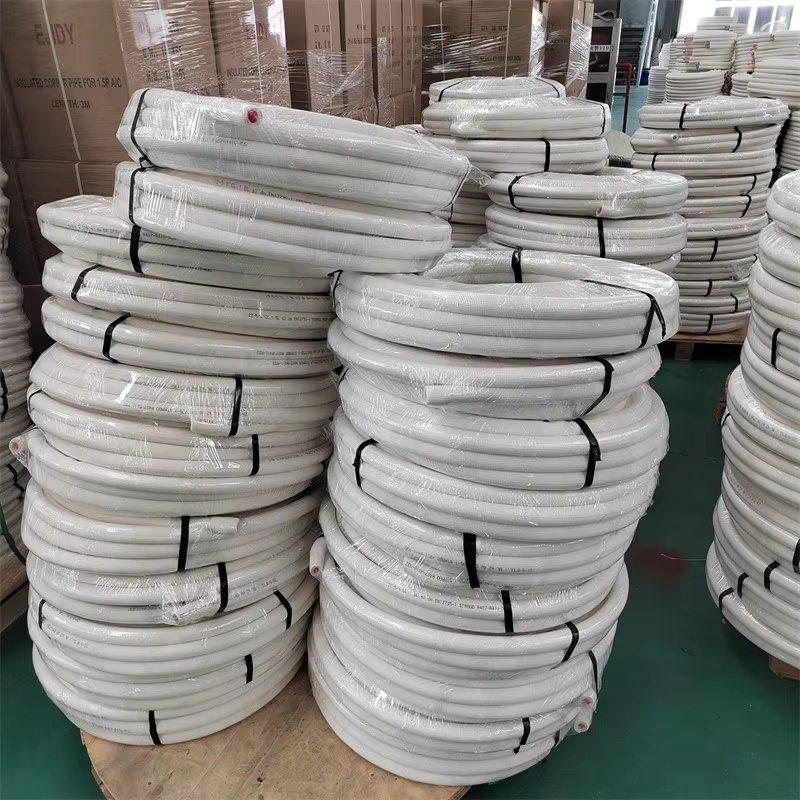
Zaščitna zunanja ovojnica izpostavljene zunanjih cevnih vodov je eden najpomembnejših delov vašega ogrevalnega, prezračevalnega in klimatskega sistema (HVAC), kljub temu pa jo lastniki nepremičnin in upravitelji objektov pogosto zanemarjajo. Vaši cevni vodi so neprestano izpostavljeni ultravijoličnemu sevanju, nihanju temperatur, vlaji in okoljskim onesnaževalcem, ki s časom lahko poslabšajo njihovo celovitost. Če ne izvajate redne vzdrževalne nega zaščitne zunanje ovojnice cevnih vodov, tvegate uhajanje hladilnega sredstva, zmanjšano učinkovitost sistema ter draga popravila, ki bi jih bilo mogoče preprečiti z enostavno preventivno nego. Razumevanje načina vzdrževanja zaščitne zunanje ovojnice vaših cevnih vodov zagotavlja zanesljivo delovanje vašega klimatskega sistema v celotnem obdobju njegove življenjske dobe.

Niz cevi služi kot prenosna pot med zunanjim enotnim klimatskim napravam in notranjim izhladitvenim tuljakom ter prenaša hladilno sredstvo ter ohranja tlak v sistemu. Zaščitni zunanji plašč niza cevi mora ščititi pred vremenskimi vplivi, UV-sevanjem in mehanskimi poškodbami ter hkrati zagotavljati ustrezno toplotno izolacijo. Zanemarjanje plašča niza cevi lahko povzroči pospešeno staranje, zmanjšano toplotno učinkovitost in celo odpoved sistema. Ta priročnik ponuja praktične strategije za vzdrževanje zaščitnega zunanjega plašča niza cevi, da se čim bolj podaljša življenjska doba in izboljša delovanje sistema.
Razumevanje sestave in namena plaščev niza cevi
Materiali in zaščitna funkcija
Zaščitna zunanja ovojnica kompletov cevi je običajno izdelana iz trpežnih materialov, kot so polietilen, PVC ali specializirana penasta izolacija, ki je zasnovana za uporabo v zunanjih razmerah. Vaša ovojnica kompletov cevi opravlja več funkcij, med drugim toplotno izolacijo za preprečevanje pridobitve ali izgube toplote, zaščito pred UV-sevanjem, ki povzroča embritenje materiala, ter fizično pregrado proti udarni poškodbi in prodoru vlage. Ko se ovojnica vašega kompletov cevi začne razpokati, odlepetati ali razgraditi, podkladna izolacija in hladilne cevi izgubita svoj zaščitni ščit. Razumevanje sestave vašega kompletov cevi vam pomaga prepoznati zgodnje znake obrabe in sprejeti ustrezne vzdrževalne ukrepe, preden se poškodbe nadaljujejo.
Okoljski dejavniki, ki vplivajo na ovojnico kompletov cevi
Zunanja ovojnica vašega linije nastopa je neprekinjeno izpostavljena okoljskim dejavnikom, ki pospešujejo staranje in razgradnjo. Intenzivno UV-sevanje razgrajuje polimerni vezi v zaščitnem materialu vaše linije nastopa, medtem ko cikli temperatur med vročimi poletnimi dnevi in hladnimi zimskimi nočmi povzročajo raztezanje in krčenje, kar obremenjuje šive in priključke. Vlaga, solna zraka v obalnih regijah, industrijski onesnaževalci ter biološki rast (npr. alge ali plesen) dodatno ogrožajo celovitost ovojnice vaše linije nastopa. Deleži, ki jih veter nosi, veje dreves in naključni fizični stiki lahko prebijejo ali raztrgajo zaščitno ovojnico vaše linije nastopa. Te skupne obremenitve naredijo redno vzdrževanje zaščitne zunanje ovojnice bistveno za ohranitev vaše HVAC-naložbe.
Redni postopki pregleda in vzdrževanja za linije nastopa
Redni urnik vizualnih pregledov
Uvedba doslednega načrta za pregled ovoja vašega linije seta je temelj učinkovite preventivne vzdrževalne dejavnosti. Zunanji linije set je treba pregledati vsakih tri mesece ali pogosteje v zahtevnih podnebnih razmerah z intenzivno UV-izpostavljenostjo ali v obalnih območjih z izpostavljenostjo solnemu pršiču. Pri vsakem pregledu linije seta poiščite vidne razpoke, odlepljene dele, spremembe barve ter območja, kjer se zaščitni ovoj zdi tanek ali obrabljen. Preverite tudi spojke in šive, kjer se linije set povezuje z zunanjim in notranjim enotama, saj so ti deli izpostavljeni napetostim in so nagnjeni k zgodnjemu odpovedovanju. Zabeležite ugotovitve in posnetke poškodb ovoja linije seta, da boste lahko spremljali vzorce poslabšanja ter načrtovali časovni okvir za vzdrževalne ukrepe.
Čiščenje in površinska obdelava
Pravilno čiščenje zaščitne ovojnice vaše linije odstrani nabiranje umazanije, cvetnega prahu in organskih rastlin, ki lahko zadržujejo vlago ter pospešujejo razgradnjo. Za nežno čiščenje zaščitne površine vaše linije uporabite mehko ščetko in blago milnato vodo, pri čemer se izogibajte abrazivnemu drgnjenju, ki bi poškodovalo material ovojnice. Linijo temeljito izperite z čisto vodo in pustite, da se popolnoma izsuši, preden začnete kakršno koli popravno obravnavo. Pri trdovratni rasti alge ali plesni na ovojnici vaše linije lahko uporabite razredčeno kislo raztopino, nato pa jo temeljito izperete in izsušite. Izogibajte se čiščenju z visokim tlakom ali agresivnim kemičnim čistilom, ki ogrožata zaščitno celovitost ovojnice vaše linije.
Popravila in zaščitne nadgrade za razgrajene linije
Zalepiti in zapreti majhne poškodbe
Majhne razpoke, prebodnine ali tanke točke na ovoju vaše linije za hladilno sredstvo se lahko odpravijo z izdelki za popravek, ki so posebej zasnovani za HVAC-uporabo. Popravljalni trak v obliki ovijalca ali samolepilne ploščice lahko začasno zapreta manjše poškodbe na ovoju vaše linije za hladilno sredstvo, vendar se ti načini štejejo le za začasna rešitev, ne pa za trajne popravke. Za bolj trajno zaščito nabor linij zaščitne cevi zagotavljajo popolno zaprtje, ki ščiti obstoječi ovoj pred nadaljnjo UV- in okoljsko škodo. Pri uporabi popravljalnih ploščic na ovoju vaše linije za hladilno sredstvo poskrbite, da je površina čista in suha, ter sledite navodilom proizvajalca glede časa lepljenja in temperaturnih zahtev. Več majhnih popravkov na ovoju vaše linije za hladilno sredstvo kaže, da je popolna zamenjava ali prekritje morda ekonomičnejša rešitev kot nadaljnje vzdrževanje z uporabo ploščic.
Popolna zamenjava ovoja in preventivno prekritje
Ko se na ovojnici vašega linije zazna obsežno poslabšanje, razpoke na več mestih ali izguba učinkovitosti toplotne izolacije, je potrebna popolna zamenjava, da se ohrani učinkovitost in varnost sistema. Vaš HVAC-podjetnik lahko odstrani poškodovano ovojnico linije in namesti nov material za zaščito, s čimer zagotovi ustrezno toplotno izolacijo in vodoodpornost. Kot alternativa lahko namestite zunanjega dekorativnega pokrova za linijo prek obstoječe ovojnice, kar zagotavlja dodatno zaščito pred UV-sevanjem, vlago in mehanskimi poškodbami ter izboljša estetski videz. Ta rešitev za pokrivanje linije podaljša življenjsko dobo za več let brez potrebe po odstranitvi prvotnih delov ovojnice. Naložba v zaščitne nadgradnje ovojnice linije je veliko ekonomičnejša kot upravljanje z uhajanjem hladilnega sredstva, odpovedmi sistema ali predčasno zamenjavo komponent.
Pogosto zastavljena vprašanja
Kako pogosto naj preverjam zaščitno ovojnico svoje linije?
Preverjati morate ovoj vašega linije nastavka vsaj kvartalno, pogosteje pa, če živite v okolju z intenzivno UV-izpostavljenostjo, visoko vlažnostjo ali obmorskimi razmerami. Številni strokovnjaki za ogrevanje, prezračevanje in klimatizacijo priporočajo mesečne vizualne preglede v poletnih mesecih, ko je vaš linija nastavka izpostavljena največji toplotni in UV-obremenitvi. Zabeležite vse spremembe v stanju ovoja vaše linije nastavka, da ugotovite težave čim prej, preden zahtevajo večje popravke.
Kateri znaki kažejo, da je treba ovoj vaše linije nastavka takoj zamenjati?
Ovoj vaše linije nastavka zamenjajte takoj, če opazite velike razpoke, ki se raztezajo več kot nekaj centimetrov, vidno ločitev zaščitnega ovoja od podkladne izolacije, razkritje bakrenih cevi ali znake uhajanja hladilnega sredstva v bližini vaše linije nastavka. Če je ovoj vaše linije nastavka postal krhak in se razsipa ob dotiku ali če se je na vaši liniji nastavka v kratkem času večkrat pokvarilo več popravkov, je popolna zamenjava bolj smiselna kot nadaljnji poskusi popravka.
Ali lahko namestim zaščitno ovojnico za cevni komplet prek že poškodovane ovojnice?
Da, namestitev dekorativne zaščitne ovojnice prek obstoječe ovojnice cevnega kompleta je učinkovita rešitev za poškodovane ovojnice, če so osnovni sestavni deli še vedno strukturno zdravi in ne puščajo. Ovojnica cevnega kompleta, nameščena prek poškodovane ovojnice, zagotavlja zaščito pred UV-žarki, odpornost proti vlaji in izboljšavo videza ter podaljša življenjsko dobo cevnega kompleta. Če pa vaš cevni komplet že kaže znake uhajanja hladilnega sredstva ali hude poškodbe toplotne izolacije, je pred namestitvijo ovojnice nujno odpraviti osnovni problem.