
 EN
EN


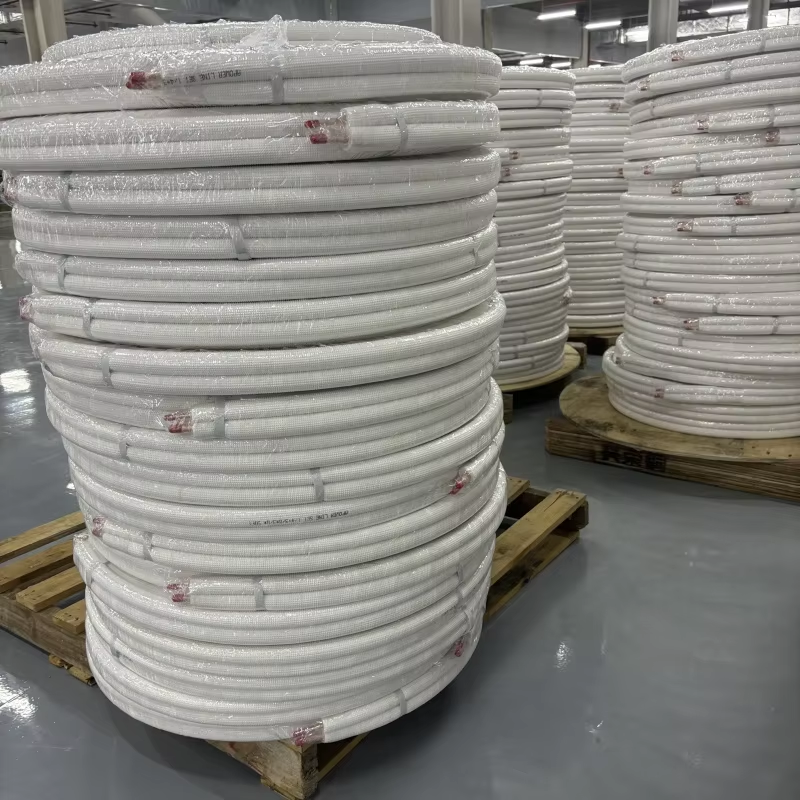
In today's competitive industrial landscape, businesses are constantly seeking ways to optimize equipment performance while maintaining cost-effectiveness. One often overlooked component that can significantly impact system efficiency is the choice of copper pair coils. These specialized coil configurations offer unique advantages for heating, ventilation, air conditioning, and refrigeration applications where space constraints and thermal efficiency are paramount concerns.

Understanding Copper Pair Coils in Modern Applications
What Makes Copper Pair Coils Unique
Copper pair coils represent an innovative approach to thermal transfer applications where two copper tubes are wound together in a parallel configuration. This design allows for simultaneous handling of different media streams, such as refrigerant lines in air conditioning systems or heating and cooling loops in specialized equipment. The paired configuration enables efficient heat exchange while minimizing space requirements and installation complexity.
The construction of copper pair coils involves precise manufacturing processes that ensure consistent wall thickness, proper spacing between tubes, and optimal coil geometry. These factors directly impact the coil's ability to maintain system pressures, facilitate heat transfer, and provide long-term reliability. The copper material itself offers excellent thermal conductivity, corrosion resistance, and mechanical strength properties essential for demanding industrial applications.
Manufacturing techniques for copper pair coils have evolved significantly, incorporating computer-controlled winding processes and quality assurance measures that guarantee dimensional accuracy. This precision manufacturing ensures that copper pair coils meet strict tolerance requirements and provide consistent performance across different operating conditions and environments.
Applications Across Industries
The versatility of copper pair coils makes them suitable for numerous industrial applications beyond traditional HVAC systems. In pharmaceutical manufacturing, these coils provide precise temperature control for process cooling and heating applications where contamination prevention is critical. The smooth copper surfaces and seamless construction minimize particle accumulation and facilitate thorough cleaning procedures.
Food processing facilities utilize copper pair coils in refrigeration systems, blast chillers, and temperature-controlled storage environments. The antimicrobial properties of copper, combined with the efficient heat transfer characteristics of the paired design, help maintain product quality while reducing energy consumption. These applications often require custom configurations to fit specific equipment layouts and performance requirements.
Chemical processing plants benefit from copper pair coils in heat recovery systems, reactor cooling applications, and process stream temperature regulation. The ability to handle multiple fluid streams simultaneously while maintaining separation reduces equipment complexity and installation costs. Copper pair coils in these environments must withstand aggressive chemical exposure while maintaining thermal efficiency and structural integrity.
Performance Advantages of Custom-Wound Configurations
Enhanced Heat Transfer Efficiency
Custom-wound copper pair coils offer superior heat transfer capabilities compared to standard single-tube configurations. The paired design creates increased surface area for thermal exchange while maintaining compact overall dimensions. This enhanced efficiency translates to reduced energy consumption, faster temperature response times, and improved system performance across varying load conditions.
The wound configuration allows for optimized coil geometry that maximizes contact time between the heat transfer medium and the copper surfaces. Custom winding patterns can accommodate specific thermal requirements, pressure drop limitations, and space constraints unique to individual applications. This flexibility enables engineers to achieve optimal performance parameters that might not be possible with standard coil designs.
Temperature uniformity is another significant advantage of properly designed copper pair coils. The parallel tube configuration helps eliminate hot spots and temperature variations that can occur in single-tube systems. This uniform temperature distribution is particularly important in applications requiring precise thermal control or where product quality depends on consistent processing conditions.
Space Optimization and Installation Benefits
Custom-wound copper pair coils provide exceptional space utilization efficiency, making them ideal for equipment with limited installation areas. The compact design allows system designers to achieve required thermal capacity within smaller footprints, reducing overall equipment size and installation costs. This space efficiency is particularly valuable in mobile applications, modular systems, and retrofit projects where space constraints are significant considerations.
Installation complexity is reduced when using copper pair coils because the integrated design eliminates the need for separate tube runs and multiple connection points. Fewer connections mean reduced potential leak points, simplified installation procedures, and lower labor costs. The wound configuration also provides inherent structural support, reducing the need for additional mounting hardware and support structures.
Maintenance accessibility is improved with properly designed copper pair coils because the compact configuration allows for easier access to surrounding equipment and components. The reduced number of connection points also simplifies routine maintenance procedures and reduces the likelihood of service-related issues. These factors contribute to lower total cost of ownership and improved system reliability over the equipment lifecycle.
Design Considerations for Optimal Performance
Material Selection and Quality Standards
The selection of appropriate copper grades and manufacturing standards is crucial for copper pair coils performance and longevity. Different copper alloys offer varying characteristics in terms of thermal conductivity, corrosion resistance, and mechanical properties. Applications involving aggressive chemicals or extreme temperatures may require specialized copper alloys or protective coatings to ensure long-term reliability.
Quality standards for copper pair coils manufacturing must address dimensional tolerances, surface finish requirements, and pressure testing protocols. These standards ensure that the coils will perform reliably under specified operating conditions and maintain their thermal efficiency throughout their service life. Compliance with industry standards such as ASTM, ASME, or international equivalents provides assurance of quality and performance consistency.
Wall thickness selection impacts both thermal performance and structural integrity of copper pair coils. Thinner walls provide better heat transfer characteristics but may have limitations in high-pressure applications. The optimization of wall thickness requires careful consideration of operating pressures, thermal cycling effects, and safety factors appropriate for the specific application requirements.
Custom Configuration Parameters
Coil diameter, pitch, and overall geometry significantly influence the performance characteristics of copper pair coils. Larger diameters provide increased internal volume and reduced pressure drop but require more space and material. Tighter coil pitch increases heat transfer surface area but may increase pressure drop and manufacturing complexity. The optimization of these parameters requires careful analysis of the specific application requirements and performance objectives.
The spacing between paired tubes affects both thermal performance and manufacturing feasibility. Closer spacing can improve heat transfer between the tubes but may complicate manufacturing and maintenance procedures. The optimal spacing depends on the specific application requirements, including the need for thermal interaction between the paired tubes and accessibility for cleaning or inspection procedures.
Connection configurations for copper pair coils must accommodate the specific piping requirements and installation constraints of each application. Standard connection options include threaded fittings, brazed connections, and flanged interfaces. The selection of appropriate connection methods impacts installation time, maintenance requirements, and system reliability over the operational life of the equipment.
Economic Benefits and Return on Investment
Energy Efficiency Improvements
The enhanced thermal efficiency of copper pair coils translates directly to reduced energy consumption in heating and cooling applications. Improved heat transfer characteristics mean that systems can achieve desired temperatures more quickly and maintain them with less energy input. These efficiency gains compound over time, resulting in significant operational cost savings throughout the equipment lifecycle.
Reduced cycling frequency is another energy-related benefit of efficient copper pair coils. Systems that can maintain target temperatures more effectively experience less frequent start-stop cycles, reducing wear on mechanical components and decreasing peak power demand. This operational characteristic can lead to reduced utility demand charges and extended equipment life, contributing to improved overall economics.
Energy efficiency improvements from copper pair coils become more significant in applications with continuous operation or high thermal loads. Industries such as data centers, pharmaceutical manufacturing, and food processing can realize substantial energy cost reductions when upgrading to more efficient coil configurations. The return on investment for these applications often justifies the initial cost premium for custom-designed copper pair coils.
Maintenance and Lifecycle Cost Benefits
The robust construction and simplified design of copper pair coils contribute to reduced maintenance requirements and extended service life. Fewer connection points mean fewer potential leak locations and reduced inspection and maintenance time. The inherent corrosion resistance of copper materials minimizes the need for frequent replacements or repairs in most operating environments.
Improved reliability characteristics of properly designed copper pair coils reduce unplanned downtime and associated production losses. The enhanced structural integrity and thermal performance consistency help prevent system failures and performance degradation that can disrupt operations. These reliability benefits are particularly valuable in critical applications where downtime costs are substantial.
Total cost of ownership calculations for copper pair coils should include initial equipment costs, installation expenses, energy consumption, maintenance requirements, and expected service life. When these factors are properly evaluated, copper pair coils often demonstrate superior economic performance compared to alternative heat transfer solutions, particularly in applications with demanding performance requirements or space constraints.
Implementation and Installation Best Practices
System Integration Considerations
Successful implementation of copper pair coils requires careful consideration of system integration requirements and compatibility with existing equipment. Proper sizing calculations must account for the specific thermal loads, fluid properties, and operating conditions of the target application. Oversized or undersized coils can result in poor performance, inefficient operation, or premature failure.
Piping design and layout must accommodate the specific connection requirements and physical dimensions of copper pair coils. Proper support and mounting provisions are essential to prevent stress concentration and maintain coil geometry under operating conditions. Expansion joints or flexible connections may be required to accommodate thermal expansion and system vibration.
Control system integration is crucial for optimal performance of copper pair coils in automated systems. Temperature sensors, flow controls, and pressure monitoring equipment must be properly located and calibrated to ensure accurate system operation. The control strategy should account for the thermal response characteristics and operating limitations of the coil configuration.
Quality Assurance and Testing Procedures
Comprehensive testing procedures are essential to verify the performance and reliability of custom copper pair coils before installation. Pressure testing at levels exceeding normal operating pressures helps identify potential weaknesses and ensures structural integrity. Thermal performance testing under controlled conditions validates heat transfer calculations and confirms design specifications.
Visual inspection procedures should verify dimensional accuracy, surface quality, and connection integrity of copper pair coils. Any defects or deviations from specifications should be addressed before installation to prevent performance issues or reliability problems. Documentation of inspection results provides valuable reference information for future maintenance and troubleshooting activities.
Installation verification procedures should confirm proper mounting, connection integrity, and initial system operation of copper pair coils. Leak testing, thermal performance verification, and control system calibration are essential steps to ensure optimal system performance from startup. Proper commissioning procedures help identify and resolve any installation-related issues before full-scale operation begins.
FAQ
How do copper pair coils compare to single-tube configurations in terms of efficiency
Copper pair coils typically offer 15-25% better heat transfer efficiency compared to equivalent single-tube configurations due to increased surface area and optimized geometry. The paired design allows for better thermal distribution and reduces hot spots that can occur in single-tube systems. This improved efficiency translates to reduced energy consumption and faster temperature response times in most applications.
What maintenance requirements are associated with copper pair coils
Copper pair coils generally require less maintenance than comparable multi-component systems due to fewer connection points and robust construction. Regular inspection of connections, periodic cleaning of external surfaces, and monitoring of system pressures are the primary maintenance activities. The corrosion-resistant properties of copper minimize the need for frequent repairs or replacements in most operating environments.
Can existing systems be retrofitted with custom copper pair coils
Many existing systems can be successfully retrofitted with custom copper pair coils, provided there is adequate space and compatible connection interfaces. Retrofit applications often require careful analysis of existing piping, support structures, and control systems to ensure proper integration. Custom designs can often accommodate space constraints and connection requirements that might not be suitable for standard coil configurations.
What factors determine the optimal configuration for copper pair coils
Optimal copper pair coils configuration depends on thermal load requirements, available space, operating pressures and temperatures, fluid properties, and cost constraints. The specific application environment, including chemical compatibility and accessibility requirements, also influences design parameters. Working with experienced engineers and manufacturers helps ensure that the final configuration meets all performance and operational requirements while providing good economic value.