
 EN
EN



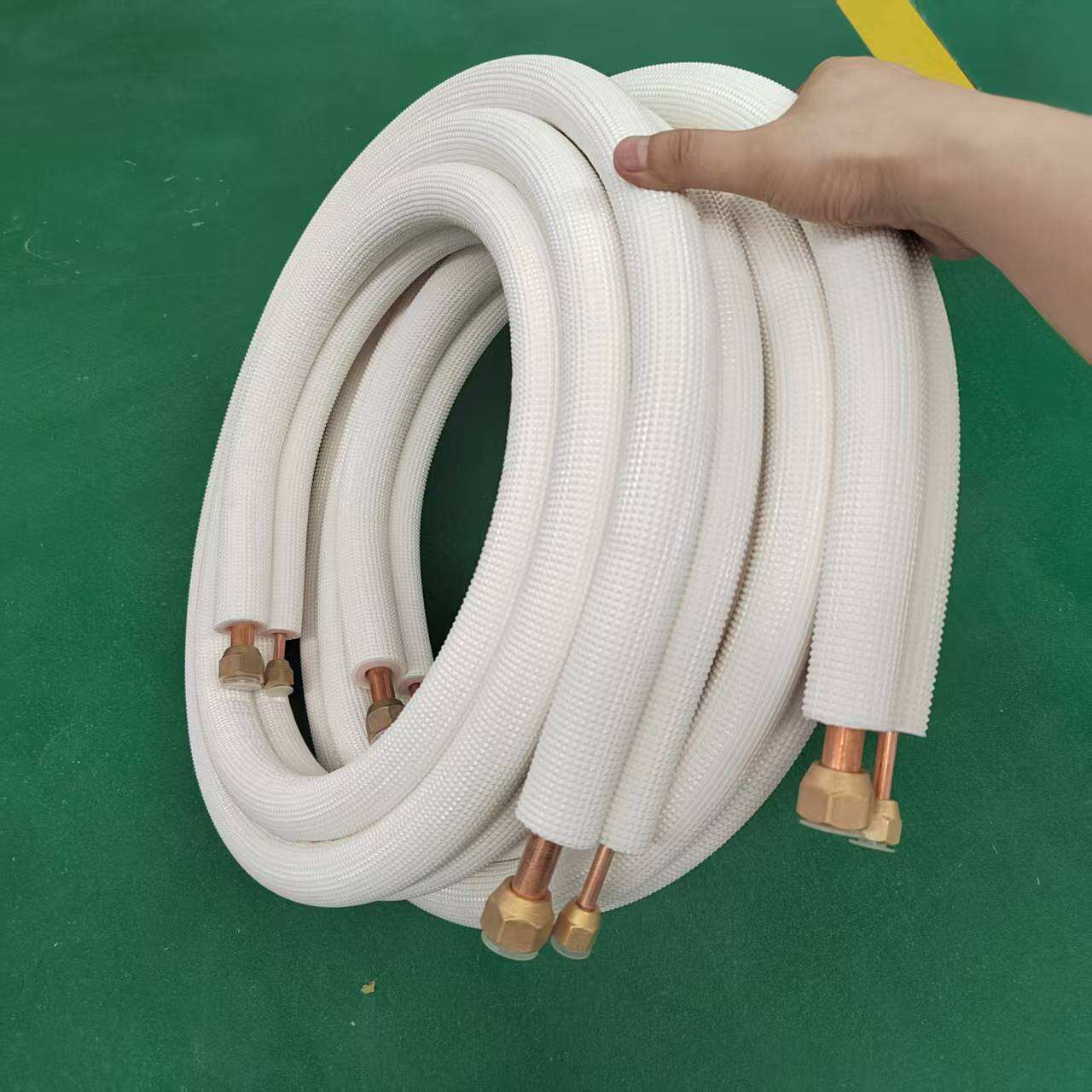
Modern HVAC systems rely heavily on efficient heat transfer mechanisms to deliver optimal performance while minimizing energy consumption. Among the critical components that facilitate this process, copper pair coils stand out as essential elements that significantly impact system efficiency. These specialized copper configurations are engineered to maximize thermal conductivity while ensuring reliable refrigerant flow throughout heating and cooling applications. The strategic implementation of copper pair coils in HVAC installations has revolutionized how commercial and residential systems manage temperature control, offering superior performance compared to alternative materials and configurations.
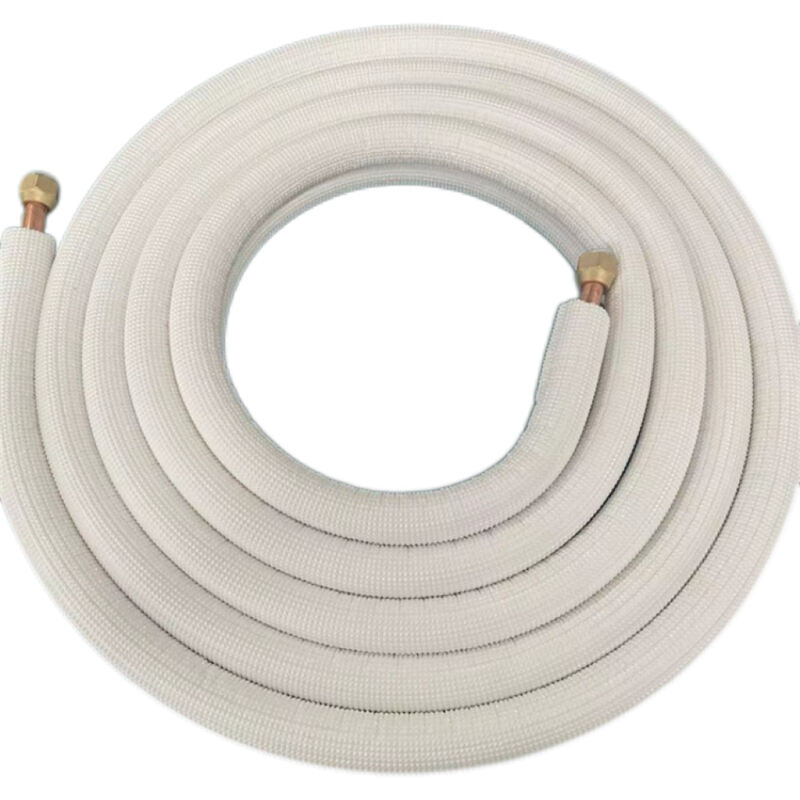
Understanding the Fundamental Properties of Copper Pair Coils
Thermal Conductivity Advantages in HVAC Applications
Copper possesses exceptional thermal conductivity properties that make it the preferred material for heat exchange applications in HVAC systems. The inherent molecular structure of copper allows for rapid heat transfer, enabling copper pair coils to efficiently move thermal energy between different system components. This superior conductivity translates directly into improved system performance, as less energy is required to achieve desired temperature differentials. Additionally, the consistent thermal properties of copper ensure reliable performance across varying environmental conditions, making it an ideal choice for both indoor and outdoor HVAC installations.
The thermal efficiency of copper pair coils becomes particularly evident when compared to alternative materials such as aluminum or steel. While these alternatives may offer cost advantages, they cannot match the heat transfer capabilities that copper provides. This enhanced thermal performance allows HVAC systems to reach target temperatures more quickly, reducing operational cycles and extending equipment lifespan. The result is a more efficient system that delivers consistent comfort while consuming less energy over its operational lifetime.
Corrosion Resistance and Durability Factors
The longevity of HVAC systems depends significantly on the durability of their components, and copper pair coils excel in this regard due to their natural corrosion resistance. Copper develops a protective patina layer when exposed to environmental elements, which actually enhances its resistance to further corrosion. This self-protecting characteristic ensures that copper pair coils maintain their structural integrity and thermal performance over extended periods, even in challenging environmental conditions where moisture and temperature fluctuations are common.
Furthermore, the antimicrobial properties of copper contribute to improved indoor air quality by reducing bacterial and fungal growth within the system. This biological resistance helps maintain clean airflow while reducing maintenance requirements associated with microbial contamination. The combination of corrosion resistance and antimicrobial properties makes copper pair coils an investment in long-term system reliability and performance.
Design Configuration and Installation Benefits
Paired Configuration Advantages for Refrigerant Flow
The paired configuration of copper coils offers distinct advantages in refrigerant distribution and system balance. This design allows for simultaneous handling of liquid and vapor refrigerant lines, ensuring optimal phase separation and flow characteristics throughout the system. The paired arrangement facilitates proper refrigerant velocity maintenance, which is crucial for efficient heat transfer and system performance. By keeping the supply and return lines in close proximity, copper pair coils help maintain consistent refrigerant temperatures and reduce thermal losses during transport.
The geometric design of copper pair coils also contributes to improved system efficiency by minimizing refrigerant line lengths and reducing pressure drops. Shorter refrigerant lines mean less energy is required to circulate coolant throughout the system, while reduced pressure drops allow compressors to operate more efficiently. This configuration particularly benefits split-system installations where refrigerant must travel between indoor and outdoor units, as the paired design optimizes the connection while maintaining thermal efficiency.
Installation Flexibility and System Integration
Modern HVAC installations often require flexible solutions that can adapt to various architectural constraints and system requirements. Copper pair coils provide this flexibility through their malleable properties, allowing installers to route refrigerant lines around obstacles while maintaining proper pitch and support. The bendable nature of copper enables custom configurations that might be impossible with rigid piping materials, making it possible to achieve optimal system layouts even in challenging installation environments.
The compatibility of copper pair coils with various joining methods, including brazing, compression fittings, and press-fit connections, further enhances installation flexibility. This versatility allows contractors to select the most appropriate connection method based on specific project requirements, available tools, and local codes. The ability to use different connection techniques ensures that copper pair coils can be effectively integrated into both new construction and retrofit applications.
Energy Efficiency and Performance Optimization
Heat Transfer Enhancement Mechanisms
The efficiency of heat exchange in HVAC systems using copper pair coils stems from several interconnected mechanisms that work together to optimize thermal transfer. The high thermal conductivity of copper allows rapid heat absorption and dissipation, enabling the refrigerant to change phases more efficiently within the evaporator and condenser coils. This enhanced phase change process is fundamental to the refrigeration cycle, as it directly impacts the system's ability to remove heat from conditioned spaces and reject it to the environment.
Surface area optimization plays a crucial role in maximizing heat transfer efficiency with copper pair coils. The smooth interior surfaces of quality copper tubing minimize friction losses while promoting turbulent flow patterns that enhance heat transfer coefficients. Additionally, the exterior surface treatments often applied to copper coils, such as enhanced fin configurations or specialized coatings, further increase the effective heat transfer area and improve overall system efficiency.
System Performance Metrics and Efficiency Gains
Quantifying the performance benefits of copper pair coils involves examining several key efficiency metrics that directly impact HVAC system operation. Coefficient of Performance (COP) measurements consistently show improvements when copper pair coils are properly implemented, as the enhanced heat transfer capabilities allow systems to achieve desired thermal outputs with reduced energy input. These efficiency gains translate into lower operating costs and reduced environmental impact over the system's operational lifetime.
Energy consumption analysis reveals that HVAC systems utilizing copper pair coils typically demonstrate 10-15% improvements in efficiency compared to systems using alternative materials or configurations. This enhanced efficiency results from the combination of superior thermal conductivity, optimized refrigerant flow characteristics, and reduced system pressure losses. The cumulative effect of these improvements becomes particularly significant in large commercial installations where even modest efficiency gains can result in substantial energy savings and operational cost reductions.
Maintenance and Operational Considerations
Preventive Maintenance Requirements
Proper maintenance of copper pair coils is essential for sustaining optimal HVAC system performance and extending equipment lifespan. Regular inspection procedures should focus on identifying signs of physical damage, corrosion, or refrigerant leaks that could compromise system efficiency. Visual inspections of copper pair coils should examine joint integrity, support bracket condition, and insulation continuity to ensure the system maintains its designed performance characteristics. These routine checks help identify potential issues before they escalate into costly repairs or system failures.
Cleaning protocols for copper pair coils require careful consideration of the materials and methods used to avoid damage to the copper surfaces. Appropriate cleaning agents and techniques help remove accumulated debris, scale, or biological growth that could impair heat transfer efficiency. Regular maintenance of copper pair coils not only preserves their thermal performance but also contributes to improved indoor air quality by preventing the circulation of contaminants through the HVAC system.
Troubleshooting Common Performance Issues
When HVAC systems with copper pair coils experience performance degradation, systematic troubleshooting approaches help identify and resolve underlying issues efficiently. Common problems include refrigerant leaks, improper refrigerant charge levels, and airflow restrictions that can significantly impact system efficiency. Understanding the relationship between these issues and copper pair coil performance enables technicians to diagnose problems accurately and implement appropriate corrective measures.
Performance monitoring techniques for copper pair coils involve measuring temperature differentials, pressure readings, and refrigerant flow rates to assess system operation. These diagnostic procedures help determine whether efficiency losses stem from coil-related issues or other system components. Proper troubleshooting of copper pair coils requires understanding their role within the broader HVAC system and how their performance impacts overall system efficiency and reliability.
Economic and Environmental Impact Analysis
Cost-Benefit Evaluation of Copper Pair Coil Implementation
The initial investment in copper pair coils represents a significant portion of HVAC system costs, but the long-term economic benefits often justify this expenditure through reduced operating expenses and extended equipment life. Life-cycle cost analysis demonstrates that the superior efficiency and durability of copper pair coils typically result in positive return on investment within the first few years of operation. These economic advantages become more pronounced in applications with high operating hours or extreme environmental conditions where the performance benefits of copper are most evident.
Energy savings calculations for systems utilizing copper pair coils show measurable reductions in electricity consumption compared to alternative configurations. These savings compound over time, particularly in commercial applications where HVAC systems operate continuously or for extended periods. The economic impact extends beyond direct energy savings to include reduced maintenance costs, fewer service calls, and extended equipment replacement cycles that contribute to overall operational efficiency.
Environmental Sustainability and Recycling Benefits
The environmental advantages of copper pair coils extend beyond their operational efficiency improvements to encompass their entire lifecycle impact. Copper is a fully recyclable material that retains its properties through multiple recycling cycles, making it an environmentally responsible choice for HVAC applications. At the end of their service life, copper pair coils can be completely recycled without quality degradation, reducing waste and conserving natural resources. This recyclability contributes to the circular economy principles that are increasingly important in sustainable building design.
The reduced energy consumption associated with efficient copper pair coils translates directly into lower carbon emissions and reduced environmental impact from HVAC system operation. Over the operational lifetime of a typical HVAC system, the efficiency improvements provided by copper pair coils can prevent significant quantities of greenhouse gas emissions compared to less efficient alternatives. This environmental benefit aligns with growing regulatory requirements and sustainability goals in both commercial and residential building sectors.
FAQ
What makes copper pair coils more efficient than single coil configurations in HVAC systems
Copper pair coils offer superior efficiency through their ability to handle both liquid and vapor refrigerant lines simultaneously while maintaining optimal thermal contact between the phases. This configuration reduces heat loss during refrigerant transport and ensures more consistent temperature control throughout the system. The paired design also allows for better refrigerant flow balance and reduced pressure drops, which contribute to overall system efficiency improvements compared to single coil arrangements.
How do copper pair coils impact the overall energy consumption of HVAC systems
Systems utilizing copper pair coils typically demonstrate 10-15% reductions in energy consumption compared to alternative materials or configurations. This improvement results from copper's superior thermal conductivity, which enables more efficient heat transfer and reduces the workload on compressors and other system components. The enhanced efficiency translates into lower electricity bills and reduced environmental impact over the system's operational lifetime.
What maintenance considerations are specific to copper pair coils in HVAC applications
Maintenance of copper pair coils focuses primarily on preventing physical damage, ensuring proper insulation continuity, and maintaining clean surfaces for optimal heat transfer. Regular inspections should check for signs of corrosion, refrigerant leaks, or mechanical damage that could compromise performance. Proper cleaning techniques using appropriate agents help maintain thermal efficiency while preserving the copper surface integrity.
How do environmental conditions affect the performance of copper pair coils
Copper pair coils demonstrate excellent performance stability across various environmental conditions due to copper's natural corrosion resistance and thermal properties. Extreme temperature fluctuations, high humidity, and corrosive atmospheres have minimal impact on properly installed copper pair coils. The material's ability to develop a protective patina layer actually enhances its resistance to environmental degradation, ensuring consistent performance throughout the system's operational lifetime.
Table of Contents
- Understanding the Fundamental Properties of Copper Pair Coils
- Design Configuration and Installation Benefits
- Energy Efficiency and Performance Optimization
- Maintenance and Operational Considerations
- Economic and Environmental Impact Analysis
-
FAQ
- What makes copper pair coils more efficient than single coil configurations in HVAC systems
- How do copper pair coils impact the overall energy consumption of HVAC systems
- What maintenance considerations are specific to copper pair coils in HVAC applications
- How do environmental conditions affect the performance of copper pair coils