
 EN
EN


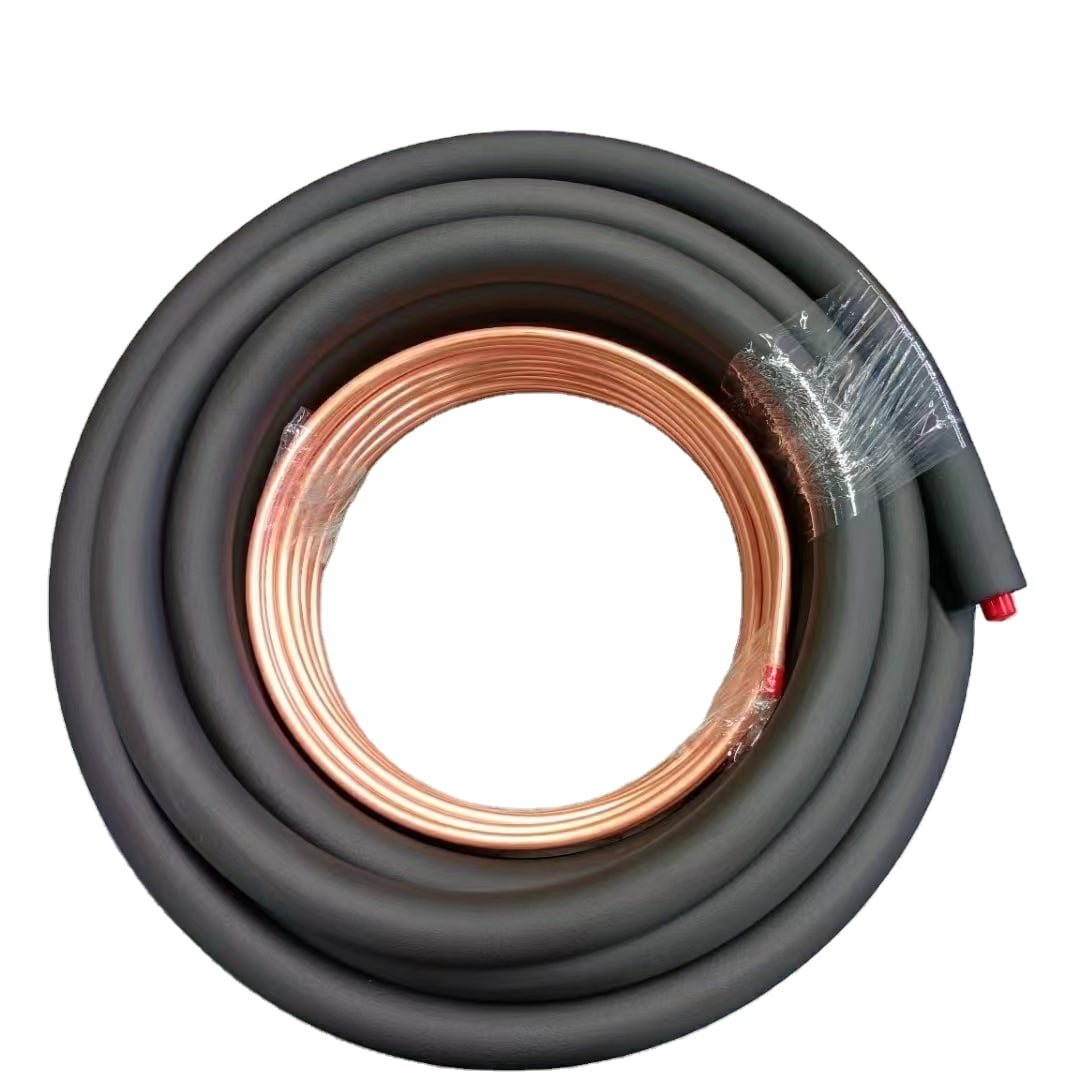
The selection of appropriate materials for air conditioning systems significantly impacts overall performance, energy efficiency, and longevity. When choosing an ac pipe for your HVAC installation, understanding the characteristics and benefits of different materials becomes crucial for optimal system operation. Modern air conditioning systems rely heavily on the quality and properties of their piping components, which serve as the circulatory system for refrigerants that enable cooling and heating processes. The material composition of these pipes directly influences thermal conductivity, pressure resistance, corrosion protection, and maintenance requirements throughout the system's operational lifetime.

Understanding Copper Piping in AC Systems
Thermal Conductivity and Heat Transfer Properties
Copper remains the gold standard for ac pipe applications due to its exceptional thermal conductivity properties. This material efficiently transfers heat between the refrigerant and surrounding environment, enabling faster temperature changes and improved system responsiveness. The superior heat transfer characteristics of copper allow HVAC systems to achieve desired temperatures more quickly while consuming less energy during operation. Professional installers often prefer copper piping because it maintains consistent performance across varying temperature ranges and operating conditions.
The molecular structure of copper facilitates rapid thermal exchange, making it particularly effective in high-demand cooling applications. Commercial and industrial HVAC systems benefit significantly from copper's ability to handle extreme temperature differentials without compromising structural integrity. Additionally, copper's thermal properties remain stable over extended periods, ensuring consistent performance throughout the system's operational life. This reliability translates to predictable cooling capacity and energy consumption patterns for facility managers and building operators.
Corrosion Resistance and Durability Factors
Copper naturally develops a protective patina layer when exposed to atmospheric conditions, providing inherent corrosion resistance that extends system lifespan. This self-protecting characteristic makes copper ac pipe installations particularly suitable for coastal environments and areas with high humidity levels. The antimicrobial properties of copper also prevent bacterial growth and biofilm formation within the piping system, maintaining cleaner refrigerant lines and reducing maintenance requirements over time.
Long-term durability testing demonstrates that copper piping can withstand decades of continuous operation without significant degradation in performance. The material's resistance to stress corrosion cracking and pitting ensures reliable service even under challenging environmental conditions. Professional HVAC contractors often recommend copper for critical applications where system reliability cannot be compromised, such as hospitals, data centers, and manufacturing facilities requiring consistent climate control.
Aluminum Piping Applications and Benefits
Weight Reduction and Installation Advantages
Aluminum offers significant weight advantages over traditional copper ac pipe materials, reducing structural load requirements and simplifying installation procedures. The lighter weight characteristics of aluminum piping enable faster installation times and reduced labor costs for large-scale HVAC projects. Building structures require less reinforcement when supporting aluminum piping systems, particularly in multi-story commercial applications where cumulative weight becomes a critical design factor.
Installation teams appreciate aluminum's malleability, which allows for easier routing around obstacles and through confined spaces. The material's flexibility reduces the need for additional fittings and joints, minimizing potential leak points and improving overall system reliability. Aluminum ac pipe systems can be prefabricated off-site and transported more efficiently due to reduced weight, enabling faster project completion times and reduced on-site labor requirements.
Cost Effectiveness and Economic Considerations
Economic analysis often favors aluminum piping for budget-conscious HVAC installations where initial cost considerations outweigh long-term performance factors. The lower material costs of aluminum compared to copper can result in significant savings for large commercial projects, allowing budget allocation toward other system components or building features. However, total cost of ownership calculations must consider maintenance requirements, replacement intervals, and energy efficiency impacts over the system's operational lifetime.
Aluminum's recyclability adds environmental and economic value, particularly for projects pursuing green building certifications or sustainability goals. The material can be recycled multiple times without degrading its fundamental properties, creating potential residual value at the end of the system's service life. This recyclability factor increasingly influences procurement decisions for environmentally conscious organizations and government projects with sustainability mandates.
Stainless Steel Performance Characteristics
Chemical Resistance and Environmental Adaptability
Stainless steel ac pipe installations demonstrate exceptional resistance to chemical corrosion and environmental degradation, making them ideal for harsh industrial environments. The chromium content in stainless steel creates a passive oxide layer that continuously regenerates, providing permanent protection against rust and corrosion. This self-healing characteristic ensures consistent performance even when exposed to aggressive chemicals, salt spray, or extreme weather conditions.
Manufacturing facilities, chemical processing plants, and marine installations often specify stainless steel piping due to its ability to withstand corrosive atmospheres that would rapidly degrade other materials. The material's inert properties prevent contamination of refrigerant lines, maintaining system purity and preventing premature component failure. Stainless steel's chemical stability also eliminates concerns about material interaction with modern refrigerants and lubricants used in contemporary HVAC systems.
Pressure Rating and Structural Integrity
High-pressure HVAC applications benefit from stainless steel's superior strength characteristics and pressure rating capabilities. The material maintains structural integrity under extreme pressure differentials, making it suitable for industrial refrigeration systems and specialized cooling applications. Stainless steel ac pipe installations can handle higher working pressures than aluminum or plastic alternatives, enabling system designs that operate at elevated pressures for improved efficiency.
The material's resistance to stress cracking and fatigue failure ensures reliable operation under cycling pressure conditions common in HVAC systems. Temperature fluctuations and pressure variations that occur during normal system operation do not compromise stainless steel's structural properties. This reliability factor makes stainless steel particularly valuable for critical applications where system failure could result in significant operational disruption or safety concerns.
Plastic and Composite Material Innovations
Modern Polymer Technologies
Advanced polymer formulations have revolutionized ac pipe design by offering lightweight alternatives with improved chemical resistance and thermal properties. Modern plastic piping systems incorporate specialized additives that enhance UV resistance, temperature stability, and mechanical strength while maintaining cost advantages over metallic alternatives. These materials enable innovative installation techniques and design approaches that were previously impractical with traditional piping materials.
Cross-linked polyethylene and polypropylene formulations demonstrate excellent compatibility with modern refrigerants while providing superior flexibility for complex routing requirements. The non-conductive properties of plastic piping eliminate galvanic corrosion concerns that can occur when dissimilar metals are present in the same system. Additionally, plastic materials do not support bacterial growth, maintaining cleaner internal surfaces and reducing maintenance requirements over the system's operational life.
Insulation Integration and Energy Efficiency
Factory-applied insulation systems integrated with plastic ac pipe components provide superior thermal protection compared to field-applied insulation on metallic piping. This integration eliminates thermal bridging effects and ensures consistent insulation coverage throughout the piping system. The combination of plastic piping with integrated insulation reduces heat gain and loss, improving overall system efficiency and reducing operating costs.
Vapor barrier properties of modern plastic piping systems prevent moisture infiltration that can compromise insulation effectiveness and lead to corrosion in mixed-material installations. The seamless construction of insulated plastic piping eliminates joints and gaps where thermal bridging typically occurs. This comprehensive approach to thermal protection results in measurable improvements in system efficiency and reduced energy consumption compared to traditional piping installations with separately applied insulation.
Performance Comparison and Selection Criteria
Thermal Efficiency Analysis
Comparative testing of different ac pipe materials reveals significant variations in thermal transfer efficiency and energy consumption patterns. Copper consistently demonstrates the highest thermal conductivity, enabling rapid temperature response and efficient heat exchange between refrigerant and ambient conditions. However, this same property can result in increased heat gain or loss if inadequate insulation is applied, potentially negating the thermal advantages in certain applications.
Aluminum provides moderate thermal conductivity while offering weight and cost advantages that may offset slightly reduced thermal performance in specific applications. The thermal properties of aluminum remain stable across typical HVAC operating temperature ranges, ensuring predictable performance characteristics throughout the system's operational cycle. Energy efficiency calculations must consider both material properties and insulation requirements to determine optimal solutions for specific installations.
Maintenance and Lifecycle Considerations
Long-term maintenance requirements vary significantly among different ac pipe materials, influencing total cost of ownership and operational planning decisions. Copper piping typically requires minimal maintenance but may need periodic inspection for stress corrosion cracking in aggressive environments. The material's natural antibacterial properties reduce cleaning requirements and maintain system hygiene with minimal intervention.
Plastic and composite materials generally require less maintenance than metallic alternatives due to their corrosion resistance and chemical inertness. However, UV exposure and temperature cycling can affect plastic piping performance over time, requiring appropriate protection measures during installation. Regular inspection schedules should account for material-specific degradation mechanisms to ensure optimal system performance throughout the design life. The ac pipe selection process must balance initial costs against long-term maintenance requirements and replacement intervals.
Installation Considerations and Best Practices
Joint Design and Connection Methods
Proper joint design and connection techniques significantly impact the performance and reliability of ac pipe installations regardless of material selection. Brazed connections for copper piping provide excellent strength and leak resistance but require skilled technicians and proper equipment for quality results. Silver brazing alloys create strong, corrosion-resistant joints that maintain integrity under temperature cycling and pressure variations common in HVAC applications.
Mechanical connections offer alternatives for aluminum and plastic piping systems, enabling field assembly without specialized welding or brazing equipment. Compression fittings and push-to-connect systems provide reliable sealing while allowing for easier maintenance and system modifications. The selection of appropriate connection methods must consider operating pressures, temperature ranges, and accessibility requirements for future service activities.
Thermal Expansion Management
Different ac pipe materials exhibit varying coefficients of thermal expansion, requiring specific design considerations to prevent stress concentrations and joint failure. Copper piping systems require expansion loops or flexible connections to accommodate dimensional changes during temperature cycling. Proper support spacing and expansion joint placement prevent stress buildup that could lead to premature failure or reduced system performance.
Plastic piping systems typically demonstrate higher thermal expansion rates, requiring more frequent support points and additional expansion accommodation compared to metallic alternatives. The design must account for both linear expansion and potential sagging under temperature-related dimensional changes. Strategic placement of expansion joints and support brackets ensures system integrity while preventing binding or stress concentration at connection points.
Environmental Impact and Sustainability
Material Lifecycle Assessment
Environmental impact analysis of different ac pipe materials reveals significant variations in carbon footprint, recyclability, and resource consumption throughout the product lifecycle. Copper mining and refining processes require substantial energy inputs but produce highly recyclable materials that retain value through multiple use cycles. The durability and longevity of copper installations can offset initial environmental costs through extended service life and reduced replacement frequency.
Aluminum production involves energy-intensive processes but creates lightweight materials that reduce transportation impacts and installation energy requirements. The material's complete recyclability at end of life provides environmental benefits that improve the overall lifecycle assessment. Modern aluminum recycling processes require significantly less energy than primary production, making recycled content increasingly attractive for sustainable building projects.
Energy Efficiency Impact on Building Performance
The thermal performance characteristics of ac pipe materials directly influence building energy consumption and environmental impact over the system's operational lifetime. Superior thermal conductivity materials enable more efficient heat transfer but may require additional insulation to prevent unwanted heat gain or loss. The balance between material properties and insulation requirements affects both initial installation costs and long-term energy consumption patterns.
Building certification programs increasingly recognize the importance of HVAC piping material selection in achieving overall energy performance targets. Materials that enable more efficient system operation contribute to reduced carbon emissions and utility costs throughout the building's operational life. Sustainable design strategies must consider both embodied energy in materials and operational efficiency impacts when selecting optimal ac pipe solutions for green building projects.
FAQ
What factors should be considered when choosing between copper and aluminum ac pipe materials
The choice between copper and aluminum ac pipe depends on several critical factors including budget constraints, installation environment, performance requirements, and long-term maintenance considerations. Copper offers superior thermal conductivity and corrosion resistance but comes with higher material costs and weight considerations. Aluminum provides cost advantages and easier installation but may require more frequent maintenance in certain environments. Consider the specific application requirements, local climate conditions, and total cost of ownership when making material selections for optimal system performance.
How does material selection affect HVAC system energy efficiency
Material selection significantly impacts HVAC energy efficiency through thermal conductivity properties, insulation requirements, and system responsiveness characteristics. High thermal conductivity materials like copper enable faster heat transfer and more responsive temperature control, potentially reducing energy consumption during operation. However, the same properties may increase parasitic heat gain or loss if inadequate insulation is applied. The optimal material choice balances thermal performance with insulation requirements and installation constraints to achieve maximum energy efficiency for specific applications.
What maintenance requirements differ between various ac pipe materials
Maintenance requirements vary significantly among different ac pipe materials based on their corrosion resistance, chemical compatibility, and environmental stability. Copper piping requires periodic inspection for stress corrosion cracking and joint integrity but benefits from natural antimicrobial properties that reduce cleaning needs. Aluminum systems may need more frequent inspection in corrosive environments and require compatible materials to prevent galvanic corrosion. Plastic and composite materials generally need minimal maintenance but should be protected from UV exposure and monitored for temperature-related degradation to ensure continued performance.
How do environmental conditions influence ac pipe material performance
Environmental conditions including temperature extremes, humidity levels, chemical exposure, and atmospheric contaminants significantly influence ac pipe material performance and longevity. Coastal environments with salt spray require materials with superior corrosion resistance like stainless steel or properly protected copper systems. Industrial environments with chemical exposure may necessitate specialized materials or protective coatings to prevent degradation. Temperature cycling and UV exposure can affect plastic materials, while galvanic corrosion becomes a concern when dissimilar metals are present in aggressive environments. Material selection must account for specific environmental challenges to ensure reliable long-term performance.
Table of Contents
- Understanding Copper Piping in AC Systems
- Aluminum Piping Applications and Benefits
- Stainless Steel Performance Characteristics
- Plastic and Composite Material Innovations
- Performance Comparison and Selection Criteria
- Installation Considerations and Best Practices
- Environmental Impact and Sustainability
-
FAQ
- What factors should be considered when choosing between copper and aluminum ac pipe materials
- How does material selection affect HVAC system energy efficiency
- What maintenance requirements differ between various ac pipe materials
- How do environmental conditions influence ac pipe material performance