
 EN
EN



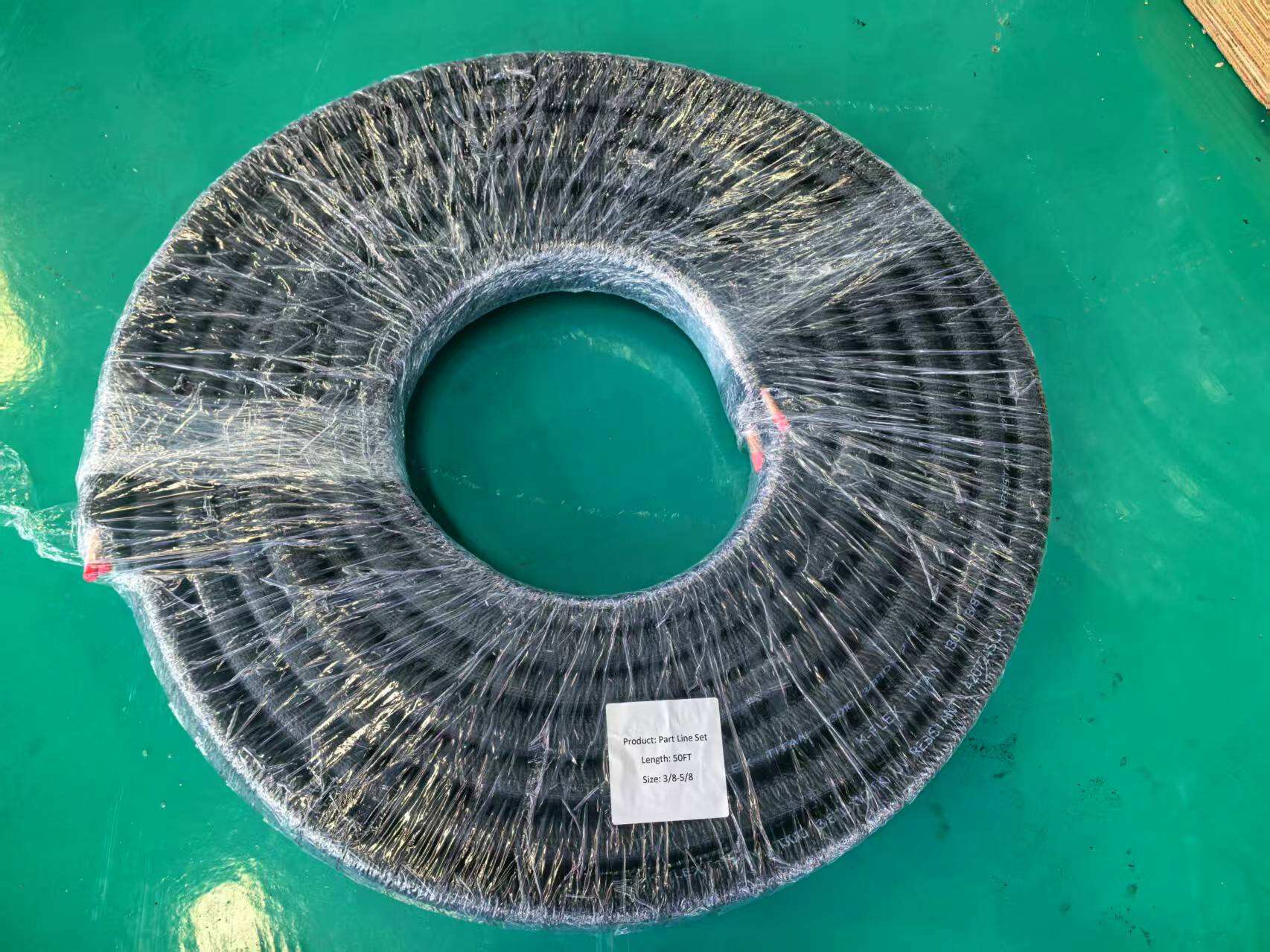
Selecting the appropriate AC pipe for your cooling system is a critical decision that directly impacts energy efficiency, system longevity, and overall performance. The right piping ensures optimal refrigerant flow, minimizes energy losses, and prevents costly breakdowns that can disrupt your comfort and productivity. Understanding the various factors involved in AC pipe selection will help you make an informed choice that serves your system for years to come.
Understanding AC Pipe Materials and Their Properties
Copper Pipes in Air Conditioning Systems
Copper remains the gold standard for AC pipe applications due to its exceptional thermal conductivity and corrosion resistance. This material efficiently transfers heat and cold, making it ideal for refrigerant lines in both residential and commercial cooling systems. Copper pipes offer excellent durability, often lasting decades without significant degradation when properly installed and maintained.
The antimicrobial properties of copper also help prevent bacterial growth within the system, contributing to better indoor air quality. However, copper pipes require skilled installation techniques, particularly when joining sections, as improper brazing can lead to leaks and system failures. The initial cost may be higher than alternative materials, but the long-term reliability and performance justify the investment.
Alternative Piping Materials for Modern Systems
Aluminum pipes have gained popularity in specific applications due to their lightweight nature and cost-effectiveness. These pipes work well in systems where weight reduction is crucial, such as rooftop installations or mobile cooling units. However, aluminum requires careful handling during installation to prevent damage from over-tightening or thermal expansion issues.
Stainless steel pipes offer superior corrosion resistance in harsh environments, making them suitable for coastal areas or industrial applications where salt air or chemical exposure is a concern. While more expensive than copper, stainless steel pipes provide exceptional longevity in challenging conditions where standard materials might fail prematurely.
Sizing Considerations for Optimal Performance
Determining Proper Pipe Diameter
The diameter of your AC pipe directly affects refrigerant flow rates and system pressure drops. Undersized pipes create excessive pressure drops, forcing the compressor to work harder and reducing overall system efficiency. This increased workload leads to higher energy consumption and premature component wear, ultimately shortening the system's lifespan.
Oversized pipes, while less problematic than undersized ones, can lead to oil return issues and increased material costs. The key is finding the optimal balance that ensures adequate refrigerant flow while maintaining proper oil circulation throughout the system. Professional load calculations and manufacturer specifications should guide your sizing decisions.
Line length also influences sizing requirements, as longer runs require larger diameters to compensate for additional pressure losses. Systems with extensive piping networks may need stepped sizing, using larger diameters for main runs and smaller sizes for individual zone connections.
Pressure Rating and Wall Thickness
Different AC pipe applications require varying pressure ratings depending on their position within the system. High-pressure liquid lines need thicker walls to handle the compressed refrigerant safely, while suction lines operate at lower pressures but require larger diameters for proper gas flow. Understanding these pressure requirements ensures safe operation and compliance with local codes.
Wall thickness also affects the pipe's ability to withstand external forces during installation and operation. Thinner walls may be more susceptible to damage from vibration, thermal cycling, or accidental impact during maintenance activities. Selecting appropriate wall thickness based on installation conditions and system requirements prevents future failures and safety hazards.
Insulation Requirements and Energy Efficiency
Types of Pipe Insulation
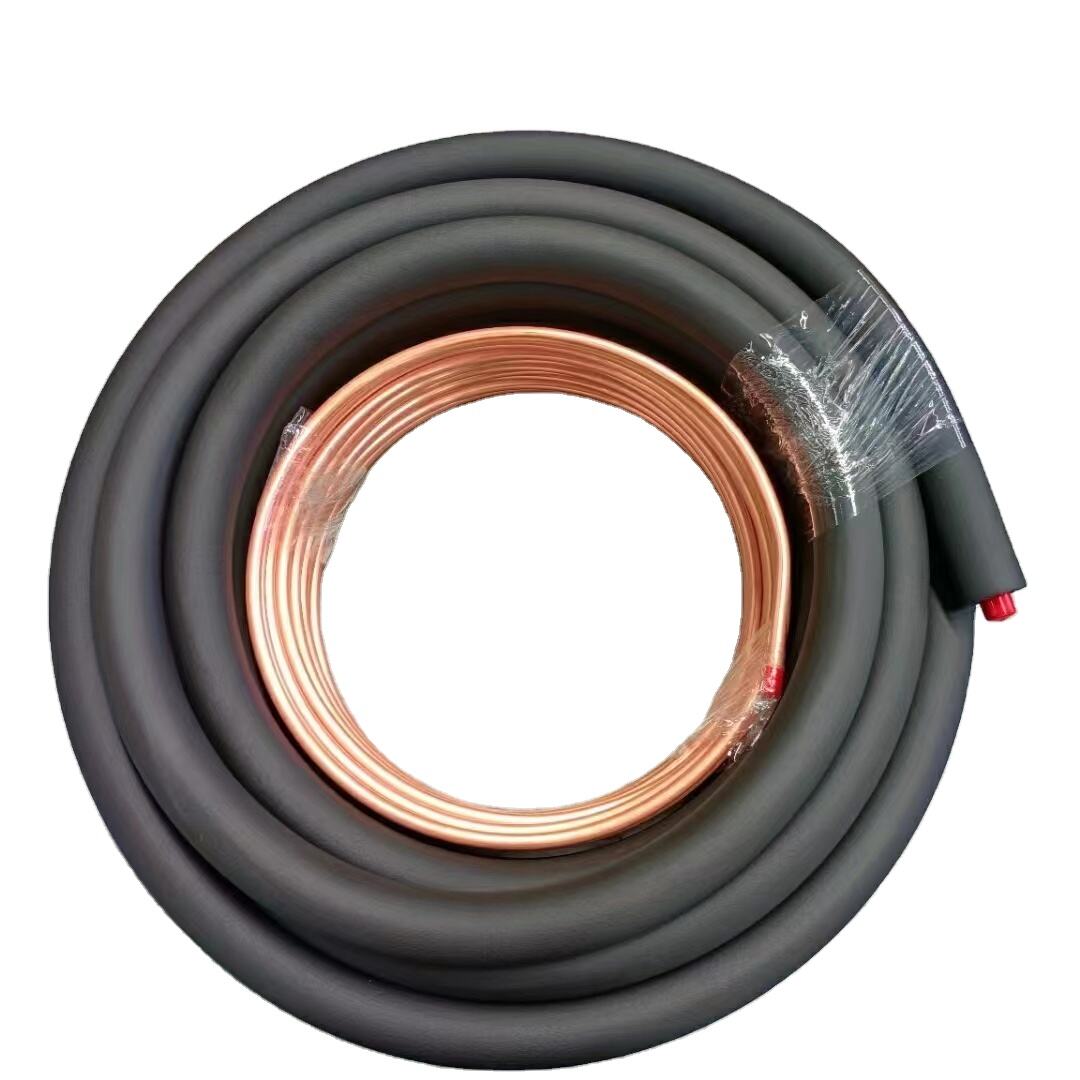
Proper insulation is essential for maintaining energy efficiency and preventing condensation issues in AC pipe installations. Closed-cell foam insulation provides excellent thermal resistance and moisture barrier properties, making it ideal for most air conditioning applications. This insulation type resists water absorption and maintains its insulating properties even in humid environments.
Fiberglass insulation with vapor barriers offers cost-effective thermal protection for larger diameter pipes or budget-conscious projects. However, this insulation type requires careful installation to prevent thermal bridging and moisture infiltration. The vapor barrier must be properly sealed at all joints and penetrations to maintain effectiveness.
Pre-insulated AC pipe systems combine the piping and insulation in a single product, reducing installation time and ensuring consistent thermal protection. These systems often feature integrated vapor barriers and are particularly useful for complex installations or areas where space is limited.
Installation Best Practices
Proper installation techniques are crucial for maximizing the performance and longevity of your AC pipe system. All joints must be properly brazed or mechanically connected according to manufacturer specifications and local codes. Poor joint quality is a leading cause of refrigerant leaks and system failures, making skilled installation essential.
Pipe routing should minimize restrictions and provide adequate support to prevent sagging or vibration-induced stress. Sharp bends and unnecessary fittings create pressure drops and potential failure points, so gradual curves and direct routing are preferred whenever possible. Proper support spacing prevents pipe movement and reduces stress on joints and connections.
System evacuation and pressure testing are critical steps that verify installation quality and identify potential issues before system startup. These procedures ensure that the AC pipe network is leak-free and properly prepared for refrigerant charging, preventing contamination and performance problems.
Maintenance and Longevity Factors
Regular Inspection Procedures
Regular inspection of AC pipe systems helps identify potential issues before they become major problems. Visual inspections should check for signs of corrosion, physical damage, or insulation deterioration. These inspections are particularly important in harsh environments where accelerated wear may occur due to chemical exposure or extreme weather conditions.
Leak detection using electronic sensors or soap solutions can identify small refrigerant leaks that might not be immediately apparent. Early detection allows for prompt repairs, preventing refrigerant loss and environmental damage. Regular leak checks should be part of any comprehensive maintenance program for AC pipe systems.
Preventive Maintenance Strategies
Protecting AC pipe systems from physical damage during building maintenance or renovations helps extend their operational life. Clear labeling and documentation of pipe locations prevent accidental damage from construction activities. Installing protective covers or barriers in high-traffic areas reduces the risk of impact damage.
Monitoring system operating pressures and temperatures can reveal developing issues with AC pipe sizing or installation quality. Gradual changes in these parameters may indicate restrictions, leaks, or other problems that require attention. Trending these measurements over time provides valuable insights into system health and performance.
Cost Considerations and Return on Investment
Initial Investment vs. Long-term Value
While high-quality AC pipe materials may require a larger initial investment, they often provide superior long-term value through reduced maintenance costs and improved energy efficiency. Cheaper alternatives may save money upfront but can result in higher operating costs and more frequent replacements over the system's lifetime.
Energy savings from properly sized and insulated AC pipe systems can significantly offset the initial material costs. Improved efficiency reduces operating expenses and may qualify for utility rebates or tax incentives in some regions. These financial benefits should be factored into the overall cost analysis when selecting piping materials and sizes.
Professional Installation Benefits
Professional installation ensures that AC pipe systems meet code requirements and manufacturer specifications, protecting your investment and ensuring warranty coverage. Skilled technicians have the tools and experience necessary to achieve proper joint integrity and system performance. While professional installation costs more than DIY approaches, it provides peace of mind and reduces the risk of costly future repairs.
Professional installers can also provide valuable guidance on system design and material selection based on specific application requirements. Their expertise helps optimize system performance while ensuring compliance with local codes and safety standards. This professional input is particularly valuable for complex installations or challenging environmental conditions.
FAQ
What is the most common size for residential AC pipe?
Most residential air conditioning systems use 3/8-inch to 7/8-inch copper pipes for liquid lines and 5/8-inch to 1-1/8-inch for suction lines, depending on the system capacity and refrigerant type. The exact size requirements are determined by the equipment manufacturer's specifications and the system's cooling capacity measured in tons.
How often should AC pipe insulation be replaced?
Quality AC pipe insulation typically lasts 10-15 years under normal conditions, but may need replacement sooner in harsh environments or if damaged during maintenance. Signs that insulation needs replacement include visible deterioration, moisture infiltration, or reduced system efficiency. Regular inspections help identify when replacement is necessary.
Can I mix different pipe materials in the same AC system?
While it's technically possible to use different materials in the same system, it's generally not recommended due to compatibility issues and varying thermal expansion rates. Mixing materials can create galvanic corrosion at connection points and complicate maintenance procedures. Stick to one material type throughout the system for optimal performance and longevity.
What factors affect AC pipe pressure ratings?
AC pipe pressure ratings depend on the refrigerant type, system operating conditions, and safety factors required by local codes. High-efficiency refrigerants often operate at higher pressures, requiring pipes with thicker walls or higher-grade materials. Always consult manufacturer specifications and local codes to ensure proper pressure ratings for your specific application.