
 EN
EN




Air conditioning systems rely on efficient refrigerant transfer between indoor and outdoor units to maintain optimal cooling performance. A copper line set serves as the critical connection that enables this refrigerant circulation, directly impacting system efficiency and energy consumption. Understanding how these specialized components enhance air conditioning performance can help property owners and HVAC professionals make informed decisions about system installations and upgrades.
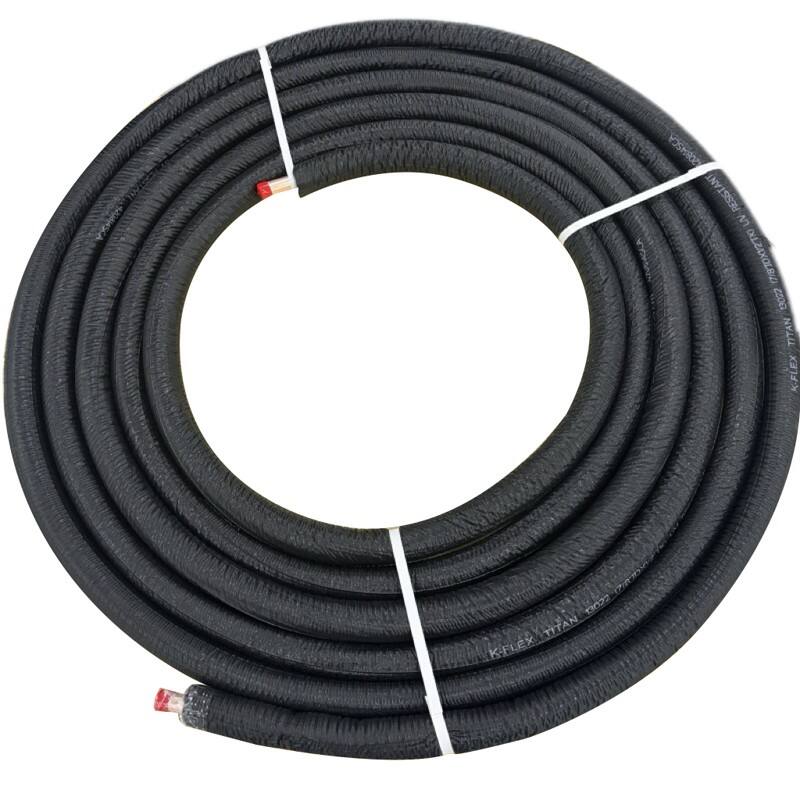
The efficiency gains from properly installed copper line sets extend beyond simple refrigerant transport. These precision-engineered components minimize energy loss through superior thermal conductivity and reduced pressure drops throughout the refrigeration cycle. Modern copper line set configurations incorporate advanced insulation materials and optimized tube dimensions that significantly enhance overall system performance while reducing operational costs.
Fundamental Properties of Copper Line Sets
Superior Heat Transfer Characteristics
Copper possesses exceptional thermal conductivity properties that make it ideal for refrigerant line applications. The metal's ability to efficiently transfer heat enables rapid temperature changes as refrigerant moves through the system. This enhanced heat transfer directly translates to improved cooling capacity and reduced energy consumption during operation.
The crystalline structure of copper allows for minimal thermal resistance, ensuring that temperature differentials between refrigerant and surrounding air are maximized. This property becomes particularly important in high-efficiency air conditioning systems where even small improvements in heat transfer can result in significant energy savings over time.
Corrosion Resistance and Longevity
Unlike alternative materials, copper demonstrates remarkable resistance to corrosion in typical HVAC environments. This durability ensures that copper line set installations maintain their efficiency characteristics throughout extended service periods. The natural oxidation layer that forms on copper surfaces actually protects the underlying material from further degradation.
Long-term reliability of copper line sets translates to sustained efficiency levels without performance degradation. Systems using quality copper components typically maintain their original efficiency ratings for decades, providing consistent energy performance and reduced maintenance requirements compared to other material options.
Installation Benefits and Efficiency Optimization
Reduced Pressure Drop and Energy Loss
Proper copper line set installation minimizes pressure drops throughout the refrigeration circuit, allowing compressors to operate more efficiently. Lower pressure drops reduce the work required to circulate refrigerant, directly decreasing electrical consumption and improving overall system coefficient of performance.
The smooth interior surfaces of quality copper tubing create minimal friction resistance for flowing refrigerant. This characteristic becomes increasingly important in longer line runs or complex installations where multiple direction changes could otherwise create significant pressure losses and reduced system efficiency.
Optimal Insulation Integration
Modern copper line set assemblies incorporate high-performance insulation materials that prevent unwanted heat transfer during refrigerant transport. Proper insulation ensures that cooled refrigerant maintains its temperature while traveling from the evaporator to the condenser unit, maximizing cooling capacity delivery.
The combination of copper's thermal properties with advanced insulation creates an ideal environment for maintaining refrigerant temperatures throughout the system cycle. This temperature stability directly contributes to improved efficiency ratings and reduced energy consumption during peak cooling periods.
System Performance Enhancement Mechanisms
Refrigerant Flow Optimization
The internal diameter and wall thickness of copper line sets are precisely engineered to optimize refrigerant flow rates for specific system capacities. This optimization ensures that refrigerant velocity remains within ideal ranges, preventing flow restrictions that could reduce cooling capacity or increase energy consumption.
Properly sized copper line sets eliminate flow bottlenecks that commonly occur with improperly matched components. When refrigerant can flow freely through appropriately sized lines, compressors operate more efficiently and cooling capacity is maximized across all operating conditions.
Temperature Differential Maintenance
Effective copper line set installations maintain optimal temperature differentials between supply and return lines. This separation prevents unwanted heat transfer that could reduce system efficiency and cooling capacity. Proper line separation and insulation are critical factors in achieving maximum performance.
The ability to maintain distinct temperature zones within the refrigeration circuit allows air conditioning systems to achieve their designed efficiency ratings. Temperature maintenance becomes particularly important in variable-speed systems where efficiency optimization depends on precise temperature control throughout the operating range.
Energy Efficiency Improvements and Cost Benefits
Reduced Operating Costs
High-quality copper line set installations typically result in measurable reductions in electrical consumption compared to systems using inferior components. The efficiency gains compound over time, creating substantial cost savings for property owners through reduced utility bills and extended equipment life.
Energy efficiency improvements from copper line sets become more pronounced during peak cooling seasons when air conditioning systems operate for extended periods. The cumulative effect of small efficiency gains can result in significant annual energy cost reductions for commercial and residential applications.
Enhanced System Reliability
Copper line set installations contribute to overall system reliability by providing consistent refrigerant transport without degradation over time. This reliability translates to fewer service calls, reduced maintenance costs, and extended equipment life cycles that provide additional economic benefits.
The mechanical properties of copper allow for secure connections that maintain their integrity throughout thermal cycling and system operation. Reliable connections prevent refrigerant leaks that could compromise system efficiency and require costly repairs or refrigerant replacement.
Installation Considerations for Maximum Efficiency
Proper Sizing and Configuration
Selecting the appropriate copper line set size requires careful consideration of system capacity, line run length, and elevation changes. Oversized lines can reduce refrigerant velocity and oil return, while undersized lines create pressure drops that reduce efficiency. Professional sizing calculations ensure optimal performance characteristics.
Configuration factors including bend radius, support spacing, and connection methods all influence the final efficiency of copper line set installations. Proper installation techniques preserve the thermal and mechanical properties that contribute to enhanced system performance throughout the service life.
Quality Control and Testing
Comprehensive testing procedures verify that copper line set installations meet performance specifications before system startup. Pressure testing, vacuum procedures, and leak detection ensure that the refrigeration circuit maintains its designed efficiency characteristics from initial operation.
Quality control measures during installation prevent issues that could compromise long-term efficiency. Proper brazing techniques, contamination prevention, and system commissioning procedures all contribute to achieving the maximum efficiency benefits available from copper line set installations.
Comparative Performance Analysis
Efficiency Metrics and Measurements
Performance testing demonstrates that systems using quality copper line set components consistently achieve higher seasonal energy efficiency ratios compared to installations using alternative materials. These measurable improvements validate the investment in superior components and proper installation practices.
Real-world efficiency measurements show that copper line set installations maintain their performance advantages across varying load conditions and seasonal temperature ranges. This consistent performance provides predictable energy consumption patterns and reliable cooling capacity delivery.
Long-term Performance Trends
Data collected from copper line set installations over extended periods confirms that efficiency benefits are maintained throughout typical equipment life cycles. Unlike some alternative materials that may experience performance degradation, copper maintains its thermal and mechanical properties indefinitely under normal operating conditions.
The stability of copper line set performance over time provides predictable return on investment calculations for efficiency upgrades and new installations. Property owners can confidently project energy savings and system reliability based on proven copper line set performance characteristics.
FAQ
What factors determine the efficiency impact of a copper line set installation
The efficiency impact depends on proper sizing, installation quality, insulation effectiveness, and system compatibility. Correct line sizing ensures optimal refrigerant flow without pressure drops, while proper insulation prevents unwanted heat transfer. Professional installation techniques and quality components maximize the efficiency benefits available from copper line set upgrades.
How long do copper line sets maintain their efficiency characteristics
Quality copper line sets maintain their efficiency properties throughout typical air conditioning system life cycles, often exceeding 20 years of service. The corrosion resistance and thermal stability of copper ensure that performance characteristics remain consistent over time, providing long-term efficiency benefits and predictable energy savings.
Can copper line set upgrades improve existing system efficiency
Upgrading to properly sized and installed copper line sets can improve the efficiency of existing systems, particularly when replacing damaged or inadequately sized components. The improvement magnitude depends on the condition and configuration of existing components, but measurable efficiency gains are typically achievable with professional installation.
What maintenance is required to preserve copper line set efficiency
Copper line sets require minimal maintenance to preserve their efficiency characteristics. Regular inspection of insulation integrity, support systems, and connection points ensures continued performance. Professional system maintenance should include checking for refrigerant leaks and verifying that line set components remain properly supported and protected from mechanical damage.