
 EN
EN



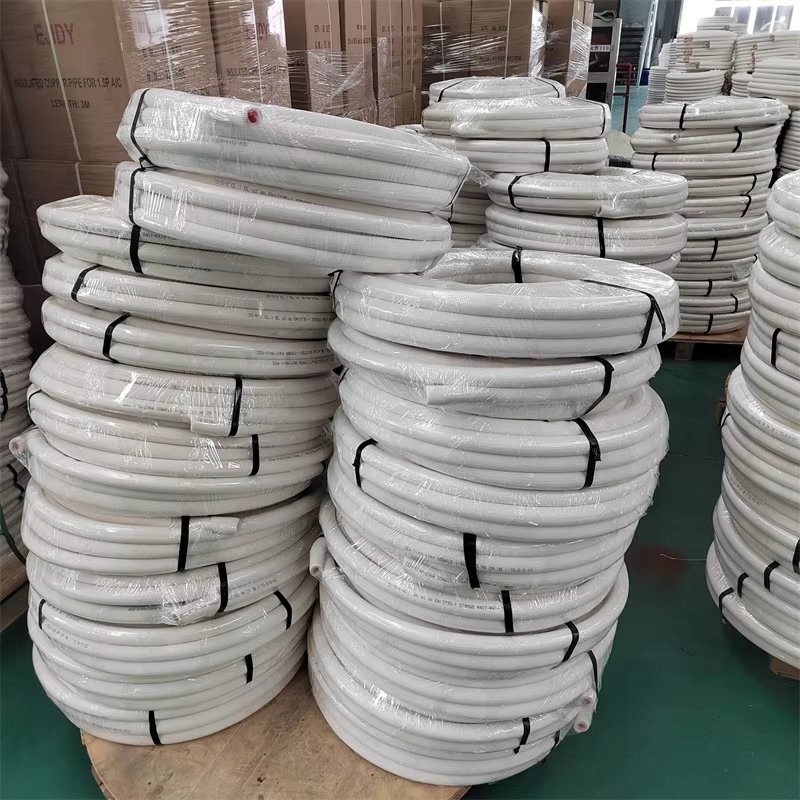
Selecting the appropriate copper line set length is a critical decision that directly impacts HVAC system performance, installation efficiency, and long-term operational costs. Professional technicians and contractors understand that incorrect sizing can lead to reduced cooling capacity, increased energy consumption, and premature system failure. The copper line set serves as the vital connection between indoor and outdoor units, carrying refrigerant that enables heat transfer processes essential for climate control systems.
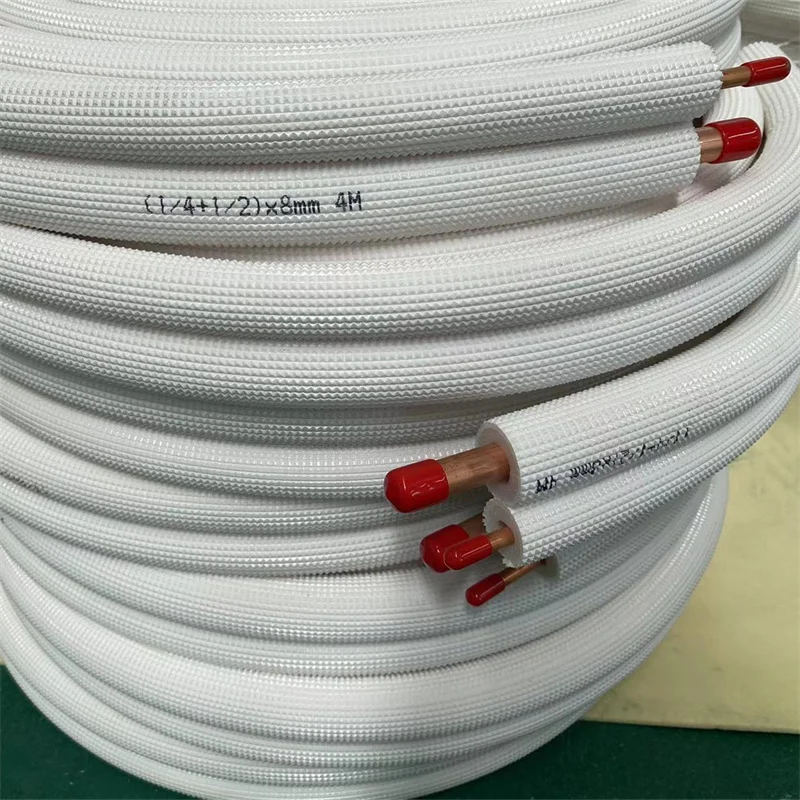
Modern HVAC installations require precise measurements and calculations to determine optimal copper line set dimensions. Factors such as system capacity, refrigerant type, ambient conditions, and installation constraints all influence the selection process. Understanding these variables enables technicians to make informed decisions that maximize system efficiency while minimizing installation challenges and future maintenance requirements.
The relationship between copper line set length and system performance is complex, involving thermodynamic principles, pressure dynamics, and heat transfer characteristics. Proper selection ensures adequate refrigerant flow rates, maintains appropriate pressure differentials, and prevents issues such as liquid slugging or insufficient cooling capacity that can compromise system reliability and customer satisfaction.
Understanding Copper Line Set Fundamentals
Construction and Material Properties
High-quality copper line sets feature seamless construction using Type L or Type K copper tubing, providing excellent corrosion resistance and thermal conductivity. The manufacturing process involves drawing copper through precision dies to achieve consistent wall thickness and dimensional accuracy. Premium copper line set products incorporate advanced metallurgy techniques that enhance durability and reduce the likelihood of pinhole leaks or structural failures during extended service life.
The insulation material surrounding copper line sets plays equally important roles in system performance and energy efficiency. Closed-cell foam insulation prevents condensation formation, reduces heat gain or loss during refrigerant transport, and maintains optimal operating temperatures throughout the refrigeration cycle. Quality insulation materials resist moisture absorption, UV degradation, and temperature extremes that could compromise thermal protection properties.
Copper purity levels directly affect thermal conductivity, corrosion resistance, and overall system longevity. Premium copper line sets utilize 99.9% pure copper that meets or exceeds industry standards for HVAC applications. This high purity level ensures consistent heat transfer characteristics and reduces the risk of chemical reactions that could damage refrigerant or system components over time.
Refrigerant Flow Dynamics
Refrigerant velocity within copper line sets must remain within specified ranges to ensure proper heat transfer and system efficiency. Excessive velocities can cause pressure drops that reduce cooling capacity, while insufficient velocities may result in poor oil return and compressor damage. The copper line set diameter and length combination determines flow characteristics that directly impact system performance and reliability.
Pressure drop calculations become increasingly important as copper line set lengths increase beyond standard configurations. Each additional foot of line set introduces resistance that affects refrigerant flow rates and system capacity. Professional installers use manufacturer-provided charts and calculation tools to determine acceptable pressure drop limits for specific system configurations and operating conditions.
Oil return characteristics represent another critical consideration in copper line set selection. Refrigerant must maintain sufficient velocity to carry lubricating oil back to the compressor, particularly in vertical lift applications. Inadequate oil return can lead to compressor failure and expensive system repairs that could be prevented through proper copper line set sizing and installation practices.
Measurement and Sizing Calculations
Distance Assessment Techniques
Accurate distance measurement forms the foundation of proper copper line set selection. Professional installers use laser measuring devices, measuring wheels, and traditional tape measures to determine the shortest practical route between indoor and outdoor units. The measurement process must account for obstacles, elevation changes, and required clearances that affect the final copper line set length requirements.
Routing considerations significantly impact the total copper line set length needed for successful installation. Technicians must plan paths that avoid structural obstacles, minimize the number of bends, and comply with local building codes and manufacturer specifications. Strategic routing can reduce copper line set requirements while improving system performance and accessibility for future maintenance activities.
Elevation differences between indoor and outdoor units require special attention during measurement and sizing processes. Vertical lifts impose additional requirements on refrigerant velocity and may necessitate larger diameter copper line sets to maintain proper oil return characteristics. Professional installers calculate these factors to ensure reliable system operation across various installation configurations.
Capacity Matching Requirements
System capacity ratings determine the minimum copper line set specifications required for optimal performance. Manufacturers provide detailed sizing charts that correlate BTU ratings with appropriate line set diameters and maximum allowable lengths. These specifications ensure adequate refrigerant flow rates and prevent performance degradation that could result from undersized components.
Load calculations influence copper line set selection by establishing the actual cooling or heating requirements for specific applications. Oversized systems may operate inefficiently with standard copper line sets, while undersized systems may require enhanced specifications to maintain adequate performance levels. Professional load calculations help optimize the match between system capacity and copper line set specifications.
Environmental factors such as ambient temperature, humidity levels, and altitude affect system performance and may influence copper line set requirements. High-altitude installations may require larger diameter line sets to compensate for reduced air density and altered refrigerant properties. Similarly, extreme temperature conditions may necessitate enhanced insulation or modified sizing approaches to maintain optimal performance.
Installation Considerations and Best Practices
Routing and Support Strategies
Proper copper line set routing minimizes installation challenges while maximizing system performance and longevity. Professional installers plan routes that avoid sharp bends, maintain adequate support intervals, and provide protection from environmental hazards. Strategic routing reduces the total copper line set length required while ensuring compliance with manufacturer specifications and local building codes.
Support spacing requirements vary based on copper line set diameter, insulation thickness, and installation orientation. Horizontal runs typically require supports every 6-10 feet, while vertical installations may need more frequent support points to prevent stress concentration and potential damage. Proper support systems distribute weight evenly and accommodate thermal expansion that occurs during system operation.
Protection measures prevent damage to copper line sets during installation and throughout their service life. Protective conduits, sleeves, and guards shield line sets from physical damage, UV exposure, and environmental contamination. These protection systems extend copper line set life expectancy and reduce maintenance requirements over the system's operational lifetime.
Connection and Sealing Techniques
Professional connection techniques ensure leak-free joints that maintain system integrity throughout extended service periods. Brazing procedures require precise temperature control, appropriate filler materials, and nitrogen purging to prevent oxidation that could contaminate the refrigeration system. Quality connections prevent refrigerant leaks that reduce system efficiency and may violate environmental regulations.
Flaring and fitting preparation require specialized tools and techniques to achieve reliable connections. Copper line set ends must be properly cleaned, deburred, and formed to manufacturer specifications before assembly. Contamination prevention during installation protects system components from moisture, debris, and other contaminants that could cause premature failure or reduced performance.
Leak testing procedures verify system integrity before commissioning and help identify potential issues that could lead to future problems. Pressure testing with nitrogen, followed by refrigerant leak detection, ensures all copper line set connections meet quality standards. Thorough testing prevents callbacks and warranty issues that could result from inadequate installation practices.
Performance Optimization and Efficiency
Length Impact on System Capacity
Extended copper line set lengths introduce performance penalties that must be considered during system selection and sizing processes. Pressure drops increase with length, reducing refrigerant flow rates and overall system capacity. Manufacturers provide derating factors that help calculate the actual capacity available with specific copper line set configurations, enabling proper system sizing for intended applications.
Heat gain or loss through copper line set walls affects system efficiency, particularly in unconditioned spaces or extreme temperature environments. Quality insulation minimizes these effects, but extended line sets still introduce thermal losses that impact overall system performance. Professional installers account for these factors when selecting equipment and calculating expected efficiency levels.
Refrigerant charge requirements increase with copper line set length, affecting both installation costs and system performance characteristics. Additional refrigerant increases system thermal mass and may alter cycling behavior, particularly in variable-capacity systems. Proper charging procedures ensure optimal performance while preventing issues associated with undercharged or overcharged systems.
Energy Efficiency Considerations
Copper line set length directly impacts system energy efficiency through pressure drop effects and thermal losses. Longer line sets require higher compressor work to overcome flow resistance, increasing energy consumption and operating costs. Energy-conscious installations minimize line set lengths while maintaining proper routing and installation practices that ensure reliable operation.
Insulation quality becomes increasingly important as copper line set lengths increase, particularly in applications where line sets traverse unconditioned spaces. Premium insulation materials provide superior thermal protection that minimizes energy losses and maintains consistent refrigerant temperatures throughout the system. Investment in quality insulation typically pays for itself through reduced operating costs over the system's lifetime.
System cycling behavior may be affected by extended copper line set lengths, particularly in applications with variable-capacity equipment. Longer line sets increase system thermal mass and may influence defrost cycles, capacity modulation, and overall system responsiveness. These factors should be considered when evaluating total cost of ownership and expected performance characteristics.
Common Selection Mistakes and Solutions
Undersizing and Oversizing Issues
Undersized copper line sets create excessive pressure drops that reduce system capacity and may cause compressor damage over time. Flow velocities exceed recommended limits, potentially causing erosion, noise, and oil return problems that compromise system reliability. Professional sizing calculations prevent these issues by ensuring adequate flow area for intended applications and operating conditions.
Oversized copper line sets may seem like a conservative approach, but they can create problems with oil return and system control. Insufficient refrigerant velocity allows oil to accumulate in horizontal runs, potentially starving the compressor of lubrication. Additionally, oversized line sets increase refrigerant charge requirements and may affect system response times and efficiency levels.
Cost considerations often drive sizing decisions, but false economy in copper line set selection can lead to expensive problems and reduced system life. Quality copper line sets with appropriate specifications provide reliable performance and long service life that justify their initial cost. Professional installers balance initial costs with long-term performance and reliability requirements to optimize total project value.
Installation Error Prevention
Measurement errors during the planning phase can result in copper line sets that are too short for successful installation or unnecessarily long, creating performance and cost issues. Professional installers use systematic measurement procedures and include appropriate allowances for connections, routing adjustments, and unforeseen obstacles that may be encountered during installation.
Contamination during installation represents a significant risk that can compromise system performance and longevity. Proper handling procedures, clean work areas, and appropriate storage practices prevent moisture, debris, and other contaminants from entering copper line sets. These prevention measures are particularly important for pre-charged line sets that could be damaged by contamination.
Documentation and quality control procedures help prevent installation errors and provide valuable information for future maintenance activities. Detailed installation records, including copper line set specifications, routing diagrams, and test results, enable effective troubleshooting and system optimization throughout the equipment's service life.
FAQ
What is the maximum recommended length for a copper line set?
Maximum copper line set length varies by system capacity and manufacturer specifications, typically ranging from 50 to 250 feet for residential applications. Commercial systems may accommodate longer runs with appropriate sizing adjustments and performance derating. Always consult manufacturer documentation for specific length limitations and capacity adjustments required for extended line set installations.
How do I account for elevation changes in copper line set sizing?
Elevation changes require special consideration for oil return and refrigerant flow characteristics. Vertical lifts may necessitate larger diameter line sets or oil return strategies such as P-traps in vertical runs. Manufacturer specifications provide guidance on maximum elevation differences and required modifications for specific system configurations and refrigerant types.
Can I use a longer copper line set than specified?
Using longer copper line sets than specified can reduce system capacity and efficiency due to increased pressure drops and thermal losses. If longer runs are necessary, consult manufacturer derating charts and consider upsizing the line set diameter or equipment capacity to compensate for performance losses. Professional calculation and manufacturer approval may be required for extended installations.
What factors determine copper line set diameter selection?
Copper line set diameter selection depends on system capacity, refrigerant type, line set length, and elevation differences. Manufacturers provide sizing charts that correlate these factors with appropriate line set specifications. Proper diameter selection ensures adequate refrigerant flow rates while maintaining acceptable pressure drops and oil return characteristics for reliable system operation.