
 EN
EN



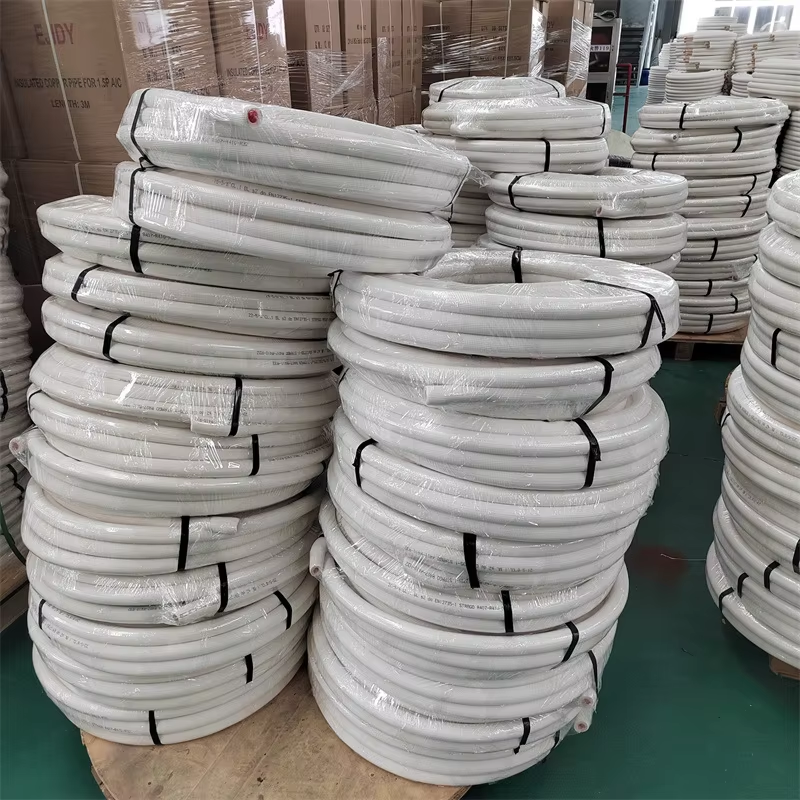
The proper storage and handling of copper pair coils is essential for maintaining optimal HVAC system performance and preventing costly installation issues. These specialized coils, commonly used in air conditioning and refrigeration applications, require specific care to avoid twisting, kinking, and performance degradation that can compromise system efficiency. Understanding the correct techniques for managing copper pair coils from delivery to installation ensures your HVAC projects maintain the highest standards of quality and reliability.
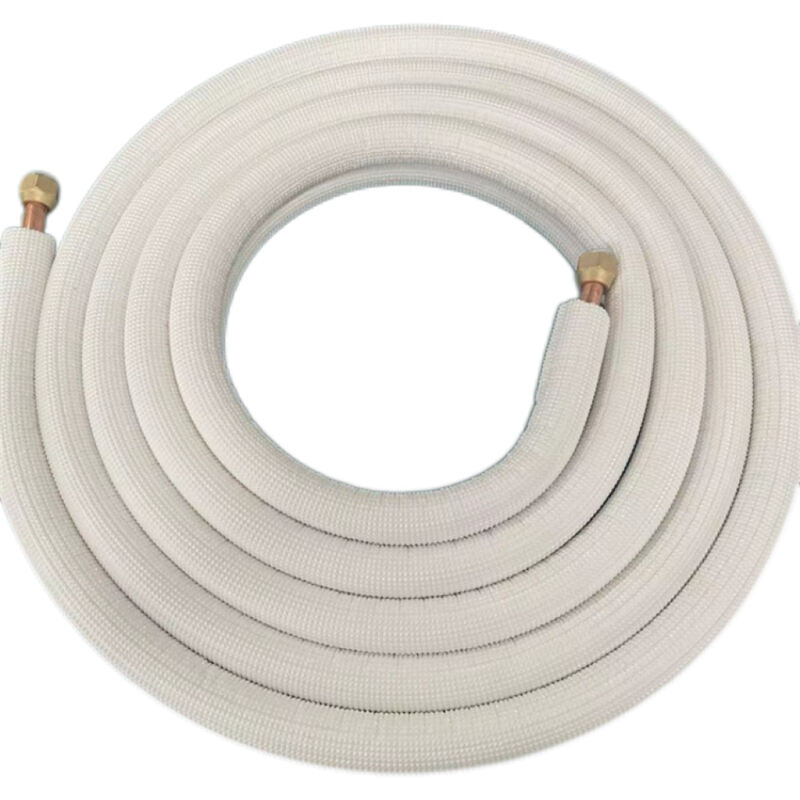
Understanding Copper Pair Coil Construction and Vulnerabilities
Material Properties and Structural Characteristics
Copper pair coils consist of two separate copper tubes bundled together, typically featuring different diameters to accommodate liquid and vapor refrigerant lines. The soft annealed copper construction provides excellent thermal conductivity but also makes these coils susceptible to damage from improper handling. The insulation material surrounding the copper tubing adds another layer of vulnerability, as it can tear or compress under stress, reducing thermal efficiency and potentially exposing the copper to environmental factors.
The manufacturing process involves precise forming techniques that create memory in the copper material. This inherent memory means that once copper pair coils are bent or twisted beyond their elastic limit, they retain these deformations permanently. Understanding this characteristic is crucial for handlers who must work with these materials throughout the supply chain, from manufacturer to end installation.
Common Vulnerabilities During Transportation
Transportation presents numerous risks to copper pair coils integrity. Vibration during shipping can cause coils to rub against packaging materials or each other, leading to insulation damage and potential tube wall thinning. Temperature fluctuations during transport can also affect the coil flexibility, making them more susceptible to cracking or splitting when handled in extreme conditions.
Improper loading and unloading techniques represent another significant vulnerability. When workers lift coils incorrectly or allow them to drop, the resulting impact can create internal stress points that may not be immediately visible but will manifest as performance issues during operation. These hidden damages often go undetected until system commissioning, resulting in costly delays and replacements.
Optimal Storage Environment and Conditions
Temperature and Humidity Control Requirements
Maintaining proper environmental conditions for copper pair coils storage prevents material degradation and ensures optimal handling characteristics. The ideal storage temperature ranges between 50 and 80 degrees Fahrenheit, avoiding extreme heat that can soften the copper excessively or cold conditions that make the material brittle. Humidity levels should remain below 60 percent to prevent condensation formation on the copper surface, which can lead to oxidation and corrosion over time.
Consistent environmental conditions are more important than specific temperature ranges. Rapid temperature changes cause thermal expansion and contraction cycles that can stress the copper material and potentially crack the insulation. Climate-controlled storage facilities provide the most reliable environment for long-term copper pair coils storage, particularly in regions with extreme seasonal variations.
Physical Storage Configuration and Support Systems
The physical arrangement of copper pair coils in storage significantly impacts their condition and ease of retrieval. Coils should be stored in their original packaging whenever possible, utilizing manufacturer-designed supports that distribute weight evenly and prevent localized stress concentration. Horizontal storage on padded surfaces prevents sagging and maintains the coil's original shape better than vertical storage methods.
Creating adequate spacing between stored coils prevents contact damage and allows for proper air circulation around each unit. Stack height limitations must be observed to prevent crushing of lower coils under the weight of upper units. Most manufacturers recommend maximum stack heights of four to six coils, depending on the specific product dimensions and packaging design.
Proper Handling Techniques and Equipment
Manual Handling Best Practices
Effective manual handling of copper pair coils requires understanding the proper lifting points and support methods. Workers should always lift from the structural supports or packaging framework rather than grasping the coils directly. Two-person lifts are recommended for coils exceeding 50 pounds to ensure even weight distribution and prevent accidental dropping or twisting during movement.
The carrying technique involves maintaining the coil's natural shape and avoiding any bending or flexing during transport. When navigating tight spaces or corners, handlers should plan the route in advance to minimize the need for coil manipulation. Wearing appropriate gloves protects both the handler and the coil surface from oils, dirt, and potential scratching that can compromise performance.
Mechanical Handling Equipment Selection
Selecting appropriate mechanical handling equipment enhances safety and reduces the risk of copper pair coils damage during movement and positioning. Forklifts with padded tines or specialized coil handling attachments distribute weight more evenly than standard tines. Overhead cranes with soft lifting slings provide excellent control for positioning large coils while minimizing stress concentration points.
Conveyor systems designed for coil handling incorporate gentle curves and adequate support spacing to prevent sagging or bouncing during transport. When using any mechanical handling equipment, operators must be trained on the specific requirements for copper pair coils to avoid common mistakes that can compromise product integrity.
Preventing Twisting and Deformation Issues
Understanding Twist Mechanisms and Causes
Twisting in copper pair coils typically occurs when uneven forces are applied during handling or when the coil is subjected to torsional stress during uncoiling. The most common cause is improper unrolling technique, where handlers pull from one end while the coil is constrained at the other end. This creates a spiral stress pattern that permanently deforms the copper tubing and can reduce flow capacity significantly.
Temperature-induced twisting can also occur when copper pair coils experience rapid temperature changes while under tension or constraint. The differential expansion rates between the inner and outer portions of the coil create internal stresses that manifest as permanent twisting once the material cools. Recognizing these mechanisms helps handlers avoid the conditions that promote twist formation.
Prevention Strategies and Techniques
Implementing systematic prevention strategies requires attention to every stage of coil handling and installation. The key principle involves supporting the entire coil length during any manipulation to prevent localized stress concentration. Uncoiling should always be performed by allowing the coil to unroll naturally while providing guidance rather than pulling or forcing the material into position.
Professional installation techniques include using coil dispensing equipment that maintains proper support throughout the unrolling process. These systems prevent the jerky, uneven forces that commonly cause twisting while allowing precise control over the coil positioning. Training all personnel on these techniques ensures consistent application across all copper pair coils handling operations.
Quality Inspection and Performance Monitoring
Visual Inspection Protocols
Establishing comprehensive visual inspection protocols helps identify potential issues with copper pair coils before they impact system performance. Inspectors should examine the insulation integrity, looking for tears, compressions, or separations that could indicate handling damage. The copper tubing itself should be checked for dents, flat spots, or visible twisting that could restrict refrigerant flow.
Documentation of inspection findings creates a quality trail that helps identify recurring problems and their sources. Digital photography of any defects provides valuable reference material for training purposes and warranty claims. Regular inspection scheduling ensures that problems are caught early in the storage and handling process rather than during critical installation phases.
Performance Testing and Verification Methods
Performance testing of copper pair coils involves both pressure testing and flow verification to ensure the handling and storage processes have not compromised functionality. Pressure testing reveals any hidden damage that may not be visible during visual inspection, including micro-cracks or stress points that could develop into leaks under operating conditions.
Flow testing measures the actual flow capacity against manufacturer specifications to identify restrictions caused by deformation or internal blockages. These tests should be performed using calibrated equipment and documented procedures to ensure consistency and accuracy. Any coils failing performance tests should be quarantined and investigated to determine the cause and prevent similar issues.
Troubleshooting Common Storage and Handling Problems
Identifying and Addressing Insulation Damage
Insulation damage on copper pair coils often appears as compression marks, tears, or separation from the copper tubing surface. These issues typically result from improper stacking, inadequate packaging protection, or rough handling during transport. Early identification allows for repair or replacement before the coils are installed, preventing field problems and customer dissatisfaction.
Repair techniques for minor insulation damage include specialized tapes and wrapping materials designed for HVAC applications. However, extensive damage usually requires coil replacement since compromised insulation significantly reduces system efficiency and may violate building codes or manufacturer warranties. Proper documentation of damaged coils supports warranty claims and helps improve future handling procedures.
Correcting Shape Distortions and Deformations
Shape distortions in copper pair coils can sometimes be corrected using careful reshaping techniques, provided the damage is not severe enough to compromise the tube wall integrity. The process involves gradually working the coil back toward its original shape using appropriate support tools and avoiding sharp bends or kinks that could cause failure.
Professional reshaping requires understanding the elastic limits of copper and the proper techniques for stress relief. Heat application may be necessary for severe deformations, but this must be done carefully to avoid damaging the insulation or creating soft spots in the copper. When in doubt, replacement is often more cost-effective than attempting complex repairs that may not provide reliable long-term performance.
FAQ
How long can copper pair coils be stored without degradation
Copper pair coils can be stored for several years without significant degradation when proper environmental conditions are maintained. The key factors include stable temperature and humidity levels, protection from direct sunlight, and adequate support to prevent deformation. Regular inspection every six months helps identify any developing issues early, and rotation of stock ensures older coils are used before newer arrivals.
What are the signs that copper pair coils have been damaged during handling
Common signs of handling damage include visible dents or flat spots on the copper tubing, torn or compressed insulation, and any twisting or kinking of the coil structure. Less obvious damage may include stress marks on the insulation, slight oval deformation of the tubing, or loosening of the insulation bond. Performance testing may reveal restricted flow or pressure loss even when visual damage is not apparent.
Can twisted copper pair coils be straightened and used safely
Moderately twisted copper pair coils can sometimes be straightened using proper techniques and tools, but the process requires careful evaluation of the extent of damage. Severe twisting that has caused permanent deformation or potential wall thinning should not be corrected, as this could lead to failure during operation. Professional assessment is recommended to determine whether straightening is feasible and safe for the specific application.
What storage temperature range is optimal for copper pair coils
The optimal storage temperature range for copper pair coils is between 50 and 80 degrees Fahrenheit, with consistency being more important than specific temperatures. Extreme cold can make the copper brittle and prone to cracking, while excessive heat can soften the material and make it more susceptible to deformation. Avoiding rapid temperature changes is crucial for maintaining coil integrity during storage periods.