
 EN
EN



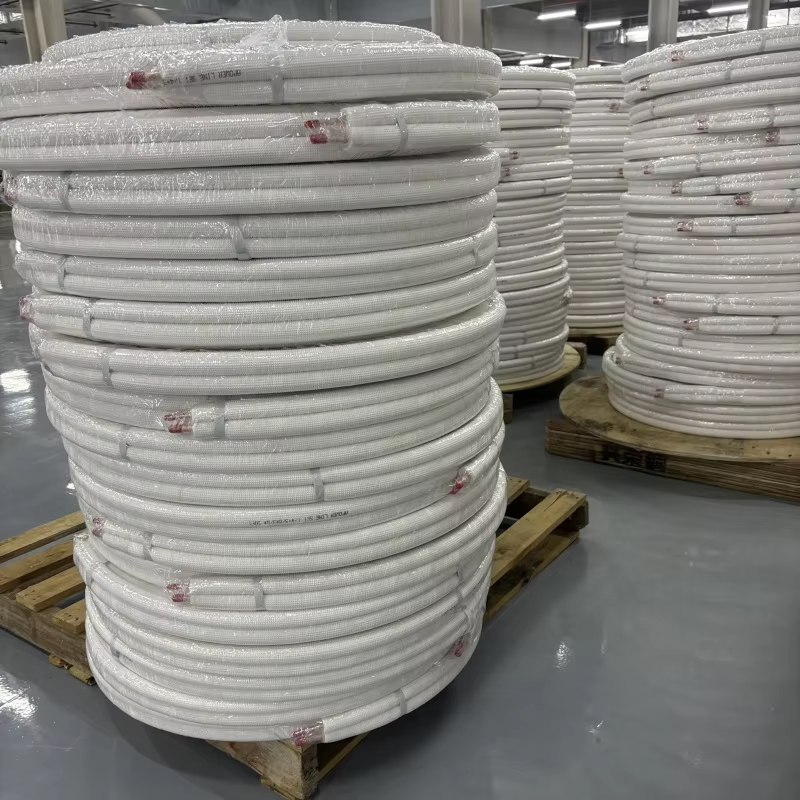
Modern cooling systems depend on precise refrigerant circulation to maintain optimal performance and energy efficiency. The backbone of any reliable cooling system lies in its refrigerant distribution network, where a quality copper line set serves as the primary conduit for refrigerant flow between indoor and outdoor units. Understanding the critical role of copper line sets in cooling applications helps facility managers and HVAC professionals make informed decisions that impact system longevity, performance, and operational costs.
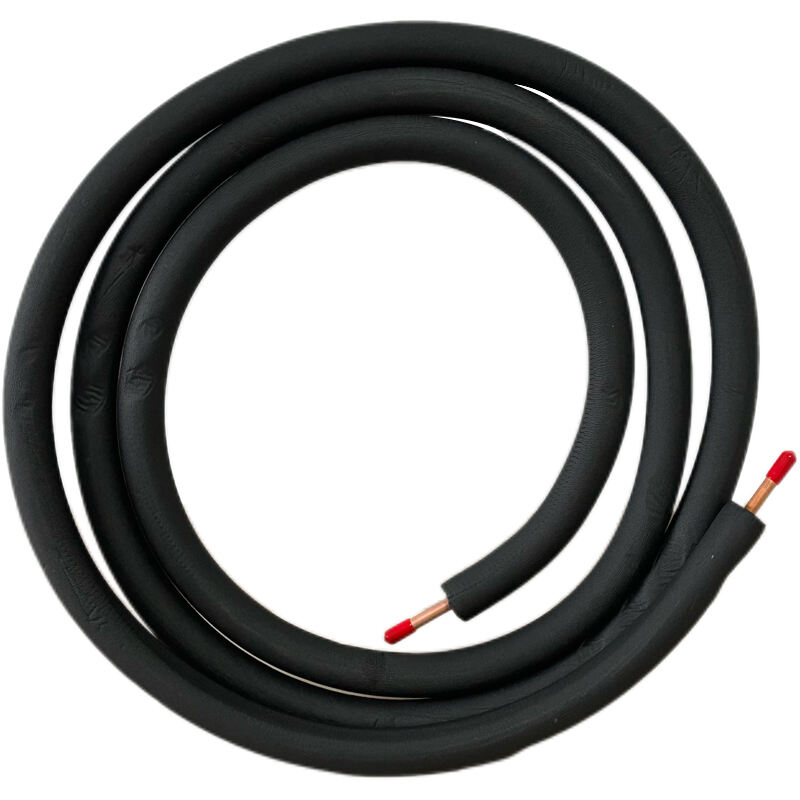
Essential Properties of Copper Line Sets in Refrigeration Applications
Superior Thermal Conductivity and Heat Transfer
Copper demonstrates exceptional thermal conductivity properties that make it the preferred material for refrigerant line applications. The high thermal conductivity coefficient of copper allows efficient heat transfer between the refrigerant and surrounding environment, enabling optimal system performance. This characteristic becomes particularly important in split-system configurations where refrigerant must travel significant distances between components while maintaining temperature integrity.
The molecular structure of copper facilitates rapid heat exchange, reducing energy losses during refrigerant transport. Professional installations utilizing quality copper line set components typically experience improved cooling capacity and reduced compressor workload. These thermal advantages translate directly into lower operating costs and enhanced system efficiency over the equipment's operational lifespan.
Corrosion Resistance and Chemical Compatibility
Copper's natural corrosion resistance ensures long-term reliability in refrigerant applications. Unlike steel or aluminum alternatives, copper maintains its structural integrity when exposed to common refrigerants including R-410A, R-32, and R-134a. This chemical compatibility prevents internal corrosion that could compromise refrigerant purity or create system blockages.
The oxide layer that forms on copper surfaces provides additional protection against environmental factors while maintaining smooth internal surfaces for optimal refrigerant flow. Quality copper line set installations resist degradation from moisture, temperature fluctuations, and chemical exposure, ensuring consistent performance throughout the system's operational life.
Installation Considerations for Optimal Performance
Proper Sizing and Configuration Requirements
Selecting appropriate copper line set dimensions requires careful consideration of system capacity, refrigerant type, and installation distance. Undersized lines create excessive pressure drops that force compressors to work harder, while oversized lines may cause oil return issues and reduced system efficiency. Professional sizing calculations account for refrigerant velocity, pressure drop limitations, and manufacturer specifications.
Installation configurations must accommodate thermal expansion and contraction cycles that occur during normal operation. Proper support spacing, bend radius requirements, and expansion joint placement prevent stress concentrations that could lead to fatigue failures. These installation practices ensure the copper line set maintains structural integrity throughout temperature cycling.
Insulation and Protection Systems
Effective insulation around copper line sets prevents unwanted heat transfer and condensation formation. High-quality insulation materials protect against energy losses while preventing moisture infiltration that could compromise system performance. Proper insulation thickness varies based on ambient conditions, line temperature, and application requirements.
Protection systems including guards, sleeves, and weatherproofing extend copper line set service life in challenging environments. These protective measures shield against physical damage, UV exposure, and corrosive atmospheres while maintaining accessibility for service and maintenance activities.
Quality Indicators and Material Standards
Manufacturing Standards and Certification Requirements
Reputable copper line set manufacturers adhere to industry standards including ASTM B280 and ASTM B88 specifications. These standards define material composition, dimensional tolerances, and performance characteristics that ensure reliable operation. Quality certification from recognized testing organizations validates material properties and manufacturing consistency.
Manufacturing processes including annealing, cleaning, and pressure testing contribute to overall product quality. Certified copper line set products undergo rigorous quality control procedures that verify wall thickness uniformity, surface cleanliness, and pressure rating compliance. These quality assurance measures prevent premature failures and ensure system reliability.
Surface Finish and Internal Cleanliness
Internal cleanliness directly impacts refrigerant system performance and component longevity. Quality copper line set products feature dehydrated and deoxidized internal surfaces that prevent contamination introduction. Proper surface preparation eliminates manufacturing residues, scale, and foreign particles that could interfere with refrigerant circulation.
External surface finishes provide corrosion protection while maintaining aesthetic appearance. Smooth external surfaces facilitate proper insulation adhesion and reduce maintenance requirements. Professional-grade copper line set products balance surface quality with cost-effectiveness for various application requirements.
System Integration and Compatibility
Connection Methods and Joint Reliability
Reliable connections between copper line set segments and system components require appropriate joining techniques. Brazing provides superior joint strength and leak resistance compared to mechanical connections, particularly in high-pressure applications. Proper brazing procedures using appropriate filler metals ensure joint integrity throughout system operation.
Flare connections offer serviceability advantages in accessible locations while maintaining adequate sealing performance. Quality copper line set installations utilize consistent connection methods that match system requirements and maintenance accessibility needs. Joint reliability directly impacts overall system performance and service life.
Compatibility with System Components
Copper line set compatibility extends beyond refrigerant chemical interactions to include thermal expansion matching with connected components. Dissimilar materials require careful consideration of expansion coefficients and stress distribution to prevent joint failures. Proper material selection ensures long-term compatibility throughout operational temperature ranges.
System component integration requires attention to vibration transmission, support requirements, and accessibility for maintenance activities. Quality copper line set installations incorporate flexible connections where needed while maintaining rigid support where required for system stability.
Maintenance and Service Life Optimization
Preventive Maintenance Requirements
Regular inspection of copper line set installations identifies potential issues before they compromise system performance. Visual inspections focus on insulation condition, support integrity, and signs of physical damage or corrosion. Systematic maintenance schedules ensure copper line set components receive appropriate attention throughout their service life.
Leak detection procedures verify joint integrity and identify developing problems early in their progression. Professional maintenance programs incorporate copper line set inspection into comprehensive system evaluations that optimize performance and prevent costly failures.
Troubleshooting Common Issues
Common copper line set problems include insulation degradation, joint leakage, and physical damage from external sources. Systematic troubleshooting approaches identify root causes and appropriate corrective actions. Understanding failure modes helps prevent recurring issues and optimize maintenance procedures.
Performance monitoring through pressure and temperature measurements helps identify copper line set issues that may not be immediately visible. Early detection of developing problems enables proactive maintenance that prevents system downtime and reduces repair costs.
FAQ
What factors determine the appropriate copper line set size for a specific cooling system
Copper line set sizing depends on several critical factors including system capacity, refrigerant type, installation distance, and elevation changes. The liquid line typically requires smaller diameter tubing compared to the suction line due to different refrigerant states and flow characteristics. Professional sizing calculations consider pressure drop limitations, refrigerant velocity requirements, and manufacturer specifications to ensure optimal performance. System capacity measured in tons or BTU/hour directly influences required line sizes, while longer installation distances may require larger diameters to maintain acceptable pressure drops.
How does insulation quality affect copper line set performance in cooling applications
Insulation quality significantly impacts copper line set efficiency by preventing unwanted heat transfer and condensation formation. High-quality insulation materials maintain consistent thickness and density that minimize energy losses during refrigerant transport. Poor insulation leads to increased operating costs, reduced cooling capacity, and potential moisture problems that can damage system components. Proper insulation thickness varies based on ambient conditions, line temperatures, and local energy codes, with professional installations utilizing appropriate materials for specific application requirements.
What are the key indicators of a high-quality copper line set suitable for commercial applications
High-quality copper line sets demonstrate consistent wall thickness, smooth internal surfaces, and compliance with industry standards such as ASTM B280. Manufacturing quality indicators include proper annealing for flexibility, dehydrated internal conditions, and appropriate pressure ratings for intended applications. Certification from recognized testing organizations validates material properties and performance characteristics. Quality products feature clean external surfaces, protective end caps, and clear marking for size identification and traceability throughout the supply chain.
How do environmental factors influence copper line set selection and installation practices
Environmental factors including temperature extremes, humidity levels, and corrosive atmospheres significantly influence copper line set selection and installation requirements. Coastal environments with salt air exposure may require additional protective coatings or increased maintenance schedules. High-temperature applications need consideration of thermal expansion effects and appropriate support systems. Installation practices must account for local weather conditions, ground movement potential, and accessibility requirements for future maintenance activities. Professional installations incorporate environmental protection measures that ensure long-term reliability in challenging conditions.
Table of Contents
- Essential Properties of Copper Line Sets in Refrigeration Applications
- Installation Considerations for Optimal Performance
- Quality Indicators and Material Standards
- System Integration and Compatibility
- Maintenance and Service Life Optimization
-
FAQ
- What factors determine the appropriate copper line set size for a specific cooling system
- How does insulation quality affect copper line set performance in cooling applications
- What are the key indicators of a high-quality copper line set suitable for commercial applications
- How do environmental factors influence copper line set selection and installation practices