
 EN
EN



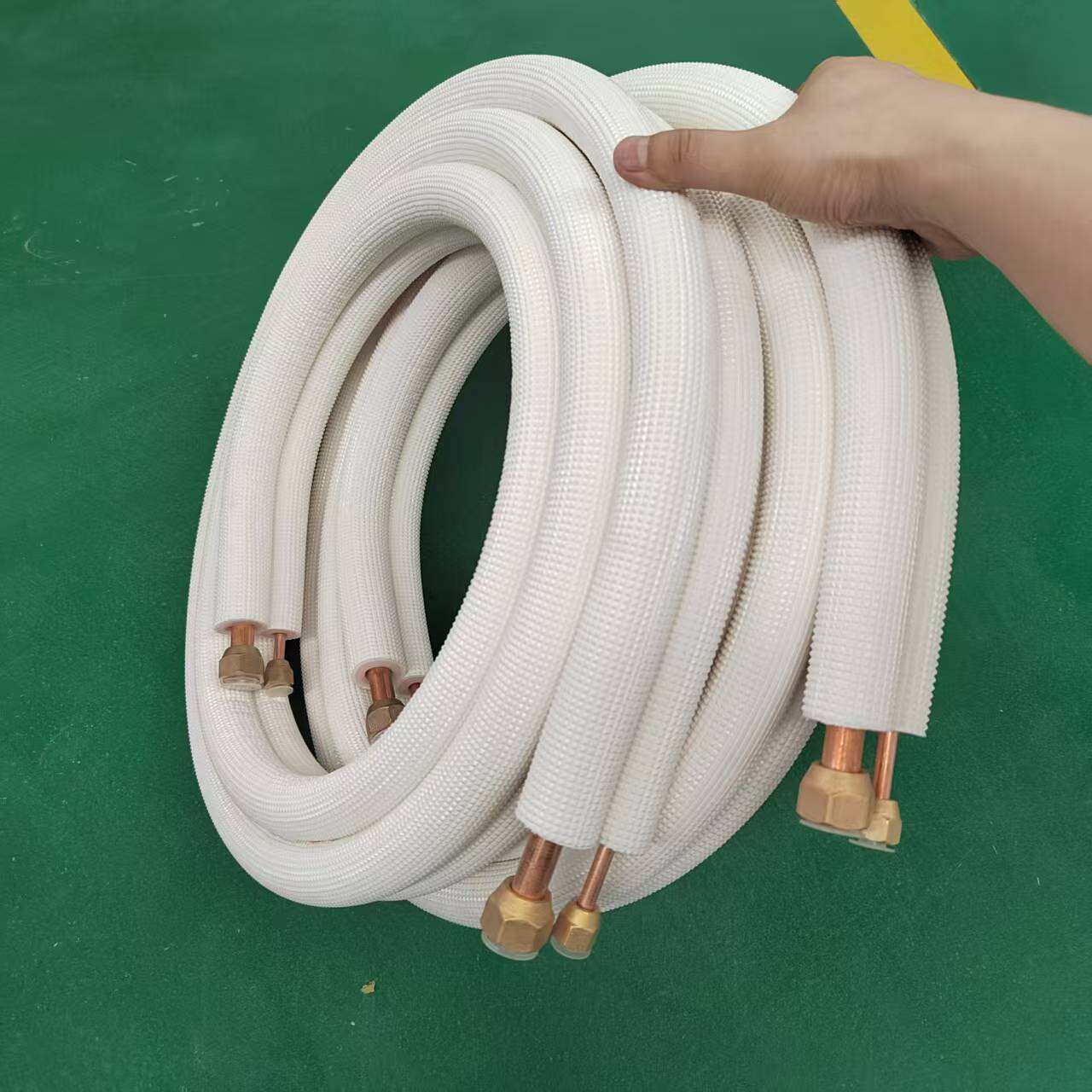
When selecting components for HVAC installations, one of the most critical considerations involves determining the appropriate refrigerant line set length and compatibility. A 50ft line set represents a substantial length that can accommodate larger residential properties and commercial applications, but understanding its universal compatibility requires careful examination of multiple factors. The selection process involves evaluating system capacity, refrigerant type, insulation requirements, and manufacturer specifications to ensure optimal performance and efficiency.
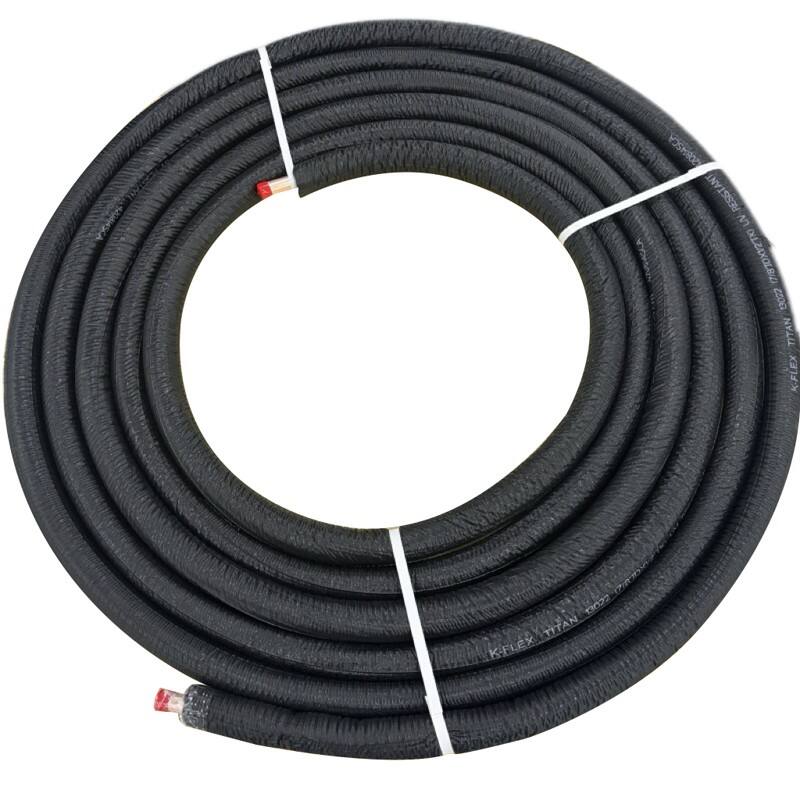
The compatibility of extended refrigerant lines depends heavily on the specific HVAC system design and operational parameters. Modern air conditioning systems utilize various refrigerant types, including R-410A, R-22, and newer environmentally friendly alternatives, each requiring specific line set characteristics. The length of the refrigerant lines directly impacts system efficiency, pressure drop, and overall cooling capacity, making proper sizing and selection essential for maintaining manufacturer warranties and optimal performance levels.
Understanding Line Set Compatibility Factors
System Capacity and Tonnage Requirements
The relationship between system tonnage and maximum allowable line length forms the foundation of compatibility assessment. Residential systems ranging from 1.5 to 5 tons typically have manufacturer-specified maximum line lengths that vary significantly based on capacity. Smaller systems often accommodate shorter runs, while larger capacity units can handle extended distances without substantial performance degradation. Understanding these capacity limitations prevents oversizing issues that could compromise system efficiency and reliability.
Commercial applications frequently require longer refrigerant runs, making a 50ft line set a viable solution for many installations. The key consideration involves matching the line diameter with the system's refrigerant flow requirements to maintain proper pressure differentials and ensure adequate refrigerant circulation. Oversized or undersized lines can create operational problems, including reduced cooling capacity, increased energy consumption, and potential compressor damage over time.
Refrigerant Type Considerations
Different refrigerant formulations exhibit varying characteristics that influence line set compatibility and performance. R-410A systems, commonly found in modern installations, operate at higher pressures than traditional R-22 systems, requiring appropriately rated copper tubing and connections. The molecular properties of each refrigerant type affect heat transfer efficiency and pressure drop characteristics throughout the system, particularly in longer line runs where these effects become more pronounced.
Environmental regulations continue to drive refrigerant evolution, with newer alternatives like R-32 and R-454B entering the market. These refrigerants may have different compatibility requirements for line sets, including specific insulation materials, joint compounds, and installation procedures. Contractors must verify that their selected line set materials and components meet the requirements for the specific refrigerant being used in each application.
Installation and Performance Considerations
Pressure Drop and System Efficiency
Extended refrigerant line lengths inevitably create pressure drops that can significantly impact system performance and efficiency. The relationship between line diameter, length, and pressure drop follows established engineering principles that determine optimal sizing for each application. Undersized lines create excessive pressure drops that force compressors to work harder, increasing energy consumption and potentially shortening equipment lifespan through increased operating stress.
Professional load calculations must account for pressure drop effects when specifying line set dimensions for longer runs. The industry standard practice involves calculating expected pressure losses and comparing them against manufacturer tolerance specifications to ensure acceptable performance levels. Systems operating beyond recommended pressure drop limits may experience reduced cooling capacity, poor temperature control, and increased operational costs that outweigh any initial savings from using smaller diameter lines.
Insulation and Energy Efficiency
Proper insulation becomes increasingly critical as line set length increases, particularly in applications spanning unconditioned spaces or exposed exterior installations. The thermal performance of insulation materials directly affects refrigerant temperature maintenance and overall system efficiency. Extended lines without adequate insulation protection suffer from significant thermal losses that reduce cooling capacity and increase energy consumption throughout the system's operational cycle.
Modern insulation materials offer varying levels of thermal resistance, moisture protection, and durability characteristics that influence long-term performance. Closed-cell foam insulation provides excellent thermal properties and moisture resistance, making it ideal for longer line set applications. The investment in high-quality insulation materials typically pays for itself through improved system efficiency and reduced energy costs over the equipment's operational lifespan.
Manufacturer Specifications and Warranty Considerations
Equipment Compatibility Guidelines
HVAC manufacturers provide detailed specifications regarding maximum allowable line lengths for their equipment, with these limits varying significantly between different models and capacity ranges. These specifications consider factors including compressor design, refrigerant charge requirements, and expected performance parameters under various operating conditions. Exceeding manufacturer recommendations can void warranties and create liability issues for contractors and property owners.
Documentation review becomes essential when planning installations with extended line sets, as manufacturers may offer specific guidelines for longer runs including additional components or installation procedures. Some manufacturers provide extended line set kits that include additional refrigerant charge, specialized installation instructions, and modified warranty terms for longer distance applications. Understanding these requirements prevents costly mistakes and ensures proper system operation from initial startup through the equipment's design life.
Installation Standards and Code Compliance
Building codes and industry standards establish minimum requirements for refrigerant line installations, including specifications for materials, installation methods, and safety considerations. The International Mechanical Code and local amendments provide framework requirements that apply to all refrigerant line installations regardless of length. Longer line sets may trigger additional requirements for supports, protection, and accessibility that must be incorporated into installation planning and execution.
Professional installation practices become increasingly important with longer line sets, as proper brazing techniques, leak testing, and evacuation procedures directly impact long-term reliability. The increased surface area and joint count in extended line sets create more opportunities for leaks and contamination if installation procedures are not followed meticulously. Investment in proper tools, materials, and training ensures successful installations that meet or exceed manufacturer and code requirements.
Applications and Practical Implementation
Residential Installation Scenarios
Large residential properties frequently require extended refrigerant line runs to connect outdoor condensing units with indoor evaporator coils located in optimal positions for comfort and aesthetics. Two-story homes, additions, and properties with challenging layouts often benefit from the flexibility provided by longer line sets that allow equipment placement optimization. The ability to position outdoor units in less visible or more accessible locations while maintaining indoor comfort represents a significant advantage for homeowners and contractors alike.
Custom home construction increasingly incorporates HVAC planning during the design phase, allowing for strategic line set routing that minimizes visual impact while maximizing system efficiency. Builders and HVAC contractors collaborate to identify optimal equipment locations and line routing paths that accommodate architectural requirements while maintaining system performance standards. This integrated approach often requires longer line sets but results in superior overall installations that meet both functional and aesthetic objectives.
Commercial and Industrial Applications
Commercial HVAC systems frequently utilize extended refrigerant lines to serve multiple zones or accommodate building layouts that require flexible equipment placement options. Retail spaces, office buildings, and industrial facilities often benefit from the design flexibility provided by longer line sets that allow optimal equipment positioning relative to served spaces. The ability to locate condensing units in service areas or rooftop locations while serving interior spaces represents a key advantage for commercial applications.
Process cooling applications in industrial settings may require extended refrigerant lines to connect cooling equipment with production areas while maintaining appropriate separation for safety and maintenance accessibility. Food processing, pharmaceutical manufacturing, and data centers represent examples where longer line sets enable proper equipment placement while meeting operational requirements. These applications often justify the additional cost and complexity associated with extended refrigerant lines through improved operational flexibility and maintenance accessibility.
FAQ
What is the maximum length for a 50ft line set in residential applications?
Most residential HVAC systems can accommodate 50ft line sets within manufacturer specifications, but maximum allowable length depends on system capacity and specific equipment models. Systems ranging from 2 to 5 tons typically support 50ft runs with proper sizing and installation techniques. Contractors should always verify manufacturer specifications for each specific model to ensure warranty compliance and optimal performance. Proper line sizing becomes increasingly important with longer runs to maintain adequate refrigerant flow and minimize pressure drops that could affect system efficiency.
Does line set length affect refrigerant charge requirements?
Extended line sets require additional refrigerant charge to compensate for the increased internal volume of the refrigerant circuit. Manufacturers typically specify additional charge requirements based on line diameter and length, with larger diameter lines requiring proportionally more additional refrigerant. Professional installation includes calculating and adding the appropriate additional charge during system commissioning to ensure proper operation. Incorrect refrigerant charge levels can significantly impact system performance, efficiency, and equipment longevity regardless of line set length.
Are there special insulation requirements for longer line sets?
Longer refrigerant lines require high-quality insulation to maintain thermal efficiency and prevent condensation issues that could damage building materials or reduce system performance. The insulation thickness and material specifications may increase for extended runs, particularly those passing through unconditioned spaces or exterior installations. Proper insulation installation includes sealing all joints and connections to prevent thermal bridging and moisture infiltration. Investment in quality insulation materials and professional installation techniques typically provides excellent returns through improved system efficiency and reduced maintenance requirements.
Can existing HVAC systems be retrofitted with longer line sets?
Existing HVAC systems can often accommodate longer line sets during replacement or relocation projects, but compatibility must be verified through manufacturer specifications and professional evaluation. The existing equipment capacity, age, and condition influence retrofit feasibility and may require system modifications or upgrades. Professional assessment includes evaluating current system performance, calculating expected changes from extended line lengths, and determining whether additional components or modifications are necessary. Successful retrofits require careful planning and execution to maintain system reliability and warranty coverage while achieving desired equipment placement objectives.