
 EN
EN



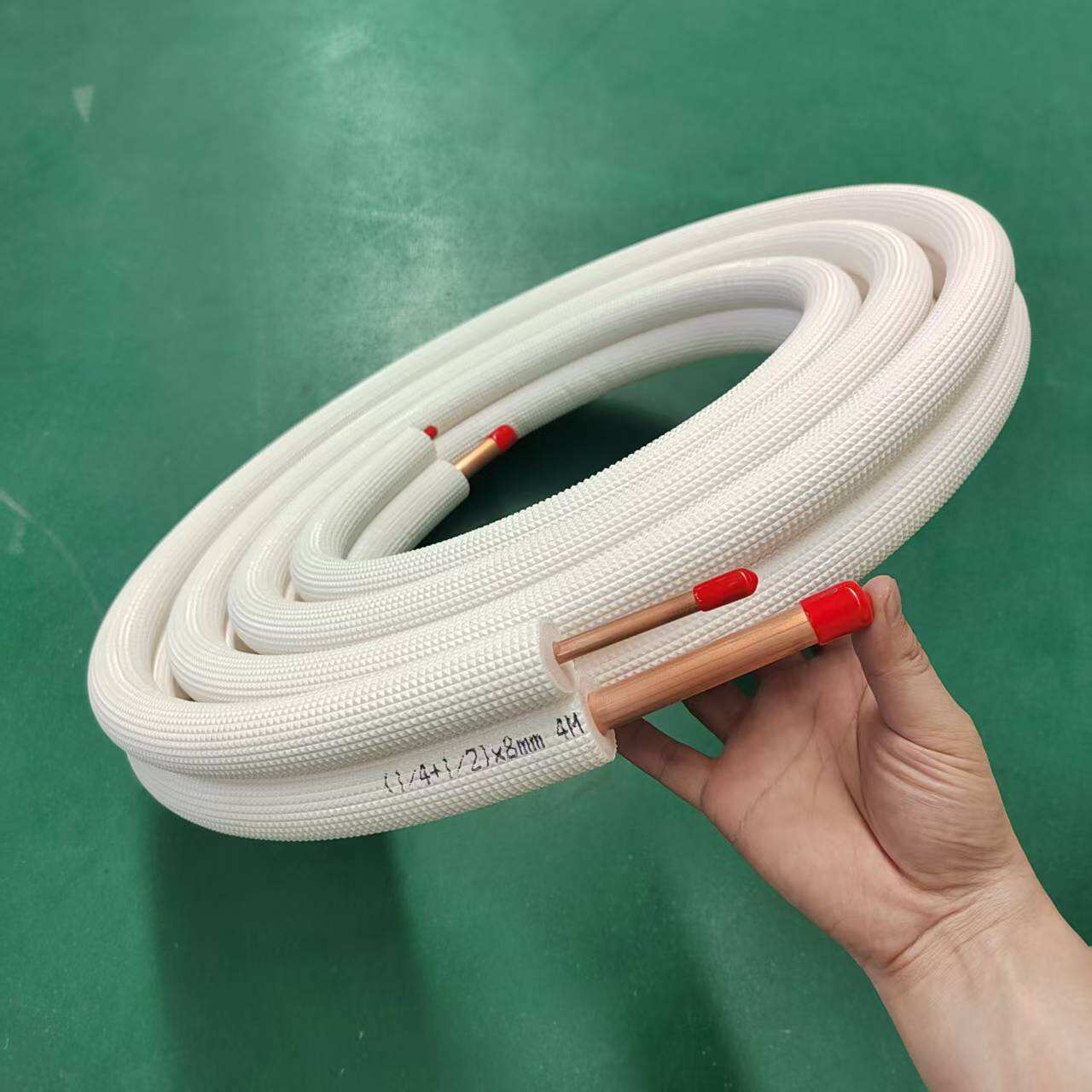
In modern HVAC systems, maintaining optimal cooling and heating balance depends heavily on the proper selection and installation of refrigerant line sets. A 50ft line set plays a crucial role in determining system efficiency, temperature control, and overall performance. Understanding how extended line lengths impact thermal dynamics is essential for HVAC professionals and property owners seeking to maximize their system's effectiveness while minimizing energy consumption.
Understanding Line Set Fundamentals in HVAC Systems
Basic Components and Configuration
A 50ft line set consists of two primary copper tubes that connect the outdoor condenser unit to the indoor evaporator coil. The larger suction line carries low-pressure refrigerant vapor back to the compressor, while the smaller liquid line transports high-pressure liquid refrigerant to the evaporator. These copper tubes are factory-insulated to prevent energy loss and condensation formation during operation.
The length specification of fifty feet represents the maximum recommended distance for maintaining optimal refrigeration cycle efficiency. Beyond this distance, additional considerations for refrigerant charge adjustments, pressure drop compensation, and enhanced insulation become necessary. Professional installers must carefully evaluate site conditions to determine whether a 50ft line set provides adequate reach without compromising system performance.
Material Properties and Thermal Characteristics
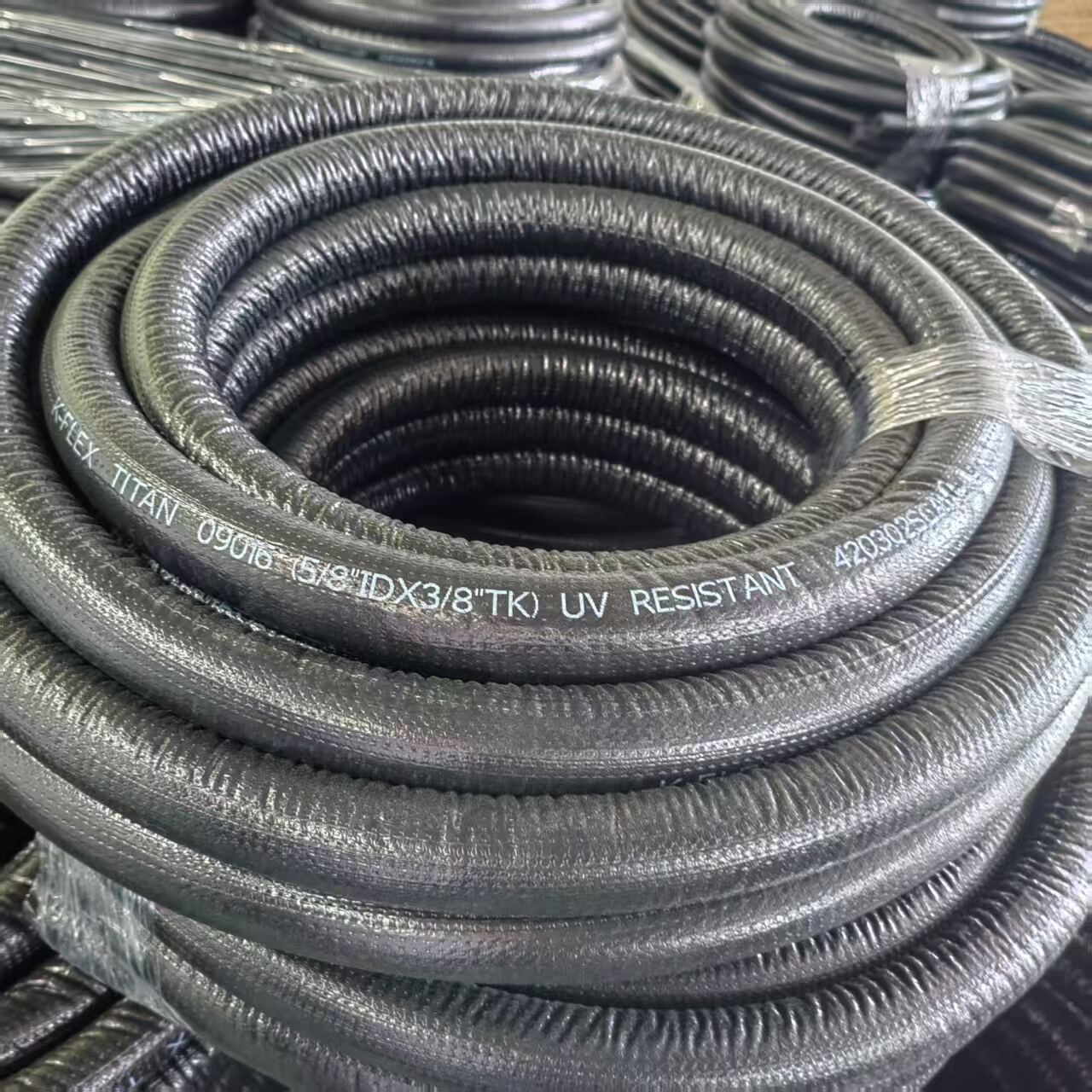
Copper construction offers excellent thermal conductivity and corrosion resistance, making it the preferred material for refrigerant lines. The K-flex insulation commonly used in quality line sets provides superior thermal barrier properties, reducing heat transfer between the refrigerant and ambient air. This insulation material maintains its effectiveness across a wide temperature range, ensuring consistent performance in both heating and cooling modes.
The wall thickness of copper tubing in a 50ft line set is engineered to withstand system pressures while minimizing refrigerant volume. Proper wall thickness ensures structural integrity during pressure fluctuations while maintaining efficient heat transfer characteristics. The insulation thickness must be proportional to line diameter and operating conditions to prevent thermal bridging and condensation issues.
Impact on Cooling Performance and Efficiency
Refrigerant Flow Dynamics
Extended line lengths in a 50ft line set configuration create additional pressure drop throughout the refrigeration circuit. This pressure reduction affects the refrigerant's ability to absorb and reject heat effectively, potentially reducing cooling capacity. The compressor must work harder to overcome this additional resistance, leading to increased energy consumption and reduced system efficiency.
The velocity of refrigerant flow through longer lines can impact oil return to the compressor, particularly in systems with multiple elevation changes. Inadequate oil return can cause compressor lubrication issues and premature equipment failure. Proper line sizing and installation techniques become critical when using a 50ft line set to ensure adequate refrigerant velocity for oil entrainment.
Temperature Control Precision
Longer refrigerant lines introduce thermal lag in system response to temperature changes. A 50ft line set requires more time for refrigerant state changes to propagate between indoor and outdoor units, affecting the system's ability to maintain precise temperature control. This delayed response can result in temperature overshoot or undershoot, reducing occupant comfort and increasing energy waste.
The additional thermal mass in extended line sets affects system cycling behavior. More refrigerant volume means longer startup and shutdown periods, potentially causing short cycling issues if not properly addressed through control system adjustments. Professional commissioning becomes essential to optimize control parameters for extended line configurations.
Heating Mode Considerations and Balance
Heat Pump Operation Challenges
When operating in heating mode, a heat pump system with a 50ft line set faces unique challenges related to refrigerant flow reversal and pressure dynamics. The longer lines can accumulate liquid refrigerant during heating operation, reducing the active refrigerant charge available for heat transfer. This phenomenon, known as refrigerant migration, can significantly impact heating capacity during cold weather conditions.
Defrost cycles in heat pump systems become more complex with extended line sets. The additional refrigerant volume requires longer defrost periods and more energy to reverse the refrigeration cycle effectively. Proper defrost control programming must account for the thermal characteristics of a 50ft line set to maintain efficient heating operation throughout the winter months.
Thermal Balance Optimization
Achieving optimal thermal balance with a 50ft line set requires careful attention to refrigerant charge calculations and system commissioning procedures. The additional line volume necessitates precise charge adjustments to maintain proper refrigerant distribution between heating and cooling modes. Incorrect charging can lead to poor performance, increased energy consumption, and potential equipment damage.
Line set insulation quality becomes particularly important during heating operation when temperature differentials between refrigerant and ambient air are maximized. Inadequate insulation can cause significant energy losses, reducing heating efficiency and increasing operating costs. Professional installation with attention to insulation integrity ensures optimal thermal balance throughout all operating conditions.
Installation Best Practices for Extended Line Sets
Routing and Support Considerations
Proper routing of a 50ft line set requires strategic planning to minimize elevation changes and avoid unnecessary bends or restrictions. Each directional change creates additional pressure drop and potential refrigerant flow disturbances. Professional installers must balance the need for protective routing with the requirement to maintain smooth, efficient refrigerant flow throughout the extended line length.
Adequate support spacing prevents line sagging and vibration-induced stress that can lead to joint failures or insulation damage. The weight of refrigerant in longer lines increases structural loading requirements, particularly for overhead installations. Proper support calculations ensure long-term reliability and maintain insulation integrity throughout the line set's service life.
Commissioning and Performance Verification
Commissioning procedures for systems with a 50ft line set must include comprehensive performance verification across all operating modes. Pressure testing, evacuation procedures, and refrigerant charging require extended time periods due to the increased system volume. Leak testing becomes more critical with longer lines, as small leaks can significantly impact performance over time.
Performance verification should include capacity measurements, energy consumption analysis, and temperature control accuracy assessments. These measurements establish baseline performance data and identify any installation issues that could affect long-term operation. Proper documentation of commissioning results provides valuable reference information for future maintenance and troubleshooting activities.
Energy Efficiency and Cost Implications
Operating Cost Analysis
The energy efficiency impact of a 50ft line set extends beyond immediate cooling and heating performance to affect long-term operating costs. Increased pressure drops and thermal losses translate to higher compressor energy consumption throughout the system's operational life. Professional energy analysis can quantify these impacts and guide decisions about alternative installation approaches or system sizing adjustments.
Maintenance requirements may increase with extended line sets due to the larger refrigerant volume and additional potential leak points. Regular performance monitoring becomes more important to identify efficiency degradation early and prevent minor issues from becoming major repairs. The cost of refrigerant replacement also increases proportionally with line set length.
Return on Investment Considerations
While a 50ft line set may represent the most cost-effective initial installation solution for certain building configurations, long-term return on investment must consider efficiency losses and increased maintenance costs. Alternative approaches, such as multiple smaller systems or strategic equipment placement, may provide better overall value despite higher initial installation costs.
Energy efficiency incentives and utility rebate programs often require minimum performance thresholds that may be more difficult to achieve with extended line sets. Professional analysis of available incentives and their performance requirements can help optimize system design decisions to maximize financial benefits while maintaining adequate cooling and heating performance.
FAQ
What is the maximum recommended length for residential HVAC line sets
Most manufacturers recommend maximum line set lengths between 50-75 feet for residential applications, with 50ft line set configurations representing the upper limit for maintaining optimal efficiency without significant modifications. Beyond this length, additional refrigerant charge, larger line sizes, or system capacity adjustments become necessary to maintain proper performance. Professional evaluation is essential for installations approaching these maximum distances.
How does line set length affect refrigerant charge requirements
Extended line sets like a 50ft line set require additional refrigerant charge to fill the extra tube volume and maintain proper system operation. Typical charge additions range from 0.1 to 0.6 ounces per foot of additional line length, depending on tube sizes and manufacturer specifications. Precise charge calculations must account for both liquid and suction line volumes to ensure optimal performance across all operating conditions.
Can a 50ft line set be used for both cooling and heating applications
Yes, a properly installed 50ft line set can support both cooling and heating operations in heat pump systems, though special attention must be paid to refrigerant charge optimization and defrost cycle programming. The extended line length may affect heating capacity more significantly than cooling performance due to refrigerant migration effects during heating mode operation. Professional system design and commissioning ensure proper performance in both modes.
What maintenance considerations apply to extended line set installations
Extended line sets require more frequent leak detection inspections due to the increased number of joints and connections over the longer distance. Annual performance monitoring helps identify efficiency degradation early, while insulation integrity checks prevent energy losses and condensation issues. Regular refrigerant level verification becomes more important with larger system volumes to maintain optimal cooling and heating balance throughout the equipment's service life.