
 EN
EN


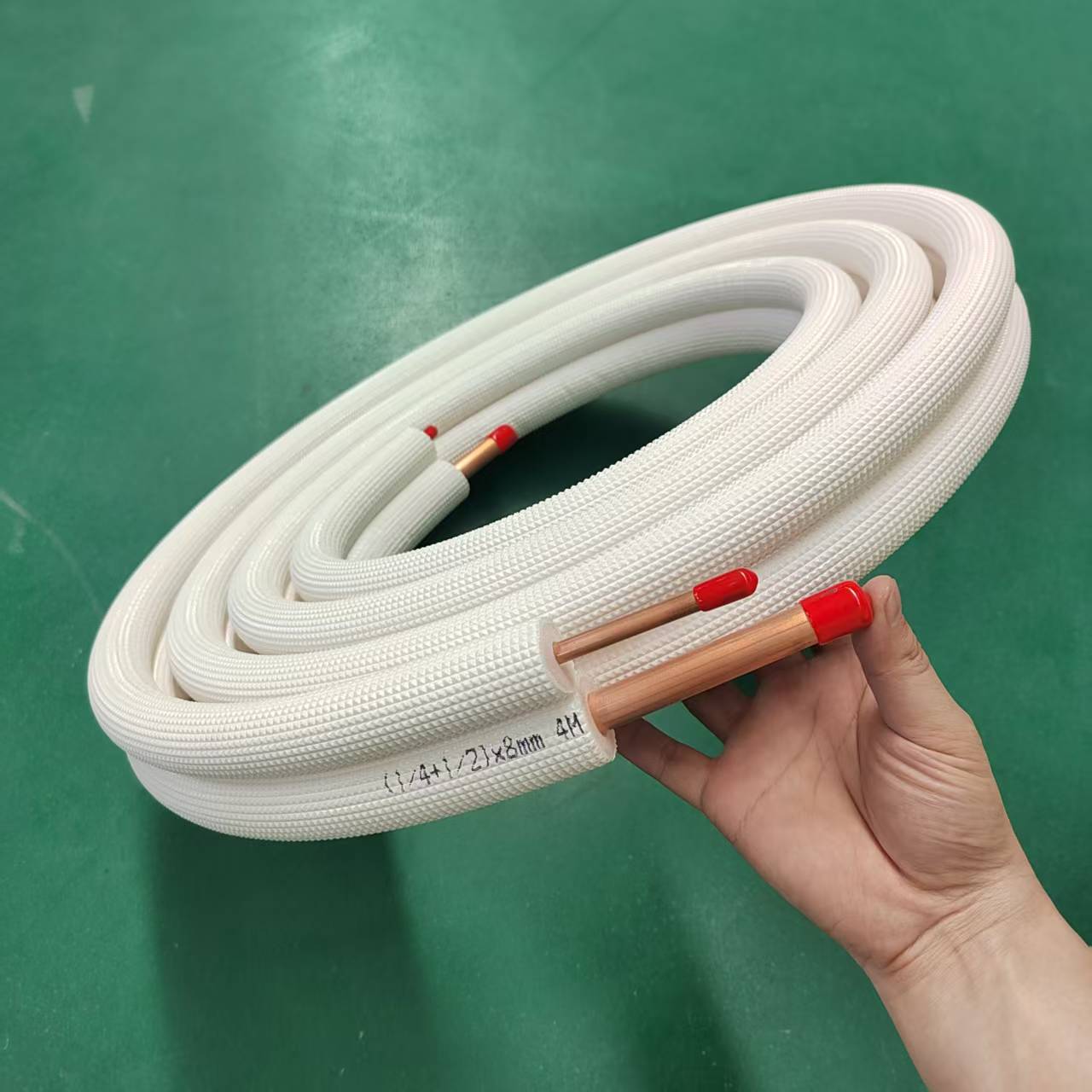
Selecting the right piping material for HVAC systems requires understanding how copper pipe heat transfer performance compares to alternatives like composite tubes. The thermal properties of these materials directly influence system efficiency, energy consumption, and long-term operational costs. Engineers and facility managers must evaluate copper pipe heat transfer characteristics alongside composite tube options to make informed decisions that align with project requirements, budget constraints, and performance expectations. This comparison reveals significant variations in how each material handles thermal energy transfer, with implications for residential, commercial, and industrial applications.
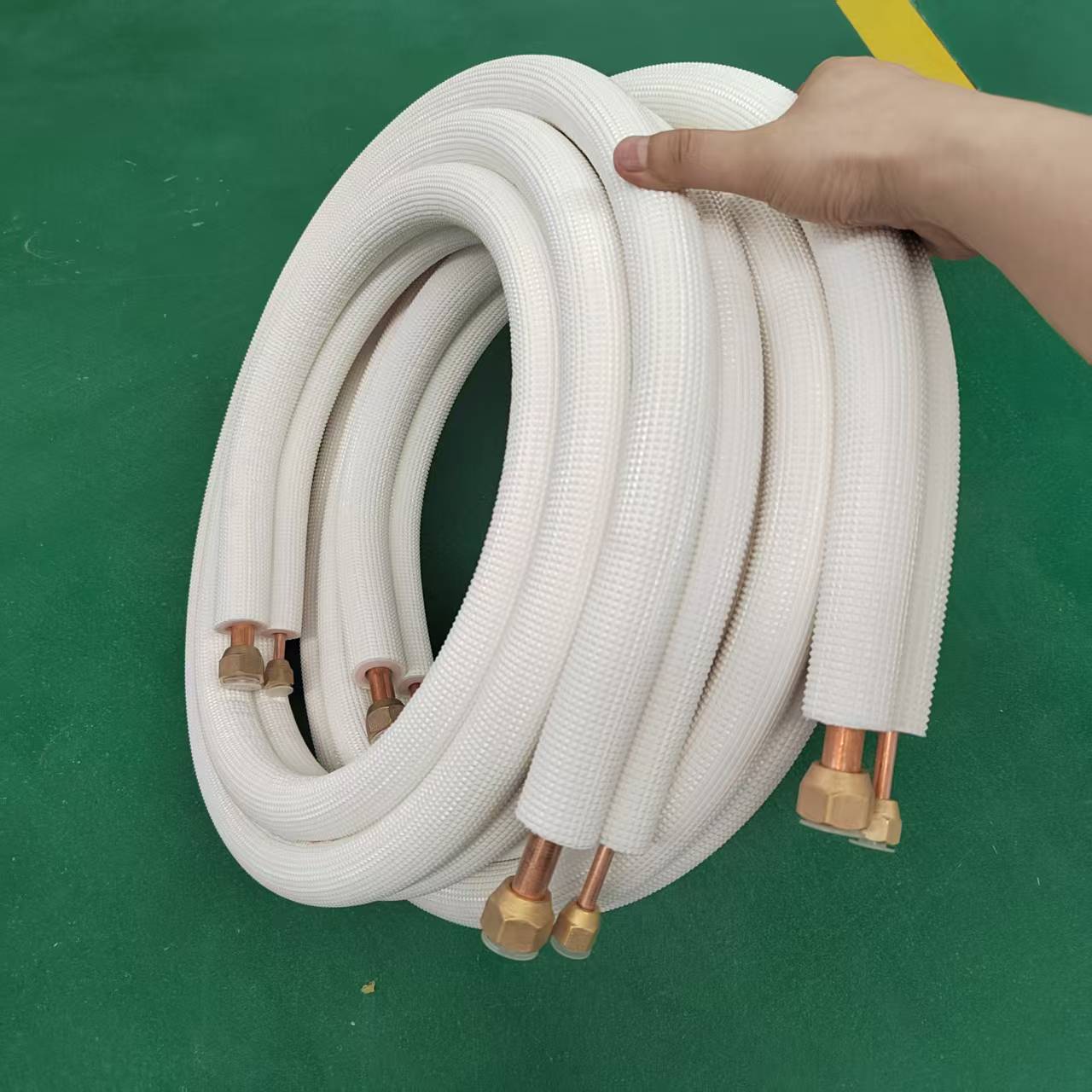
The debate between copper pipe heat transfer performance and composite tube capabilities has shaped HVAC design standards for decades. Copper remains the industry benchmark for thermal conductivity, yet modern composite tubes offer distinct advantages in specific applications. Understanding these variations helps professionals select materials that optimize system performance while managing installation complexity, maintenance requirements, and lifecycle costs effectively.
Thermal Conductivity and Heat Transfer Properties
Copper Pipe Heat Transfer Fundamentals
Copper pipe heat transfer capability stems from copper's exceptional thermal conductivity rating of approximately 401 watts per meter-kelvin at standard operating temperatures. This high thermal conductivity enables rapid heat exchange between refrigerant flowing through the copper pipe and the surrounding environment. The metal's crystalline structure facilitates electron movement, which directly translates to superior copper pipe heat transfer performance compared to most alternative materials. Thin-walled copper construction maximizes surface area exposure while maintaining structural integrity under pressure cycles common in air conditioning systems.
The relationship between wall thickness and copper pipe heat transfer efficiency demonstrates that thinner copper walls accelerate thermal response times. However, thinner designs must balance heat transfer improvement against pressure rating requirements and mechanical durability. Copper's malleability allows manufacturers to optimize wall thickness specifically for copper pipe heat transfer applications, creating tubing that responds quickly to temperature changes without compromising reliability during expansion and contraction cycles.
Composite Tube Heat Transfer Characteristics
Composite tubes constructed from materials like cross-linked polyethylene with aluminum barriers exhibit thermal conductivity ratings ranging from 0.4 to 0.8 watts per meter-kelvin, representing approximately 500 times lower thermal conductivity than copper pipe heat transfer materials. Despite this substantial difference, composite tube design often incorporates aluminum layers that improve heat transfer rates relative to pure polymer alternatives. The copper pipe heat transfer advantage becomes most pronounced in high-demand cooling applications where rapid thermal response prevents temperature overshoot and improves system efficiency.
Composite tubes compensate for lower thermal conductivity through different design strategies. Increased wall thickness and extended surface contact length can partially offset the copper pipe heat transfer superiority. Many composite tube designs feature textured internal surfaces or helical patterns that promote turbulent refrigerant flow, which enhances convective heat transfer within the tubing itself. These design adaptations narrow the copper pipe heat transfer performance gap in specific installation scenarios while offering other operational benefits.
Performance Variations in Real-World Applications
System Response Time and Temperature Control
Copper pipe heat transfer efficiency directly influences how quickly HVAC systems respond to demand changes. In residential air conditioning applications, superior copper pipe heat transfer enables faster compressor modulation and more precise temperature control, reducing temperature swing magnitude and improving occupant comfort levels. The thermal mass of composite tubes requires longer periods to reach equilibrium, which can introduce lag time in system response. Applications with frequent on-off cycling benefit most from copper pipe heat transfer advantages, as the material's responsiveness prevents unnecessary energy waste during acceleration phases.
Commercial buildings with variable occupancy patterns experience measurable efficiency gains from copper pipe heat transfer performance. Meeting rooms, conference spaces, and retail environments require rapid cooling or heating adjustments throughout operating hours. Copper pipe heat transfer superiority reduces the duration of overcooling or overheating, which translates directly into energy savings. Composite tubes tolerate these applications adequately but require larger surface areas or longer contact lengths to achieve equivalent copper pipe heat transfer performance levels.
Energy Consumption and Operating Costs
The thermal advantages of copper pipe heat transfer accumulate over system lifetime, particularly in climates with extended cooling or heating seasons. Studies comparing identical HVAC systems using copper versus composite distribution show that copper pipe heat transfer efficiency can reduce compressor runtime by 3 to 8 percent depending on application profile and environmental conditions. These efficiency improvements compound monthly and annually, offsetting the higher initial material cost associated with copper pipe selection. Building owners analyzing lifecycle costs frequently find that copper pipe heat transfer performance justifies premium pricing within 5 to 7 years of operation.
Maintenance complexity also influences true operating costs for copper pipe heat transfer systems versus composite alternatives. Copper's thermal efficiency permits smaller diameter tubing in many applications, reducing overall system volume and accelerating heat exchange. Smaller systems require less refrigerant charge, resulting in lower environmental impact and reduced maintenance intervention frequency. The copper pipe heat transfer advantages extend beyond raw thermal performance to encompass broader operational and environmental considerations.
Installation, Durability, and Material Selection Criteria
Installation Complexity and System Design Flexibility
Copper pipe heat transfer benefits must be weighed against installation complexity and design flexibility constraints. Copper tubing requires specialized tools, brazing expertise, and certification for safe installation, particularly in commercial applications requiring code compliance. Training requirements for copper pipe heat transfer system installation increase labor costs and extend project timelines. Composite tubes offer easier installation procedures using crimp or compression fittings, reducing labor requirements and installation risk. Trade-offs between copper pipe heat transfer performance and installation simplicity influence material selection, particularly in retrofit applications where workspace constraints limit construction flexibility.
System designers choosing between copper pipe and composite alternatives must consider architectural constraints, space availability, and existing infrastructure compatibility. Copper pipe heat transfer systems often require distinct routing paths and support structures due to brazing requirements. Composite tubes adapt more easily to building configurations with complex geometries or severe space limitations. Many engineers specify composite tubes for applications where installation simplicity and cost control override copper pipe heat transfer performance considerations, accepting slight efficiency trade-offs for practical construction advantages.
Long-Term Durability and Environmental Resistance
Copper pipe heat transfer performance remains stable throughout extended service life, with minimal degradation from thermal cycling or refrigerant exposure. Copper's resistance to corrosion and oxidation ensures that thermal properties persist across 15 to 25 year equipment lifespans. Environmental factors like humidity, salt air exposure, or chemical contamination rarely compromise copper pipe heat transfer capabilities in typical HVAC applications. This durability ensures that efficiency gains achieved through copper selection remain consistent across the system's operational lifetime.
Composite tubes exhibit different durability profiles compared to copper pipe heat transfer materials. While composite materials resist many corrosive influences better than copper in certain chemical environments, their thermal characteristics may degrade under extreme temperature cycling or extended ultraviolet exposure. Careful material selection within the composite tube category ensures adequate performance across application lifespans. Comparing copper pipe heat transfer stability against composite tube degradation patterns helps predict long-term system efficiency and informs material choice based on expected operating conditions and environmental exposure scenarios.
FAQ
Why does copper pipe heat transfer outperform composite tubes in most HVAC applications?
Copper pipe heat transfer superiority stems from copper's thermal conductivity rating of approximately 401 watts per meter-kelvin, compared to composite materials at 0.4 to 0.8 watts per meter-kelvin. This 500-fold difference enables copper to transfer thermal energy approximately 500 times more effectively than polymer-based materials. Superior copper pipe heat transfer performance reduces system response time, improves temperature control precision, and decreases overall energy consumption. The material's established thermal properties have made copper the industry standard for demanding HVAC applications where efficiency directly impacts operating costs.
When should designers select composite tubes instead of copper pipe for heat transfer applications?
Composite tubes offer advantages in specific scenarios despite lower copper pipe heat transfer performance. Installation simplicity, reduced labor requirements, and easier retrofit compatibility make composite tubes attractive for projects with budget constraints or severe schedule limitations. Chemical environments where copper encounters corrosion risks may favor composite selections despite lower thermal efficiency. Applications with stable, predictable cooling demands can tolerate composite's slower thermal response. Cost-sensitive residential projects often specify composite tubes to reduce material expenses, accepting modest efficiency trade-offs. System designers should evaluate copper pipe heat transfer benefits against practical constraints specific to each project context.
How significantly do copper pipe heat transfer efficiency differences impact long-term energy consumption?
Copper pipe heat transfer efficiency advantages typically reduce annual energy consumption by 3 to 8 percent compared to equivalent composite tube systems, with variation depending on climate, usage patterns, and application profile. This efficiency improvement translates into measurable cost savings across 5 to 7 year payback periods in most commercial applications. Residential systems experience similar efficiency gains, though absolute dollar savings depend on local electricity rates and cooling season length. The cumulative effect of copper pipe heat transfer superiority justifies premium material costs in applications operating 12 or more hours daily, while lower-use systems may reach economic break-even periods of 10 to 15 years.