
 EN
EN


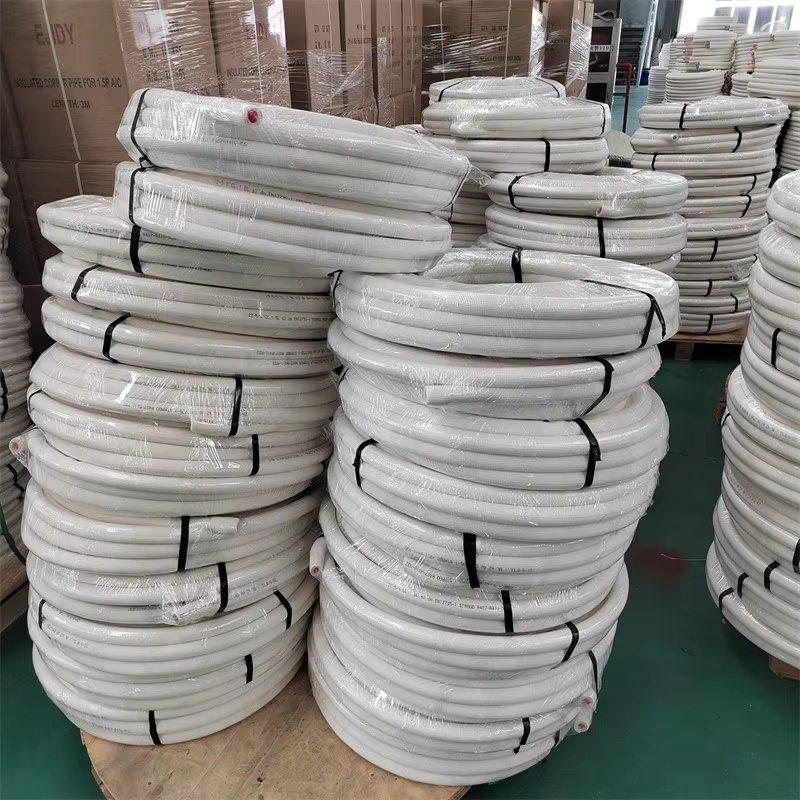
A properly formed line set represents one of the most critical components in any HVAC system's ability to maintain refrigerant integrity and operational efficiency. When technicians invest time in ensuring that a properly formed line set meets exact specifications, they directly prevent costly refrigerant leaks that can compromise system performance and increase operational expenses. The relationship between proper formation and leak prevention is not coincidental but rather a fundamental engineering principle that governs refrigerant containment and system longevity.
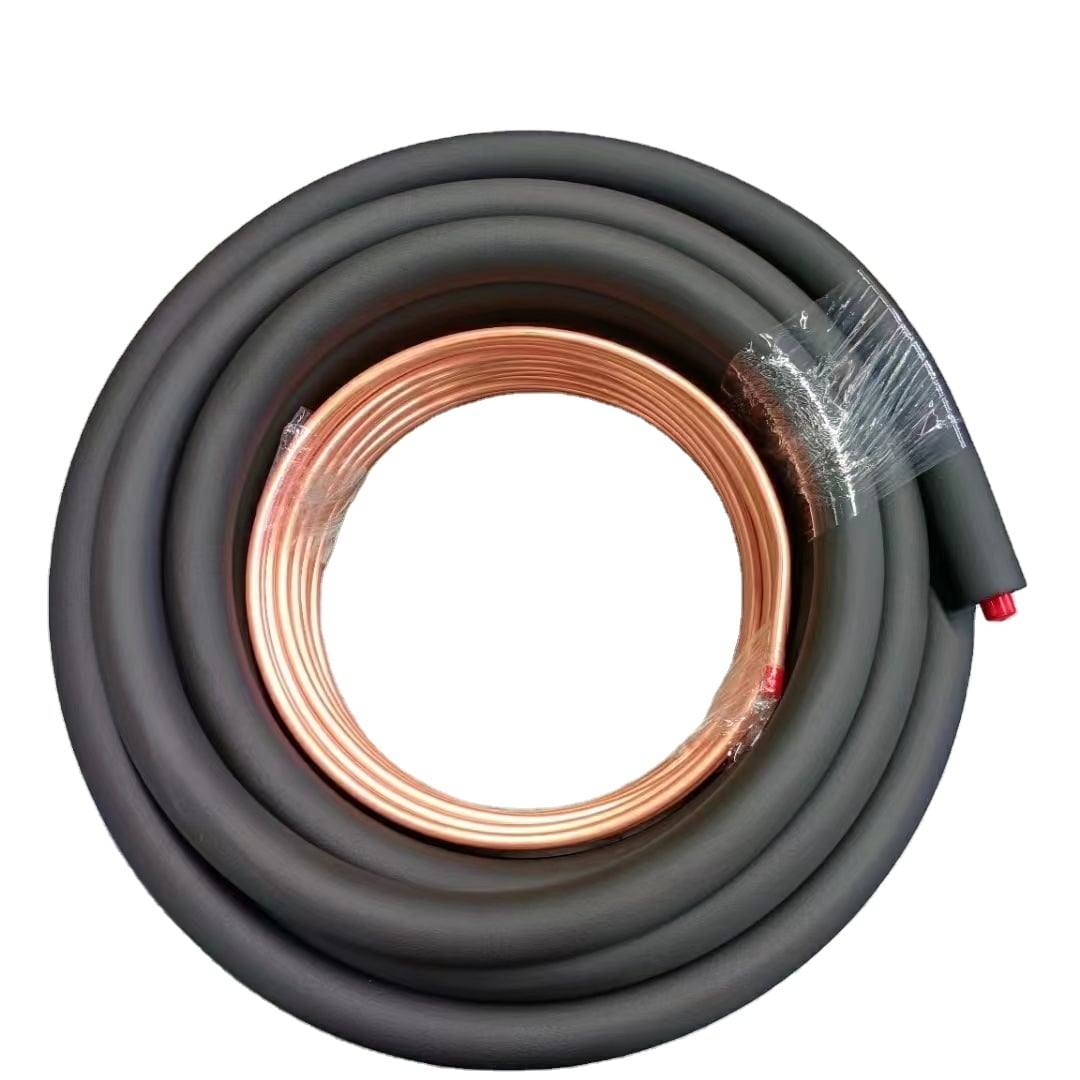
Understanding why a properly formed line set serves as such an effective barrier against refrigerant escape requires examining the physical and mechanical foundations of line set construction. Every bend, connection point, and material specification within a properly formed line set works synergistically to eliminate pathways where refrigerant molecules can migrate outward. This article explores the comprehensive role of proper line set formation in protecting HVAC systems from refrigerant loss and the cascading operational problems that result from formation defects.
The Mechanical Foundation of a Properly Formed Line Set
Understanding Formation Standards and Specifications
A properly formed line set must adhere to strict dimensional and material specifications established through decades of HVAC industry practice and regulatory standards. These specifications address bend radius requirements, copper tubing wall thickness, and connection integrity to ensure that a properly formed line set can withstand system pressures without developing micro-fractures or stress points. When technicians follow these standards precisely, they create a properly formed line set that maintains structural integrity throughout its operational lifespan, typically fifteen to twenty years or more.
The copper tubing used in a properly formed line set must maintain consistent wall thickness and chemical purity to resist both pressure-induced stress and corrosive environmental factors. Inferior materials or improper handling during formation create weak points where stress concentrates, eventually leading to leaks that compromise the entire system. A properly formed line set constructed from premium copper maintains its protective properties regardless of whether the system operates in harsh coastal environments, industrial settings, or standard commercial spaces.
Bend Radius and Structural Integrity
The bend radius specifications for a properly formed line set directly determine how effectively the tubing resists pressure-induced stress at curved sections. Technicians who create a properly formed line set with correct bend radii distribute pressure evenly across the curve, preventing the stress concentration that typically initiates cracks in poorly formed line sets. When bends are too tight or formed through improper techniques, the copper crystalline structure becomes compromised, creating permanent weak points within the tubing walls that eventually rupture under operational pressure cycles.
Proper formation techniques ensure that copper maintains its ductility and structural resilience through the bending process. A properly formed line set exhibits consistent wall thickness throughout all bends, with no crimping, flattening, or internal deformation that would weaken the tubing. This structural integrity represents the physical foundation that allows a properly formed line set to contain high-pressure refrigerant safely for decades without developing the pinhole leaks that plague improperly formed alternatives.
Connection Integrity and Leak Prevention Mechanisms
Flare Connections and Seal Quality
A properly formed line set must include flare connections that create absolutely reliable seals between the tubing and system components, as even microscopic gaps allow refrigerant molecules to escape gradually. The flaring process that creates a properly formed line set's connection points requires precision technique to ensure that the flared end seats perfectly against mating surfaces without gaps or irregularities. Technicians who understand how to create a properly formed line set recognize that flare quality directly determines whether the system will experience slow refrigerant migration or maintain perfect containment.
When a properly formed line set is installed with flare connections that have been prepared according to exact specifications, the connection withstands thousands of thermal expansion and contraction cycles without developing leaks. Poor flaring technique creates microscopic irregularities that accumulate stress over time, eventually leading to separation between the flared end and its mating surface. A properly formed line set with precision flare connections prevents this deterioration and maintains absolute seal integrity throughout the system's operational life.
Brazing and Solder Joint Security
Many HVAC applications require that a properly formed line set include brazed or soldered joints that connect copper tubing sections into continuous pathways. A properly formed line set with high-quality brazed joints creates metallurgical bonds between copper sections that are actually stronger than the base copper material itself, eliminating potential leak points that plague systems with inferior joint construction. The brazing process for a properly formed line set requires exacting temperature control and material selection to ensure that joints can withstand both the internal refrigerant pressure and external environmental stresses.
Technicians who create a properly formed line set through proper brazing techniques recognize that joint strength represents a critical component of the overall leak prevention strategy. When joints are poorly brazed, they develop micro-porosity and stress points that allow refrigerant to weep gradually into the surrounding environment. A properly formed line set with sound brazed connections maintains perfect integrity even under the extreme pressure variations that occur during system startup, shutdown, and seasonal operation changes.
Installation Practices That Maintain Formation Integrity
Handling and Support Protocols
A properly formed line set can only maintain its protective qualities when field technicians handle it with appropriate care during installation and routing through building structures. Dropping, bending excessively, or applying mechanical stress to a properly formed line set during installation can cause internal damage that remains invisible until refrigerant leaks begin appearing weeks or months after system startup. Proper installation protocols require that technicians support a properly formed line set at regular intervals along its routing path, preventing vibration-induced stress that accumulates over operational cycles.
When installers protect a properly formed line set from physical damage through careful handling and appropriate support placement, they preserve the structural integrity that the manufacturing process created. Vibration and mechanical stress represent insidious threats to line set integrity because damage may not manifest immediately as observable leaks. A properly formed line set that receives proper installation support benefits from many years of leak-free operation, while identical products mishandled during installation may develop refrigerant loss within the first heating or cooling season.
Connection Verification and Testing
Technicians who recognize the value of a properly formed line set implement systematic verification procedures to confirm that all connections remain secure and sealed before system commissioning. Pressure testing protocols specific to a properly formed line set installation ensure that flare connections, brazed joints, and tubing walls can all withstand operational pressures without developing leaks under real-world conditions. When a properly formed line set passes these rigorous tests before the system begins operation, owners avoid the expensive troubleshooting and repairs that plague systems with installation defects.
The verification process confirms that a properly formed line set maintains absolute seal integrity from the compressor discharge through the condenser, evaporator, and accumulator circuits. Leak detection during commissioning identifies potential problem areas in a properly formed line set before the system enters service, allowing technicians to address formation or installation defects before they compromise system performance. This proactive approach transforms a properly formed line set into a verified, reliable component rather than a potential source of operational problems.
Real-World Impact of Proper Formation on System Performance
Refrigerant Retention and System Efficiency
Systems equipped with a properly formed line set maintain their refrigerant charge more reliably than those with poorly formed alternatives, directly translating to consistent cooling and heating capacity throughout the system's operational life. When a properly formed line set prevents refrigerant escape, the system maintains its design charge without requiring frequent technician visits for refrigerant top-ups that indicate underlying leak problems. This consistency allows facilities to depend on predictable performance and budget accurately for HVAC operational costs without surprise expenses related to refrigerant loss.
The efficiency gains from maintaining proper refrigerant charge in a properly formed line set installation compound over many operational years, resulting in total energy consumption reductions that can exceed ten to fifteen percent compared to systems suffering gradual refrigerant loss. A properly formed line set essentially guarantees that the equipment will operate at manufacturer specifications rather than degraded performance conditions caused by incomplete refrigerant charge.
Extended Component Lifespan and Reduced Maintenance
A properly formed line set that prevents refrigerant loss also protects compressors, expansion devices, and other system components from the stress and contamination that accompanies external air infiltration through leak points. When refrigerant escapes from a poorly formed line set, atmospheric moisture and contaminants enter through the same opening, accelerating corrosion and component degradation. Conversely, a properly formed line set maintains a sealed system environment where compressor bearings receive consistent lubrication and all components operate within design parameters for their entire intended lifespan.
The maintenance cost reduction from properly formed line set installation becomes apparent within the first few years as systems avoid costly compressor replacements, expansion valve cleanings, and repeated refrigerant charge procedures that plague systems with formation defects. Building owners who invest in quality a properly formed line set installation experience dramatically lower lifecycle costs compared to facilities that accept cheaper, poorly formed alternatives that require constant attention and emergency repairs.
FAQ
What makes a properly formed line set different from standard tubing?
A properly formed line set undergoes precision manufacturing and testing to ensure exact bend radii, consistent wall thickness, and flawless connections that standard tubing cannot guarantee. The formation process for a properly formed line set includes quality controls that verify structural integrity before shipping, eliminating defects that might develop during casual on-site bending. This manufacturing rigor transforms a properly formed line set into a precision component rather than generic copper tubing, directly reducing refrigerant leak risk.
How often should a properly formed line set be inspected?
A properly formed line set should be inspected during initial system commissioning and annually thereafter as part of routine maintenance protocols to verify that connections remain secure and the tubing shows no external damage. Annual inspections identify emerging issues early, allowing technicians to address potential problems before a properly formed line set develops active leaks. Systems with a properly formed line set typically require significantly fewer inspection interventions than those with poorly formed alternatives that may develop leaks within months of installation.
Can a properly formed line set be modified after installation?
A properly formed line set should ideally remain unmodified after installation because any bending, flaring, or joint work performed in the field risks compromising the formation integrity that the manufacturing process established. If modifications become necessary, they should only be performed by experienced technicians using proper equipment and techniques to minimize the risk of creating defects in a properly formed line set. New field modifications can introduce stress points that undermine the protective qualities that made a properly formed line set valuable originally.