
 EN
EN



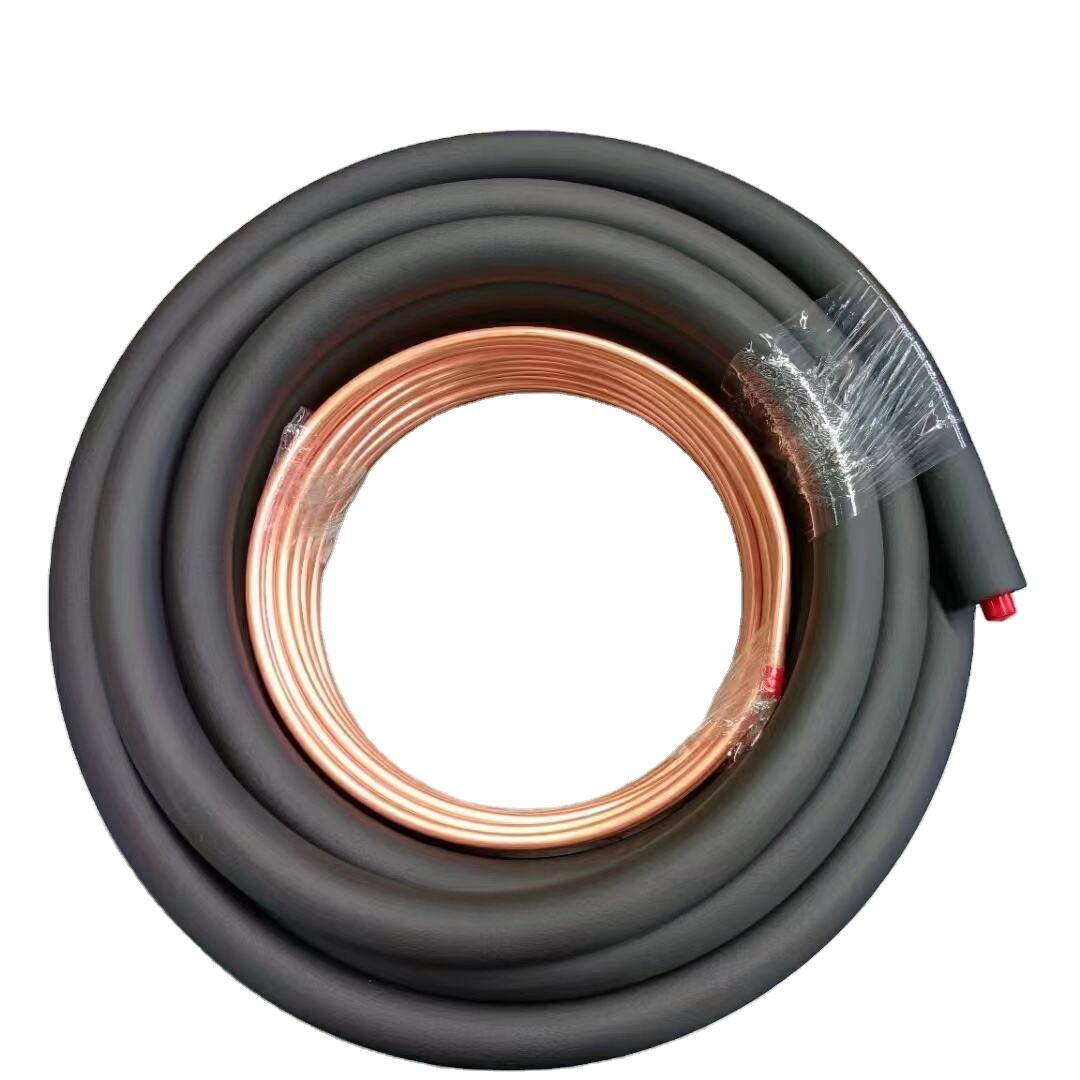
Modern HVAC systems depend heavily on efficient refrigerant distribution networks that connect outdoor condensing units to indoor evaporator coils. These critical pathways, known as HVAC line sets, have undergone significant technological advancements in recent years to meet evolving industry demands for energy efficiency, environmental compliance, and installation versatility. Today's innovations in line set technology are transforming how contractors approach system design, installation methods, and long-term maintenance strategies across residential and commercial applications.
Advanced Materials and Manufacturing Techniques
Copper Alloy Innovations
The foundation of modern HVAC line sets continues to evolve through advanced copper alloy formulations that offer superior durability and corrosion resistance. Manufacturers are incorporating trace elements like phosphorus and silver to create copper tubes with enhanced antimicrobial properties and improved thermal conductivity. These metallurgical improvements result in longer service life and reduced maintenance requirements compared to traditional copper tubing. The enhanced alloys also demonstrate better resistance to formicary corrosion, a common issue in humid environments where organic acids can compromise standard copper installations.
Recent developments in seamless tube manufacturing have eliminated potential weak points that previously occurred at welded joints. Advanced drawing processes create uniform wall thickness throughout the entire length, ensuring consistent pressure ratings and thermal performance. This manufacturing precision translates to more reliable system operation and reduced risk of refrigerant leaks over the system's operational lifetime. Quality control measures now include ultrasonic testing and computer-controlled dimension verification to maintain tight tolerances.
Alternative Material Technologies
While copper remains the industry standard, innovative manufacturers are exploring alternative materials that offer specific advantages in certain applications. Aluminum alloys treated with specialized coatings provide lightweight solutions for long-distance runs where weight considerations are critical. These alternatives incorporate advanced surface treatments that prevent galvanic corrosion and ensure compatibility with various refrigerant types. Stainless steel variants offer exceptional chemical resistance for industrial applications where exposure to harsh environmental conditions is expected.
Composite materials featuring polymer cores with metallic outer layers represent an emerging category that combines the best characteristics of multiple materials. These hybrid solutions offer excellent flexibility for complex routing while maintaining the thermal properties required for efficient refrigerant transport. The development of these materials addresses specific installation challenges in retrofit applications where space constraints and accessibility issues limit traditional copper installation methods.
Insulation Technology Breakthroughs
Enhanced Thermal Performance
Modern insulation systems for HVAC line sets incorporate closed-cell foam technologies with significantly improved thermal resistance values compared to conventional materials. These advanced insulation materials feature micro-cellular structures that minimize thermal bridging and provide superior moisture barrier properties. The enhanced performance characteristics allow for thinner wall sections while maintaining or exceeding traditional insulation effectiveness, creating opportunities for more compact installations in space-constrained environments.
Aerogel-infused insulation represents a cutting-edge development that achieves exceptional thermal performance in remarkably thin profiles. This technology incorporates microscopic air pockets suspended in a solid matrix, creating insulation with thermal conductivity values approaching those of still air. The result is dramatically improved energy efficiency and reduced condensation risk, particularly beneficial in high-humidity applications where traditional insulation might fail to prevent surface moisture accumulation.
Environmental and Safety Considerations
Contemporary insulation materials prioritize environmental sustainability through the use of renewable raw materials and manufacturing processes that minimize greenhouse gas emissions. Bio-based polyurethane foams derived from agricultural waste products offer comparable performance to petroleum-based alternatives while reducing environmental impact. These eco-friendly options appeal to contractors and building owners seeking to achieve green building certifications and reduce overall project carbon footprints.
Fire-resistant insulation formulations incorporate flame-retardant additives that meet or exceed current building code requirements without compromising thermal performance. Advanced testing protocols ensure these materials maintain their protective properties throughout their service life, even under extreme temperature cycling conditions. Self-extinguishing characteristics provide additional safety margins in commercial applications where fire suppression systems may have delayed response times.
Pre-Fabricated and Modular Solutions
Factory-Assembled Line Sets
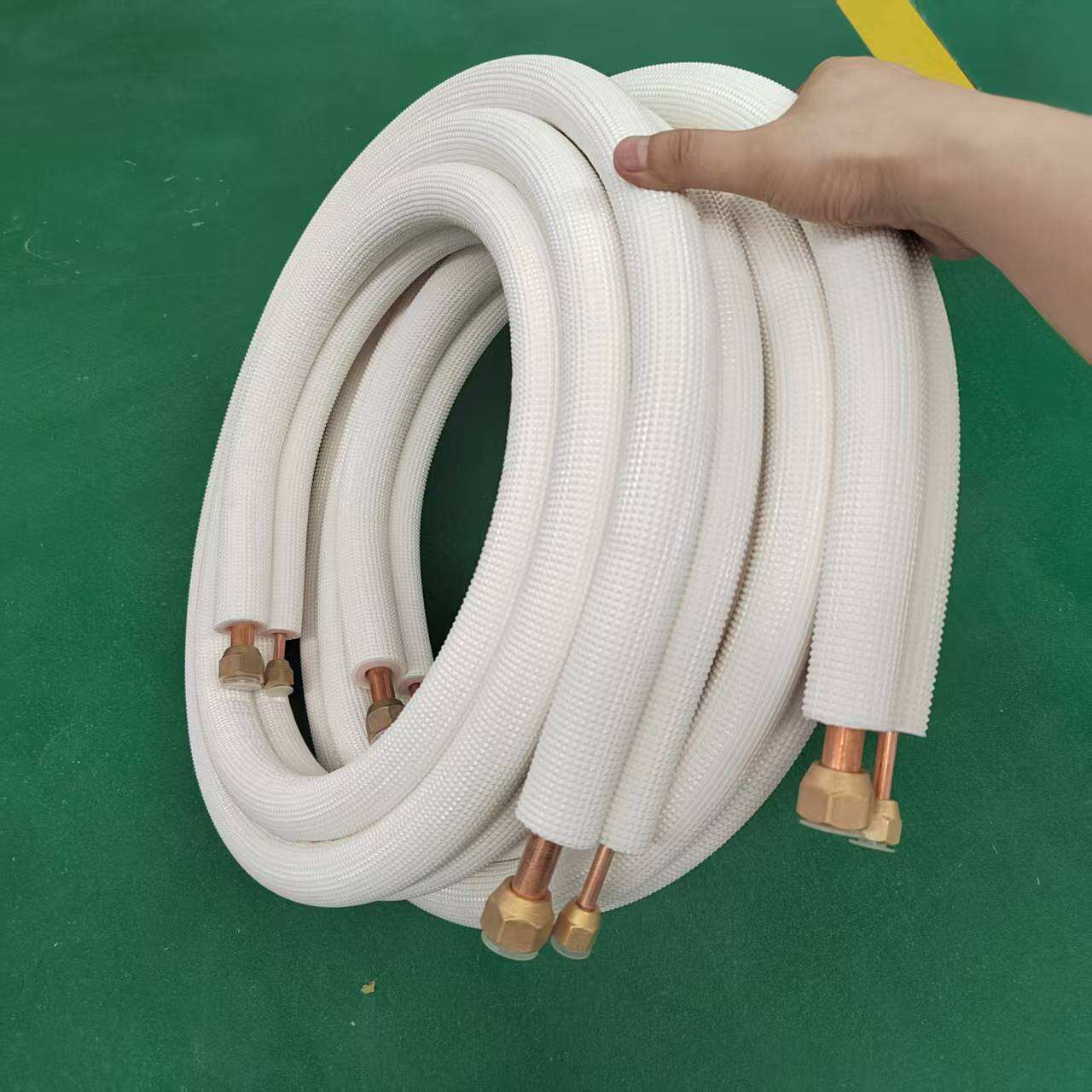
The trend toward factory-assembled HVAC line sets represents a significant shift in installation methodology that reduces field labor requirements and improves quality consistency. These pre-fabricated assemblies undergo rigorous quality control testing in controlled manufacturing environments, ensuring proper brazing techniques, leak-free connections, and optimal insulation application. The factory environment allows for precision tooling and automated processes that consistently produce superior results compared to field assembly methods.
Custom-length manufacturing capabilities enable contractors to order line sets tailored to specific project requirements, minimizing waste and reducing installation time. Advanced planning software allows precise measurement input that accounts for routing obstacles and connection requirements, resulting in line sets that fit perfectly upon delivery. This approach eliminates the need for field modifications and reduces the risk of installation errors that could compromise system performance.
Quick-Connect Technologies
Mechanical connection systems have evolved to provide reliable, repeatable joints without requiring brazing skills or open flame operations. These quick-connect fittings incorporate advanced sealing technologies that maintain leak-tight performance across wide temperature ranges and pressure variations. The elimination of brazing operations reduces installation time, improves job site safety, and enables installations in locations where fire restrictions prohibit traditional joining methods.
Push-to-connect fittings feature internal mechanisms that create permanent mechanical and sealed connections through simple insertion procedures. These systems incorporate multiple sealing stages and mechanical retention features that prevent disconnection under normal operating conditions. Visual confirmation windows and audible feedback mechanisms ensure proper installation, reducing the learning curve for technicians transitioning from traditional brazing methods.
Smart Technology Integration
Embedded Monitoring Systems
Contemporary HVAC line sets increasingly incorporate embedded sensors and monitoring technologies that provide real-time performance data to building management systems. These intelligent components can detect temperature variations, pressure fluctuations, and potential leak conditions before they develop into system failures. Wireless transmission capabilities enable remote monitoring without additional wiring infrastructure, simplifying installation while enhancing diagnostic capabilities.
Predictive maintenance algorithms analyze sensor data patterns to identify degradation trends and schedule preventive interventions before equipment failures occur. This proactive approach reduces unexpected downtime and extends system service life through optimized maintenance timing. Integration with mobile applications allows technicians to access real-time system data and historical trends during service visits, improving diagnostic accuracy and repair efficiency.
IoT Connectivity Features
Internet of Things connectivity transforms traditional line sets into active components of intelligent building systems that can optimize performance based on occupancy patterns, weather conditions, and energy pricing structures. These connected systems communicate with other building components to coordinate operation and maximize overall efficiency. Machine learning algorithms continuously refine control strategies based on actual performance data, achieving energy savings that exceed theoretical design predictions.
Cloud-based analytics platforms aggregate data from multiple installations to identify optimization opportunities and benchmark performance against similar systems. This collective intelligence approach enables continuous improvement in system design and operation strategies. Remote diagnostic capabilities allow manufacturer support teams to assist with troubleshooting and optimization without requiring on-site visits, reducing service costs and response times.
Installation and Maintenance Innovations
Streamlined Installation Processes
Modern installation techniques leverage specialized tools and procedures that significantly reduce installation time while improving quality outcomes. Pre-charged line sets eliminate the need for field evacuation and charging procedures, reducing installation complexity and the risk of contamination. These factory-charged systems maintain refrigerant purity through advanced valve technologies that prevent atmospheric exposure during installation and connection processes.
Modular installation approaches break complex systems into manageable segments that can be installed and tested independently before final system integration. This methodology reduces project risk by identifying potential issues early in the installation process when corrections are less costly and disruptive. Standardized connection interfaces ensure compatibility between system components from different installation phases or manufacturers.
Predictive Maintenance Technologies
Advanced diagnostic tools enable condition-based maintenance strategies that optimize service intervals based on actual system wear patterns rather than arbitrary time schedules. Portable analyzers can detect minute refrigerant leaks, insulation degradation, and connection integrity issues before they impact system performance. These early detection capabilities prevent minor issues from developing into major failures that require extensive system downtime and expensive repairs.
Non-invasive inspection technologies such as thermal imaging and ultrasonic analysis provide comprehensive system assessment without requiring disassembly or service interruption. Digital documentation systems create permanent records of system condition that support warranty claims and inform future maintenance decisions. Integration with asset management platforms enables facility managers to track performance trends across entire building portfolios and optimize maintenance resource allocation.
FAQ
What are the main advantages of pre-insulated HVAC line sets over traditional field-insulated installations?
Pre-insulated HVAC line sets offer several key advantages including consistent insulation quality, reduced installation time, and improved moisture protection. Factory application ensures uniform thickness and proper adhesion that can be difficult to achieve in field conditions. The controlled manufacturing environment eliminates variables such as weather, dust, and installer skill level that can compromise field-applied insulation. Additionally, pre-insulated systems often include integrated vapor barriers and UV protection that extend service life and maintain thermal performance over time.
How do smart monitoring systems in modern line sets improve HVAC system efficiency?
Smart monitoring systems provide continuous performance data that enables proactive system optimization and predictive maintenance. Real-time temperature and pressure monitoring can detect efficiency losses before they become noticeable to occupants, allowing for timely interventions. These systems can identify optimal operating parameters for specific conditions and automatically adjust system controls to maintain peak efficiency. The data collected also supports energy audits and helps identify opportunities for further system improvements or upgrades.
What environmental benefits do modern HVAC line set materials provide?
Modern HVAC line set materials contribute to environmental sustainability through improved energy efficiency, reduced refrigerant leakage, and the use of eco-friendly manufacturing processes. Enhanced insulation materials reduce energy consumption by minimizing thermal losses during refrigerant transport. Improved connection technologies and materials reduce the likelihood of refrigerant leaks that contribute to greenhouse gas emissions. Many manufacturers now use recycled materials and renewable energy in production processes, further reducing environmental impact.
How do quick-connect fittings compare to traditional brazing methods in terms of reliability and performance?
Modern quick-connect fittings provide reliability comparable to or exceeding traditional brazing when properly installed, with the added benefits of faster installation and improved safety. These fittings undergo extensive testing to ensure they can withstand the pressure and temperature cycles typical in HVAC applications. The elimination of heat application reduces the risk of damaging nearby components and allows installation in locations where open flame operations are prohibited. However, proper installation techniques and quality fittings are essential to ensure long-term reliability and leak-free performance.
Table of Contents
- Advanced Materials and Manufacturing Techniques
- Insulation Technology Breakthroughs
- Pre-Fabricated and Modular Solutions
- Smart Technology Integration
- Installation and Maintenance Innovations
-
FAQ
- What are the main advantages of pre-insulated HVAC line sets over traditional field-insulated installations?
- How do smart monitoring systems in modern line sets improve HVAC system efficiency?
- What environmental benefits do modern HVAC line set materials provide?
- How do quick-connect fittings compare to traditional brazing methods in terms of reliability and performance?