
 EN
EN



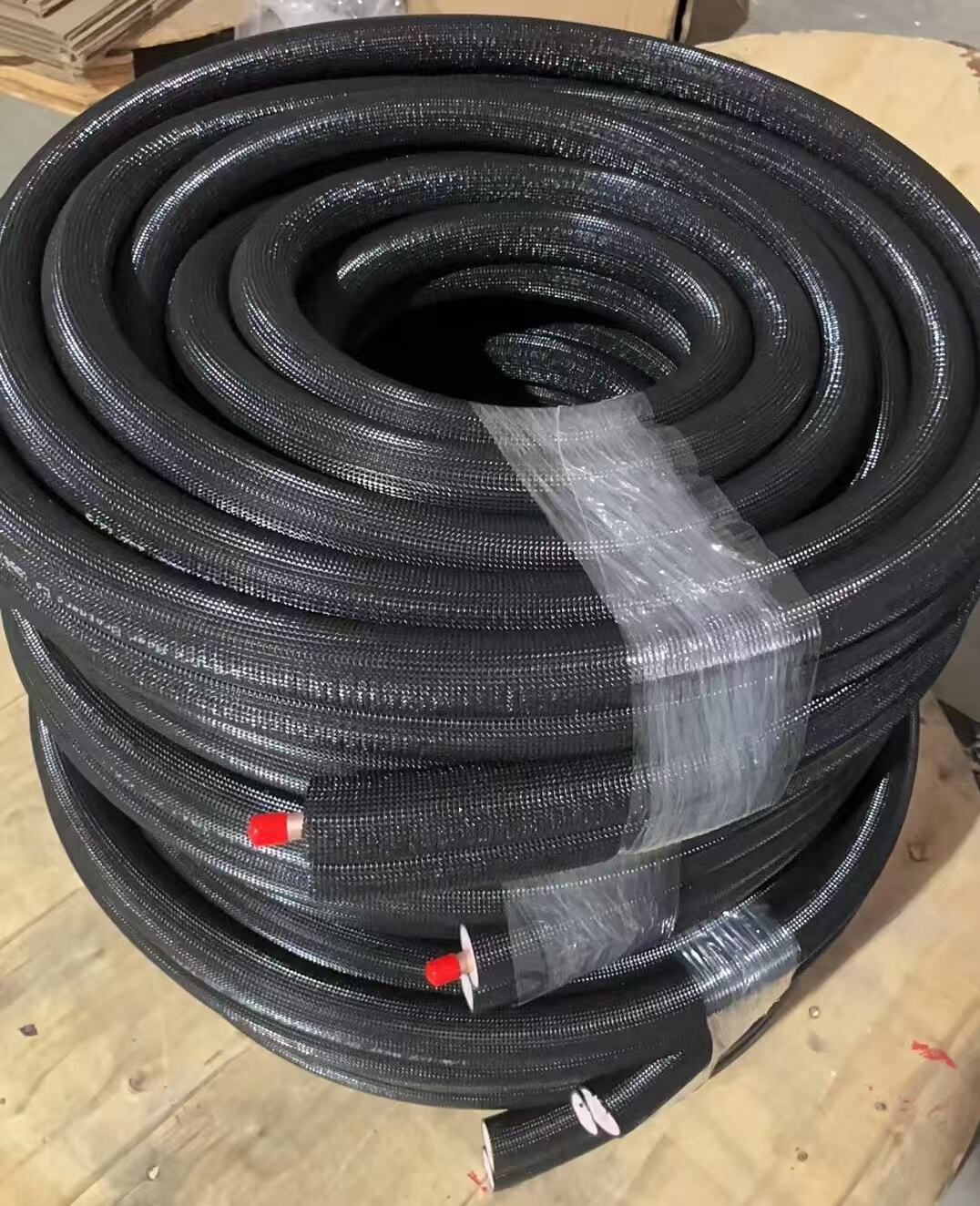
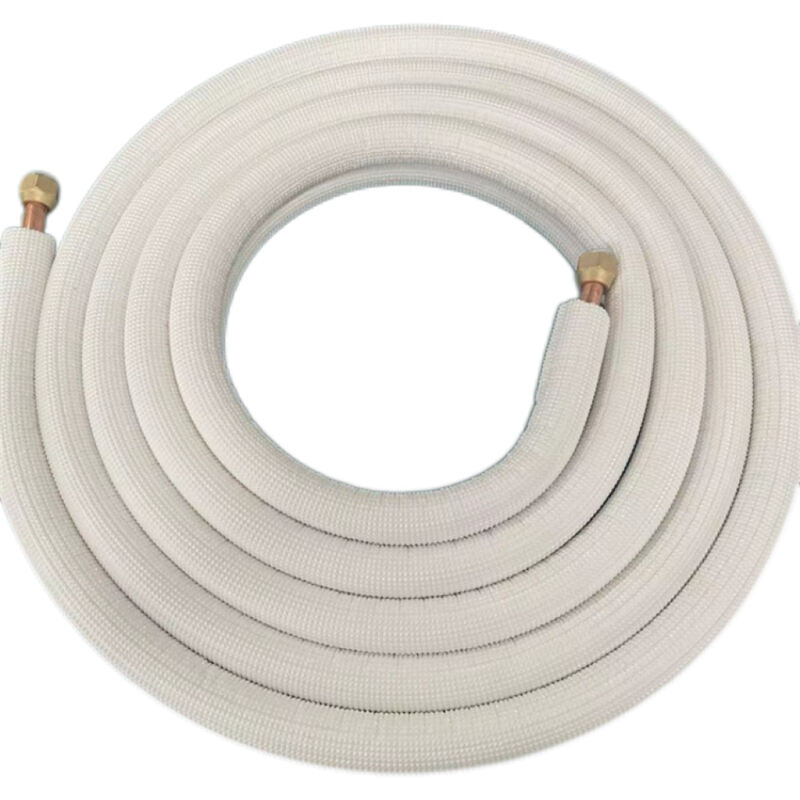
The HVAC industry relies heavily on high-quality components to ensure optimal performance and longevity. Among the most critical elements in any heating, ventilation, and air conditioning system are copper pair coils, which serve as the backbone for refrigerant circulation and heat transfer processes. These specialized copper tubes have become the gold standard in HVAC installations due to their exceptional thermal conductivity, corrosion resistance, and mechanical durability. Understanding what makes copper pair coils superior to alternative materials can help contractors, engineers, and facility managers make informed decisions that impact system efficiency and long-term operational costs.
Fundamental Properties of Copper in HVAC Applications
Superior Thermal Conductivity Characteristics
Copper pair coils demonstrate exceptional thermal conductivity properties that significantly outperform alternative materials commonly used in HVAC systems. With a thermal conductivity rating of approximately 401 watts per meter-kelvin, copper facilitates rapid and efficient heat transfer between refrigerant fluids and surrounding air or water mediums. This superior heat exchange capability translates directly into improved system efficiency and reduced energy consumption across various operating conditions.
The molecular structure of copper allows for minimal thermal resistance, enabling HVAC systems to reach desired temperatures more quickly while maintaining consistent performance levels. This characteristic becomes particularly valuable in commercial and industrial applications where precise temperature control is essential for operational success. Engineers frequently specify copper pair coils for critical applications because the material's thermal properties remain stable across wide temperature ranges.
Excellent Corrosion Resistance Features
One of the most compelling advantages of copper pair coils lies in their natural resistance to corrosion and oxidation processes that can compromise system integrity over time. Unlike ferrous materials that require extensive protective coatings, copper develops a thin protective patina when exposed to atmospheric conditions, creating a self-healing barrier against environmental contaminants. This natural protection mechanism significantly extends the operational lifespan of HVAC systems.
The antimicrobial properties of copper also contribute to improved indoor air quality by inhibiting bacterial and fungal growth within coil assemblies. This characteristic proves especially beneficial in healthcare facilities, food processing plants, and other environments where maintaining sterile conditions is paramount. Regular maintenance requirements are reduced when using copper pair coils because the material's inherent properties minimize the accumulation of biological contaminants.
Manufacturing Excellence and Quality Standards
Precision Engineering Processes
Modern manufacturing techniques for copper pair coils incorporate advanced drawing and annealing processes that optimize material properties for specific HVAC applications. Manufacturers utilize controlled atmosphere furnaces to achieve precise temper characteristics, ensuring consistent wall thickness and dimensional accuracy throughout the coil assembly. These manufacturing standards directly impact system performance by minimizing pressure drops and maximizing heat transfer efficiency.
Quality control measures during production include ultrasonic testing, pressure verification, and surface finish inspection to guarantee that each copper pair coil meets rigorous industry specifications. Advanced manufacturing facilities employ computer-controlled machinery that maintains tolerances within fractions of a millimeter, ensuring proper fit and function within complex HVAC assemblies. This precision manufacturing approach reduces installation challenges and minimizes the potential for system leaks or performance degradation.
Industry Compliance and Certification Standards
Copper pair coils manufactured for HVAC applications must comply with numerous industry standards including ASTM International specifications, UL safety requirements, and regional building codes. These comprehensive standards ensure that materials meet minimum performance criteria for pressure resistance, thermal cycling endurance, and environmental compatibility. Compliance with these standards provides system designers and installers with confidence in long-term reliability.
Certification processes typically involve extensive testing protocols that simulate real-world operating conditions over extended periods. Independent testing laboratories evaluate factors such as fatigue resistance, vibration tolerance, and chemical compatibility with common refrigerants and additives. This rigorous certification approach helps ensure that copper pair coils will perform reliably throughout their intended service life.
Operational Advantages and Performance Benefits
Enhanced System Efficiency Metrics
The superior thermal properties of copper pair coils directly contribute to improved coefficient of performance ratings in HVAC systems. Studies have demonstrated that systems utilizing high-quality copper coils can achieve energy efficiency improvements of 8-12% compared to alternative materials under similar operating conditions. This efficiency gain translates into substantial operational cost savings over the system's lifespan, particularly in large commercial installations.
Reduced thermal resistance in copper pair coils allows HVAC equipment to operate at lower compression ratios, decreasing wear on mechanical components and extending overall system life. The material's ability to maintain consistent performance across varying load conditions ensures stable temperature control and improved occupant comfort. These operational benefits make copper pair coils an excellent long-term investment for facility managers focused on minimizing total cost of ownership.
Maintenance Requirements and Longevity Factors
Copper pair coils require significantly less maintenance compared to alternative materials, primarily due to their natural resistance to corrosion and biological contamination. Regular cleaning procedures are simplified because copper surfaces resist the accumulation of scale, debris, and microbial films that commonly affect other coil materials. This reduced maintenance burden translates into lower operational costs and decreased system downtime.
The expected service life of properly installed copper pair coils typically ranges from 15 to 25 years depending on operating conditions and maintenance practices. This extended lifespan provides excellent return on investment and reduces the frequency of major system replacements. Facility managers appreciate the predictable maintenance schedules and reduced emergency repair requirements associated with copper coil installations.
Installation Considerations and Best Practices
Proper Handling and Storage Protocols
Successful installation of copper pair coils begins with proper handling and storage procedures that preserve material integrity throughout the construction process. Coils should be stored in clean, dry environments away from potential sources of contamination or physical damage. Protective caps and plugs must remain in place until actual installation to prevent foreign material from entering the refrigerant passages.
Installation teams should use appropriate lifting and positioning equipment to avoid mechanical stress that could compromise coil geometry or create micro-fractures in the copper material. Proper support structures must be installed to distribute weight evenly and prevent vibration-induced fatigue during system operation. These installation best practices ensure that copper pair coils achieve their full performance potential and expected service life.
System Integration and Compatibility Factors
Integrating copper pair coils into existing or new HVAC systems requires careful consideration of refrigerant compatibility, pressure ratings, and thermal expansion characteristics. Engineers must verify that coil specifications match system requirements for operating pressure, temperature range, and fluid flow characteristics. Proper system design prevents issues such as refrigerant migration, pressure imbalances, and thermal stress that could compromise performance.
Connection methods and joining techniques must be executed according to manufacturer specifications and industry best practices to ensure leak-tight assemblies. Brazing procedures require appropriate flux materials and controlled heating to achieve strong, durable joints without compromising the copper material properties. Professional installation techniques are essential for realizing the full benefits of copper pair coils in HVAC applications.
Economic Analysis and Cost-Benefit Considerations
Initial Investment Versus Long-Term Value
While copper pair coils may require higher initial investment compared to alternative materials, the total cost of ownership analysis typically demonstrates superior long-term value. The combination of improved energy efficiency, reduced maintenance requirements, and extended service life creates substantial cost savings over the system's operational period. Financial modeling studies consistently show positive return on investment for copper coil installations within 3-5 years.
Energy cost savings alone often justify the premium price of copper pair coils, particularly in facilities with high HVAC operating hours or extreme climate conditions. The improved system efficiency reduces utility bills while the enhanced reliability minimizes expensive emergency repairs and unscheduled downtime. These economic advantages make copper pair coils an attractive option for budget-conscious facility managers seeking to optimize operational costs.
Market Trends and Future Outlook
The HVAC industry continues to evolve toward higher efficiency standards and more stringent environmental regulations, trends that favor the adoption of copper pair coils. New refrigerant formulations and system designs place increased demands on coil materials, making copper's superior properties even more valuable. Market research indicates growing demand for copper-based HVAC components as building codes emphasize energy efficiency and sustainability.
Technological advances in copper alloy development and manufacturing processes promise even better performance characteristics for future copper pair coils. These innovations include enhanced corrosion resistance formulations, improved thermal properties, and manufacturing techniques that reduce material costs. The continued investment in copper technology development ensures that copper pair coils will remain the preferred choice for demanding HVAC applications.
FAQ
How long do copper pair coils typically last in HVAC systems
Copper pair coils generally provide 15 to 25 years of reliable service when properly installed and maintained. The actual lifespan depends on operating conditions, maintenance practices, and environmental factors. Regular cleaning and proper system operation can extend coil life even further, making copper an excellent long-term investment for HVAC systems.
What maintenance is required for copper pair coils
Copper pair coils require minimal maintenance compared to other materials. Regular cleaning with appropriate solutions removes accumulated debris and maintains optimal heat transfer. Annual inspections should check for physical damage, proper mounting, and connection integrity. The natural corrosion resistance of copper significantly reduces maintenance requirements compared to alternative coil materials.
Are copper pair coils compatible with all refrigerant types
Copper pair coils are compatible with most common refrigerants including R-410A, R-134a, and newer low-GWP alternatives. However, specific refrigerant compatibility should always be verified with manufacturer specifications. Some specialty applications may require specific copper alloys or protective treatments to ensure optimal performance with particular refrigerant formulations.
How do copper pair coils compare to aluminum alternatives
Copper pair coils offer superior thermal conductivity, corrosion resistance, and durability compared to aluminum alternatives. While aluminum coils may have lower initial costs, copper provides better long-term value through improved efficiency, reduced maintenance, and extended service life. The choice between materials should consider total cost of ownership rather than just initial purchase price.