
 EN
EN



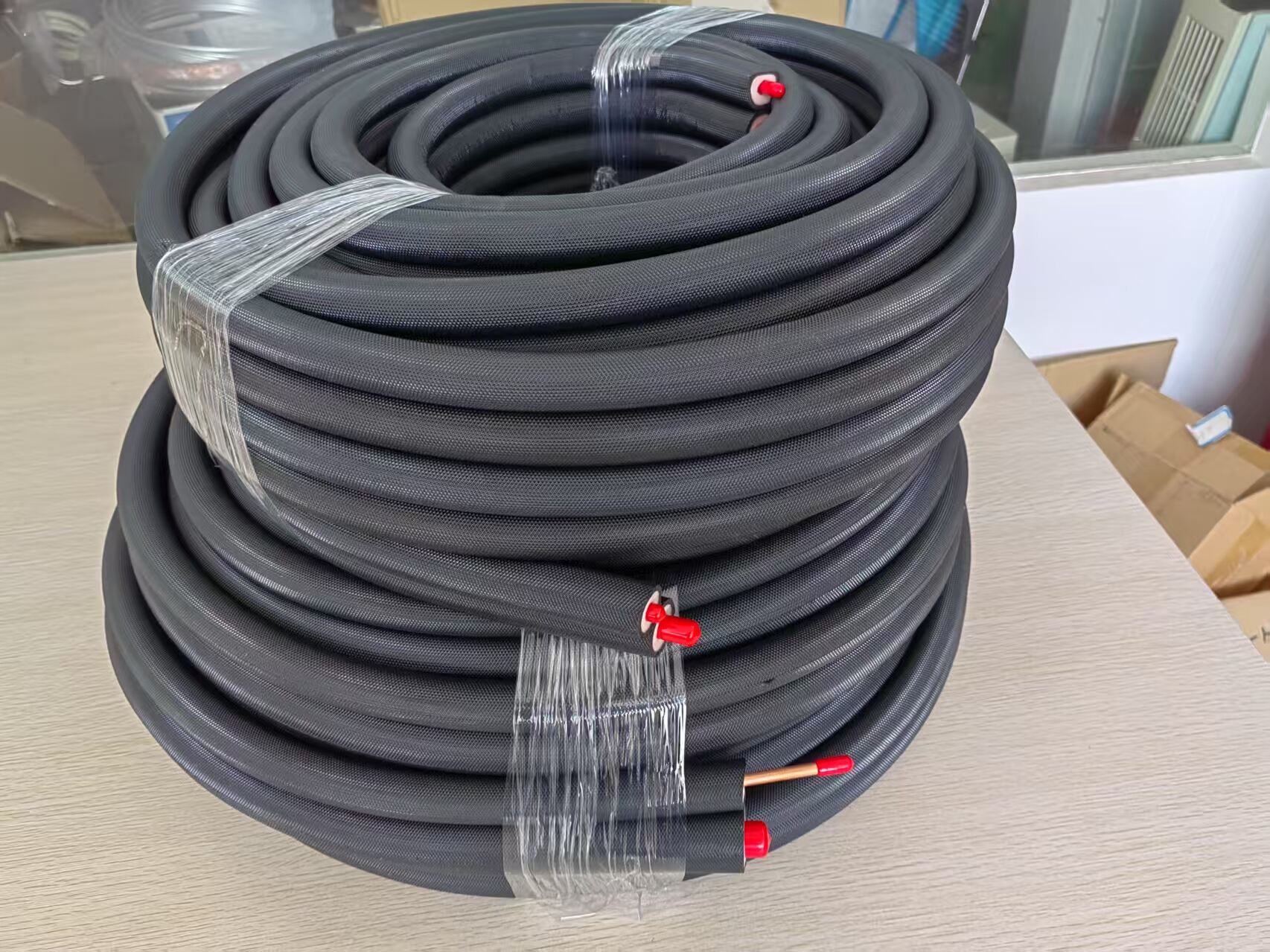
Energy efficiency has become a critical concern for homeowners and businesses alike, especially when it comes to air conditioning systems that consume substantial amounts of electricity. Among the various components that influence HVAC performance, copper pair coils have emerged as a significant factor in determining overall system efficiency and energy consumption. These specialized coils, designed with advanced engineering principles, offer substantial improvements over traditional single-tube configurations and can dramatically impact your air conditioning system's operational costs.
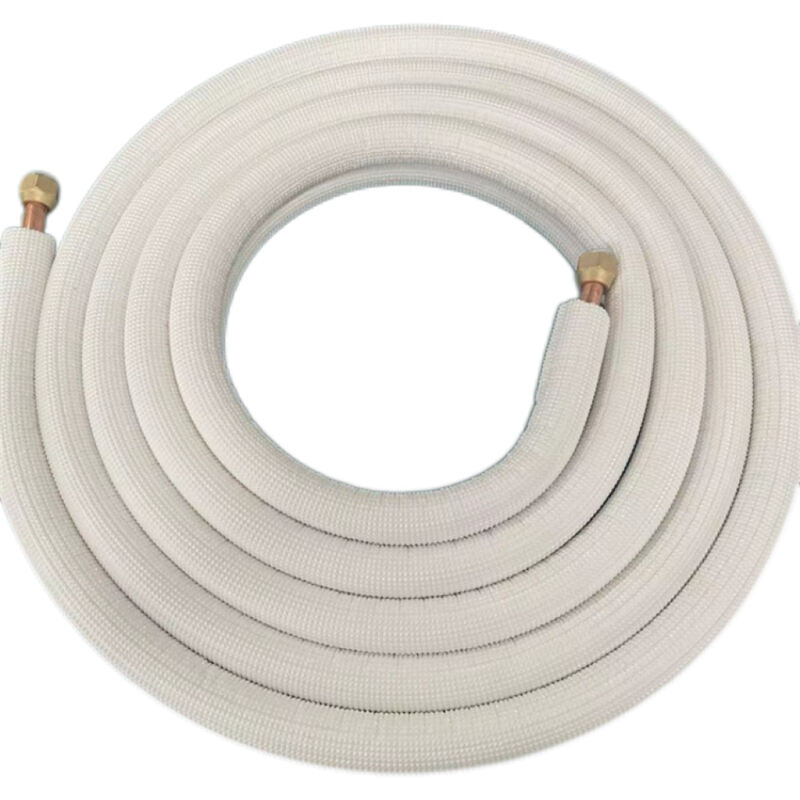
Understanding Copper Pair Coil Technology
Construction and Design Principles
Copper pair coils represent an advanced approach to refrigerant line construction, featuring two copper tubes bundled together within a single insulation jacket. This configuration typically includes a larger suction line and a smaller liquid line, both manufactured from high-grade copper that ensures optimal thermal conductivity and corrosion resistance. The dual-tube design eliminates the need for separate insulation on each line, creating a more compact and efficient installation that reduces material costs and labor time.
The manufacturing process involves precise diameter calculations to ensure proper refrigerant flow rates while maintaining optimal pressure differentials. Quality copper pair coils undergo rigorous testing for wall thickness consistency, ensuring they can withstand the pressures and temperature variations inherent in modern air conditioning systems. The copper material itself provides excellent malleability for field installation while maintaining structural integrity over extended operational periods.
Insulation Integration Benefits
The integrated insulation system found in copper pair coils offers superior thermal protection compared to traditional field-applied insulation methods. Factory-applied insulation ensures consistent coverage without gaps or thin spots that commonly occur during field installation. This uniform insulation barrier significantly reduces thermal losses and prevents condensation formation on the suction line, which can lead to water damage and reduced system efficiency.
Modern insulation materials used in copper pair coils feature closed-cell foam construction that provides excellent thermal resistance while remaining flexible enough to accommodate thermal expansion and contraction cycles. The insulation typically includes moisture barriers that prevent water vapor infiltration, maintaining insulation effectiveness throughout the system's operational life. This comprehensive protection ensures consistent performance and reduces the likelihood of premature system degradation.
Energy Efficiency Advantages
Thermal Transfer Optimization
The primary energy-saving benefit of copper pair coils lies in their superior thermal transfer characteristics. Copper's exceptional thermal conductivity allows for efficient heat exchange between the refrigerant and the surrounding environment, reducing the compressor workload required to achieve desired temperature differences. This enhanced heat transfer capability translates directly into lower energy consumption, as the system requires less electrical input to maintain comfort levels.
The close proximity of the suction and liquid lines in copper pair coils creates an additional efficiency advantage through subcooling and superheating effects. Heat exchange between the lines helps subcool the liquid refrigerant while superheating the vapor, improving overall system capacity and reducing energy consumption. This internal heat exchange occurs naturally without additional components or energy input, representing pure efficiency gains.
Reduced Pressure Drop Characteristics
Pressure drop through refrigerant lines directly impacts system efficiency, as higher pressure drops require increased compressor work to maintain proper refrigerant flow. Copper pair coils are engineered with optimized internal diameters that minimize pressure drop while maintaining adequate refrigerant velocity for proper oil return. The smooth internal surfaces of quality copper tubing reduce friction losses compared to alternative materials.
The streamlined installation possible with copper pair coils also reduces the number of joints and fittings required, each of which contributes to overall system pressure drop. Fewer connections mean fewer potential leak points and reduced installation complexity, while also minimizing pressure losses throughout the refrigerant circuit. This system-level approach to pressure drop reduction contributes measurably to overall energy efficiency improvements.
Installation and Performance Benefits
Simplified Installation Procedures
Installation efficiency represents a significant advantage of copper pair coils, as the pre-insulated dual-tube configuration reduces field labor requirements substantially. Technicians can install both refrigerant lines simultaneously, eliminating the time-consuming process of separately routing and insulating individual tubes. This streamlined installation process reduces labor costs while ensuring consistent installation quality that impacts long-term system performance.
The factory-applied insulation eliminates the variability associated with field insulation application, ensuring consistent thermal performance across all installations. Proper insulation application requires specific techniques and materials, and field variations can significantly impact system efficiency. Copper pair coils remove this variable, providing consistent performance regardless of installer experience level or field conditions.
Long-term Durability Considerations
The durability of copper pair coils directly impacts long-term energy savings through sustained performance over extended operational periods. High-quality copper construction resists corrosion and maintains structural integrity under thermal cycling, ensuring consistent thermal conductivity throughout the system's life. This sustained performance prevents the gradual efficiency degradation common with inferior materials or construction methods.
Factory-applied insulation systems typically offer superior longevity compared to field-applied alternatives, maintaining thermal properties longer and resisting moisture infiltration that can compromise insulation effectiveness. The integrated design protects the insulation from physical damage during installation and service, ensuring continued efficiency benefits throughout the system's operational life. This durability translates into sustained energy savings and reduced lifetime operational costs.
Cost-Benefit Analysis
Initial Investment Considerations
While copper pair coils may represent a higher initial investment compared to basic refrigerant tubing options, the total cost analysis must consider both material and installation expenses. The reduced installation time and simplified procedures often offset the higher material costs, particularly in commercial applications where labor rates significantly impact total project costs. The elimination of separate insulation materials and application labor further improves the overall cost equation.
Quality copper pair coils provide value through consistent manufacturing standards and reliable performance characteristics. The reduced risk of installation errors and associated callbacks represents additional cost savings that should factor into investment decisions. Professional contractors often find that copper pair coils improve project profitability through reduced installation time and enhanced reliability.
Operational Savings Calculations
Energy savings from copper pair coils compound over time, with efficiency improvements typically ranging from 5-15% depending on system configuration and operational conditions. For commercial applications operating extended hours, these efficiency gains translate into substantial annual energy cost reductions. Residential applications also benefit, particularly in regions with high cooling loads or extended cooling seasons.
The thermal efficiency improvements provided by copper pair coils reduce compressor runtime requirements, extending equipment life and reducing maintenance needs. Lower operating temperatures and pressures reduce system stress, contributing to improved reliability and reduced service requirements. These operational benefits extend beyond direct energy savings to include reduced maintenance costs and extended equipment life.
Application-Specific Considerations
Residential System Applications
Residential air conditioning systems benefit significantly from copper pair coils, particularly in installations where refrigerant lines run through conditioned spaces or where insulation integrity is critical. The pre-insulated configuration eliminates condensation concerns that commonly occur with improperly insulated suction lines, preventing water damage and maintaining system efficiency. Homeowners appreciate the reduced maintenance requirements and consistent performance these systems provide.
The compact profile of copper pair coils makes them ideal for residential applications where space constraints limit installation options. The reduced bulk compared to separately insulated lines allows for easier routing through tight spaces while maintaining proper insulation integrity. This installation flexibility often enables more efficient system designs with shorter refrigerant line runs and improved performance.
Commercial and Industrial Uses
Commercial applications particularly benefit from the consistency and reliability that copper pair coils provide. Large installations with multiple systems require standardized components that deliver predictable performance, and copper pair coils meet these requirements while providing energy efficiency benefits that significantly impact operational costs. The reduced installation complexity also benefits commercial contractors managing multiple simultaneous installations.
Industrial applications often involve harsh environmental conditions that challenge refrigerant system components. The durable construction and integrated insulation of quality copper pair coils provide enhanced resistance to environmental factors while maintaining thermal performance. This reliability becomes critical in industrial settings where system downtime carries substantial cost implications beyond energy consumption.
Maintenance and Service Advantages
Serviceability Features
Service technicians appreciate the serviceability advantages that copper pair coils provide during maintenance and repair procedures. The integrated insulation design protects the refrigerant lines from physical damage during service activities, while the durable construction resists damage from standard service tools and procedures. This durability reduces the likelihood of accidental damage during routine maintenance activities.
The consistent construction quality of copper pair coils simplifies diagnostic procedures, as technicians can rely on predictable thermal and pressure characteristics. This consistency reduces diagnostic time and improves repair accuracy, contributing to lower service costs and improved system reliability. The standardized construction also simplifies parts inventory requirements for service organizations.
Performance Monitoring Benefits
The consistent thermal properties of copper pair coils enable more accurate performance monitoring and system optimization. Technicians can establish baseline performance parameters with confidence, making it easier to detect performance degradation or system problems. This monitoring capability enables proactive maintenance that prevents efficiency losses and extends system life.
Regular performance monitoring becomes more meaningful with copper pair coils, as the consistent construction eliminates variables that can complicate performance analysis. Service technicians can focus on actual system issues rather than compensating for installation or material inconsistencies. This clarity improves service quality and helps maintain optimal system efficiency throughout the operational life.
FAQ
How much energy can copper pair coils actually save compared to standard refrigerant lines
Energy savings from copper pair coils typically range from 5-15% compared to standard refrigerant tubing installations, depending on system configuration and operating conditions. The primary savings come from improved thermal efficiency, reduced pressure drop, and enhanced heat exchange between the suction and liquid lines. Commercial systems operating extended hours often see the most significant savings, while residential applications benefit through reduced runtime and lower peak energy consumption.
Are copper pair coils suitable for all air conditioning system types and sizes
Copper pair coils are available in various sizes and configurations to accommodate most residential and commercial air conditioning systems. Standard sizes range from small residential units to large commercial applications, with custom configurations available for specialized installations. The suitability depends on specific system requirements, refrigerant type, and installation conditions, making professional consultation important for optimal selection and performance.
What is the typical lifespan of copper pair coils and do they require special maintenance
Quality copper pair coils typically provide 15-20 years of reliable service under normal operating conditions, often matching or exceeding the operational life of the air conditioning system itself. The integrated insulation and durable copper construction require minimal special maintenance beyond standard system service procedures. Regular system maintenance including refrigerant level checks and system cleaning helps ensure optimal performance throughout the operational life.
How do copper pair coils compare to aluminum or other alternative refrigerant line materials
Copper pair coils offer superior thermal conductivity, corrosion resistance, and durability compared to aluminum alternatives. While aluminum tubing may cost less initially, copper provides better long-term performance and reliability. The superior thermal properties of copper result in improved energy efficiency, while the material's resistance to corrosion ensures consistent performance over time. The malleability of copper also simplifies field installation and reduces the risk of installation damage compared to more brittle alternatives.
Table of Contents
- Understanding Copper Pair Coil Technology
- Energy Efficiency Advantages
- Installation and Performance Benefits
- Cost-Benefit Analysis
- Application-Specific Considerations
- Maintenance and Service Advantages
-
FAQ
- How much energy can copper pair coils actually save compared to standard refrigerant lines
- Are copper pair coils suitable for all air conditioning system types and sizes
- What is the typical lifespan of copper pair coils and do they require special maintenance
- How do copper pair coils compare to aluminum or other alternative refrigerant line materials