
 EN


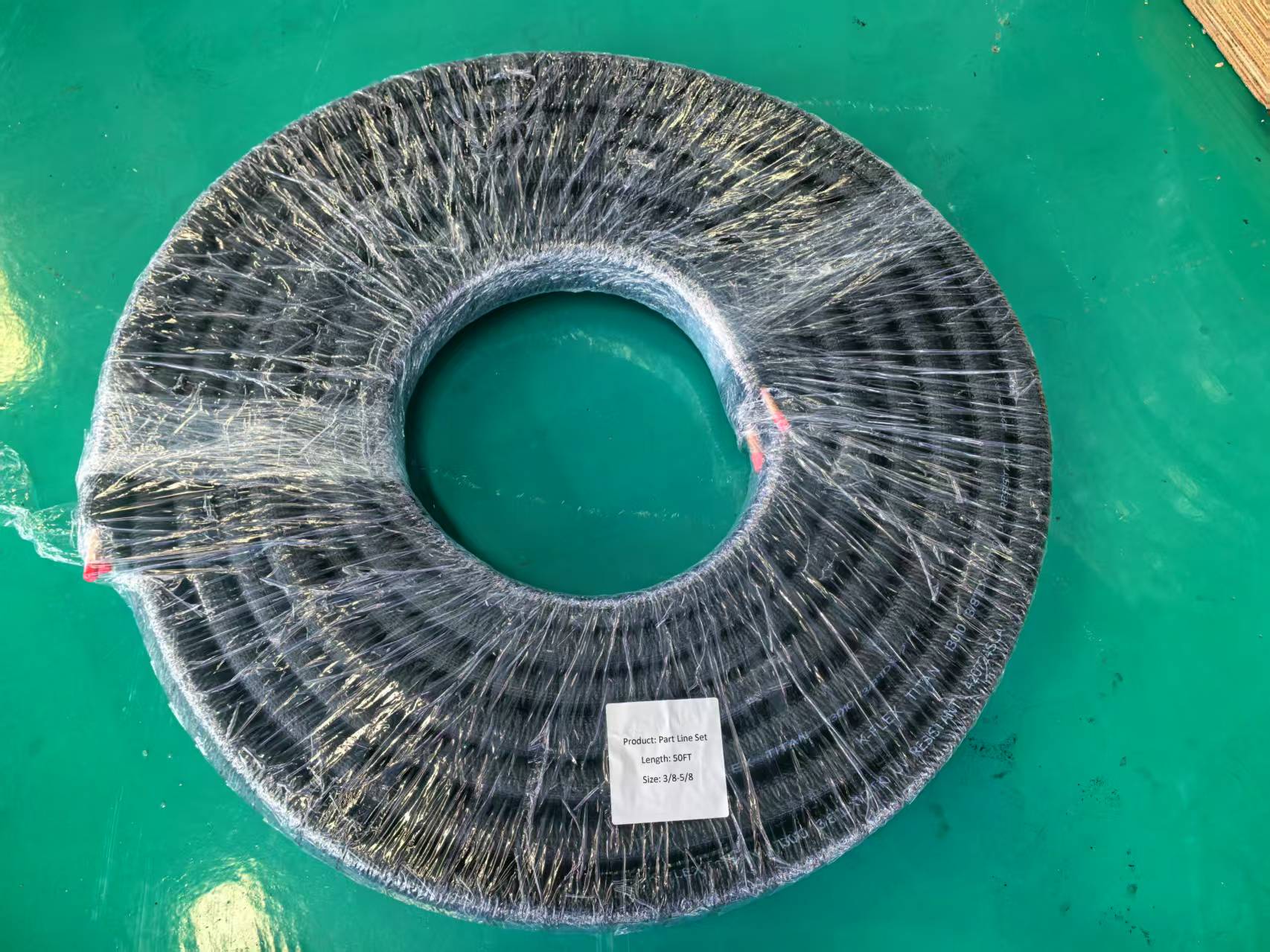
A perfectly wrapped insulated copper pipe helps an HVAC system use energy wisely by limiting unwanted heat exchange along the refrigerant route. The copper carries refrigerant, while its insulation slows heat transfer and helps the equipment maintain the conditions its design requires. This relationship makes installation quality an operating concern, not a cosmetic detail.
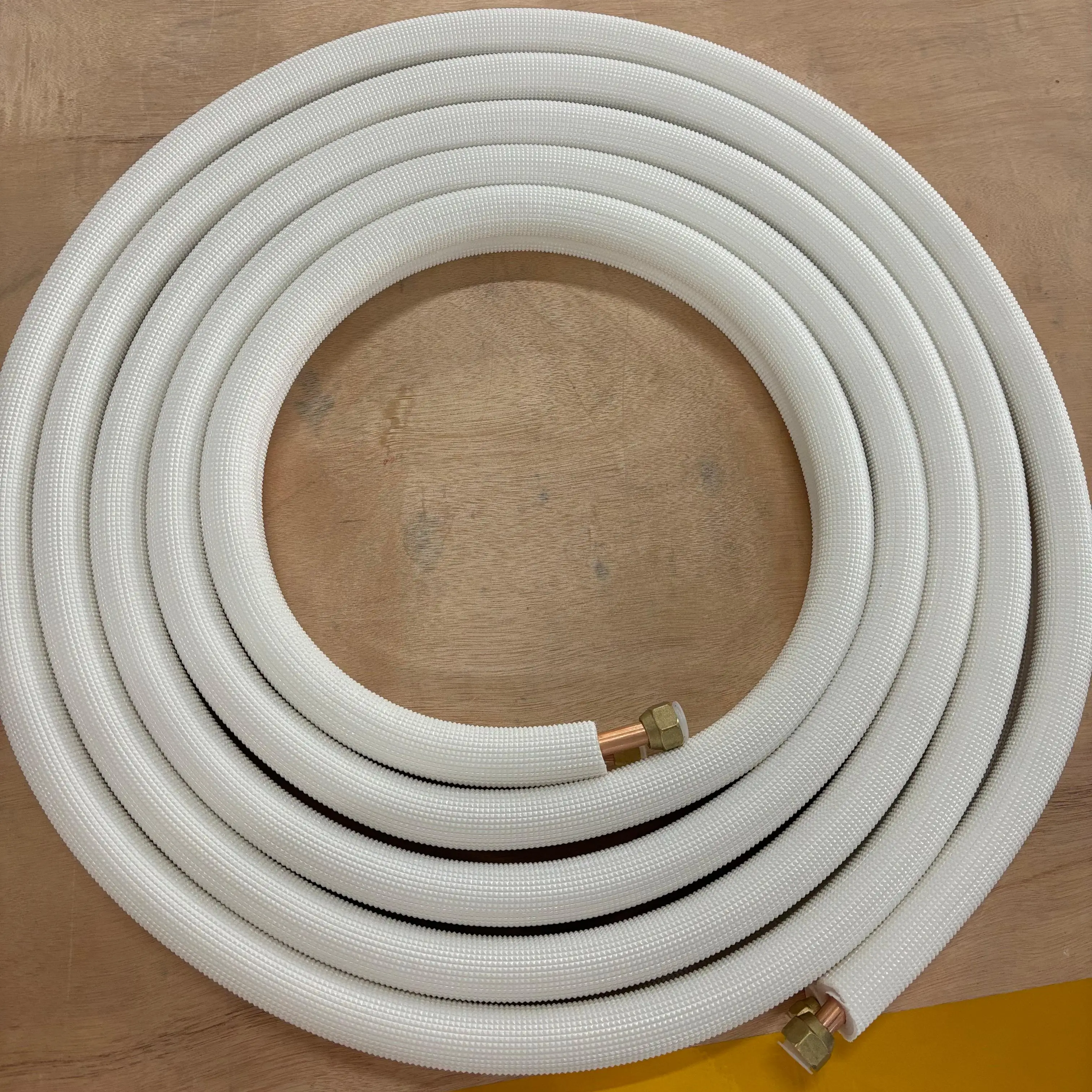
The energy benefit depends on the full assembly: appropriate tubing, continuous insulation, sound joints, and routing that suits the building. An insulated copper pipe cannot compensate for incorrect sizing or poor commissioning, but careful wrapping reduces avoidable thermal gains and losses. Understanding how each detail contributes helps facility teams protect efficiency over time.
How insulation reduces avoidable HVAC energy use
Less heat exchange along the refrigerant route
Refrigerant lines connect indoor and outdoor equipment, passing through spaces that may be hotter or colder than the refrigerant. An insulated copper pipe creates a thermal barrier around the tube, reducing heat flow between those surroundings and the line. That barrier helps refrigerant reach the equipment with less influence from ambient conditions.
When insulation is missing, compressed, or interrupted, the copper surface can exchange heat more readily with nearby air. The system may then need to manage a greater thermal load than the intended design assumes. A continuous insulated copper pipe helps control that exposure, particularly where lines cross warm ceilings, service areas, or exterior sections.
The practical benefit is not a guaranteed percentage reduction in electricity use; system design, climate, operating hours, and maintenance all matter. Still, reducing unwanted heat transfer supports stable operation and can prevent avoidable demand. For this reason, an insulated copper pipe should be treated as part of the refrigeration circuit’s thermal design.
Moisture control and insulation continuity
On cold refrigerant lines, warm humid air can cause condensation when it contacts a surface below its dew point. A properly selected insulated copper pipe helps keep the outer insulation surface warmer and limits condensation risk. This matters above finished ceilings, near electrical equipment, and around materials vulnerable to moisture.
A split, open, or poorly sealed insulation seam can allow humid air to reach the cooler tube. Water may then collect, damage nearby finishes, or degrade insulation performance over time. Keeping the insulated copper pipe covered at joints, bends, and terminations helps preserve the intended thermal and moisture-control function.
Insulation thickness and vapor sealing should suit the application and applicable project requirements. Installers should avoid assuming that any sleeve will perform equally in every environment. When an insulated copper pipe passes through a humid mechanical room or outdoor exposure, checking material suitability and closure details is a useful quality-control step.
Why wrapping and installation details matter
Fit, joints, and protection through the route
Good wrapping starts with a close fit around the tube without crushing the insulation. Gaps at elbows, tees, supports, and connections can become thermal weak points. Inspecting each insulated copper pipe along its full route is more reliable than checking only the visible straight sections after installation.
Joints need particular care because seams and cut edges can interrupt the insulation layer. Installers should make clean cuts, close seams consistently, and seal connections using methods compatible with the insulation material. A well-finished insulated copper pipe presents a continuous protective layer rather than a series of loosely covered pieces.
Physical damage can also undermine energy performance. Sharp edges, tight restraints, foot traffic, or contact with hot surfaces may compress or tear the covering. Routing an insulated copper pipe with suitable clearance and adding protection where exposure is likely helps maintain the barrier after handover.
Choosing and handling the copper tubing
The tubing must suit the refrigerant circuit, pressure conditions, installation method, and equipment specifications. Copper offers a workable, formable route for many HVAC applications, but correct dimensions and compatible fittings remain essential. Selecting an insulated copper pipe assembly begins with confirming those technical requirements rather than relying on appearance alone.
During installation, tube ends should remain clean and protected from debris, while bends should avoid kinks that restrict flow. These workmanship steps support reliable refrigerant circulation; insulation does not correct contamination or damaged tubing. Treating the insulated copper pipe as both a fluid path and a thermal assembly keeps the scope clear.
For project review, confirm product documentation, dimensions, insulation condition, and suitability for the intended route. A relevant product example is insulated copper pipe, which illustrates the combined tube-and-covering format. Selection should still follow the system design and local requirements.
How to preserve savings during system operation
Commissioning and routine inspection
At commissioning, teams can check that line routing matches the design, joints are secure, and insulation remains continuous after testing. Confirming these details before ceilings close makes corrections easier. A documented review of each insulated copper pipe also gives maintenance staff a useful baseline for later inspections.
During service visits, look for split seams, crushed areas, UV exposure where relevant, water staining, and loose sections near equipment connections. A visual check cannot diagnose every refrigerant or control issue, but it can identify insulation faults early. Repairing a damaged insulated copper pipe covering restores its protective role.
Maintenance records should note location, observed condition, and completed repairs, especially in large facilities with concealed routes. This makes repeat problems easier to spot and helps teams plan access. Keeping an insulated copper pipe in sound condition is a modest, practical part of broader HVAC upkeep.
Connecting pipe condition to whole-system decisions
Energy use depends on equipment efficiency, controls, load, airflow, refrigerant charge, and operating schedules as well as line insulation. If consumption rises, teams should evaluate the system as a whole instead of blaming one component. An insulated copper pipe is one controllable factor within that larger performance picture.
Where lines run through unconditioned spaces, insulation condition deserves particular attention because ambient temperatures can differ substantially from indoor setpoints. Repairing gaps and protecting exposed sections may reduce unnecessary heat transfer, though results depend on the installation and operating context. The insulated copper pipe should be assessed in relation to its route.
For project managers, the useful takeaway is to specify the line assembly, installation workmanship, and inspection expectations together. Doing so aligns procurement, field installation, and facilities maintenance around a common standard. A properly installed insulated copper pipe cannot guarantee savings by itself, but it supports the design conditions that make efficient operation possible.
FAQ
Why does insulation matter on HVAC copper lines?
Insulation slows heat exchange between refrigerant lines and surrounding spaces, helping limit unwanted thermal loads. An insulated copper pipe can also reduce condensation risk on cold lines when the covering is properly selected, sealed, and maintained.
Can wrapping alone improve HVAC efficiency?
Wrapping supports efficiency but is not a standalone fix for incorrect sizing, poor airflow, refrigerant problems, or faulty controls. An insulated copper pipe contributes to the complete system design, so its benefits depend on sound installation and properly operating equipment.
What should technicians inspect on a wrapped line?
Technicians should check continuity, seams, joints, bends, supports, and signs of moisture or physical damage. Promptly repairing defects helps an insulated copper pipe retain its thermal barrier and provides a clearer maintenance record for future service.