
 EN
EN



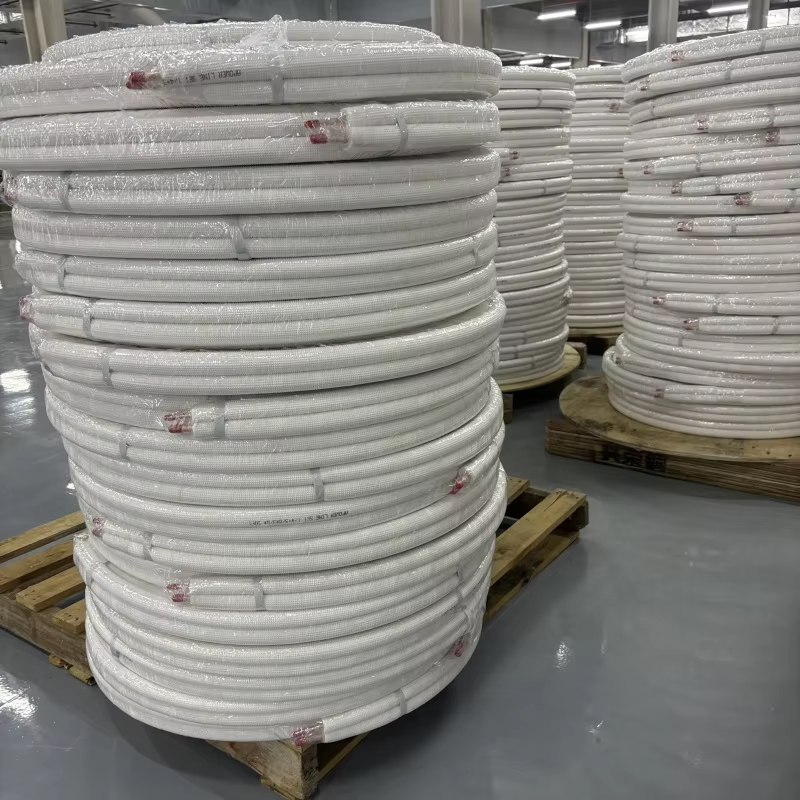
Ժամանակակից սառեցման համակարգերը կախված են սառնագողի ճշգրիտ շրջանառությունից՝ օպտիմալ աշխատանքի և էներգաարդյունավետության ապահովման համար։ Ցանկացած հուսալի սառեցման համակարգի հիմքը սառնագողի բաշխման ցանցն է, որտեղ որակյալ պղնձե խողովակների հավաքածուն ծառայում է որպես առաջնային անցուղի սառնագողի համար՝ ներքին և արտաքին միավորների միջև։ Պղնձե խողովակների հավաքածուների կարևոր դերը հասկանալը սառեցման կիրառումներում օգնում է սենյակների կառավարիչներին և HVAC մասնագետներին կայացնել հիմնավորված որոշումներ, որոնք ազդում են համակարգի կյանքի տևողության, աշխատանքի և շահագործման ծախսերի վրա:
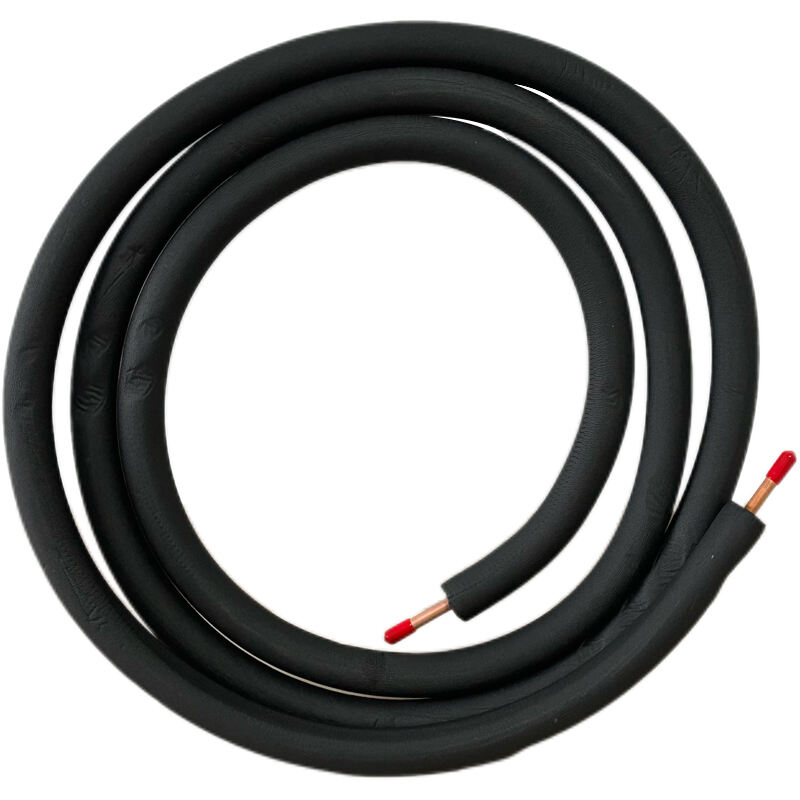
Պղնձե խողովակների հավաքածուների հիմնարար հատկությունները սառնագողի կիրառություններում
Բարձր ջերմային հաղորդականություն և ջերմափոխանցում
Պղինձը ցուցաբերում է առավելագույն ջերմահաղորդականության հատկություններ, որոնք այն դարձնում են սառնագործական մամլերի համար նախընտրելի նյութ: Պղնձի բարձր ջերմահաղորդականության գործակիցը թույլ է տալիս արդյունավետ ջերմափոխանակություն սառնագործական միջավայրի և շրջակա միջավայրի միջև՝ ապահովելով համակարգի օպտիմալ աշխատանք: Այս հատկանիշը հատկապես կարևոր է բաժանված համակարգերի դեպքում, երբ սառնագործական միջավայրը պետք է անցնի մեծ հեռավորություններ բաղադրիչների միջև՝ պահպանելով ջերմաստիճանի կայունություն:
Պղնձի մոլեկուլային կառուցվածքը հնարավորություն է տալիս արագ ջերմափոխանակության, ինչը նվազեցնում է էներգետիկ կորուստները սառնագործական միջավայրի տեղափոխման ընթացքում: Մասնագիտական տեղադրումները, որոնք օգտագործում են որակյալ պղնձե մամլերի բաղադրիչներ, սովորաբար բերում են ավելի լավ սառեցման հզորության և նվազեցված կոմպրեսորի բեռի: Այս ջերմային առավելությունները անմիջականորեն թարգմանվում են ցածր շահագործման ծախսերի և սարքավորումների շահագործման ընթացքում ավելի բարձր համակարգի արդյունավետության:
Կոռոզիայի դիմադրություն և քիմիական համատեղելիություն
Պղնձի բնական կոռոզիայի դիմադրությունը ապահովում է երկարաժամկետ հուսալիություն սառեցման համակարգերում: Ուռուցիկ պողպատի կամ ալյումինի փոխարինողներից հակառակ, պղինձը պահպանում է իր կառուցվածքային ամբողջականությունը՝ ենթարկվելով տարածված սառնագեններին, ներառյալ R-410A, R-32 և R-134a: Այս քիմիական համատեղելիությունը կանխում է ներքին կոռոզիան, որը կարող է վտանգել սառնագենի մաքրությունը կամ ստեղծել համակարգի արգելափակումներ:
Պղնձի մակերեսին առաջացող օքսիդային շերտը ապահովում է լրացուցիչ պաշտպանություն շրջակա միջավայրի գործոններից՝ պահպանելով ներքին մակերեսների հարթությունը՝ օպտիմալ սառնագենի հոսքի համար: Որակյալ պղնձի լայնքերի տեղադրումը դիմադրում է խոնավությունից, ջերմաստիճանի տատանումներից և քիմիական ազդեցություններից առաջացող քայքայմանը՝ ապահովելով համակարգի շահագործման ընթացքում կայուն աշխատանք.
Մուտքագրման դիտարկումները օպտիմալ արդյունավետության համար
Ճիշտ չափի և կոնֆիգուրացիայի պահանջներ
Պղնձի լայնքի համապատասխան չափերի ընտրությունը պահանջում է համակարգի հզորության, սառնագենի տեսակի և տեղադրման հեռավորության համար հատուկ ուշադրություն: Չափից փոքր լայնքերը ստեղծում են չափազանց մեծ ճնշման անկում, ինչը ստիպում է կոմպրեսորներին ավելի ծանր աշխատել, իսկ չափից մեծ լայնքերը կարող են առաջացնել յուղի վերադարձի խնդիրներ և համակարգի արդյունավետության նվազում: Մասնագիտացված չափագրման հաշվարկները հաշվի են առնում սառնագենի արագությունը, ճնշման անկման սահմանափակումները և արտադրողի տեխնիկական պահանջները:
Տեղադրման կոնֆիգուրացիաները պետք է հաշվի առնեն ջերմային ընդլայնման և սեղմման ցիկլերը, որոնք տեղի են ունենում սովորական շահագործման ընթացքում: Ճիշտ հենարանների տարածությունը, ծռման շառավիղների պահանջները և ընդլայնման կապերի տեղադրումը կանխում են լարվածության կենտրոնացումը, որը կարող է հանգեցնել շրջադարձային կոտրման: Այս տեղադրման նորմերը ապահովում են, որ պղնձի լայնքը պահպանի իր կառուցվածքային ամբողջականությունը ջերմաստիճանային ցիկլերի ընթացքում:
Թերմոմեկուսացում և պաշտպանության համակարգեր
Պղնձե գծերի շուրջ արդյունավետ մեկուսացումը կանխում է անցանկալի ջերմափոխանակումը և խտացման առաջացումը: Բարձրորակ մեկուսիչ նյութերը պաշտպանում են էներգիայի կորստից՝ միաժամանակ կանխելով խոնավության ներթափանցումը, որը կարող է վտանգել համակարգի աշխատանքը: Մեկուսացման համապատասխան հաստությունը տատանվում է՝ կախված շրջակա միջավայրի պայմաններից, գծի ջերմաստիճանից և կիրառման պահանջներից:
Պաշտպանական համակարգերը, ներառյալ պաշտպանական ցանցերը, խողովակները և անտեսանելիությունը, երկարաձգում են պղնձի լինիաների ծառայողական վայրկյանը բարդ պայմաններում։ Այս պաշտպանական միջոցառումները պաշտպանում են ֆիզիկական վնասվածքներից, UV ճառագայթումից և կոռոզիայի ենթարկվող մթնոլորտներից՝ միաժամանակ պահպանելով հասանելիությունը սպասարկման և նորոգման գործողությունների համար:
Որակի ցուցանիշներ և նյութերի ստանդարտներ
Արտադրության ստանդարտներ և սերտիֆիկացման պահանջներ
Հավաստի պղնձե լինիայի հավաքածուի արտադրողները համապատասխանում են արդյունաբերական ստանդարտներին, ներառյալ ASTM B280 և ASTM B88 ստանդարտներին: Այս ստանդարտները սահմանում են նյութի բաղադրությունը, չափային հանգույցները և շահագործման բնութագրերը, որոնք ապահովում են հուսալի աշխատանք: Ճանաչված փորձարկման կազմակերպությունների կողմից տրված որակի վավերագրումը հաստատում է նյութի հատկությունները և արտադրության համապատասխանությունը:
Պրոցեսները, ինչպիսիք են ժամանակավոր ջերմային մշակումը (անիլինգ), մաքրումը և ճնշման փորձարկումը, նպաստում են ընդհանուր արտադրանքի որակին: Վավերագրված պղնձե լինիայի հավաքածուներն անցնում են խիստ որակի վերահսկողության ընթացակարգեր, որոնք հաստատում են պատի հաստության համաչափությունը, մակերեսի մաքրությունը և ճնշման դասակարգման համապատասխանությունը: Այս որակի ապահովման միջոցառումները կանխում են վաղաժամկետ անսարքությունները և ապահովում են համակարգի հուսալիությունը:
Մակերեսի պատրաստվածք և ներքին մաքրություն
Ներքին մաքրությունը ուղղակիորեն ազդում է սառնագործական համակարգի աշխատանքի և բաղադրիչների կյանքի տևողության վրա։ Որակյալ պղնձե խողովակների հավաքածուները օժտված են դեհիդրացված և դեօքսիդացված ներքին մակերեսներով, որոնք կանխում են աղտոտման ներմուծումը։ Ճիշտ մակերեսի պատրաստումը վերացնում է արտադրության մնացորդները, սանդղակը և արտաքին մասերը, որոնք կարող են խանգարել սառնագործական միջավայրի շրջանառությանը:
Արտաքին մակերեսների վերջնամշակումը ապահովում է կոռոզիայից պաշտպանություն՝ պահպանելով էստետիկ տեսքը։ Հարթ արտաքին մակերեսները հեշտացնում են մեկուսացման ճիշտ կպչունակությունը և նվազեցնում են սպասարկման պահանջները։ Մասնագիտական դասի մանգան գլուխ դիրք արտադրանքները հավասարակշռում են մակերեսի որակը և արդյունավետ ծախսերը՝ տարբեր կիրառման պահանջների համար:
Համակարգի ինտեգրում և համատեղելիություն
Միացման մեթոդներ և հոդերի հուսալիություն
Պղնձի լինիայի հատվածների և համակարգի բաղադրիչների միջև հուսալի միացումներ պահանջում են համապատասխան միացման տեխնիկաներ: Բրազման միջոցով միացումը ավելի լավ միացման ամրություն և կապարի նկատմամբ դիմադրություն է ապահովում՝ համեմատած մեխանիկական միացումների հետ, հատկապես բարձր ճնշման կիրառություններում: Համապատասխան լցոնիչ մետաղների օգտագործմամբ ճիշտ բրազման ընթացակարգերը ապահովում են միացումների ամբողջականությունը համակարգի աշխատանքի ընթացքում:
Ֆլեր-միացումները ապահովում են սպասարկման առավելություններ հասանելի տեղամասերում՝ միաժամանակ պահպանելով բավարար սեալինգի (կնքման) ցուցանիշները: Բարձրորակ պղնձե լայնական միացումների տեղադրումը օգտագործում է համապատասխան միացման մեթոդներ, որոնք համապատասխանում են համակարգի պահանջներին և սպասարկման հասանելիության անհրաժեշտություններին: Միացման հուսալիությունը ուղղակիորեն ազդում է համակարգի ընդհանուր աշխատանքի վրա և նրա ծառայության ժամանակաշրջանի վրա:
Համատեղելիություն համակարգի բաղադրիչների հետ
Պղնձի լայն սետի համատեղելիությունը տարածվում է այնպիսի ագրեգատների վրա, ինչպիսիք են ջերմային ընդլայնման համապատասխանությունը միացված բաղադրիչների հետ: Տարբեր նյութերի դեպքում անհրաժեշտ է զգուշորեն հաշվի առնել ընդլայնման գործակիցները և լարվածության բաշխումը՝ միացումների ձախողումները կանխելու համար: Ճիշտ նյութի ընտրությունը ապահովում է երկարաժամկետ համատեղելիություն ամբողջ շահագործման ջերմաստիճանային միջակայքում:
Համակարգի բաղադրիչների ինտեգրումը պահանջում է թրթռումների փոխանցման, հենարանների պահանջների և սպասարկման գործողությունների համար հասանելիության նկատմամբ ուշադրություն: Որակյալ պղնձի լայն սետերի տեղադրումը ներառում է ճկուն միացումներ, երբ անհրաժեշտ է, միևնույն ժամանակ պահպանելով պինդ հենարանները՝ համակարգի կայունությունն ապահովելու համար:
Պահպանման և Շահագործման Ժամկետի Երկարացման Ծրագիր
Կանխարգելիչ սպասարկման պահանջներ
Պղնձի լինիակային սարքավորումների պարբերական ստուգումը հնարավորություն է տալիս նախքան համակարգի աշխատանքի վատացումը հայտնաբերել հնարավոր խնդիրներ: Վիզուալ ստուգումները կենտրոնանում են մեկուսացման վիճակի, հենարանների ամրության և ֆիզիկական վնասվածքների կամ կոռոզիայի նշանների վրա: Համակարգային սպասարկման գործընթացները ապահովում են, որ պղնձի լինիակային սարքավորումների բաղադրիչները սպասարկվեն ընթացիկ կերպով ծառայողական ժամկետի ընթացքում:
Մտնող հեղուկի հայտնաբերման ընթադարձականները ստուգում են միացումների ամրությունը և հայտնաբերում են խնդիրների առաջացումը դրանց զարգացման վաղ փուլում: Մասնագիտական սպասարկման ծրագրերը ներառում են պղնձի լինիակային սարքավորումների ստուգումները՝ համակարգի համապարփակ գնահատման մեջ, որն օպտիմալացնում է աշխատանքը և կանխում է թանկարժեք խափանումները:
Հանդիսանում են տարածաշրջանային խնդիրներ
Պղնձի լինիակային սարքավորումների հաճախ հանդիպող խնդիրներից են մեկուսացման վատթարացումը, միացումների մտնող հեղուկը և արտաքին աղբյուրներից առաջացած ֆիզիկական վնասվածքները: Համակարգային խնդիրների լուծման մոտեցումները հայտնաբերում են խնդրի արմատային պատճառները և համապատասխան ուղղումները: Անսարքությունների ռեժիմների հասկանալը օգնում է կանխել կրկնվող խնդիրները և օպտիմալացնել սպասարկման ընթադարձականները:
Ճնշման և ջերմաստիճանի չափումների միջոցով կատարողականի հսկումը օգնում է հայտնաբերել պղնձե խողովակների համակարգի խնդիրներ, որոնք կարող են անմիջապես տեսանելի չլինել: Զարգացող խնդիրների վաղաժամկետ հայտնաբերումը թույլ է տալիս կանխատեսողական սպասարկում, որն ապահովում է համակարգի անընդհատություն և նվազեցնում է վերանորոգման ծախսերը:
Հաճախ տրամադրվող հարցեր
Ո՞ր գործոններն են որոշում կոնկրետ սառեցման համակարգի համար պղնձե խողովակների համակարգի ճիշտ չափը
Պղնձի լինիայի չափը կախված է մի շարք կարևոր գործոններից, ներառյալ համակարգի հզորությունը, սառնագործական հեղուկի տեսակը, տեղադրման հեռավորությունը և բարձրության փոփոխությունները: Հեղուկի լինիայի համար սովորաբար պահանջվում է փոքր տրամագծով խողովակաշար, քան ծծող լինիայի դեպքում՝ տարբեր սառնագործական նյութերի վիճակների և հոսքի բնույթի պատճառով: Մասնագիտական հաշվարկները հաշվի են առնում ճնշման անկման սահմանափակումները, սառնագործական հեղուկի հոսքի արագության պահանջները և արտադրողի սպեցիֆիկացիաները՝ ապահովելու օպտիմալ աշխատանքի համար: Համակարգի հզորությունը, որը չափվում է տոննաներով կամ BTU/ժամով, ուղղակիորեն ազդում է պահանջվող լինիաների չափերի վրա, իսկ ավելի երկար տեղադրման հեռավորությունների դեպքում կարող է պահանջվել ավելի մեծ տրամագծեր՝ ընդունելի ճնշման անկում պահպանելու համար:
Ինչպե՞ս է մեկուսացման որակը ազդում պղնձի լինիայի աշխատանքի վրա սառեցման կիրառման դեպքում
Մեկուսացման որակը զգալիորեն ազդում է պղնձե խողովակաշարի արդյունավետության վրա՝ կանխելով անցանկալի ջերմափոխանակումը և խտացման առաջացումը: Բարձրորակ մեկուսացման նյութերը պահպանում են հաստատուն հաստություն և խտություն, որոնք նվազագույնի են հասցնում էներգիայի կորուստները սառնագենտի տեղափոխման ընթացքում: Վատ մեկուսացումը հանգեցնում է շահագործման ծախսերի աճի, սառեցման հզորության նվազման և խոնավության հնարավոր խնդիրների, որոնք կարող են վնասել համակարգի բաղադրիչները: Մեկուսացման ճիշտ հաստությունը տատանվում է՝ կախված շրջակա միջավայրի պայմաններից, խողովակաշարի ջերմաստիճանից և տեղական էներգետիկ կոդերից, իսկ մասնագիտական տեղակայանքները օգտագործում են համապատասխան նյութեր՝ կոնկրետ կիրառման պահանջներին համապատասխան:
Ո՞ր ցուցանիշներն են ցույց տալիս պղնձի լինիայի բարձր որակը՝ հարմար առևտրային կիրառությունների համար
Բարձրորակ պղնձե խողովակները ցուցադրում են հաստատուն պատերի հաստություն, հարթ ներքին մակերեսներ և համապատասխանում են արդյունաբերական ստանդարտներին, ինչպիսին է ASTM B280-ն: Արտադրության որակի ցուցանիշներից են՝ ճիշտ ժամկետով աննելացումը ճկունության համար, ներքին մակերեսի չորացված վիճակը և նշանակված կիրառման համար համապատասխան ճնշման դասը: Ճանաչված փորձարկման կազմակերպությունների սերտիֆիկացիան հաստատում է նյութի հատկություններն ու աշխատանքային բնութագրերը: Որակյալ արտադրանքներն ունեն մաքուր արտաքին մակերեսներ, պաշտպանիչ ծածկիչներ վերջամասերին և հստակ նշանակում՝ չափսի նույնականացման և հետևելիության համար ամբողջ մատակարարման շղթայի ընթացքում:
Ինչպե՞ս են շրջակա միջավայրի գործոնները ազդում պղնձե խողովակների ընտրության և տեղադրման պրակտիկաների վրա
Կապարի լայնքերի ընտրությունը և տեղադրման պահանջները զգալիորեն կախված են շրջակա միջավայրի գործոններից, այնպիսիք ինչպիսիք են ջերմաստիճանի սահմանափակ արժեքները, խոնավության մակարդակը և կոռոզիոն մթնոլորտը: Աղի օդին ենթարկվող ծովափնյա շրջաններում կարող է պահանջվել լրացուցիչ պաշտպանիչ ծածկույթներ կամ ավելի հաճախադեպ սպասարկման ծրագրեր: Բարձր ջերմաստիճանների կիրառման դեպքում պետք է հաշվի առնել ջերմային ընդարձակման ազդեցությունը և համապատասխան հենարանների համակարգը: Տեղադրման գործընթացը պետք է հաշվի առնի տեղական եղանակային պայմանները, հողի շարժման հնարավորությունը և ապագա սպասարկման գործողությունների համար հասանելիության պահանջները: Մասնագիտական տեղադրումները ներառում են շրջակա միջավայրի պաշտպանության միջոցառումներ, որոնք ապահովում են երկարաժամկետ հուսալիություն բարդ պայմաններում:
Բովանդակության աղյուսակ
- Պղնձե խողովակների հավաքածուների հիմնարար հատկությունները սառնագողի կիրառություններում
- Մուտքագրման դիտարկումները օպտիմալ արդյունավետության համար
- Որակի ցուցանիշներ և նյութերի ստանդարտներ
- Համակարգի ինտեգրում և համատեղելիություն
- Պահպանման և Շահագործման Ժամկետի Երկարացման Ծրագիր
-
Հաճախ տրամադրվող հարցեր
- Ո՞ր գործոններն են որոշում կոնկրետ սառեցման համակարգի համար պղնձե խողովակների համակարգի ճիշտ չափը
- Ինչպե՞ս է մեկուսացման որակը ազդում պղնձի լինիայի աշխատանքի վրա սառեցման կիրառման դեպքում
- Ո՞ր ցուցանիշներն են ցույց տալիս պղնձի լինիայի բարձր որակը՝ հարմար առևտրային կիրառությունների համար
- Ինչպե՞ս են շրջակա միջավայրի գործոնները ազդում պղնձե խողովակների ընտրության և տեղադրման պրակտիկաների վրա