
 EN
EN



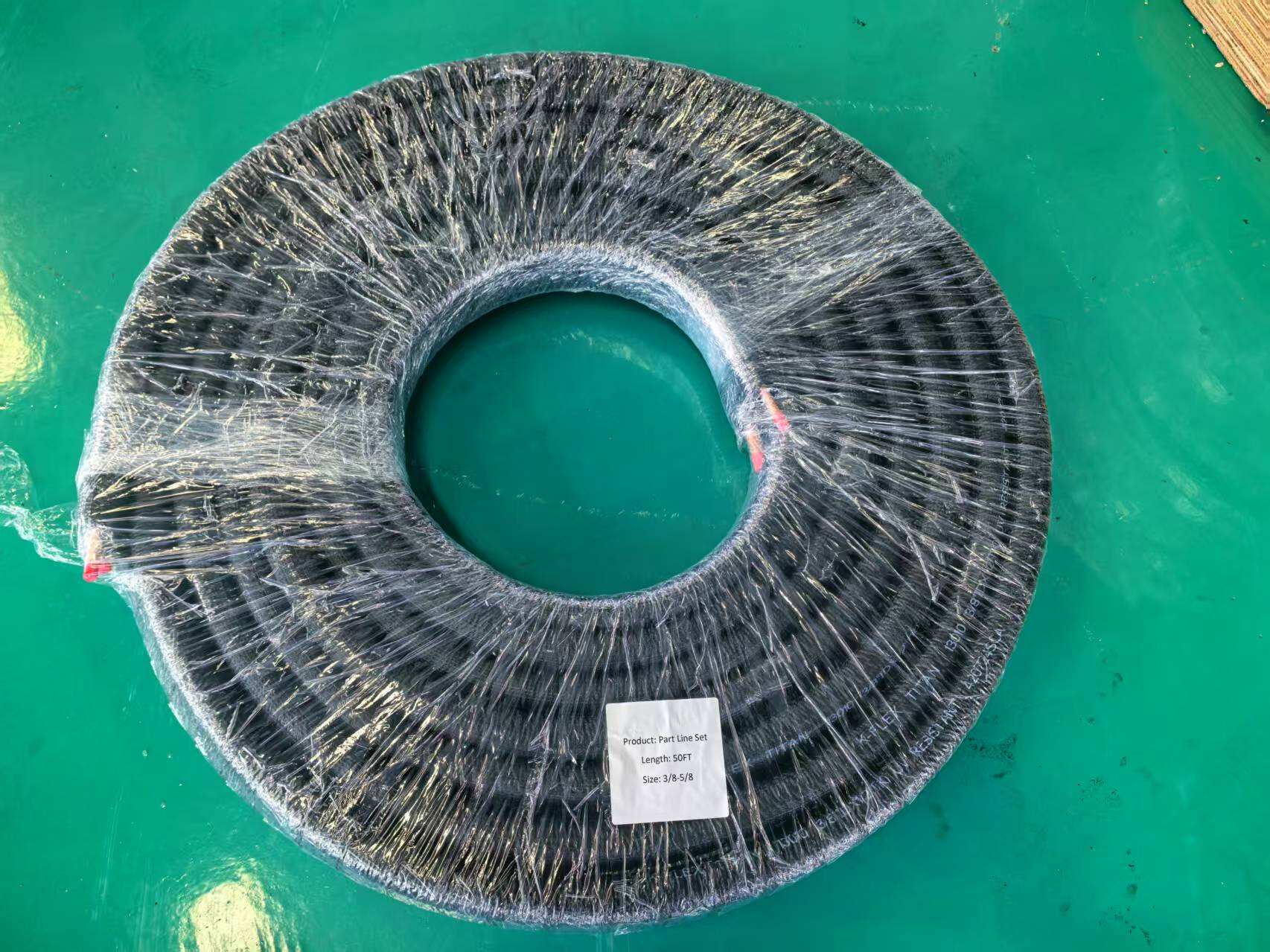
When planning an air conditioning installation or replacement, selecting the right components ensures optimal performance and longevity. Among the most critical components is the hvac line set, which serves as the lifeline connecting your outdoor condenser unit to the indoor evaporator coil. This vital connection facilitates the refrigerant flow that enables your cooling system to function efficiently. Understanding the importance of a quality hvac line set can help you make informed decisions that impact your system's performance, energy efficiency, and overall operational costs.
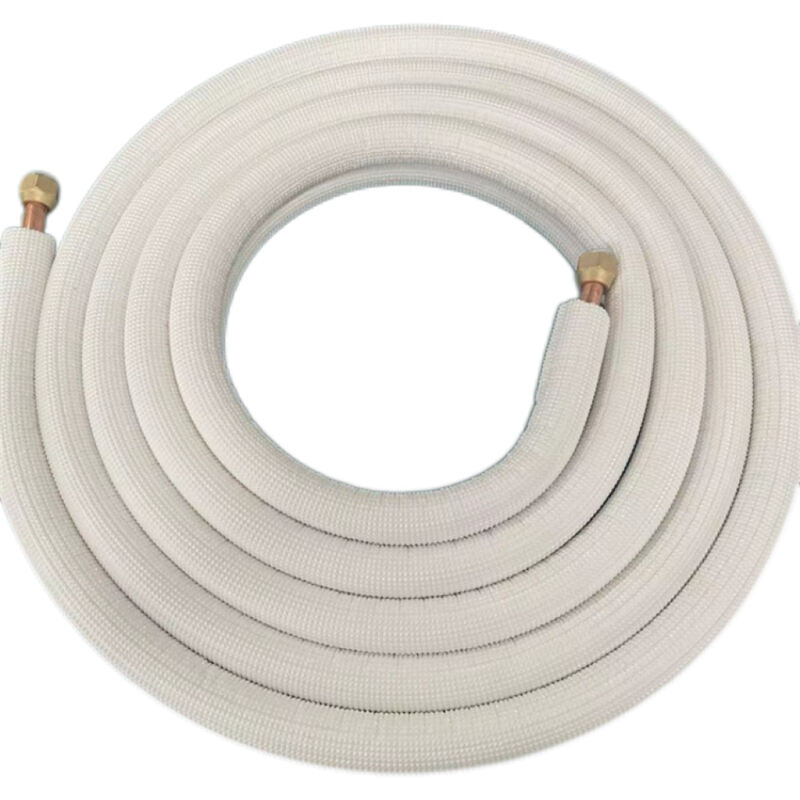
Professional HVAC installers recognize that the hvac line set forms the circulatory system of any air conditioning setup. Without proper refrigerant lines, even the most advanced cooling equipment cannot deliver the comfort and efficiency homeowners expect. The selection process involves multiple factors including diameter specifications, insulation quality, and material composition that directly influence system performance.
Understanding HVAC Line Set Components and Specifications
Copper Tubing Construction and Quality Standards
The foundation of any reliable hvac line set begins with high-grade copper tubing that meets industry standards for durability and thermal conductivity. Professional-grade copper ensures consistent refrigerant flow while resisting corrosion and maintaining structural integrity under varying pressure conditions. The manufacturing process involves precise wall thickness measurements that comply with ASTM specifications, ensuring long-term reliability in residential and commercial applications.
Quality copper construction in an hvac line set also provides superior heat transfer characteristics compared to alternative materials. This enhanced thermal efficiency translates to improved system performance and reduced energy consumption over the equipment's operational lifespan. The seamless construction minimizes potential leak points while providing the flexibility needed for professional installation in various architectural configurations.
Insulation Technology and Energy Efficiency
Modern hvac line set designs incorporate advanced insulation materials that significantly impact overall system efficiency. High-density foam insulation prevents energy loss during refrigerant transport, maintaining optimal temperatures throughout the cooling cycle. This insulation barrier also prevents condensation formation on exterior surfaces, protecting surrounding building materials from moisture damage.
The insulation thickness and density in a quality hvac line set directly correlate with energy savings and system longevity. Proper insulation reduces the workload on compressor components while maintaining consistent refrigerant temperatures. This efficiency improvement results in lower utility costs and extended equipment lifespan, making the initial investment in quality line sets economically beneficial over time.
Installation Advantages and Professional Considerations
Pre-Charged Line Sets and Time Efficiency
Many modern hvac line set options come pre-charged with nitrogen, eliminating the need for extensive field preparation and reducing installation time significantly. This pre-charging process ensures clean, dry internal conditions that prevent contamination during storage and installation. Professional installers appreciate this feature as it streamlines the connection process while maintaining system integrity.
The time savings associated with pre-charged hvac line set installations translate to reduced labor costs and faster project completion. This efficiency benefit allows HVAC professionals to complete more installations while maintaining quality standards. The reduced handling time also minimizes exposure to environmental contaminants that could compromise system performance.
Flexible Length Options and Custom Applications
Professional-grade hvac line set products are available in various lengths to accommodate different installation requirements without unnecessary splicing or joining. This flexibility eliminates potential leak points while ensuring optimal refrigerant flow characteristics throughout the system. Custom length availability reduces material waste and installation complexity in both residential and commercial projects.
The ability to select appropriate hvac line set lengths based on specific installation requirements ensures optimal system design and performance. Proper sizing eliminates the need for field modifications that could introduce weak points or efficiency losses. This precision approach to component selection reflects professional installation standards that benefit both contractors and end users.
Performance Benefits and Long-Term Value
Enhanced System Efficiency and Operational Reliability
A properly selected and installed hvac line set contributes significantly to overall system efficiency by maintaining optimal refrigerant flow characteristics. The precision manufacturing ensures consistent internal dimensions that minimize pressure drops and maintain proper refrigerant velocity throughout the cooling cycle. This optimization results in improved capacity and reduced energy consumption compared to systems with inadequate line sets.
Long-term reliability becomes evident through consistent performance and reduced maintenance requirements when quality hvac line set components are utilized. The robust construction withstands thermal cycling and pressure variations while maintaining leak-free operation. This reliability translates to fewer service calls and extended equipment lifespan, providing substantial value for property owners.
Cost-Effectiveness and Return on Investment
While premium hvac line set products may require higher initial investment, the long-term cost benefits become apparent through reduced energy consumption and maintenance expenses. Quality components eliminate the need for premature replacements while ensuring optimal system performance throughout the equipment's operational life. This economic advantage makes quality line sets a wise investment for both residential and commercial applications.
The return on investment for quality hvac line set selection extends beyond energy savings to include improved comfort consistency and reduced repair frequency. Property owners benefit from stable indoor temperatures and lower utility costs while avoiding the disruption and expense associated with system failures or efficiency degradation.
Technical Specifications and Sizing Guidelines
Diameter Selection and Flow Optimization
Proper hvac line set sizing requires careful consideration of refrigerant type, system capacity, and installation distance to ensure optimal performance. The suction line diameter typically exceeds the liquid line diameter to accommodate different refrigerant states and flow velocities. Professional sizing calculations account for pressure drop limitations and manufacturer specifications to maintain system efficiency.
Accurate diameter selection in hvac line set applications prevents velocity-related issues such as oil return problems or excessive pressure drops that compromise system performance. The sizing process involves detailed calculations based on equipment specifications and installation parameters. This technical approach ensures optimal refrigerant flow characteristics and system reliability.
Material Compatibility and Refrigerant Considerations
Modern hvac line set designs accommodate various refrigerant types including R-410A, R-32, and newer environmentally friendly alternatives. The copper composition and joining methods must be compatible with specific refrigerant chemistries to ensure long-term system integrity. This compatibility consideration becomes increasingly important as the industry transitions to lower global warming potential refrigerants.
The material specifications for quality hvac line set products include appropriate wall thickness and alloy composition to withstand the operating pressures and temperatures associated with different refrigerant types. This technical compatibility ensures safe and reliable operation while meeting current and future environmental regulations.
FAQ
What factors should I consider when selecting an hvac line set for my air conditioning system?
The most important factors include proper diameter sizing based on your system capacity, appropriate length for your installation distance, and insulation quality suitable for your climate conditions. Consider the refrigerant type your system uses, as this affects material compatibility requirements. Quality construction with proper wall thickness and durable insulation ensures long-term performance and energy efficiency.
How does insulation quality in an hvac line set impact energy efficiency?
High-quality insulation in an hvac line set prevents energy loss by maintaining optimal refrigerant temperatures during transport between indoor and outdoor units. This temperature stability reduces the workload on your compressor while preventing condensation that could damage surrounding materials. Better insulation translates directly to lower energy costs and improved system performance throughout the equipment's lifespan.
Can I install an hvac line set myself or should I hire a professional?
HVAC line set installation requires specialized tools, technical knowledge, and proper licensing in most jurisdictions. Professional installation ensures proper sizing, leak-free connections, and compliance with local codes and manufacturer specifications. Improper installation can void equipment warranties, create safety hazards, and result in poor system performance or costly repairs.
What is the typical lifespan of a quality hvac line set?
A properly installed quality hvac line set typically lasts 15-20 years or longer with minimal maintenance requirements. The lifespan depends on factors including installation quality, environmental conditions, and system maintenance practices. Quality copper construction and durable insulation materials resist degradation from thermal cycling and environmental exposure, ensuring reliable performance throughout the system's operational life.