
 EN
EN



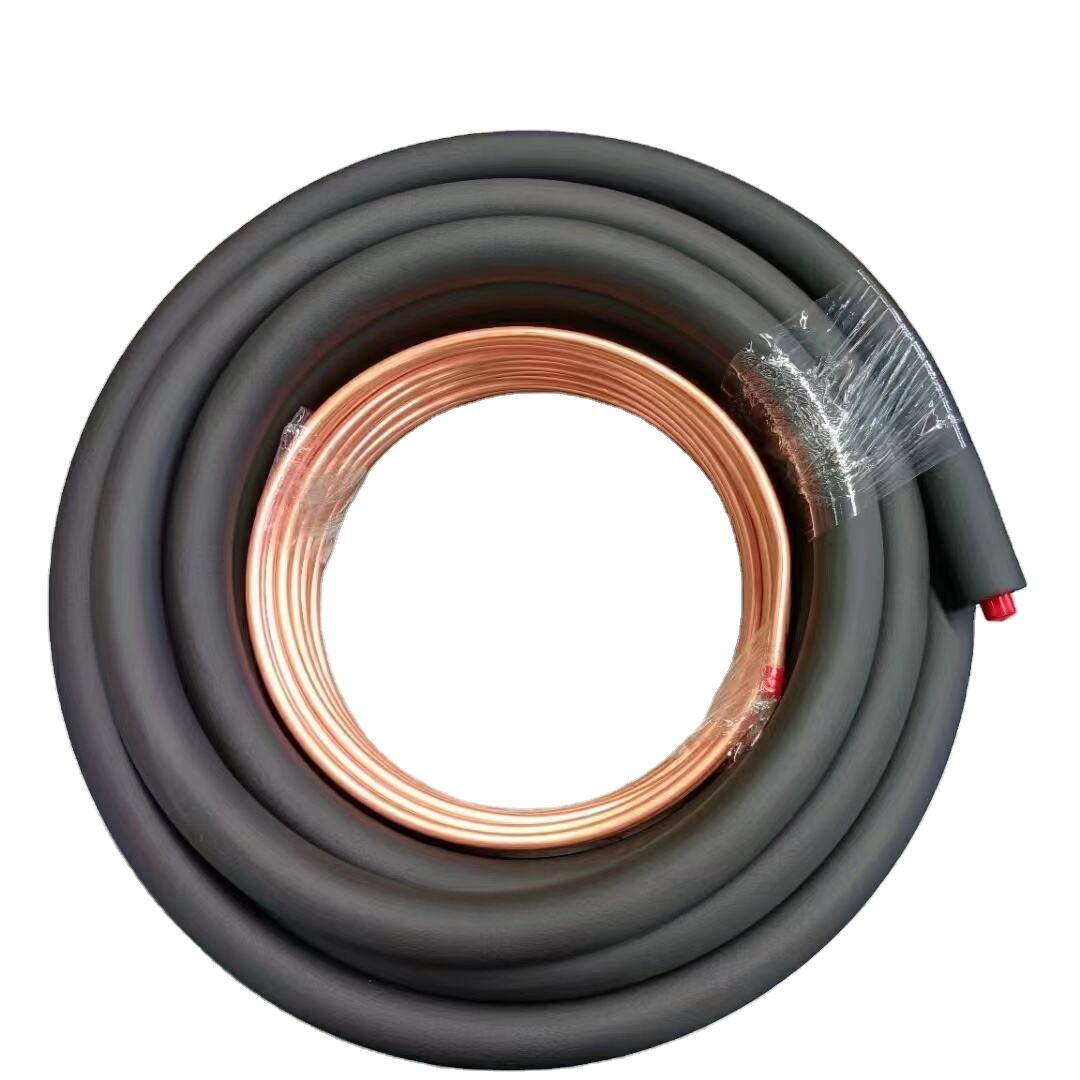
The efficiency and longevity of any HVAC system heavily depend on the quality of its components, with the copper line set serving as a critical element that connects the indoor and outdoor units. A premium copper line set ensures seamless refrigerant flow, maintains system pressure integrity, and contributes to optimal energy performance throughout the operational lifecycle. Understanding the role and importance of this essential component can help facility managers, HVAC technicians, and building owners make informed decisions that impact both system performance and operational costs.
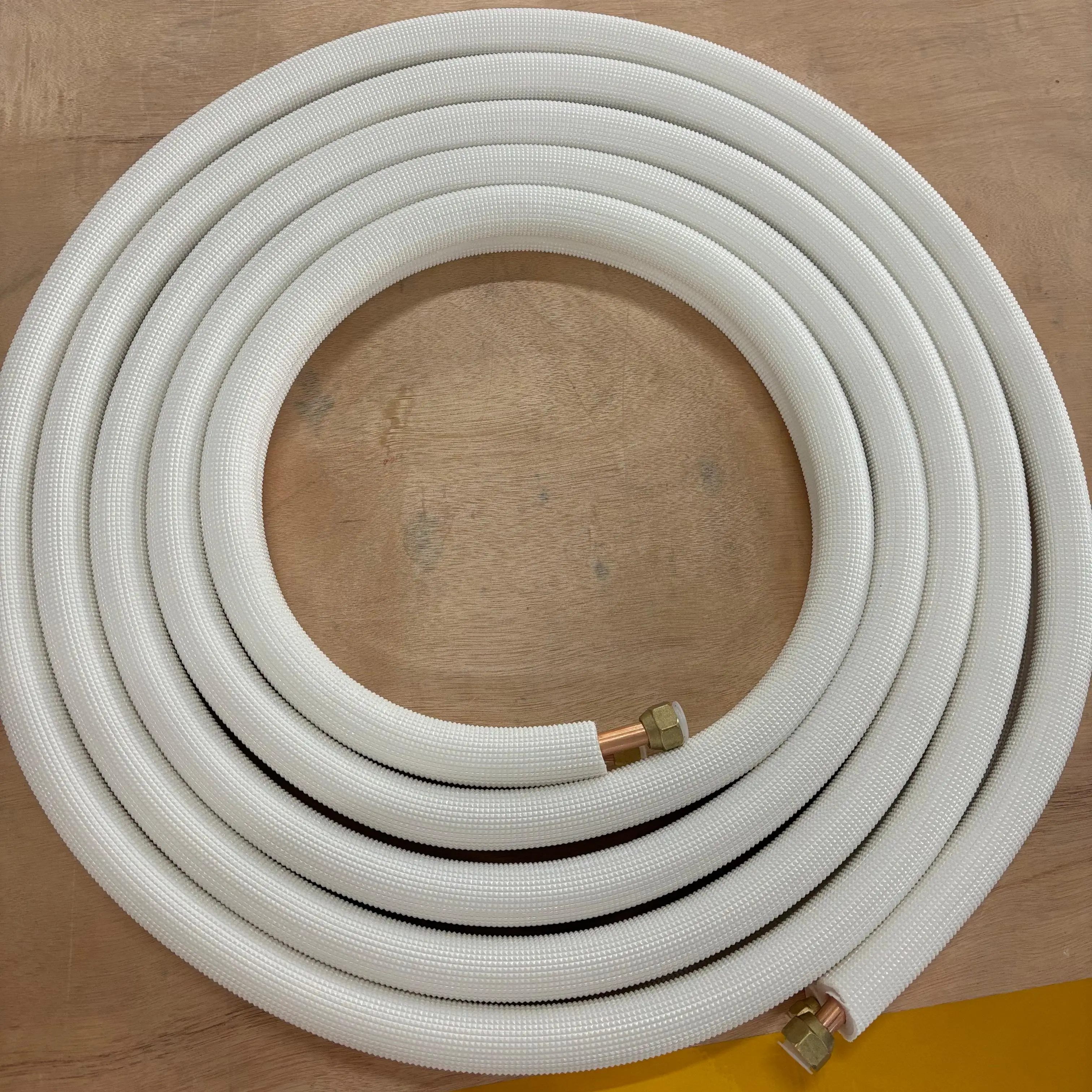
Modern air conditioning and heat pump systems rely on precise refrigerant circulation to achieve desired temperature control and energy efficiency ratings. The copper line set acts as the circulatory system that enables refrigerant to move between the evaporator and condenser coils, facilitating the heat exchange process that makes cooling and heating possible. When this component fails or operates below specifications, the entire system experiences reduced performance, increased energy consumption, and potential equipment damage.
Understanding Copper Line Set Fundamentals
Component Structure and Design
A standard copper line set consists of two primary tubes: the suction line and the liquid line, each serving distinct functions within the refrigeration cycle. The suction line, typically larger in diameter, carries low-pressure refrigerant vapor from the evaporator coil back to the compressor unit. The liquid line, smaller in diameter, transports high-pressure liquid refrigerant from the condenser to the expansion valve or metering device.
Quality copper line sets feature seamless construction that eliminates potential leak points and ensures consistent internal diameter throughout the entire length. The copper material provides excellent thermal conductivity while resisting corrosion and maintaining structural integrity under varying pressure conditions. Professional-grade installations require precise sizing calculations to match system capacity and refrigerant type specifications.
Installation Specifications and Requirements
Proper copper line set installation demands adherence to industry standards and manufacturer specifications to achieve optimal system performance. The installation process includes careful measurement of line lengths, appropriate support spacing, and proper insulation application to prevent energy losses and condensation issues. Technicians must consider factors such as elevation changes, ambient temperature conditions, and accessibility requirements during the planning phase.
Connection integrity represents a critical aspect of copper line set installation, requiring proper brazing techniques and leak testing procedures. All joints must be cleaned thoroughly, properly fluxed, and brazed with compatible filler materials to ensure long-term reliability. System commissioning should include comprehensive pressure testing and refrigerant charging procedures to verify proper operation and performance metrics.
Performance Benefits and System Efficiency
Energy Efficiency Optimization
High-quality copper line sets contribute significantly to overall system energy efficiency through reduced pressure drops and minimized heat transfer losses. The smooth interior surface of premium copper tubing allows refrigerant to flow with minimal friction, reducing the workload on the compressor and lowering energy consumption. Proper insulation thickness and coverage prevent unwanted heat gain or loss, maintaining refrigerant temperatures within design parameters.
System efficiency improvements from quality copper line set installation can result in measurable energy cost savings over the equipment lifecycle. Buildings with properly sized and installed copper line sets typically experience improved temperature control consistency, reduced cycling frequency, and enhanced comfort levels for occupants. These performance benefits translate into lower utility bills and extended equipment service life.
Reliability and Durability Factors
Premium copper line sets demonstrate superior resistance to environmental factors that commonly affect HVAC system components, including temperature fluctuations, moisture exposure, and chemical contaminants. The inherent properties of copper provide natural antimicrobial characteristics that help prevent biological growth within the refrigerant lines. This resistance to contamination reduces maintenance requirements and helps maintain system cleanliness over extended periods.
Long-term reliability benefits include reduced service calls, fewer emergency repairs, and improved system uptime for critical applications. Quality copper line set installations typically provide decades of trouble-free service when properly maintained and protected from physical damage. The investment in premium components pays dividends through reduced lifecycle costs and improved operational reliability.
Selection Criteria and Quality Standards
Material Specifications and Testing
Selecting appropriate copper line set materials requires consideration of refrigerant compatibility, pressure ratings, and environmental conditions specific to each installation. Different copper alloys and temper designations offer varying characteristics in terms of workability, strength, and corrosion resistance. Industry standards such as ASTM B280 specify requirements for seamless copper tube used in air conditioning and refrigeration applications.
Quality testing procedures ensure copper line set products meet or exceed performance specifications for pressure capability, dimensional accuracy, and material purity. Certified manufacturers conduct rigorous testing protocols including hydrostatic pressure testing, dimensional verification, and chemical composition analysis. These quality control measures help guarantee consistent performance and reliability across production batches.
Sizing and Capacity Considerations
Proper copper line set sizing requires careful analysis of system capacity, refrigerant type, line length, and elevation changes to optimize performance and efficiency. Undersized lines create excessive pressure drops that force the compressor to work harder, while oversized lines may cause refrigerant velocity issues and poor oil return characteristics. Professional sizing calculations consider factors such as equivalent length, fitting losses, and manufacturer recommendations.
System capacity matching ensures the copper line set can handle peak load conditions without compromising performance or creating operational issues. Proper sizing also considers future system modifications or capacity increases that may affect refrigerant flow requirements. This forward-thinking approach helps avoid costly retrofits and ensures long-term system compatibility.
Installation Best Practices and Maintenance
Professional Installation Techniques
Successful copper line set installation requires skilled technicians who understand proper handling, storage, and installation procedures to maintain tube integrity and performance characteristics. Proper tube cutting, deburring, and cleaning procedures prevent contamination and ensure smooth refrigerant flow. Installation techniques must also consider thermal expansion, vibration dampening, and adequate support spacing to prevent stress-related failures.
Joint preparation and brazing procedures represent critical elements of professional installation that directly impact long-term reliability and performance. Proper flux application, heating techniques, and filler material selection ensure strong, leak-free connections that withstand operational stresses and temperature cycling. Quality installations include comprehensive leak testing and system commissioning to verify proper operation.
Preventive Maintenance Strategies
Regular maintenance procedures help ensure copper line set components continue to operate at peak efficiency throughout their service life. Inspection protocols should include visual examination for signs of corrosion, physical damage, or insulation deterioration that could compromise performance. Monitoring system pressures and temperatures can help identify potential issues before they result in equipment failure or efficiency losses.
Preventive maintenance programs should address factors that commonly affect copper line set performance, including insulation integrity, support structure condition, and protection from environmental hazards. Early detection and correction of minor issues help prevent more serious problems that could result in costly repairs or system downtime. Proper documentation of maintenance activities helps track component condition and plan future service requirements.
Troubleshooting Common Issues
Performance Degradation Symptoms
Copper line set problems often manifest through observable symptoms such as reduced cooling capacity, increased energy consumption, or unusual operating noises that indicate refrigerant flow issues. Temperature measurements along the line set can help identify restrictions, leaks, or insulation problems that affect system performance. Pressure monitoring provides valuable diagnostic information about potential blockages or sizing issues.
System performance data comparison against baseline measurements helps identify gradual degradation that may indicate developing copper line set issues. Changes in superheat and subcooling measurements often point to problems with refrigerant flow or heat transfer that require investigation. Early detection of performance changes allows for proactive maintenance and prevents more serious system problems.
Repair and Replacement Considerations
When copper line set repairs become necessary, proper assessment of damage extent and repair feasibility helps determine the most cost-effective approach. Minor leaks may be repairable through localized repairs, while extensive damage or degradation may require complete line set replacement. Repair decisions should consider factors such as system age, component availability, and long-term reliability requirements.
Replacement planning should address opportunities for system improvements, capacity modifications, or efficiency upgrades that may benefit from enhanced copper line set specifications. Modern copper line set products often offer improved insulation, corrosion resistance, or installation features that can enhance system performance beyond original specifications. These upgrade opportunities help justify replacement investments through improved efficiency and reliability.
FAQ
What factors determine the appropriate copper line set size for an HVAC system
Copper line set sizing depends on system capacity, refrigerant type, line length, elevation changes, and manufacturer specifications. Professional calculations consider pressure drop limitations, refrigerant velocity requirements, and oil return characteristics to ensure optimal performance. Proper sizing prevents efficiency losses and ensures reliable system operation under all load conditions.
How often should copper line set components be inspected or replaced
Copper line set inspection should occur during regular system maintenance, typically annually or semi-annually depending on operating conditions and environmental factors. Quality copper line sets can provide decades of service when properly installed and maintained, with replacement needed only when damage, corrosion, or system modifications occur. Regular monitoring helps identify potential issues before they compromise system performance.
What are the signs that indicate copper line set problems in an HVAC system
Common indicators of copper line set issues include reduced cooling or heating capacity, increased energy consumption, unusual operating noises, frost formation, and abnormal pressure or temperature readings. Visual inspection may reveal damaged insulation, corrosion, physical damage, or refrigerant leaks that require attention. Professional diagnostic testing can confirm suspected problems and determine appropriate corrective actions.
Can copper line set upgrades improve existing HVAC system efficiency
Upgrading to higher-quality copper line set components can improve system efficiency through better insulation, reduced pressure drops, and enhanced refrigerant flow characteristics. Modern copper line set products often feature improved materials and design features that exceed original equipment specifications. However, efficiency improvements depend on existing system condition and proper sizing for current capacity requirements.