
 EN
EN



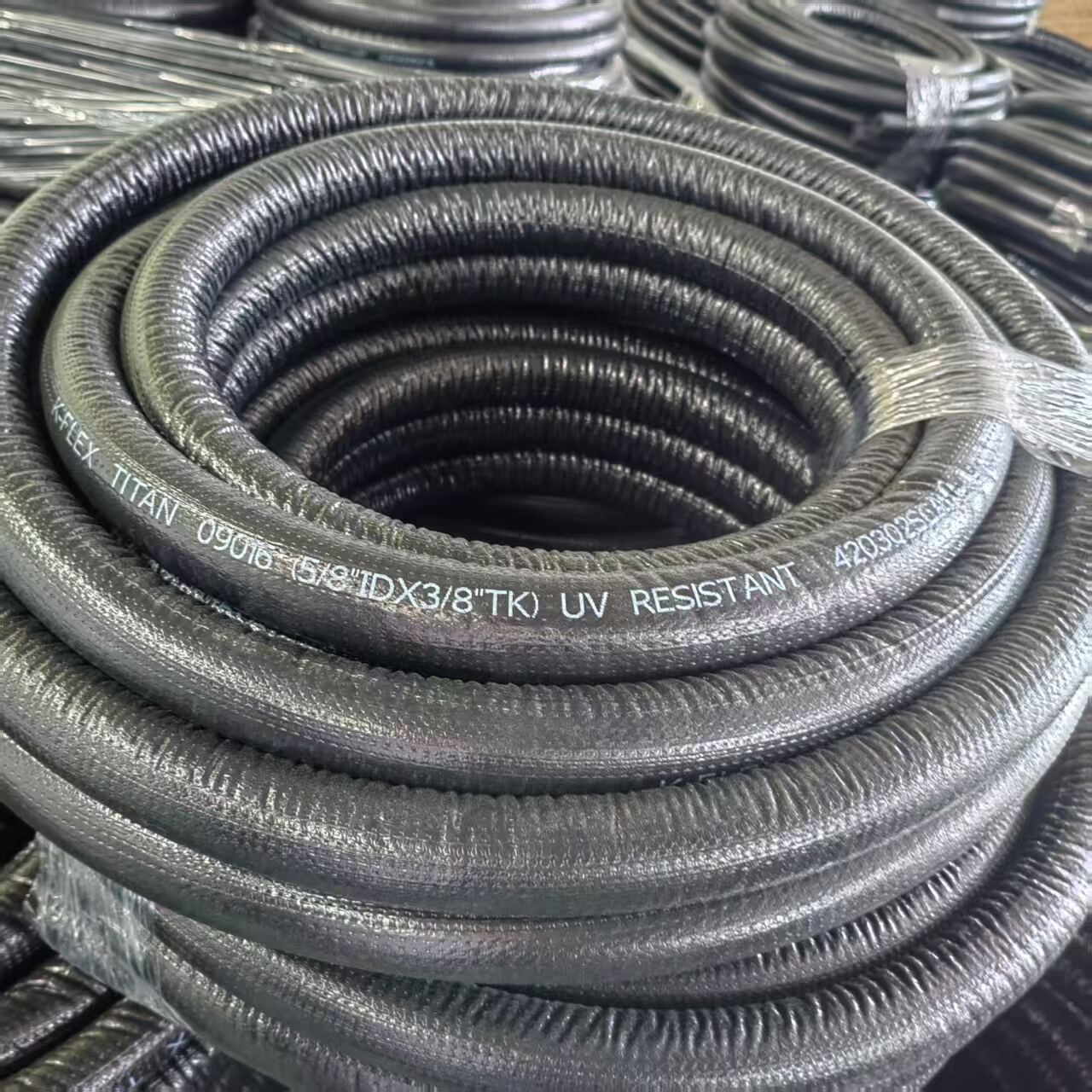
Selecting the right line set materials and sizes is crucial for HVAC system performance and longevity. When evaluating options for refrigerant lines, understanding the differences between materials, insulation types, and sizing requirements helps ensure optimal system efficiency. Modern HVAC installations demand careful consideration of factors like thermal conductivity, moisture resistance, and installation convenience when choosing between copper, aluminum, or specialized composite materials.
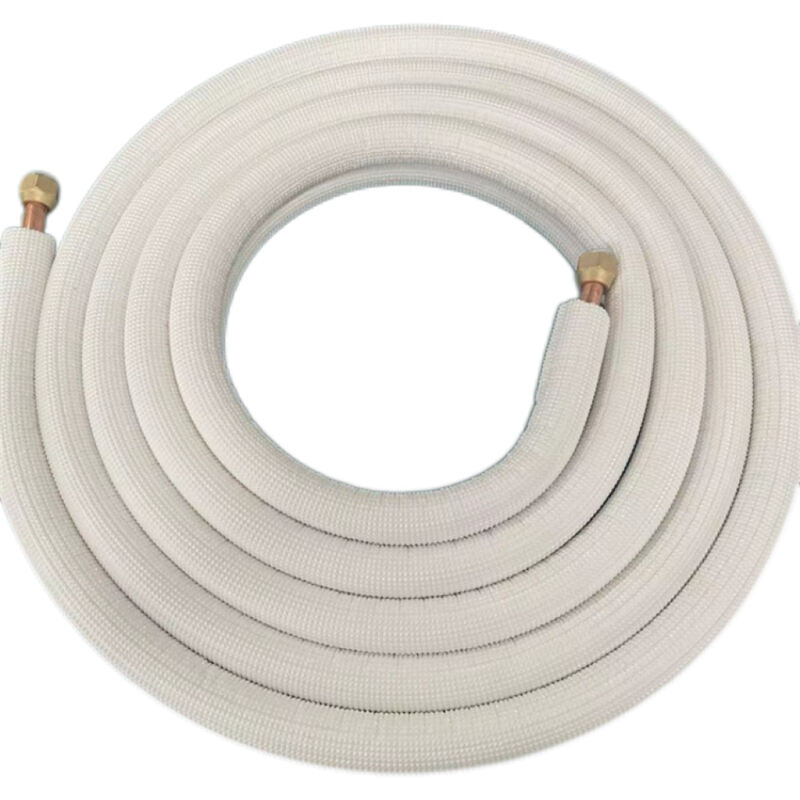
Material Comparison for HVAC Line Sets
Copper Line Sets Advantages
Copper remains the gold standard for refrigerant lines due to its exceptional thermal conductivity and corrosion resistance. HVAC insulated copper pipe offers superior heat transfer properties, making it ideal for both residential and commercial applications. The malleability of copper allows for easier installation around obstacles while maintaining structural integrity under pressure variations.
Professional contractors prefer copper line sets because they can be easily brazed and repaired on-site. The material's natural antimicrobial properties help prevent bacterial growth within the system, contributing to better indoor air quality. Additionally, copper's long service life often exceeds 25 years with proper installation and maintenance.
Alternative Materials and Their Applications
Aluminum line sets provide a lightweight alternative to copper, particularly beneficial for rooftop installations where weight considerations are paramount. However, aluminum requires specialized fittings and joining techniques, which can increase installation complexity. The material's thermal expansion characteristics differ from copper, necessitating careful planning during system design.
Composite materials and specialized alloys are emerging as viable options for specific applications. These alternatives often feature enhanced corrosion resistance in coastal environments or improved flexibility for tight installation spaces. When evaluating these materials, consider compatibility with existing system components and local code requirements.
Insulation Types and Performance Characteristics
Polyethylene Foam Insulation Benefits
PE material insulation provides excellent moisture barrier properties while maintaining flexibility throughout temperature cycles. HVAC insulated copper pipe with PE foam insulation offers superior protection against condensation formation, which is critical for preventing energy loss and moisture-related issues. The closed-cell structure of PE foam resists water absorption even in high-humidity environments.
Installation efficiency improves significantly with pre-insulated line sets featuring PE material. The insulation remains intact during bending and installation, reducing the risk of thermal bridging that can occur with field-applied insulation. UV resistance in PE foam insulation also makes it suitable for outdoor applications where exposure to sunlight is unavoidable.
Alternative Insulation Materials
Elastomeric foam insulation offers enhanced flexibility and temperature resistance compared to traditional materials. This insulation type maintains its thermal properties across a wider temperature range, making it suitable for extreme climate applications. The material's self-sealing properties around joints and connections provide additional moisture protection.
Fiberglass insulation with vapor barriers represents a cost-effective option for larger commercial installations. While requiring more careful installation to maintain effectiveness, fiberglass insulation can provide excellent thermal performance when properly applied. Consider the labor costs and potential for installation errors when evaluating this option against pre-insulated alternatives.
Sizing Considerations for Optimal Performance
Refrigerant Line Sizing Fundamentals
Proper sizing of HVAC insulated copper pipe directly impacts system efficiency and operational costs. Undersized lines create excessive pressure drops, forcing compressors to work harder and increasing energy consumption. Conversely, oversized lines can lead to oil return issues and reduced system performance during part-load conditions.
Manufacturer specifications provide baseline sizing requirements, but site-specific factors like line length, elevation changes, and ambient conditions must be considered. Consulting load calculation software helps determine the optimal line sizes for specific installations, ensuring proper refrigerant flow under all operating conditions.
Installation Length and Elevation Factors
Extended line runs require careful consideration of pressure drop calculations and oil return characteristics. HVAC insulated copper pipe installations exceeding manufacturer recommendations may need oversizing to maintain proper system performance. Vertical runs present additional challenges, as oil return becomes more difficult with increased elevation differences.
Installation planning should account for future service accessibility when selecting line sizes and routing paths. Adequate clearances for brazing operations and potential repairs ensure long-term system maintainability. Consider using union fittings at strategic locations to facilitate future service without complete line replacement.
Quality Standards and Certification Requirements
Industry Standards Compliance
HVAC insulated copper pipe must meet ASTM B280 standards for refrigeration service, ensuring proper wall thickness and material composition for pressure applications. UL certification for insulation materials guarantees fire safety compliance and thermal performance characteristics. These certifications provide assurance that materials will perform as specified throughout their service life.
Local building codes may impose additional requirements for insulation thickness, fire ratings, or installation methods. Researching applicable codes before material selection prevents costly changes during installation. Some jurisdictions require specific insulation types for energy efficiency compliance or environmental regulations.
Quality Assurance and Testing
Pressure testing requirements vary by application and local codes, but typically involve holding system pressure for specified periods to verify joint integrity. HVAC insulated copper pipe installations should undergo both pressure and vacuum testing to ensure leak-tight operation and proper evacuation capability.
Documentation of material certifications, test results, and installation procedures provides valuable information for system commissioning and future maintenance activities. Maintaining comprehensive records helps identify potential issues early and supports warranty claims if material defects occur.
Cost Analysis and Selection Criteria
Initial Cost Considerations
Material costs represent only one component of total installation expenses, as labor requirements and installation complexity significantly impact overall project costs. HVAC insulated copper pipe with pre-applied insulation reduces field labor but typically carries higher material costs than bare tube with field-applied insulation.
Bulk purchasing opportunities can reduce material costs for larger projects, while smaller installations may benefit from pre-fabricated line sets that minimize field labor. Consider shipping costs and delivery schedules when comparing suppliers, as expedited delivery charges can significantly impact project budgets.
Long-term Value Assessment
Energy efficiency improvements from proper material selection often justify higher initial costs through reduced operating expenses. HVAC insulated copper pipe with superior thermal properties can reduce energy consumption by minimizing heat gain or loss during refrigerant transport. Calculate payback periods based on local energy costs and system operating hours to determine optimal material choices.
Maintenance requirements and service life expectations vary significantly between materials and installation methods. Higher-quality materials with proven track records may cost more initially but provide better long-term value through reduced maintenance needs and extended service life.
Installation Best Practices
Preparation and Planning
Proper site preparation ensures successful installation of HVAC insulated copper pipe systems. Clear access routes for material delivery and installation equipment prevent damage during transportation. Site surveys should identify potential obstacles, utility conflicts, and structural support requirements before material ordering.
Tool preparation includes ensuring availability of proper tube cutters, bending tools, and brazing equipment sized for the selected line sets. Using appropriate tools prevents damage to insulation during installation and ensures proper joint preparation for leak-tight connections.
Installation Techniques and Quality Control
Maintaining insulation integrity during installation requires careful handling and proper support spacing. HVAC insulated copper pipe should be supported at intervals recommended by manufacturers to prevent sagging and insulation compression. Avoid over-tightening support clamps that could compress insulation and create thermal bridges.
Joint preparation and brazing techniques must follow manufacturer specifications to ensure proper connections. Remove insulation material from joint areas according to guidelines, and protect remaining insulation from heat damage during brazing operations. Proper flux application and joint heating ensure strong, leak-tight connections that will perform throughout the system's service life.
FAQ
What factors determine the optimal insulation thickness for HVAC line sets?
Insulation thickness requirements depend on operating temperatures, ambient conditions, and energy code requirements. HVAC insulated copper pipe typically uses insulation thickness ranging from half-inch to one inch, with thicker insulation required for larger diameter lines or extreme temperature applications. Local energy codes may mandate minimum insulation thickness for compliance.
How do I calculate the correct line set size for my HVAC system?
Line set sizing calculations consider refrigerant type, system capacity, line length, and elevation changes. Manufacturer sizing tables provide baseline requirements, but complex installations may require detailed pressure drop calculations. HVAC insulated copper pipe sizing should account for future service needs and potential system expansions.
What are the advantages of pre-insulated line sets versus field-applied insulation?
Pre-insulated line sets offer consistent insulation thickness, reduced installation time, and better moisture protection compared to field-applied alternatives. HVAC insulated copper pipe with factory-applied PE material provides superior quality control and eliminates potential installation errors that can compromise thermal performance.
How long should I expect HVAC line sets to last before replacement?
Properly installed HVAC insulated copper pipe systems typically provide 20-25 years of service life under normal operating conditions. Factors affecting longevity include installation quality, operating pressures, ambient conditions, and maintenance practices. Regular inspection and maintenance can extend service life and identify potential issues before failure occurs.