
 EN
EN



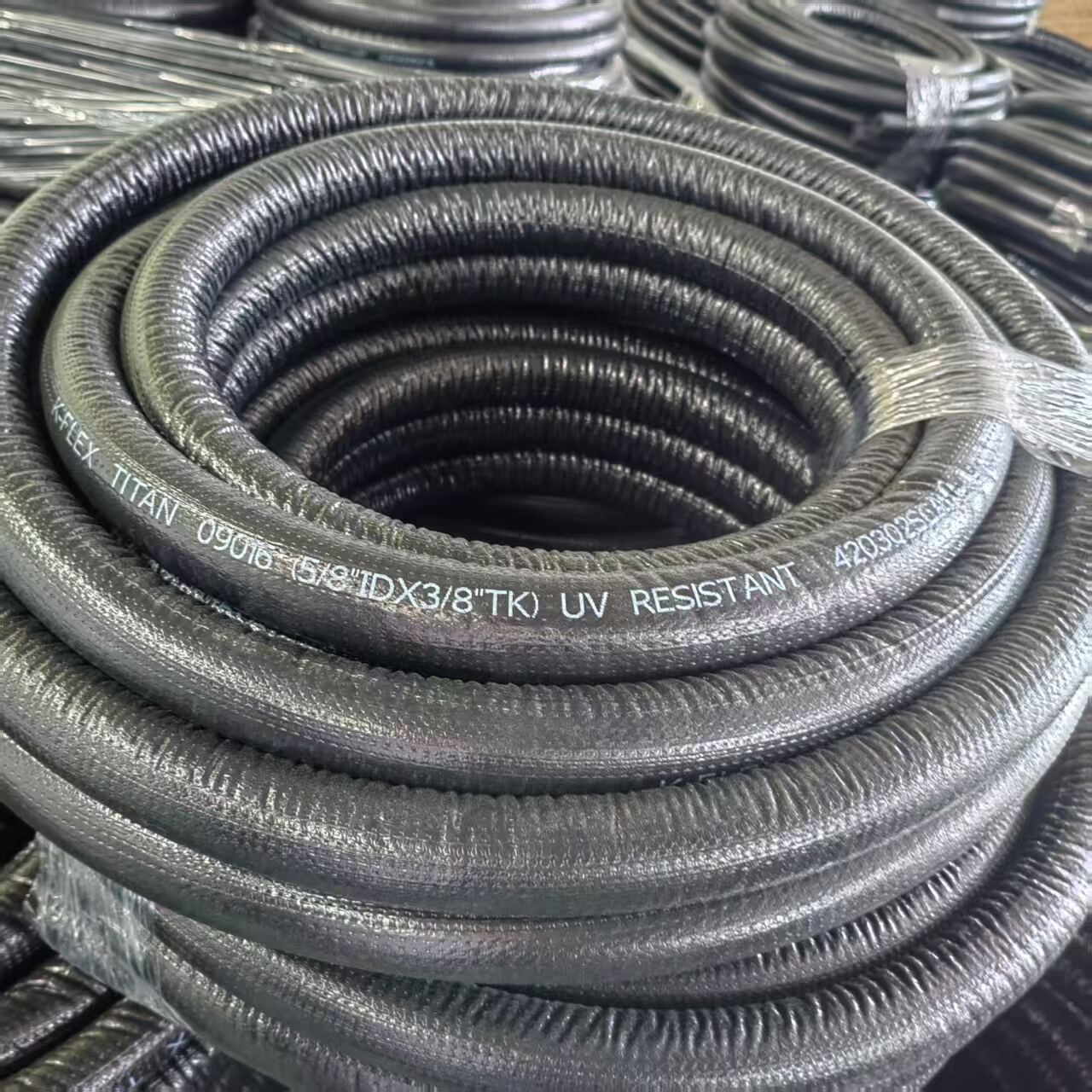
Understanding the proper copper line set insulation thickness is crucial for maintaining energy efficiency and preventing costly condensation issues in HVAC systems. The thickness of insulation directly impacts the system's performance, operational costs, and longevity. When selecting the appropriate insulation specifications, contractors and technicians must consider multiple factors including ambient temperature conditions, line size variations, and specific application requirements. Proper copper line set insulation thickness not only prevents energy losses but also eliminates moisture-related problems that can lead to system failures and reduced equipment lifespan.
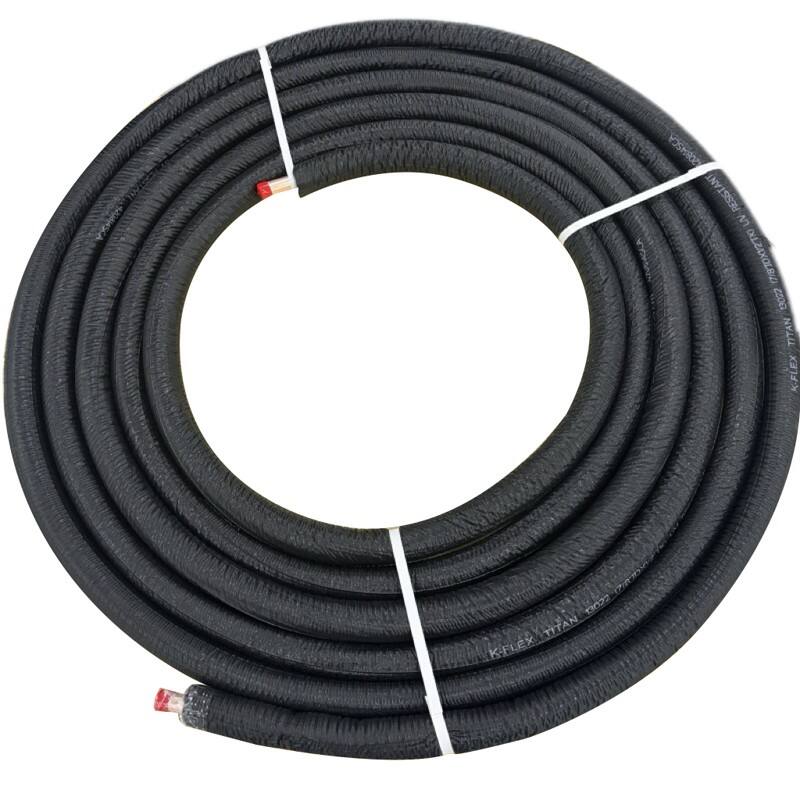
Standard Insulation Thickness Requirements for Different Applications
Residential HVAC System Specifications
Residential applications typically require specific copper line set insulation thickness measurements to ensure optimal performance. Standard residential systems generally utilize insulation thickness ranging from 3/8 inch to 5/8 inch, depending on the line diameter and environmental conditions. The suction line, which carries low-pressure refrigerant vapor back to the compressor, requires more substantial insulation compared to the liquid line. This increased thickness prevents condensation formation and maintains the refrigerant's temperature integrity throughout the cooling cycle.
The liquid line in residential systems often requires minimal insulation, typically around 3/8 inch thickness, since it carries high-pressure liquid refrigerant that is less susceptible to temperature fluctuations. However, when copper line set insulation thickness is inadequate, even liquid lines can experience efficiency losses that impact overall system performance. Environmental factors such as high humidity levels or extreme temperature variations may necessitate increased insulation thickness beyond standard recommendations.
Commercial and Industrial Applications
Commercial installations demand more robust copper line set insulation thickness specifications due to longer line runs and higher capacity requirements. Industrial applications frequently require insulation thickness ranging from 5/8 inch to 1 inch or more, depending on the specific operational parameters. These thicker insulation requirements help maintain consistent refrigerant temperatures across extended distances while minimizing energy losses in large-scale systems.
The selection of appropriate copper line set insulation thickness in commercial settings must account for building codes, energy efficiency standards, and operational cost considerations. Thicker insulation materials provide superior thermal resistance but may increase installation complexity and material costs. However, the long-term energy savings and reduced maintenance requirements typically justify the initial investment in higher-quality insulation systems.
Factors Influencing Insulation Thickness Selection
Environmental Temperature Conditions
Ambient temperature variations significantly impact the required copper line set insulation thickness for effective condensation prevention. In high-temperature environments, thicker insulation becomes essential to maintain the temperature differential necessary for proper system operation. Conversely, moderate climate conditions may allow for standard insulation thickness while still achieving optimal performance levels.
Extreme temperature fluctuations throughout the operating season require careful consideration when determining copper line set insulation thickness. Systems exposed to wide temperature ranges benefit from enhanced insulation specifications that provide consistent thermal protection regardless of external conditions. The insulation material's thermal conductivity properties also influence the minimum thickness requirements for specific temperature ranges.
Humidity and Moisture Control Requirements
High humidity environments demand increased copper line set insulation thickness to prevent condensation formation on refrigerant lines. Moisture accumulation can lead to insulation degradation, corrosion issues, and reduced system efficiency over time. Proper thickness selection ensures that surface temperatures remain above the dew point under all operating conditions.
The vapor barrier properties of insulation materials work in conjunction with thickness to provide comprehensive moisture protection. When copper line set insulation thickness is properly matched to environmental humidity levels, the risk of water damage and mold growth is significantly reduced. This protection extends equipment lifespan and maintains indoor air quality standards.
Energy Efficiency Benefits of Proper Insulation Thickness
Thermal Loss Prevention
Adequate copper line set insulation thickness directly correlates with reduced thermal losses throughout the refrigerant circuit. Insufficient insulation allows heat transfer that forces the compressor to work harder, increasing energy consumption and operational costs. Proper thickness selection can reduce energy losses by up to 15-20% compared to inadequately insulated systems.
The relationship between copper line set insulation thickness and energy efficiency becomes more pronounced in systems with longer line runs. Extended refrigerant circuits amplify the impact of thermal losses, making proper insulation thickness selection critical for maintaining design efficiency levels. Calculated properly, the energy savings from appropriate insulation thickness typically offset material costs within the first operating season.
System Capacity Maintenance
Proper copper line set insulation thickness helps maintain design cooling and heating capacities by preserving refrigerant state changes throughout the system cycle. When insulation thickness is insufficient, refrigerant subcooling and superheat values can drift outside acceptable ranges, reducing system capacity and efficiency. This capacity loss often manifests as longer operating cycles and increased energy consumption.
Maintaining consistent refrigerant temperatures through appropriate copper line set insulation thickness ensures that expansion valves and other metering devices operate within their design parameters. This consistency improves system reliability and reduces the likelihood of performance-related service calls and component failures.
Installation Best Practices for Insulation Thickness
Measurement and Cutting Techniques
Accurate measurement of copper line set insulation thickness during installation ensures consistent thermal protection throughout the refrigerant circuit. Installation teams should verify insulation thickness using appropriate measuring tools and maintain consistent coverage without gaps or compression that could reduce effectiveness. Proper cutting techniques preserve the insulation's cellular structure and thermal properties.
Joint sealing represents a critical aspect of copper line set insulation thickness maintenance during installation. Gaps at joints and fittings can create thermal bridges that compromise the insulation system's effectiveness regardless of overall thickness. Professional installation techniques include proper joint sealing methods that maintain continuous thermal protection.
Quality Control and Inspection
Regular inspection of copper line set insulation thickness helps identify potential issues before they impact system performance. Visual inspections should verify consistent thickness coverage and identify areas where insulation may have been damaged or compressed during installation. Thermal imaging can reveal temperature variations that indicate insulation effectiveness problems.
Documentation of installed copper line set insulation thickness provides valuable reference information for future maintenance and service activities. Proper documentation includes thickness measurements, material specifications, and installation date information that supports long-term system maintenance planning and warranty compliance.
Common Problems Related to Inadequate Insulation Thickness
Condensation Formation and Water Damage
Insufficient copper line set insulation thickness frequently leads to condensation formation on refrigerant lines, particularly during high-humidity conditions. This moisture accumulation can cause water damage to surrounding building materials, create mold growth conditions, and lead to insulation degradation over time. The resulting maintenance issues often exceed the cost of proper initial insulation installation.
Persistent condensation problems indicate that existing copper line set insulation thickness may be inadequate for the specific operating conditions. Retrofitting systems with enhanced insulation thickness can resolve moisture issues while improving overall energy efficiency. However, prevention through proper initial thickness selection remains more cost-effective than remedial measures.
Energy Waste and Increased Operating Costs
Inadequate copper line set insulation thickness results in measurable energy waste that compounds over time through increased operating costs. Systems with insufficient insulation require longer operating cycles to achieve desired temperature conditions, leading to premature component wear and reduced equipment lifespan. These efficiency losses become more significant as energy costs increase.
The cumulative impact of inadequate copper line set insulation thickness can represent thousands of dollars in excess energy costs over a system's operational lifetime. Upgrading insulation thickness specifications during routine maintenance provides opportunities to capture these energy savings while improving system reliability and performance characteristics.
FAQ
What is the minimum recommended insulation thickness for residential copper line sets
The minimum recommended copper line set insulation thickness for residential applications typically ranges from 3/8 inch to 5/8 inch, depending on the line diameter and local climate conditions. Suction lines generally require thicker insulation than liquid lines due to their lower operating temperatures and higher condensation risk. Local building codes and energy efficiency standards may specify minimum thickness requirements that exceed general recommendations.
How does ambient temperature affect insulation thickness requirements
Ambient temperature significantly influences copper line set insulation thickness requirements, with higher temperatures necessitating thicker insulation to maintain proper thermal protection. In extremely hot climates, insulation thickness may need to exceed standard specifications to prevent refrigerant temperature rise and maintain system efficiency. Conversely, moderate temperature regions may achieve adequate performance with standard thickness specifications while still meeting energy efficiency requirements.
Can insulation thickness be too thick for copper line sets
While excessive copper line set insulation thickness rarely causes performance problems, it can increase material costs and installation complexity without providing proportional benefits. The optimal thickness balances thermal protection requirements with practical installation considerations and cost effectiveness. Beyond certain thickness levels, additional insulation provides diminishing returns on energy savings while potentially creating space constraints in mechanical rooms or tight installation areas.
How often should insulation thickness be inspected and replaced
Copper line set insulation thickness should be inspected annually as part of routine maintenance procedures, with particular attention to areas where mechanical damage or UV exposure may have occurred. Insulation replacement becomes necessary when thickness has been compromised through compression, physical damage, or moisture infiltration that reduces thermal effectiveness. High-quality insulation materials typically maintain their specified thickness and thermal properties for 10-15 years under normal operating conditions.