
 EN
EN



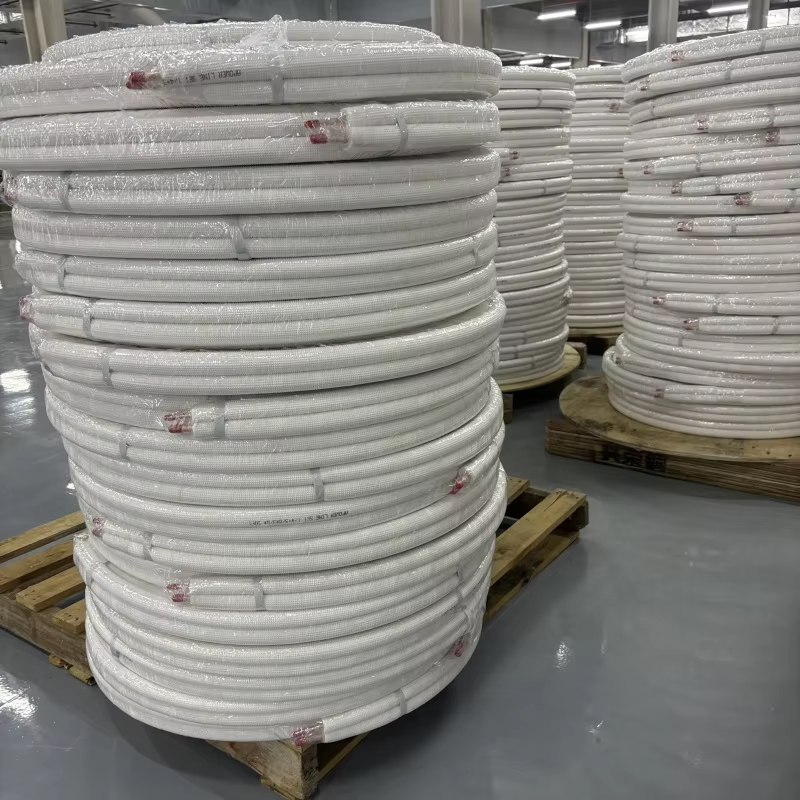
Air conditioning systems rely on precise engineering and high-quality components to deliver optimal performance throughout demanding cooling seasons. Among the most critical yet often overlooked components is the copper line set, which serves as the circulatory system connecting outdoor condensing units to indoor evaporator coils. Understanding how proper sizing impacts system efficiency can help property managers, HVAC technicians, and facility owners make informed decisions that reduce energy costs while extending equipment lifespan.
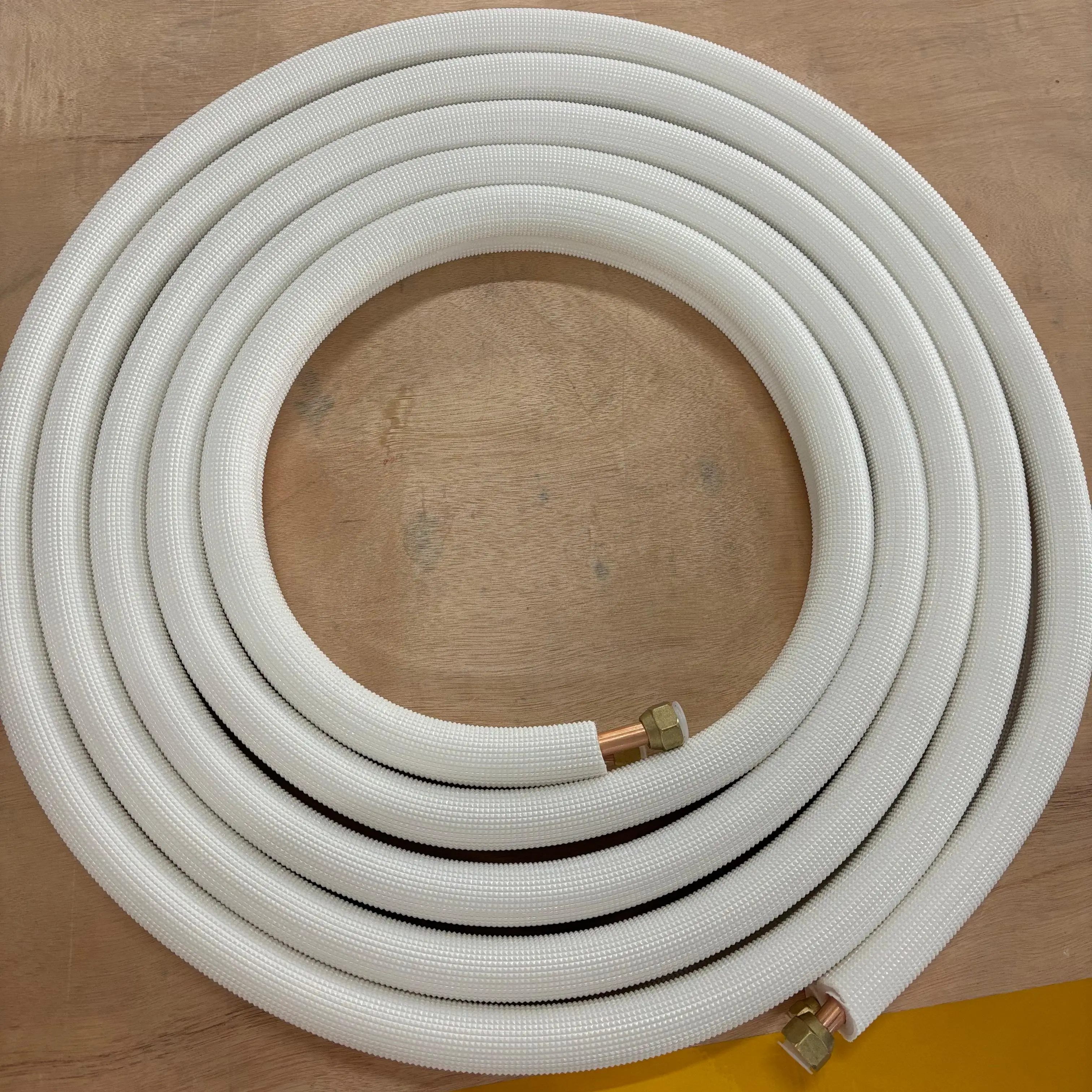
The refrigeration cycle depends entirely on refrigerant flowing efficiently between system components through carefully engineered pathways. When copper line set dimensions align with manufacturer specifications and system requirements, refrigerant maintains proper pressure differentials and temperature characteristics essential for heat transfer processes. Conversely, undersized or oversized copper tubing creates flow restrictions, pressure drops, and thermal inefficiencies that compromise system performance while increasing operating costs.
Modern commercial and residential air conditioning installations require copper line sets that meet stringent performance standards while accommodating various refrigerant types and system configurations. Properly sized copper tubing ensures optimal refrigerant velocity, minimizes pressure losses, and maintains consistent heat transfer rates across all operating conditions. These factors directly influence energy consumption, cooling capacity, and overall system reliability throughout extended service periods.
Understanding Copper Line Set Fundamentals
Refrigerant Flow Dynamics
Refrigerant circulation through copper line set pathways follows complex thermodynamic principles that govern heat absorption and rejection processes. The suction line carries low-pressure vapor refrigerant from evaporator coils to compressor inlets, while liquid lines transport high-pressure liquid refrigerant from condensers back to expansion devices. Each line serves distinct functions requiring specific diameter calculations based on refrigerant type, system capacity, and installation distances.
Proper copper tubing diameter selection ensures refrigerant maintains appropriate velocity ranges throughout the circulation cycle. Excessive velocity creates pressure drops that force compressors to work harder, while insufficient velocity allows refrigerant to stratify or create uneven flow patterns. Professional HVAC designers calculate line sizes using manufacturer guidelines, refrigerant properties, and system load requirements to achieve optimal flow characteristics.
Temperature considerations also influence copper line set performance since refrigerant properties change significantly with thermal conditions. Insulation requirements vary based on line function, with suction lines requiring substantial insulation to prevent heat gain while liquid lines may need protection from ambient temperature fluctuations. Understanding these thermal dynamics helps ensure copper tubing installations deliver consistent performance across varying operating conditions.
Material Properties and Performance
Copper demonstrates exceptional thermal conductivity, corrosion resistance, and mechanical durability that make it ideal for refrigerant applications. The material naturally resists oxidation while providing excellent heat transfer characteristics essential for efficient refrigeration cycles. High-quality copper line set components undergo rigorous manufacturing processes that ensure consistent wall thickness, dimensional accuracy, and material purity required for reliable long-term performance.
Copper tubing specifications include various wall thickness options designed to accommodate different pressure ratings and installation requirements. Type L copper offers standard wall thickness suitable for most residential and light commercial applications, while Type K provides heavier walls for high-pressure systems or challenging installation conditions. Understanding these material grades helps ensure copper line set selections meet specific project requirements while providing appropriate safety margins.
Manufacturing quality directly impacts copper line set reliability and system performance over time. Premium copper tubing features consistent internal surfaces that minimize friction losses while maintaining structural integrity under pressure cycling and thermal expansion stresses. Inferior materials may develop leaks, internal restrictions, or surface irregularities that compromise refrigerant flow and system efficiency throughout service life.
Sizing Calculations and Engineering Considerations
Load-Based Sizing Methodology
Accurate copper line set sizing begins with comprehensive load calculations that account for cooling capacity, refrigerant characteristics, and installation parameters. Engineers utilize manufacturer sizing charts, software tools, and industry standards to determine appropriate tube diameters based on system tonnage and refrigerant flow rates. These calculations ensure copper tubing can handle peak load conditions while maintaining efficient operation during partial load scenarios.
Refrigerant type significantly influences sizing requirements since different compounds exhibit varying density, viscosity, and flow characteristics. Modern systems may utilize R-410A, R-32, or other advanced refrigerants that require specific velocity ranges to maintain optimal performance. Professional designers must consider these refrigerant properties when selecting copper line set dimensions to ensure compatibility with system requirements and regulatory compliance.
Installation distance between indoor and outdoor units creates additional sizing considerations since longer runs require larger diameters to compensate for friction losses. Standard sizing charts provide baseline dimensions for typical installations, while extended runs may necessitate upsizing to maintain proper refrigerant velocities. Accurate distance measurements and elevation changes help ensure copper line set selections accommodate specific installation requirements.
Pressure Drop Analysis
Pressure drop through copper line set components directly affects system efficiency and compressor performance. Excessive pressure losses force equipment to work harder while reducing cooling capacity and increasing energy consumption. Professional calculations account for friction losses, fitting resistance, and elevation changes to ensure total pressure drop remains within manufacturer specifications for optimal system operation.
Suction line pressure drop particularly impacts system efficiency since compressor inlet conditions directly affect refrigeration cycle performance. Industry standards typically limit suction line pressure drop to minimize compressor work while ensuring adequate refrigerant return. Proper copper tubing sizing helps maintain these pressure parameters while accommodating various installation configurations and operating conditions.
Liquid line pressure drop affects subcooling characteristics and expansion device performance, requiring careful consideration during sizing calculations. Insufficient subcooling can create flash gas that reduces system capacity, while excessive pressure drops may compromise expansion valve operation. Balanced copper line set sizing ensures proper liquid line characteristics while maintaining system efficiency across all operating modes.
Installation Best Practices and Quality Control
Professional Installation Techniques
Proper copper line set installation requires specialized tools, techniques, and quality control measures that ensure system integrity and performance. Professional technicians utilize tube benders, cutting tools, and brazing equipment specifically designed for copper refrigeration applications. These tools help create clean, precise joints while maintaining tube integrity throughout installation processes.
Brazing procedures must follow established protocols that create leak-free joints capable of withstanding system pressures and thermal cycling. Proper flux application, heating techniques, and filler material selection ensure strong, durable connections that maintain system integrity over extended service periods. Quality brazing practices prevent contamination while creating joints that exceed system pressure requirements with appropriate safety margins.
Insulation installation protects copper line set components from environmental conditions while maintaining refrigerant temperatures throughout circulation cycles. Suction line insulation prevents condensation and heat gain that would reduce system efficiency, while proper installation techniques ensure continuous coverage without thermal bridges. Quality insulation materials and installation practices help maximize copper tubing performance while preventing moisture-related issues.
Testing and Commissioning
Comprehensive testing procedures verify copper line set installation quality and system readiness before commissioning. Pressure testing confirms joint integrity while leak detection identifies potential problems before refrigerant charging. Professional commissioning includes evacuation procedures that remove moisture and contaminants from copper tubing to ensure optimal refrigerant purity and system performance.
Refrigerant charging procedures must account for copper line set volume and system configuration to achieve proper operating characteristics. Overcharging or undercharging can significantly impact efficiency and reliability, making accurate charge calculations essential for optimal performance. Professional technicians utilize manifold gauges, electronic scales, and charging procedures that ensure precise refrigerant quantities based on system requirements.
Performance verification confirms that properly sized copper line set installations deliver expected system efficiency and capacity. Operational testing includes temperature measurements, pressure readings, and performance calculations that validate design assumptions and installation quality. These verification procedures help identify optimization opportunities while confirming that systems meet design specifications and efficiency targets.
Efficiency Benefits and Performance Optimization
Energy Consumption Reduction
Properly sized copper line set installations can reduce energy consumption by five to fifteen percent compared to incorrectly sized systems. These efficiency gains result from optimized refrigerant flow characteristics, reduced pressure losses, and improved heat transfer performance throughout the refrigeration cycle. Energy savings compound over time, creating significant cost reductions for commercial facilities and residential applications.
Compressor efficiency improves dramatically when copper line set sizing maintains proper suction and discharge conditions. Reduced pressure drops allow compressors to operate closer to design points while minimizing energy consumption per ton of cooling delivered. These efficiency improvements extend compressor lifespan while reducing maintenance requirements and operating costs throughout system service life.
Heat transfer optimization through proper copper line set sizing ensures evaporator and condenser coils operate at peak efficiency. Adequate refrigerant flow maintains proper temperature differentials while minimizing approach temperatures that reduce heat transfer effectiveness. Improved heat transfer allows systems to achieve design capacity with reduced energy input, maximizing overall system efficiency and performance.
System Reliability and Longevity
Correct copper line set sizing reduces mechanical stress on system components while promoting stable operation across varying load conditions. Balanced refrigerant flow minimizes pressure fluctuations, temperature extremes, and cycling frequency that can accelerate component wear. These stability benefits extend equipment lifespan while reducing maintenance requirements and replacement costs over time.
Proper sizing also prevents oil return issues that can compromise compressor lubrication and reliability. Adequate refrigerant velocity ensures oil circulation while preventing accumulation in system components that could cause mechanical damage. Reliable oil return maintains compressor protection while ensuring consistent system performance throughout extended operating periods.
Temperature stability achieved through proper copper line set sizing reduces thermal stress on system components while maintaining consistent indoor comfort conditions. Stable operation minimizes expansion and contraction cycles that can create joint stress, connection failures, and performance degradation. Enhanced system stability translates to reduced service calls, lower maintenance costs, and improved customer satisfaction over equipment lifetime.
FAQ
What factors determine the correct copper line set size for my air conditioning system
Copper line set sizing depends on system capacity, refrigerant type, installation distance, and elevation changes between indoor and outdoor units. Professional calculations consider these variables along with manufacturer specifications to determine appropriate tube diameters that maintain optimal refrigerant flow and system efficiency.
How does undersized copper tubing affect system performance
Undersized copper line set creates excessive pressure drops that force compressors to work harder while reducing cooling capacity. This inefficiency increases energy consumption, shortens equipment life, and may cause refrigerant flow issues that compromise system reliability and performance over time.
Can I install copper line set components myself or should I hire professionals
Copper line set installation requires specialized tools, brazing expertise, and knowledge of refrigeration principles that make professional installation essential. Improper installation can create leaks, contamination, or sizing errors that compromise system safety, efficiency, and warranty coverage while potentially violating local codes.
How often should copper line set components be inspected or replaced
Quality copper line set installations can last fifteen to twenty years with proper maintenance and system care. Regular inspections should check for insulation damage, joint integrity, and support adequacy, while replacement becomes necessary only when corrosion, damage, or system modifications require updated components meeting current standards.