
 EN
EN



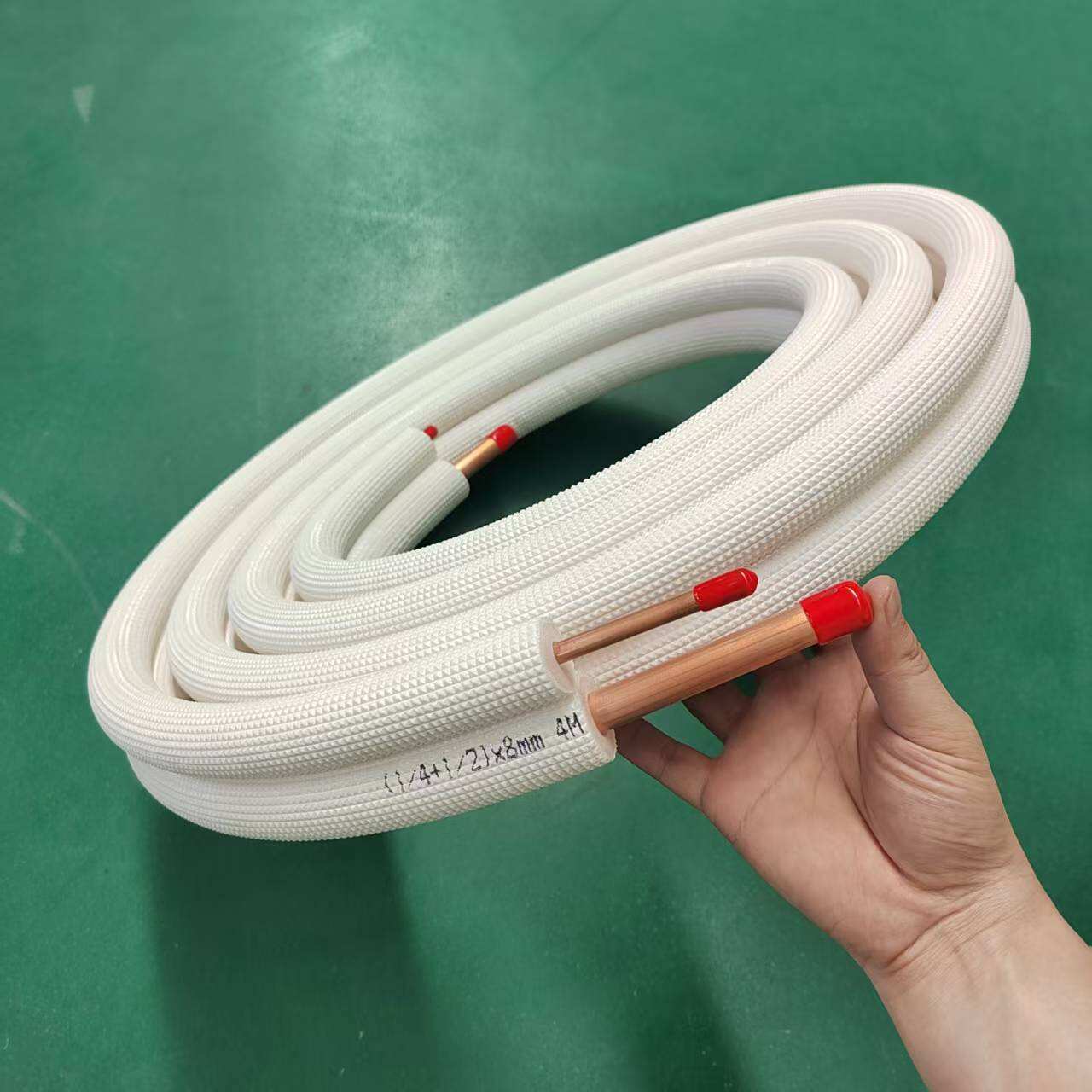
When installing or replacing HVAC systems, selecting the appropriate copper line set dimensions represents one of the most critical decisions that directly impacts system performance, energy efficiency, and long-term reliability. The diameter and length of your copper line set determine refrigerant flow characteristics, pressure drops, and overall system capacity. Understanding these fundamental considerations ensures optimal HVAC performance while preventing costly installation errors and future maintenance issues that commonly arise from improper sizing decisions.
Understanding Copper Line Set Fundamentals
Basic Components and Functions
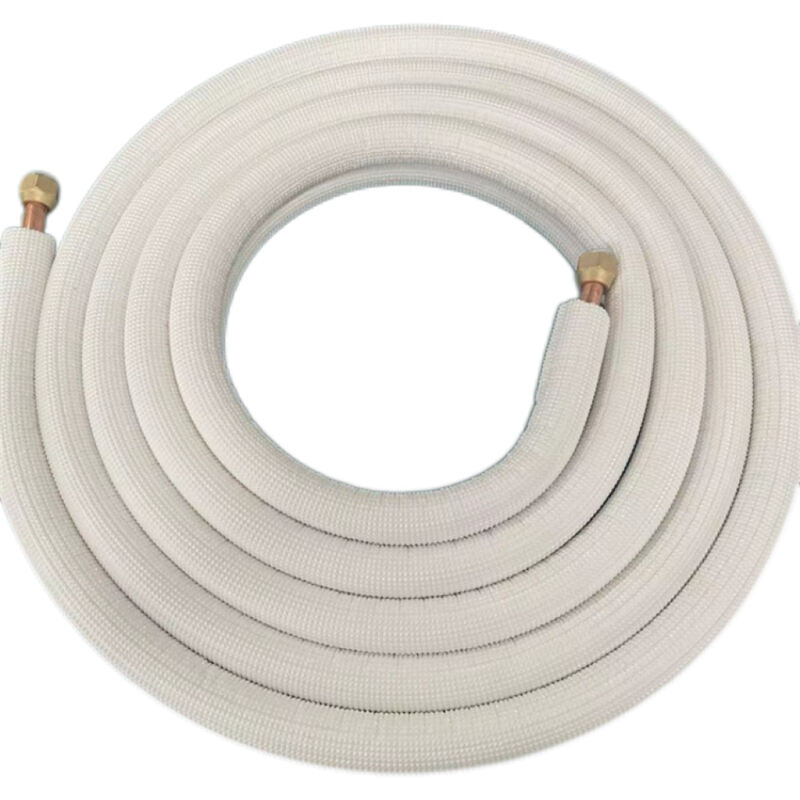
A copper line set consists of two primary tubes that facilitate refrigerant circulation between indoor and outdoor HVAC units. The larger tube, known as the suction line, carries low-pressure refrigerant vapor from the evaporator back to the compressor. The smaller tube, called the liquid line, transports high-pressure liquid refrigerant from the condenser to the expansion device. Each copper line set must be precisely sized to match the specific requirements of your HVAC system capacity and installation distance.
The insulation surrounding these copper tubes plays an equally important role in maintaining refrigerant temperatures and preventing condensation issues. Quality copper line set installations require proper insulation thickness and coverage to ensure energy efficiency and prevent moisture-related problems. The material properties of copper provide excellent heat transfer characteristics and corrosion resistance, making it the preferred choice for refrigerant lines in residential and commercial HVAC applications.
System Capacity Relationships
HVAC system capacity directly correlates with the required copper line set diameter specifications. Smaller residential units typically require different line sizes compared to larger commercial systems. The refrigerant type also influences sizing requirements, as different refrigerants have varying pressure and flow characteristics. Modern high-efficiency systems often require specific line sizing to achieve optimal performance ratings and maintain manufacturer warranty compliance.
Installation professionals must consider the BTU capacity of both indoor and outdoor units when selecting appropriate copper line set dimensions. Mismatched line sizes can result in reduced system efficiency, increased operating costs, and premature component failure. Proper sizing ensures adequate refrigerant flow while maintaining appropriate pressure differentials throughout the system operation cycle.
Critical Diameter Selection Factors
Refrigerant Flow Requirements
The diameter of your copper line set directly affects refrigerant flow velocity and pressure drop characteristics. Undersized lines create excessive pressure drops that force the compressor to work harder, reducing efficiency and increasing energy consumption. Oversized lines can cause insufficient refrigerant velocity, leading to oil return problems and reduced heat transfer efficiency. Each copper line set diameter must be carefully matched to the specific refrigerant flow requirements of your HVAC system.
Manufacturer specifications provide detailed charts that correlate system capacity with appropriate line diameters for various installation distances. These specifications account for refrigerant type, operating pressures, and expected flow rates under normal operating conditions. Professional installers rely on these guidelines to ensure proper copper line set selection that maintains optimal system performance throughout the equipment lifecycle.
Pressure Drop Considerations
Pressure drop calculations play a crucial role in determining appropriate copper line set diameters for specific installations. Excessive pressure drops reduce system capacity and efficiency while increasing operating costs. The relationship between line diameter, length, and pressure drop follows established engineering principles that must be considered during the selection process. Smaller diameter lines inherently create higher pressure drops, especially over longer installation distances.
Industry standards typically limit pressure drops to specific percentages of total system pressure to maintain acceptable performance levels. These limitations become more critical in longer installations where cumulative pressure losses can significantly impact system operation. Professional sizing calculations account for these factors to ensure optimal copper line set performance regardless of installation complexity.
Length Determination Strategies
Installation Distance Measurements
Accurate measurement of the installation distance between indoor and outdoor units forms the foundation for proper copper line set length selection. This measurement must account for the actual path the lines will follow, including any vertical rises, horizontal runs, and necessary routing around obstacles. Simple point-to-point measurements often underestimate the actual copper line set length required for proper installation.
Professional installers typically add additional length to account for connection requirements, service loops, and potential routing adjustments during installation. This planning prevents costly delays and ensures adequate copper line set length for proper connections at both indoor and outdoor units. Proper planning also considers future service access requirements and potential system modifications.
Maximum Distance Limitations
Every HVAC system has maximum allowable copper line set lengths specified by the manufacturer to maintain proper operation and warranty coverage. These limitations consider refrigerant charge requirements, oil return characteristics, and system capacity limitations at extended distances. Exceeding maximum length specifications can result in reduced performance, increased energy consumption, and potential system reliability issues.
Commercial installations often require special considerations for extended copper line set lengths, including additional refrigerant charges and modified system controls. These installations may require larger diameter lines or special oil return systems to ensure proper operation. Understanding these limitations during the planning phase prevents costly installation modifications and ensures compliant system operation.
Environmental and Installation Factors
Climate Considerations
Local climate conditions significantly influence copper line set selection requirements and installation practices. Extreme temperature variations affect refrigerant properties and system operating pressures, potentially requiring modified line sizing approaches. Coastal environments with high humidity levels demand enhanced insulation and corrosion protection measures to ensure long-term copper line set reliability.
Cold climate installations may require larger copper line set diameters to accommodate increased refrigerant flow requirements during heating operations. Heat pump systems operating in extreme conditions often need special sizing considerations to maintain adequate performance across varying operating conditions. These climate-specific requirements ensure optimal system operation regardless of environmental challenges.
Building Structure Integration
Building structure characteristics directly impact copper line set routing options and length requirements. Multi-story installations require careful consideration of vertical rise limitations and support requirements for extended line runs. Structural obstacles may necessitate longer copper line set lengths or alternative routing strategies that affect diameter selection decisions.
Concealed installations within walls or ceiling spaces require specific insulation and protection measures to prevent damage and maintain accessibility for future service requirements. These installation considerations influence both diameter and length decisions to ensure proper fit within available spaces while maintaining code compliance and service accessibility.
Performance Optimization Techniques
Efficiency Maximization
Optimizing copper line set selection for maximum system efficiency requires balancing multiple performance factors including pressure drops, heat transfer rates, and refrigerant flow characteristics. Properly sized lines minimize energy losses while maintaining adequate refrigerant circulation throughout all operating conditions. This optimization process considers both peak load requirements and part-load operating efficiency.
Advanced system designs may incorporate variable refrigerant flow technologies that require specific copper line set sizing to achieve optimal efficiency ratings. These systems often have more complex sizing requirements that account for varying load conditions and multiple indoor unit configurations. Professional design calculations ensure copper line set selection supports these advanced system capabilities.
Reliability Enhancement
Long-term system reliability depends heavily on proper copper line set selection and installation practices. Appropriately sized lines reduce stress on system components and minimize the likelihood of premature failures. Quality copper line set installations include proper support, insulation, and protection measures that ensure decades of reliable operation.
Preventive maintenance considerations also influence copper line set selection decisions, as easily accessible and properly sized lines facilitate routine service procedures. This accessibility reduces maintenance costs and ensures timely system servicing that extends equipment life and maintains optimal performance throughout the system lifecycle.
Common Selection Mistakes and Prevention
Sizing Errors and Consequences
Undersizing copper line set diameters represents one of the most common installation errors that leads to reduced system performance and increased operating costs. These mistakes often result from inadequate capacity calculations or attempts to reduce material costs through inappropriate line sizing. The consequences include higher energy consumption, reduced comfort levels, and potential compressor damage from excessive operating pressures.
Oversizing errors, while less common, can create oil return problems and reduced system efficiency due to insufficient refrigerant velocities. These issues may not manifest immediately but can cause long-term reliability problems and increased maintenance requirements. Proper copper line set sizing requires careful analysis of system requirements and adherence to manufacturer specifications.
Installation Planning Deficiencies
Inadequate planning for copper line set length requirements often results in installation delays and additional costs for supplementary materials. These planning deficiencies typically stem from insufficient site surveys or failure to account for actual routing requirements. Professional installations require detailed planning that considers all aspects of the copper line set routing and installation process.
Failure to consider future service requirements during copper line set selection can create accessibility problems that increase maintenance costs and complicate system modifications. These planning oversights affect both diameter and length decisions and highlight the importance of comprehensive installation planning that considers the entire system lifecycle.
Professional Installation Considerations
Code Compliance Requirements
Local building codes and industry standards establish specific requirements for copper line set installation that affect both sizing and installation practices. These requirements cover aspects such as support spacing, insulation specifications, and protection measures for various installation environments. Compliance with these standards ensures safe and reliable system operation while maintaining warranty coverage.
Professional installers must stay current with evolving code requirements and manufacturer specifications that affect copper line set selection and installation practices. These standards often change with new refrigerant types and system technologies, requiring ongoing education and certification maintenance. Proper code compliance protects both installers and property owners from liability and ensures optimal system performance.
Quality Assurance Practices
Quality copper line set installations require systematic inspection and testing procedures to verify proper sizing and installation practices. These procedures include pressure testing, insulation inspection, and verification of proper support and protection measures. Quality assurance practices ensure that copper line set installations meet all performance and reliability requirements.
Documentation of copper line set specifications and installation procedures provides valuable information for future service and maintenance activities. This documentation should include diameter specifications, length measurements, and any special installation considerations that affect system operation or service requirements.
FAQ
How do I determine the correct copper line set diameter for my HVAC system?
The correct copper line set diameter depends on your system's BTU capacity, refrigerant type, and installation distance. Consult manufacturer specifications that provide sizing charts correlating these factors. Professional installers use detailed calculations considering pressure drop limitations and flow velocity requirements to ensure optimal performance. Never guess at sizing, as incorrect diameters can significantly impact system efficiency and reliability.
What happens if I choose a copper line set that is too long for my installation?
Excessively long copper line set installations can exceed manufacturer specifications, potentially voiding warranties and reducing system performance. Long runs may require additional refrigerant charges and can cause oil return problems in some systems. Always verify maximum allowable lengths in manufacturer documentation and consult with professional installers for installations approaching these limits to ensure proper system operation.
Can I use different diameter copper line sets than specified by the manufacturer?
Using non-specified copper line set diameters can void manufacturer warranties and create performance problems. Larger diameters may cause oil return issues, while smaller diameters create excessive pressure drops that reduce efficiency and strain system components. Always follow manufacturer specifications exactly, as these are engineered specifically for optimal system performance and reliability.
How does installation environment affect copper line set selection?
Environmental factors including climate, building structure, and installation location significantly influence copper line set selection. Coastal areas require enhanced corrosion protection, while cold climates may need larger diameters for heat pump applications. Concealed installations require specific insulation and protection measures. Consider all environmental factors during selection to ensure long-term reliability and performance.
Table of Contents
- Understanding Copper Line Set Fundamentals
- Critical Diameter Selection Factors
- Length Determination Strategies
- Environmental and Installation Factors
- Performance Optimization Techniques
- Common Selection Mistakes and Prevention
- Professional Installation Considerations
-
FAQ
- How do I determine the correct copper line set diameter for my HVAC system?
- What happens if I choose a copper line set that is too long for my installation?
- Can I use different diameter copper line sets than specified by the manufacturer?
- How does installation environment affect copper line set selection?