
 EN
EN



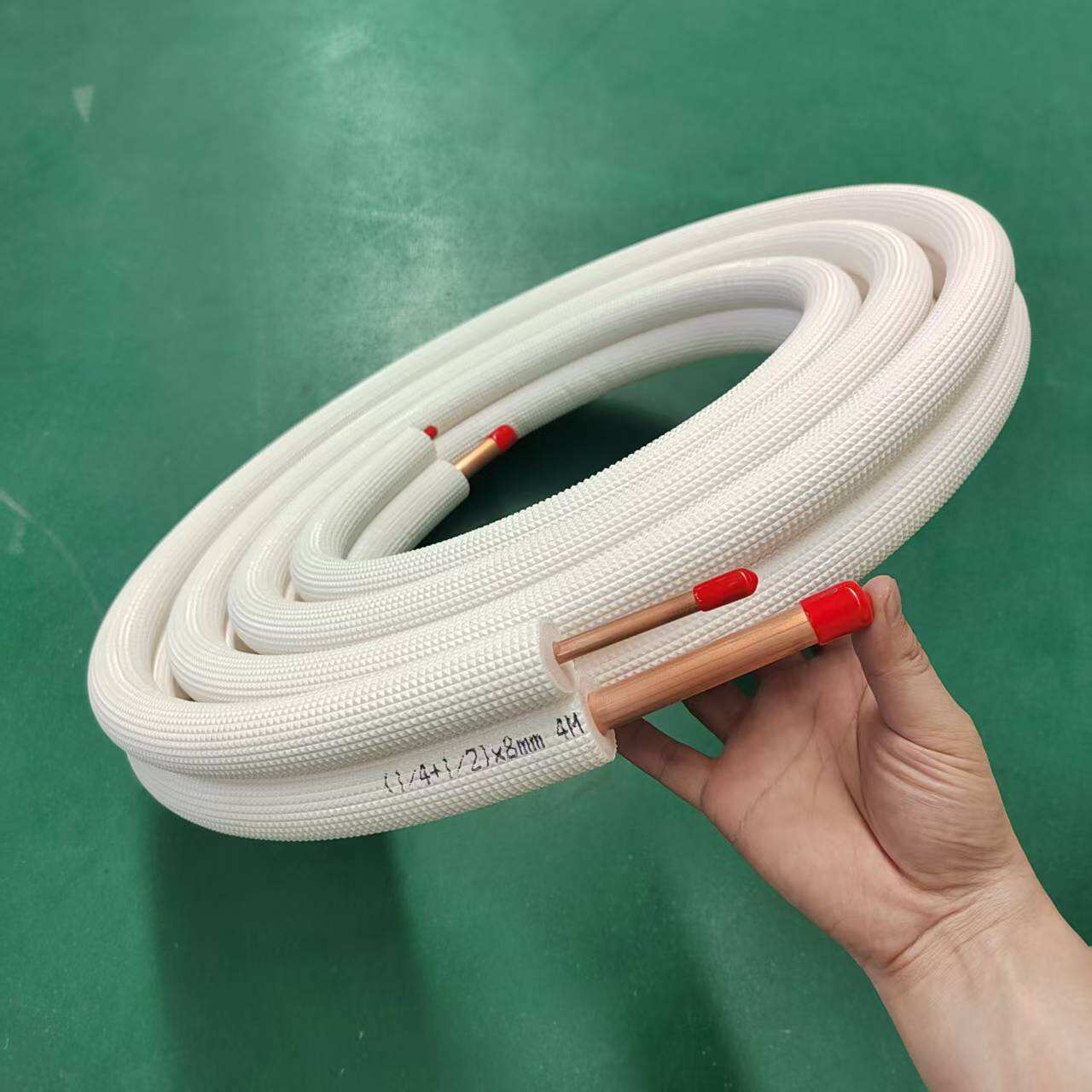
When undertaking HVAC installation or replacement projects, finding reliable suppliers for essential components like refrigerant line sets becomes crucial for project success. Professional contractors and DIY enthusiasts alike require high-quality copper tubing that meets industry standards while providing excellent value for money. The search for quality 50ft line sets often leads contractors through multiple suppliers, comparing specifications, pricing, and delivery options to ensure their projects stay on schedule and within budget.
Understanding HVAC Line Set Requirements
Copper Tubing Standards and Specifications
HVAC line sets serve as the circulatory system for refrigerant in air conditioning and heat pump systems. These copper tubes must meet specific ASTM standards to ensure proper refrigerant flow and system efficiency. Quality 50ft line sets typically feature seamless copper construction with precise wall thickness to handle operating pressures up to 600 PSI. The tubing undergoes rigorous testing for leak resistance and dimensional accuracy before reaching the market.
Professional-grade line sets incorporate specialized insulation materials that prevent energy loss and condensation formation. The insulation thickness varies depending on the tube diameter, with larger lines requiring thicker foam sleeves to maintain thermal efficiency. Contractors must verify that purchased line sets comply with local building codes and manufacturer specifications for warranty protection.
Common Applications and Installation Scenarios
Residential HVAC systems commonly utilize 50ft line sets for split system installations where the outdoor condenser unit sits at considerable distance from the indoor air handler. Commercial applications may require multiple line sets to connect rooftop units with interior distribution systems. The 50-foot length provides flexibility for routing around obstacles while maintaining proper refrigerant flow characteristics.
Installation teams often encounter challenging routing scenarios that require the full length capacity of these extended line sets. Basement to rooftop installations, detached garage workshops, and multi-story commercial buildings benefit from the extended reach these products provide. Proper planning ensures adequate length while minimizing unnecessary excess that could impact system performance.
Key Features of Quality Line Sets
Material Construction and Durability
Premium 50ft line sets utilize Type L copper tubing that provides superior corrosion resistance and mechanical strength compared to standard grade materials. The manufacturing process involves careful annealing to ensure proper flexibility without compromising structural integrity. Quality control measures include pressure testing each line set to verify leak-free performance under operating conditions.
Advanced insulation materials enhance the overall performance and longevity of professional line sets. Closed-cell foam insulation prevents moisture infiltration while maintaining consistent thermal properties across temperature variations. UV-resistant outer jackets protect against environmental degradation when line sets route through exposed areas or outdoor installations.
Size Configurations and Compatibility
Standard line set configurations pair different diameter tubes to accommodate liquid and suction lines in refrigeration circuits. Common pairings include 1/4-inch liquid lines with 3/8-inch suction lines for smaller systems, while larger installations may require 3/8-inch and 5/8-inch combinations. Contractors must match line set specifications with equipment manufacturer requirements to ensure optimal system performance.
Wall thickness variations affect the pressure rating and compatibility with different refrigerant types. Modern refrigerants like R-410A operate at higher pressures than traditional R-22, requiring thicker wall construction in quality line sets. Proper specification matching prevents premature failure and ensures long-term system reliability in demanding applications.
Sourcing Options for Professional Contractors
Specialized HVAC Supply Distributors
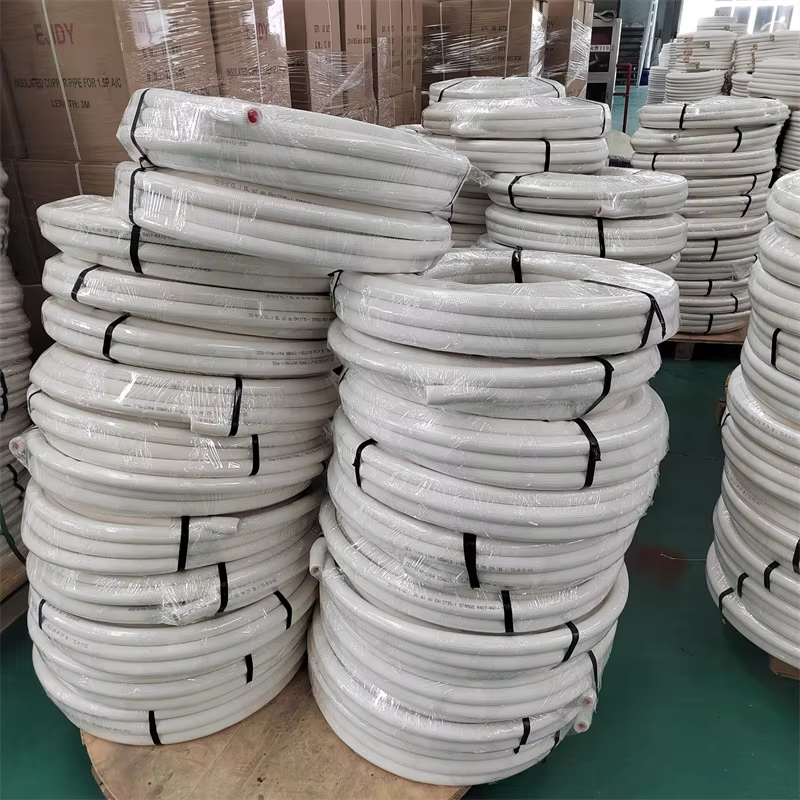
Professional HVAC distributors maintain extensive inventories of line sets in various lengths and configurations to support contractor needs. These suppliers often provide technical support and product training to ensure proper selection and installation practices. Established relationships with distributors can result in volume pricing and priority access to popular line set configurations during peak seasons.
Regional distributors understand local code requirements and climate considerations that influence line set selection. They stock products from multiple manufacturers, allowing contractors to compare options and select the most suitable line sets for specific applications. Many distributors offer same-day or next-day delivery service for urgent project requirements.
Online Industrial Marketplaces
Digital marketplaces have transformed how contractors source HVAC components, including 50ft line sets. Online platforms provide detailed product specifications, customer reviews, and competitive pricing comparison tools. Contractors can research multiple suppliers simultaneously while accessing technical documentation and installation guides.
E-commerce platforms often feature bulk pricing tiers that benefit contractors working on multiple projects or large installations. Digital ordering systems streamline the procurement process while providing order tracking and delivery confirmation. Many online suppliers maintain customer accounts that store project history and facilitate repeat ordering for similar installations.
Quality Assessment and Selection Criteria
Performance Standards and Certifications
Quality 50ft line sets carry industry certifications from organizations like UL, CSA, and AHRI that verify compliance with safety and performance standards. These certifications provide assurance that products undergo rigorous testing for pressure rating, temperature tolerance, and material compatibility. Contractors should verify certification marks before purchasing to ensure code compliance and warranty coverage.
Manufacturer testing protocols evaluate line set performance under extreme conditions that exceed normal operating parameters. Burst pressure testing, thermal cycling, and vibration resistance assessments ensure reliable operation throughout the equipment lifespan. Quality manufacturers provide detailed test reports and performance data to support contractor selection decisions.
Insulation Quality and Energy Efficiency
Superior insulation systems contribute significantly to overall HVAC system efficiency by minimizing heat transfer and preventing condensation formation. Quality line sets feature closed-cell foam insulation with low thermal conductivity ratings that maintain consistent performance across temperature variations. The insulation adhesion system prevents separation or shifting during installation and operation.
Energy efficiency considerations extend beyond initial installation costs to include long-term operating expenses. High-quality insulation reduces energy consumption by maintaining proper refrigerant temperatures throughout the distribution system. Contractors should evaluate insulation R-values and moisture resistance ratings when comparing different line set options for energy-conscious clients.
Installation Best Practices and Considerations
Routing and Support Requirements
Proper routing of 50ft line sets requires careful planning to minimize bends, avoid sharp edges, and maintain adequate support spacing. Industry guidelines recommend support intervals of 4-6 feet for horizontal runs and 8-10 feet for vertical installations. Excessive bending or inadequate support can cause stress concentrations that lead to premature failure or refrigerant leaks.
Environmental protection becomes critical for line sets routing through unconditioned spaces or outdoor areas. UV exposure, temperature extremes, and mechanical damage can compromise insulation integrity and copper tubing performance. Protective sleeves, conduit systems, or burial installation may be necessary depending on routing requirements and local conditions.
Connection Methods and Leak Prevention
Professional installation of line sets requires proper flaring, brazing, or compression fitting techniques to ensure leak-free connections. Quality tools and fittings are essential for achieving reliable joints that maintain integrity under operating pressures and temperature cycling. Contractors must follow manufacturer guidelines and industry best practices for connection preparation and assembly.
Leak testing protocols verify system integrity before charging with refrigerant and placing equipment into service. Nitrogen pressure testing at 150% of operating pressure helps identify potential leak points before costly refrigerant loss occurs. Electronic leak detection equipment provides precise identification of minor leaks that might not be apparent during visual inspection.
FAQ
What factors determine the appropriate line set size for my HVAC system?
Line set sizing depends on the system capacity, refrigerant type, and distance between indoor and outdoor units. Manufacturer specifications provide sizing charts based on BTU capacity and line length. Undersized lines restrict refrigerant flow and reduce efficiency, while oversized lines can cause oil return problems and reduced system performance.
How do I ensure the line sets I purchase meet local building codes?
Verify that line sets carry appropriate certifications like UL listing and meet ASTM standards for copper tubing. Local building departments may have specific requirements for insulation R-values, installation methods, or environmental protection. Consult with local inspectors or experienced contractors familiar with regional code requirements before making purchases.
Can I reuse existing line sets when replacing HVAC equipment?
Existing line sets may be reusable if they match the new equipment specifications and show no signs of damage or contamination. However, different refrigerant types may require line set replacement due to compatibility issues. Professional evaluation can determine whether existing lines meet current standards and manufacturer requirements for warranty coverage.
What maintenance is required for installed line sets?
Regular inspection for insulation damage, support integrity, and signs of refrigerant leaks helps maintain line set performance. Annual system maintenance should include checking connections, verifying proper support, and testing for leaks. Damaged insulation should be repaired promptly to prevent energy loss and condensation problems that can lead to water damage or mold growth.