
 EN
EN



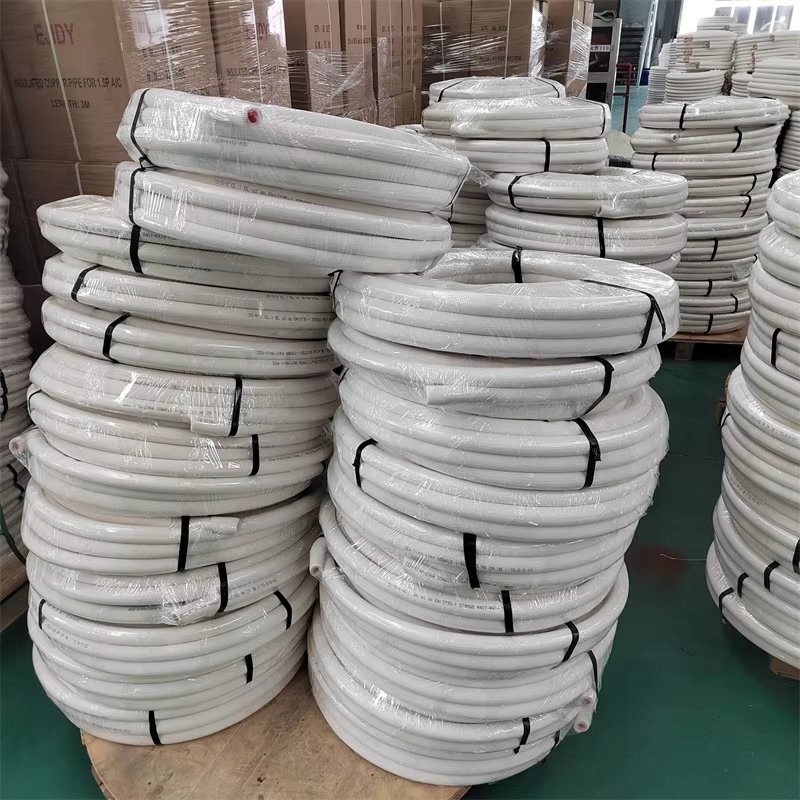
Modern HVAC systems rely heavily on efficient refrigerant transport, and the secret to optimal performance often lies in the quality of the hvac insulated copper pipe connecting indoor and outdoor units. These critical components serve as the circulatory system of your air conditioning equipment, carrying refrigerant between the evaporator and condenser coils. When properly installed and maintained, hvac insulated copper pipe can dramatically improve energy efficiency, reduce operating costs, and extend system lifespan. Understanding the role these components play in your HVAC system's performance is essential for making informed decisions about installation, maintenance, and upgrades.
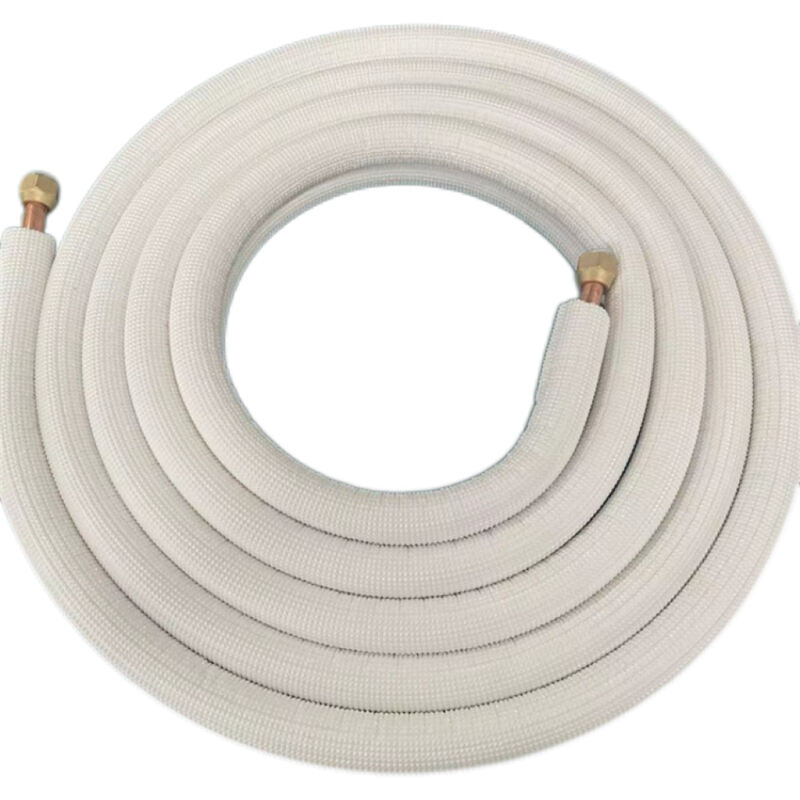
Understanding HVAC Copper Pipe Line Sets
Basic Components and Construction
The hvac insulated copper pipe line set consists of two primary tubes: the suction line and the liquid line. The suction line carries low-pressure, low-temperature refrigerant vapor from the indoor evaporator coil back to the outdoor condenser unit. This line requires thick insulation to prevent condensation and maintain refrigerant temperature. The liquid line transports high-pressure liquid refrigerant from the condenser to the evaporator, typically requiring less insulation due to its higher temperature and pressure characteristics.
Quality copper tubing used in hvac insulated copper pipe applications undergoes rigorous manufacturing processes to ensure wall thickness consistency and purity levels. The copper material provides excellent thermal conductivity while resisting corrosion from refrigerant chemicals and environmental factors. Modern manufacturing techniques produce seamless copper tubes with precise dimensional tolerances, ensuring proper fit with flare fittings and reducing the risk of refrigerant leaks during installation and operation.
The insulation material surrounding hvac insulated copper pipe plays a crucial role in system efficiency and performance. Closed-cell foam insulation, typically made from elastomeric or polyethylene materials, provides superior moisture resistance and thermal protection. This insulation prevents energy loss through heat transfer, reduces condensation formation, and protects the copper tubing from physical damage during installation and service access.
Types of Insulation Materials
Elastomeric foam insulation represents the premium choice for hvac insulated copper pipe applications due to its exceptional moisture resistance and temperature stability. This synthetic rubber material maintains its insulating properties across a wide temperature range and resists UV degradation when exposed to sunlight. The closed-cell structure prevents moisture infiltration, which could lead to corrosion of the copper tubing or reduced thermal performance over time.
Polyethylene foam insulation offers a cost-effective alternative for many hvac insulated copper pipe installations while still providing adequate thermal protection and moisture resistance. This material features good flexibility for navigating tight spaces and corners during installation. However, polyethylene foam may not offer the same longevity as elastomeric materials in extreme temperature environments or applications with frequent thermal cycling.
Specialized insulation materials include fire-retardant formulations for applications requiring enhanced safety performance and antimicrobial treatments to prevent mold and bacteria growth in humid environments. Some hvac insulated copper pipe products feature dual-layer insulation systems combining different materials to optimize both thermal performance and physical protection characteristics.
Installation Best Practices for Maximum Efficiency
Proper Sizing and Selection
Selecting the correct diameter and wall thickness for hvac insulated copper pipe requires careful consideration of system capacity, refrigerant type, and installation distance. Undersized tubing creates excessive pressure drop, forcing the compressor to work harder and reducing overall system efficiency. Oversized tubing may lead to inadequate oil return to the compressor, potentially causing mechanical damage over time. Professional HVAC technicians use manufacturer sizing charts and calculation methods to determine optimal pipe dimensions for specific applications.
The insulation thickness for hvac insulated copper pipe must match the operating temperature range and environmental conditions of the installation. Suction lines typically require thicker insulation due to their lower operating temperatures and higher risk of condensation formation. Liquid lines may use thinner insulation in most climates, but applications in extremely hot environments may benefit from enhanced insulation to maintain refrigerant subcooling and system capacity.
Length considerations significantly impact hvac insulated copper pipe performance and system efficiency. Longer line sets create additional pressure drop and heat transfer opportunities, requiring compensation through proper refrigerant charge adjustment and potentially upgraded system components. Many manufacturers specify maximum allowable line lengths for their equipment, beyond which system performance guarantees may not apply.
Critical Installation Techniques
Professional installation of hvac insulated copper pipe begins with proper handling and storage to prevent damage to both the copper tubing and insulation materials. Coiled line sets should be unrolled carefully to avoid kinking or crushing the tubing, which could create flow restrictions or stress concentration points. The insulation must remain intact during installation to maintain thermal performance and prevent moisture infiltration at joints and connections.
Flare connections represent the standard joining method for hvac insulated copper pipe, requiring precise technique to ensure leak-free performance. The copper tubing end must be cut square and deburred before flaring to prevent stress concentrations and potential leak paths. Proper flare angle and depth, combined with appropriate torque values, create reliable connections that withstand thermal cycling and system pressure variations throughout the equipment lifespan.
Insulation continuity at connections and penetrations requires special attention during hvac insulated copper pipe installation. Gaps in insulation coverage create thermal bridges that reduce efficiency and may cause condensation problems. Professional installers use compatible insulation materials and sealants to maintain continuous thermal barriers at fittings, wall penetrations, and equipment connections.
Performance Benefits and Energy Savings
Thermal Efficiency Improvements
Quality hvac insulated copper pipe significantly reduces unwanted heat transfer between the refrigerant and ambient air, maintaining design temperatures throughout the refrigeration cycle. This thermal protection allows the system to achieve rated capacity and efficiency levels under varying outdoor conditions. During cooling operations, proper insulation prevents heat gain to the suction line, maintaining low refrigerant temperatures and reducing compressor work requirements.
The energy savings potential from properly installed hvac insulated copper pipe can reach 15-20% compared to systems with inadequate or damaged insulation. This improvement translates directly to reduced utility costs and decreased environmental impact through lower energy consumption. The compressor operates more efficiently when refrigerant temperatures remain within design parameters, extending equipment lifespan and reducing maintenance requirements.
Seasonal energy efficiency ratio improvements result from consistent hvac insulated copper pipe performance across varying ambient conditions. Well-insulated line sets maintain stable refrigerant properties during both peak summer cooling loads and shoulder season operation. This consistency allows the HVAC system to operate at optimal efficiency points more frequently, maximizing energy savings throughout the cooling season.
System Reliability and Longevity
Moisture protection provided by quality hvac insulated copper pipe insulation prevents corrosion that could lead to refrigerant leaks and system contamination. Copper oxidation from moisture exposure creates rough internal surfaces that increase pressure drop and may generate particulates that damage system components. The closed-cell structure of proper insulation materials maintains this protection throughout the system's operational lifetime.
Temperature stability in hvac insulated copper pipe systems reduces thermal stress on connections and components, minimizing the risk of mechanical failures. Excessive temperature fluctuations can cause expansion and contraction cycles that loosen fittings or crack solder joints over time. Consistent insulation performance helps maintain stable operating conditions that extend component lifespan and reduce unexpected repair costs.
Reduced maintenance requirements result from the protective properties of quality hvac insulated copper pipe installations. Systems with proper insulation experience fewer refrigerant leaks, reduced contamination issues, and more stable operating characteristics. This reliability translates to lower service costs and improved equipment availability for critical cooling applications in commercial and industrial facilities.
Common Problems and Solutions
Insulation Degradation Issues
UV exposure represents one of the primary threats to hvac insulated copper pipe insulation integrity in outdoor installations. Standard foam insulation materials break down when exposed to sunlight, becoming brittle and losing their thermal properties over time. This degradation creates gaps in insulation coverage that allow heat transfer and moisture infiltration, reducing system efficiency and potentially causing equipment damage.
Mechanical damage to hvac insulated copper pipe insulation commonly occurs during installation, maintenance, or building modifications. Compressed or torn insulation loses its thermal effectiveness and may allow moisture to reach the copper tubing surface. Regular inspection and prompt repair of insulation damage help maintain system performance and prevent more serious problems from developing over time.
Moisture infiltration through damaged hvac insulated copper pipe insulation can lead to corrosion, mold growth, and reduced thermal performance. Water vapor that penetrates the insulation material may condense on the cold copper surface, creating conditions for corrosion and potentially causing refrigerant leaks. Proper vapor barrier installation and maintenance help prevent these moisture-related problems in humid climates.
Installation and Maintenance Challenges
Inadequate support for hvac insulated copper pipe runs can create stress concentrations that lead to mechanical failures or insulation damage. Long horizontal runs require proper spacing of support brackets to prevent sagging, while vertical installations need secure anchoring to prevent movement during thermal expansion cycles. Professional installation practices include appropriate support spacing and materials compatible with the insulation system.
Refrigerant line sizing errors in hvac insulated copper pipe systems can significantly impact performance and efficiency. Undersized lines create excessive velocity and pressure drop, while oversized lines may cause oil return problems or reduced heat transfer effectiveness. Proper sizing requires consideration of system capacity, refrigerant type, line length, and elevation changes between indoor and outdoor units.
Connection integrity problems with hvac insulated copper pipe installations often result from improper flaring techniques or inadequate torque application. Loose connections allow refrigerant leaks that reduce system capacity and may introduce contaminants into the refrigeration circuit. Regular leak detection and proper connection procedures help maintain system integrity throughout the equipment operational lifetime.
Maintenance and Troubleshooting
Inspection Procedures
Regular visual inspection of hvac insulated copper pipe installations should focus on insulation integrity, support adequacy, and connection security. Technicians should look for signs of insulation damage such as cracks, compression, or moisture staining that could indicate performance problems. Areas where the line set passes through walls, around corners, or near other equipment require particular attention due to higher risk of mechanical damage.
Thermal imaging provides valuable diagnostic information for hvac insulated copper pipe condition assessment without requiring system shutdown or insulation removal. Temperature variations along the line set can reveal insulation gaps, thermal bridges, or refrigerant flow problems that affect system performance. This non-invasive inspection method helps identify maintenance needs before they develop into major system failures.
Leak detection procedures for hvac insulated copper pipe systems include electronic leak detectors, soap bubble testing, and pressure testing methods. Regular leak checks help identify small refrigerant losses before they affect system performance or cause environmental concerns. Early detection and repair of leaks in hvac insulated copper pipe connections prevent more extensive damage and reduce repair costs.
Preventive Maintenance Strategies
Scheduled insulation inspection and replacement for hvac insulated copper pipe installations help maintain system efficiency and prevent unexpected failures. Insulation materials have finite lifespans depending on environmental conditions and UV exposure levels. Proactive replacement of degraded insulation maintains thermal performance and prevents moisture-related problems that could damage the copper tubing.
Support system maintenance ensures that hvac insulated copper pipe installations remain properly secured throughout their operational lifetime. Thermal cycling and building settling can loosen support brackets or create stress concentrations that lead to mechanical failures. Regular inspection and adjustment of support systems help prevent these problems and extend line set lifespan.
Connection maintenance for hvac insulated copper pipe systems includes periodic torque checking and leak testing to ensure continued reliability. Temperature cycling and vibration can gradually loosen flare connections, creating leak paths that reduce system performance. Scheduled maintenance helps identify and correct these issues before they cause significant refrigerant losses or system failures.
FAQ
How long does hvac insulated copper pipe typically last in residential applications
Quality hvac insulated copper pipe can last 15-20 years or more in residential applications when properly installed and maintained. The copper tubing itself may last even longer, but the insulation material typically requires replacement every 10-15 years depending on environmental conditions and UV exposure. Regular inspection and maintenance help maximize the lifespan of both components and maintain system efficiency throughout the operational period.
What causes condensation problems with hvac insulated copper pipe systems
Condensation on hvac insulated copper pipe typically results from inadequate or damaged insulation that allows warm, humid air to contact the cold refrigerant lines. Gaps in insulation coverage, compressed foam material, or moisture infiltration through damaged vapor barriers create conditions for condensation formation. Proper insulation selection, installation, and maintenance prevent these moisture problems and protect the copper tubing from corrosion damage.
Can hvac insulated copper pipe be repaired or does it require complete replacement
Minor damage to hvac insulated copper pipe insulation can often be repaired using compatible materials and proper sealing techniques. However, extensive insulation damage, copper corrosion, or refrigerant leaks may require partial or complete line set replacement. Professional assessment helps determine whether repair or replacement provides the most cost-effective solution while maintaining system performance and reliability standards.
What are the signs that hvac insulated copper pipe needs attention or replacement
Warning signs for hvac insulated copper pipe problems include visible insulation damage, condensation or ice formation on exposed lines, reduced system cooling capacity, higher energy bills, and refrigerant leaks detected during routine maintenance. Temperature variations along the line set or unusual system cycling patterns may also indicate insulation or sizing issues that require professional evaluation and correction.
Table of Contents
- Understanding HVAC Copper Pipe Line Sets
- Installation Best Practices for Maximum Efficiency
- Performance Benefits and Energy Savings
- Common Problems and Solutions
- Maintenance and Troubleshooting
-
FAQ
- How long does hvac insulated copper pipe typically last in residential applications
- What causes condensation problems with hvac insulated copper pipe systems
- Can hvac insulated copper pipe be repaired or does it require complete replacement
- What are the signs that hvac insulated copper pipe needs attention or replacement