
 EN
EN


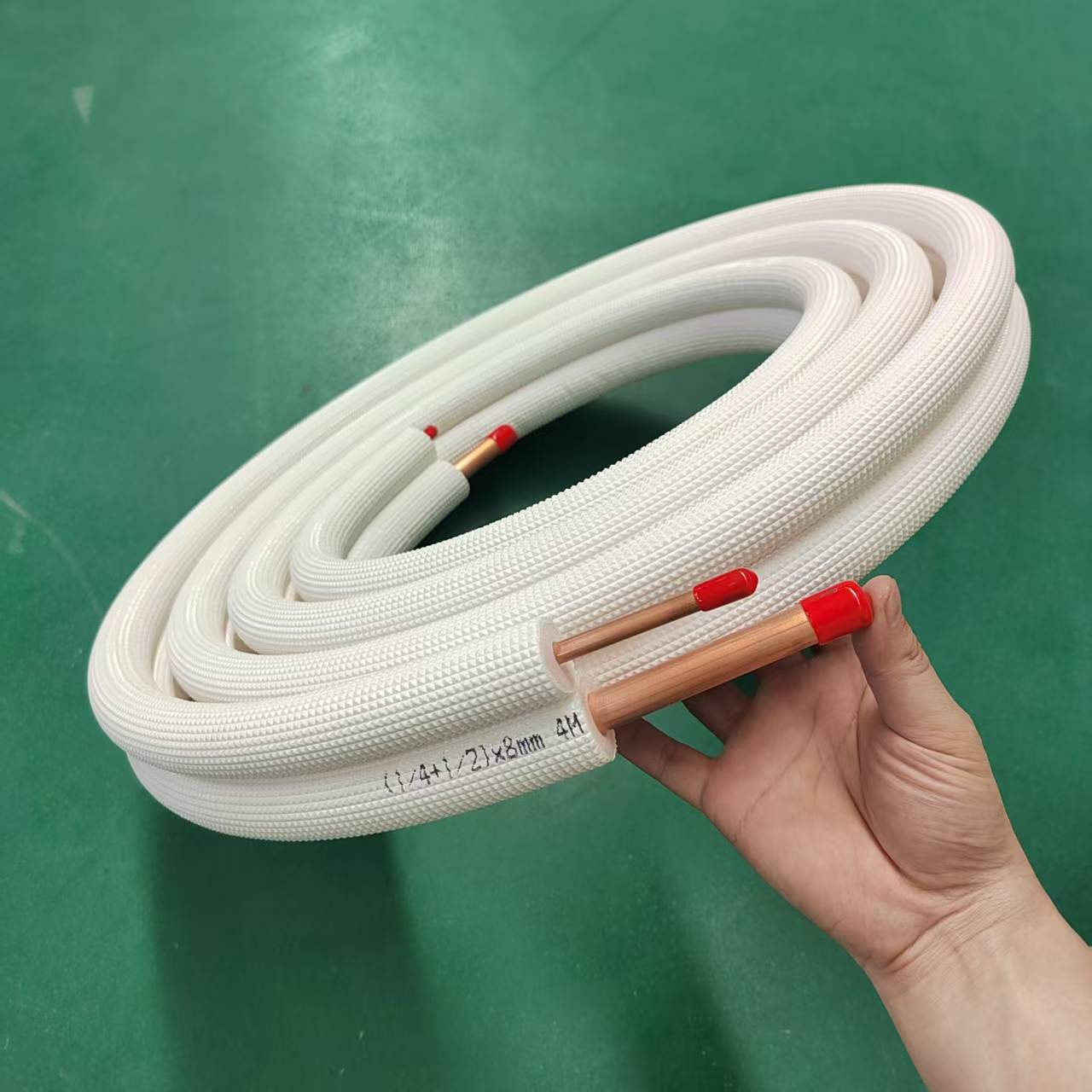
When selecting a sourced copper line set for your HVAC system, understanding the core engineering specifications is essential to ensure optimal performance, longevity, and cost-effectiveness. A sourced copper line set serves as the critical conduit connecting your outdoor and indoor HVAC units, carrying refrigerant under pressure while maintaining thermal integrity. The quality and specifications of your sourced copper line set directly influence system efficiency, installation timeline, maintenance requirements, and long-term operational reliability. This guide explores the key engineering specifications that matter most when evaluating a sourced copper line set for your commercial or residential application.
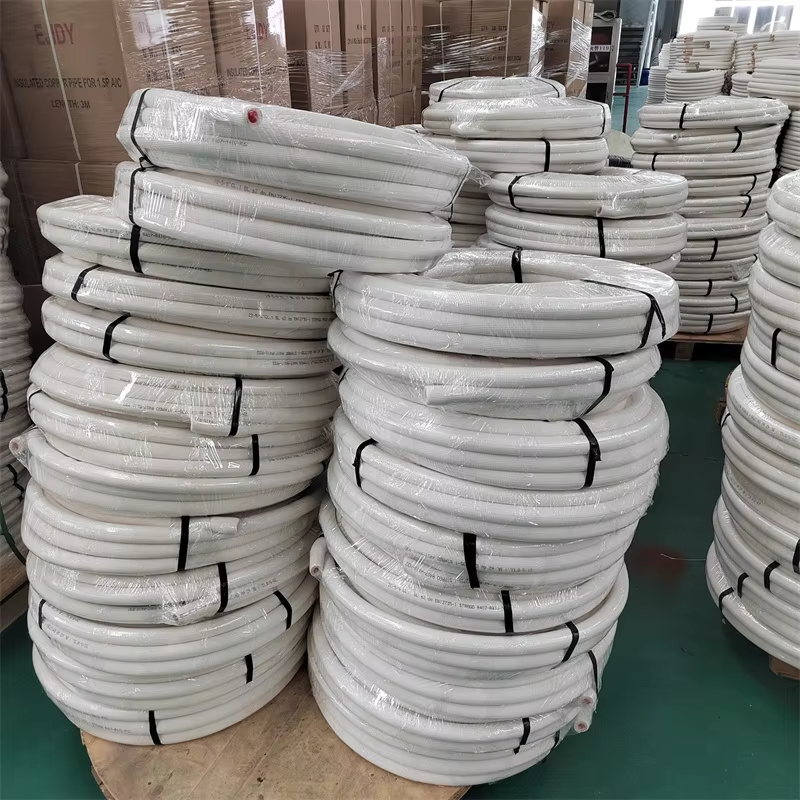
Purchasing decisions for a sourced copper line set should never be based on price alone. The engineering specifications determine whether your system will operate safely, maintain refrigerant integrity, withstand pressure cycles, and deliver consistent cooling or heating capacity. Contractors and facility managers who invest time in understanding these specifications avoid costly installation failures, refrigerant leaks, performance degradation, and premature system replacement. This article provides the technical foundation needed to make informed purchasing decisions for sourced copper line set products.
Tubing Diameter and Wall Thickness Requirements
Understanding Tubing Diameter Specifications
The tubing diameter of your sourced copper line set directly correlates with refrigerant flow rate and pressure drop. Standard sourced copper line set products come in specific diameter configurations, typically ranging from 1/4 inch to 1 inch for liquid lines and 3/8 inch to 3/4 inch for vapor lines. The diameter must match your system's design requirements, as specified by the equipment manufacturer or the system engineering documentation. An undersized sourced copper line set causes excessive pressure drop, reducing system capacity and increasing compressor workload. An oversized sourced copper line set increases material cost unnecessarily and may compromise oil return in vapor lines. Precision matching between your sourced copper line set diameter and system design specifications is fundamental to proper HVAC operation.
Wall Thickness and Pressure Rating Impact
Wall thickness of a sourced copper line set determines its ability to withstand working pressure cycles, refrigerant saturation conditions, and vibration stress. A high-quality sourced copper line set typically features wall thicknesses between 0.035 and 0.065 inches, depending on the tubing diameter and application. Thicker walls provide greater burst protection, improved vibration resistance, and extended service life under fluctuating pressure conditions. When evaluating a sourced copper line set, verify the working pressure rating, which must exceed the maximum discharge pressure of your compressor by at least 25 percent. Lower wall thickness reduces cost but compromises safety margins and may lead to pinhole leaks or rupture under high-pressure conditions. The relationship between wall thickness and pressure capacity is critical when selecting a sourced copper line set for high-capacity or high-efficiency systems.
Insulation Material and Thermal Performance
Polyethylene Foam Insulation Standards
Most commercial sourced copper line set products include polyethylene foam insulation to minimize thermal loss and prevent condensation on refrigerant lines. The insulation thickness on a sourced copper line set typically ranges from 3/8 inch to 1 inch, depending on the tubing diameter and climatic requirements. Polyethylene foam offers consistent thermal resistance, moisture barrier properties, and ease of installation. When selecting a sourced copper line set, confirm that the insulation material meets HVAC industry standards for thermal conductivity, typically below 0.25 BTU per inch per hour per square foot per degree Fahrenheit. Poor-quality insulation on a sourced copper line set allows heat migration through the liquid line, reducing cooling capacity by 5 to 15 percent and increasing operating costs. The insulation integrity of your sourced copper line set also prevents moisture accumulation, which could compromise refrigerant purity and compressor longevity.
Insulation Thickness and Environmental Factors
Insulation thickness on a sourced copper line set must be sized for your specific climate and installation environment. High-humidity coastal environments or regions with significant outdoor temperature extremes require thicker insulation on the sourced copper line set to maintain performance margins. Indoor installations may allow thinner insulation on a sourced copper line set, while outdoor exposed installations benefit from maximum thickness. When purchasing a sourced copper line set, match the insulation thickness to your system's routing distance and environmental exposure. Inadequate insulation on a sourced copper line set increases the load on the condenser coil and compressor, reducing seasonal efficiency ratings by 2 to 8 percent. Quality sourced copper line set manufacturers provide technical datasheets specifying thermal performance under various environmental conditions, enabling informed specification decisions.
Connection Types, Refrigerant Compatibility, and Quality Assurance
Fitting Types and Flare Standards
The connection fittings on your sourced copper line set must match your system's flare standards and equipment interface specifications. Most residential and light commercial sourced copper line set products use SAE 45-degree flare fittings, while some commercial applications require SAE 37-degree flares or swaged connections. Verify that your sourced copper line set fittings align with the indoor and outdoor unit connection ports to avoid adapter chains, which introduce leak points and pressure losses. High-quality sourced copper line set products include factory-swaged or carefully finished flare ends, reducing installation time and leak risks. Mismatched fitting standards on a sourced copper line set require field modifications, increasing installation labor and risk. Confirming fitting compatibility before purchasing your sourced copper line set eliminates costly site complications and ensures seamless integration with your HVAC equipment.
Refrigerant Type Compatibility and Moisture Control
Your sourced copper line set must be compatible with the specific refrigerant type your system uses, whether R-410A, R-32, R-407C, or other formulations. Different refrigerants have varying solubility with oils, moisture requirements, and pressure characteristics that affect sourced copper line set material selection and performance. All quality sourced copper line set products arrive with dry nitrogen charge or vacuum-sealed, preventing moisture ingress and oxidation during transport and storage. Before connecting your sourced copper line set to the system, the internal surfaces should be inspected for cleanliness and dried completely to prevent acid formation and compressor damage. Moisture contamination in a sourced copper line set causes copper sulfide formation, filter clogging, and compressor bearing failure within months of operation. Purchasing a sourced copper line set from reputable manufacturers who maintain strict moisture control protocols is essential for system reliability and longevity.
Regulatory Compliance and Installation Verification
UL, CSA, and Industry Standards
Ensure your sourced copper line set meets applicable regulatory standards, including UL and CSA certifications for pressure vessels and refrigerant containment. Quality sourced copper line set manufacturers comply with EPA regulations regarding refrigerant handling, leak prevention, and environmental protection. Certifications on your sourced copper line set documentation confirm that materials, wall thickness, and assembly processes meet established safety benchmarks. Non-compliant sourced copper line set products expose your installation to liability, warranty voidance, and potential system shutdown if inspected by regulatory authorities. When purchasing a sourced copper line set, request certification documentation and verify that product labeling includes all required safety markings and pressure ratings. Compliance documentation for your sourced copper line set also provides evidence of due diligence should system issues arise.
Factory Testing and Quality Assurance
Premium sourced copper line set manufacturers conduct pressure tests, leak detection, and material analysis before shipment. These quality-assurance processes on sourced copper line set products detect defects, material inconsistencies, and manufacturing flaws before they reach your site. Request pressure test documentation or certificates of conformance when purchasing a sourced copper line set to verify factory testing protocols. A sourced copper line set tested to 450 PSI minimum before shipment provides confidence that field pressures during system operation will remain safely below rupture thresholds. Installing a sourced copper line set without factory testing documentation introduces risk of latent defects that may emerge after system startup. Prioritizing quality-assured sourced copper line set products reduces troubleshooting time, minimizes warranty claims, and ensures consistent system performance from installation forward.
FAQ
What diameter sourced copper line set should I choose for my system?
The correct diameter for your sourced copper line set is determined by the equipment manufacturer's specifications, which account for the refrigerant flow rate, pressure drop tolerance, and system capacity. Never assume that a larger sourced copper line set is automatically better, as oversizing increases cost and may impair oil circulation in vapor lines. Consult your system documentation or contact the equipment manufacturer to confirm the required sourced copper line set diameter before purchasing.
How does insulation thickness on a sourced copper line set affect system efficiency?
Inadequate insulation thickness on a sourced copper line set allows heat transfer through the liquid line, reducing cooling capacity and increasing compressor workload by 2 to 8 percent depending on climate and line routing. Matching the insulation thickness to your installation environment ensures maximum efficiency and seasonal performance ratings. Oversized insulation on a sourced copper line set adds cost without proportional efficiency gains, while undersized insulation degrades performance measurably.
What is the most important quality indicator when buying a sourced copper line set?
Factory pressure testing and certification documentation represent the most reliable quality indicator for a sourced copper line set. A sourced copper line set tested to 450 PSI or higher before shipment provides assurance that manufacturing defects have been detected and corrected. Additionally, verify that your sourced copper line set includes documentation of moisture control protocols and compliance with UL or CSA standards to ensure system reliability and regulatory compliance.