
 EN


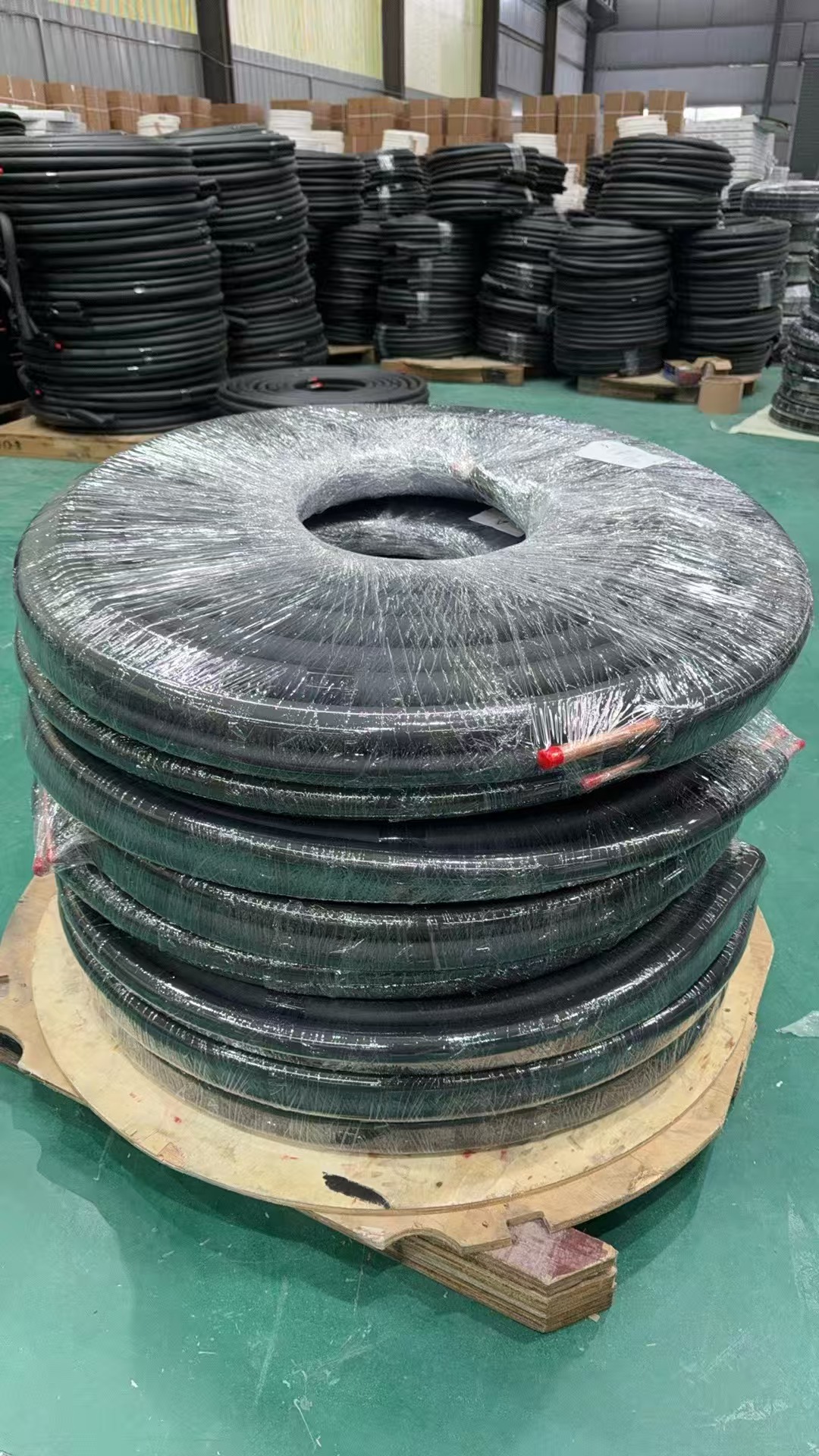
Sourcing a fire-resistant k-flex line set can support commercial fire-risk reduction, but it is not a standalone fire-protection measure. Its role depends on the complete assembly, documented fire performance, the building’s code requirements, and sound installation. A carefully specified k-flex line set helps teams manage combustible-material exposure around refrigerant piping while keeping system design and service needs in view.
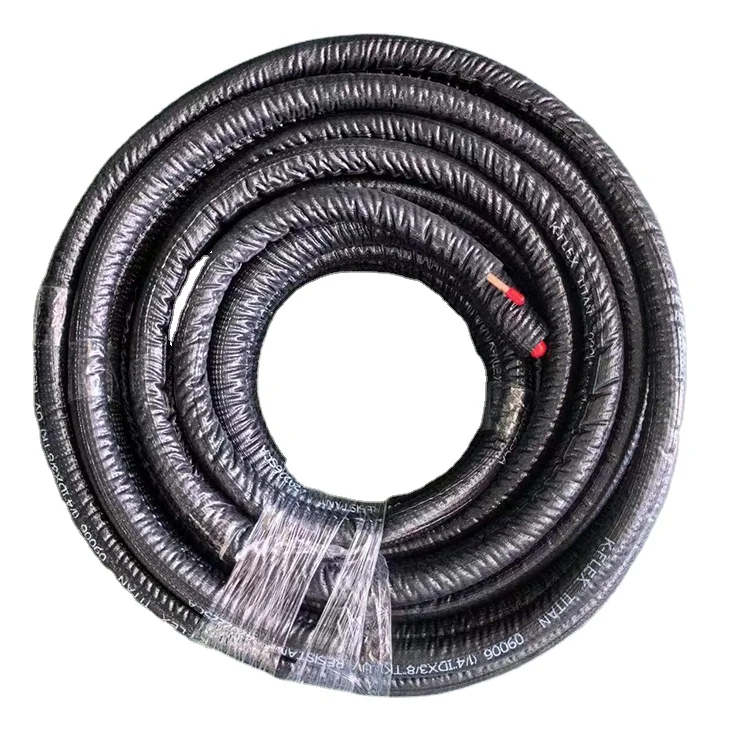
For facility managers and HVAC contractors, the sourcing decision should start with the actual hazard, not a product label. A k-flex line set may include copper tubing and insulation, yet fire behavior depends on the insulation formulation, thickness, joints, and surrounding materials. Reviewing those details before purchase allows a k-flex line set to fit the project’s risk controls instead of creating a false sense of security.
How sourcing choices influence fire exposure
Check documented fire performance
Begin by asking for current technical documentation for the exact k-flex line set configuration under consideration. Confirm whether the insulation has a relevant flame-spread or smoke-development rating, and determine which test method and installation conditions the rating covers. A k-flex line set should not be treated as fire-resistant solely because its description uses that phrase; verify evidence against local codes and project specifications.
The rating must apply to the insulation grade and thickness being supplied, not simply to a product family or similar material. Ask whether seams, adhesive, protective jackets, and fittings affect the tested assembly. For a k-flex line set routed through a rated wall or floor, separate penetration requirements may apply. Procurement teams should record the documents reviewed and confirm that delivered materials match the approved k-flex line set specification.
Consider the route and nearby hazards
Fire risk is shaped by location as much as by material. A k-flex line set routed near electrical equipment, cooking operations, stored packaging, or hot surfaces faces different exposure than piping in a protected ceiling space. Map the route before sourcing, then identify where insulation protection, separation, shielding, or an alternate path may be needed. This keeps the selected k-flex line set aligned with real site conditions.
Commercial buildings also contain concealed spaces where a small ignition source can be difficult to detect quickly. Ask the design and fire-safety teams whether a k-flex line set passes through shafts, plenums, or compartment boundaries, and what restrictions apply there. The answer can affect insulation choice and support details. A sourcing review for the k-flex line set is most useful when it includes drawings, penetrations, access points, and adjacent combustible loads.
How to specify the line set responsibly
Match materials to system and code needs
A responsible specification balances fire performance with refrigerant compatibility, operating conditions, and mechanical protection. Confirm tube size, insulation dimensions, service temperature range, and any project-required certifications for the k-flex line set. Check that the chosen insulation is suitable for the application and that the copper assembly fits the equipment design. Sourcing a k-flex line set from a description alone leaves important compliance questions unresolved.
Request traceable product information, including manufacturer documentation, identification, and installation guidance for the exact supplied configuration. The k-flex line set must also meet the engineer’s requirements for pressure, connection type, and routing. Do not substitute insulation or accessories without review, since a change can alter tested performance or create gaps. Keeping the approved k-flex line set details in the project record supports inspection and future maintenance.
Coordinate procurement with installation planning
Specifications only help when the installation team can follow them. Before ordering a k-flex line set, coordinate delivery lengths, bends, supports, and access needs with the contractor. Confirm how insulation joints will be sealed and how the assembly will be protected from abrasion or crushing. These details help preserve the intended performance of a k-flex line set instead of leaving exposed copper or insulation damage after installation.
The sourcing package should state who checks materials on arrival and who verifies work before concealment. For each k-flex line set, installers should compare labels and dimensions with approved submittals, then report damage or mismatch before use. Site supervision can confirm penetrations and clearances against drawings. When procurement, engineering, and installation share the same requirements, the k-flex line set is less likely to be changed informally under schedule pressure.
How the choice supports ongoing risk control
Protect performance after handover
Fire-risk management continues after commissioning. Include the k-flex line set in inspection plans for mechanical rooms, ceilings, and other accessible routes. Look for torn insulation, loose joints, unauthorized repairs, and contact with hot or electrical components. Damage can expose materials or undermine the intended assembly. A maintenance record should identify the k-flex line set location, approved repair materials, and the person responsible for reviewing changes.
Repairs should follow the product guidance and the building’s approved fire-safety details, rather than relying on generic tape or replacement foam. If a k-flex line set has been altered, confirm whether the repair preserves required ratings and access clearances. During renovations, reassess routing when new equipment or storage changes nearby exposures. Maintaining the original documentation for the k-flex line set makes these decisions easier for facilities and compliance teams.
Set realistic expectations for risk reduction
A fire-resistant insulation specification can contribute to a safer installation, but it cannot prevent every ignition or replace alarms, suppression, compartmentation, and safe work practices. The k-flex line set is one element in a layered strategy. Its contribution is strongest when selection, routing, installation, inspection, and repair all follow the same requirements. That is why sourcing should be treated as a risk-control decision, not just a purchasing transaction.
For a project team, the practical test is whether the k-flex line set can be traced to suitable documentation, installed as specified, and maintained without compromising the assembly. If evidence is incomplete, ask the design professional or authority having jurisdiction to clarify acceptable options before procurement. A documented review helps avoid assumptions about fire performance. It also gives owners a clear basis for managing the k-flex line set throughout the building’s operating life.
FAQ
Does a fire-resistant k-flex line set make an HVAC system fireproof?
No. A k-flex line set with verified fire-related properties may support a broader fire-safety design, but it does not make equipment or a building fireproof. The full system, routing, penetrations, and other protective measures still matter. Confirm the specific assembly’s documentation and applicable code requirements before relying on a k-flex line set for a project.
What should buyers verify before ordering?
Check the exact insulation grade, dimensions, test documentation, code acceptance, and compatibility with the refrigerant system. Confirm that the delivered k-flex line set matches approved submittals, including accessories and installation instructions. Buyers should also review the planned route and penetration details. These checks make a k-flex line set purchase more accountable and reduce the chance of unsuitable substitutions.
Who should approve the fire-related specification?
The responsible mechanical engineer should coordinate the specification with the project fire-safety professional and applicable code authority. A contractor can provide installation input, while procurement verifies documentation and delivery. For a k-flex line set used in a regulated assembly, approval should be based on project requirements rather than assumptions. Clear responsibility helps ensure that the selected k-flex line set remains appropriate through installation and maintenance.