Aircon Copper Pipe Insulation Guide & Benefits

Get a Free Quote

Our representative will contact you soon.
Email
Name
Company Name
Message
0/1000

aircon copper pipe insulation

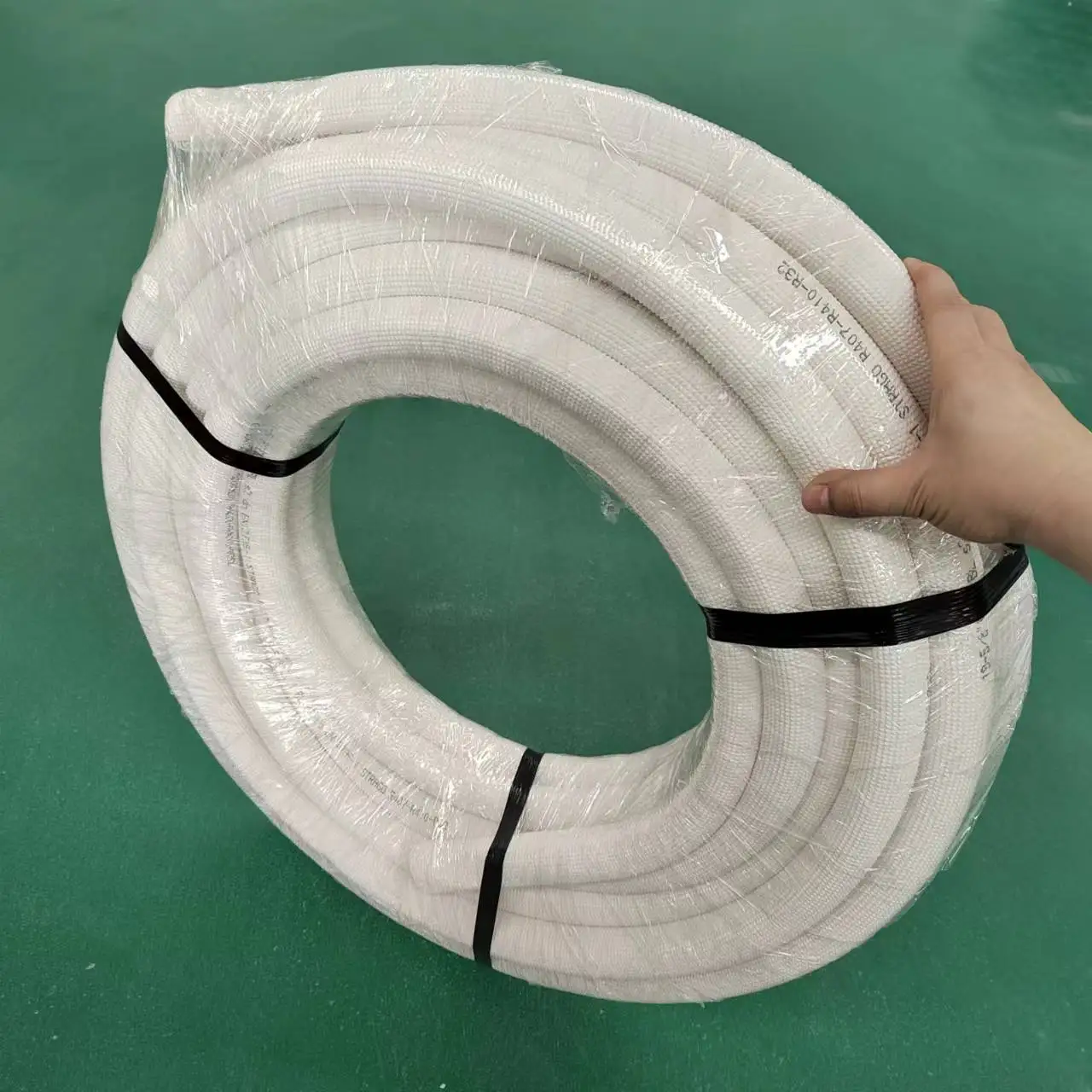
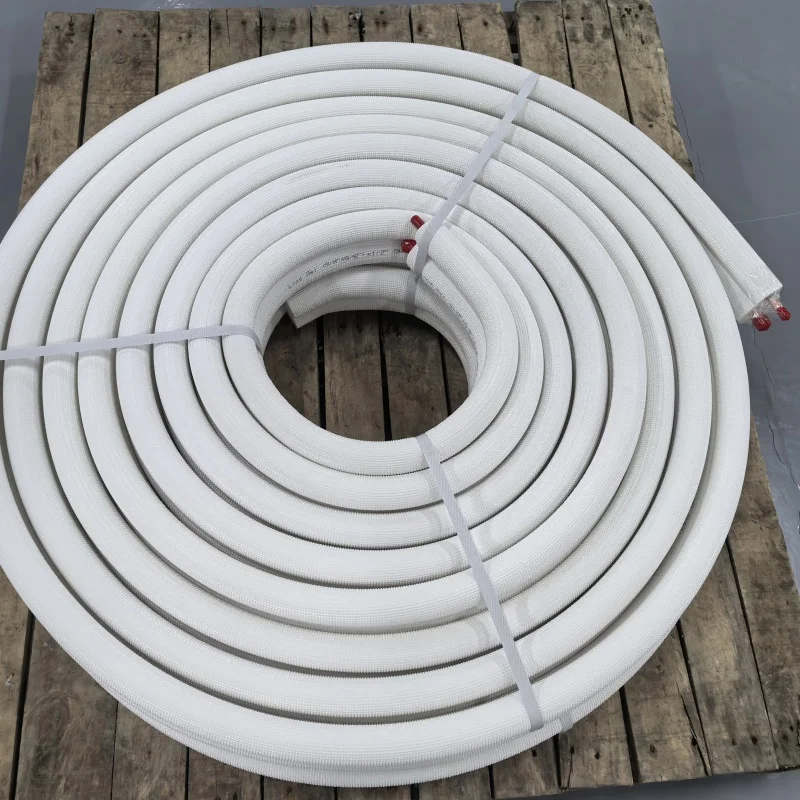
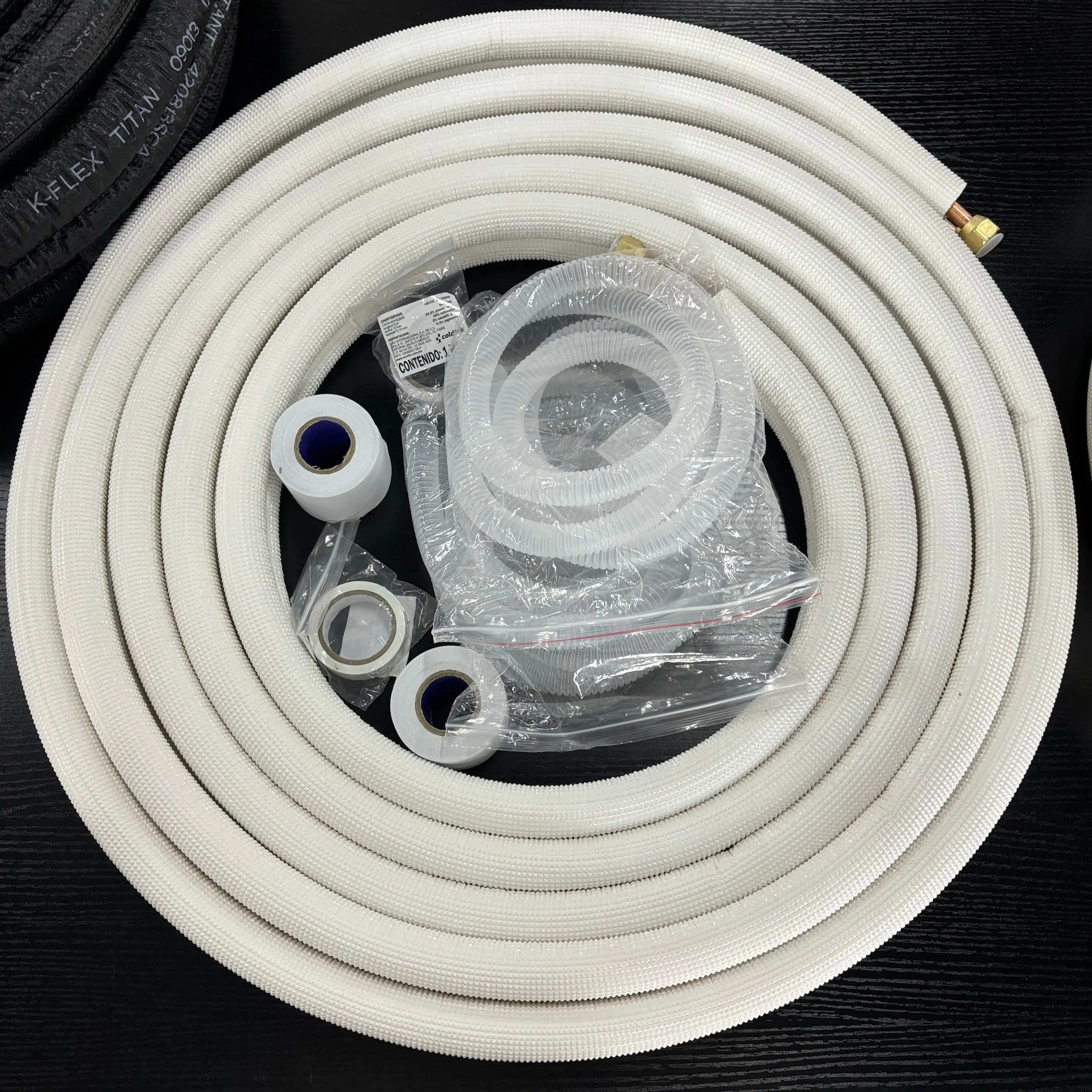
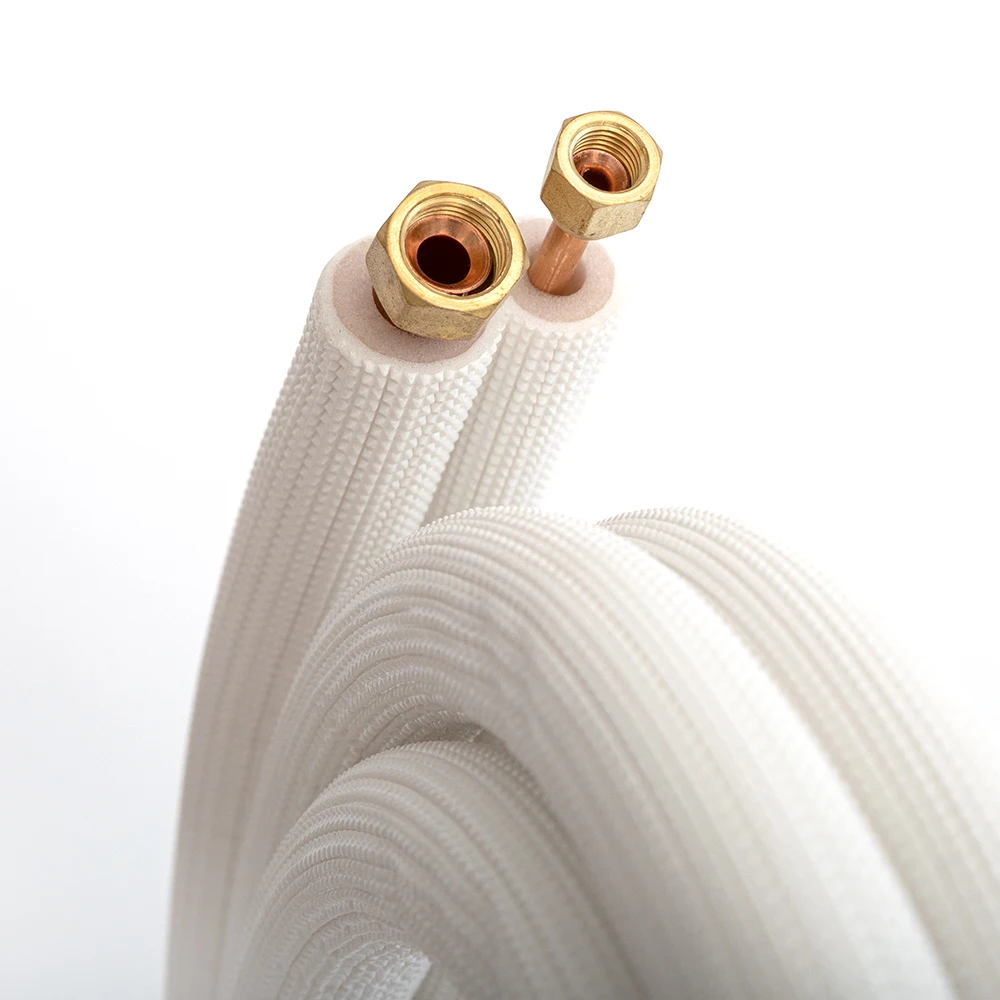
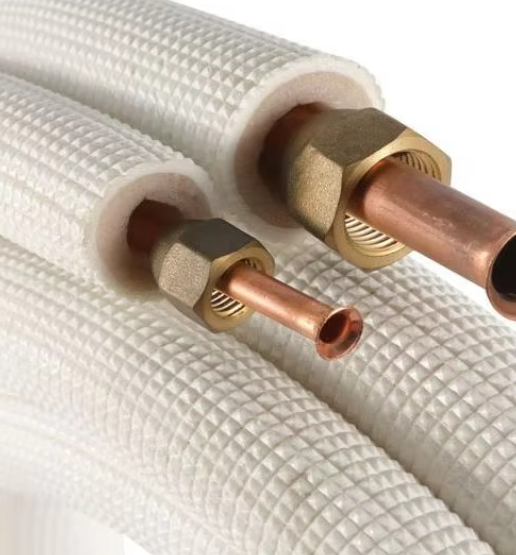
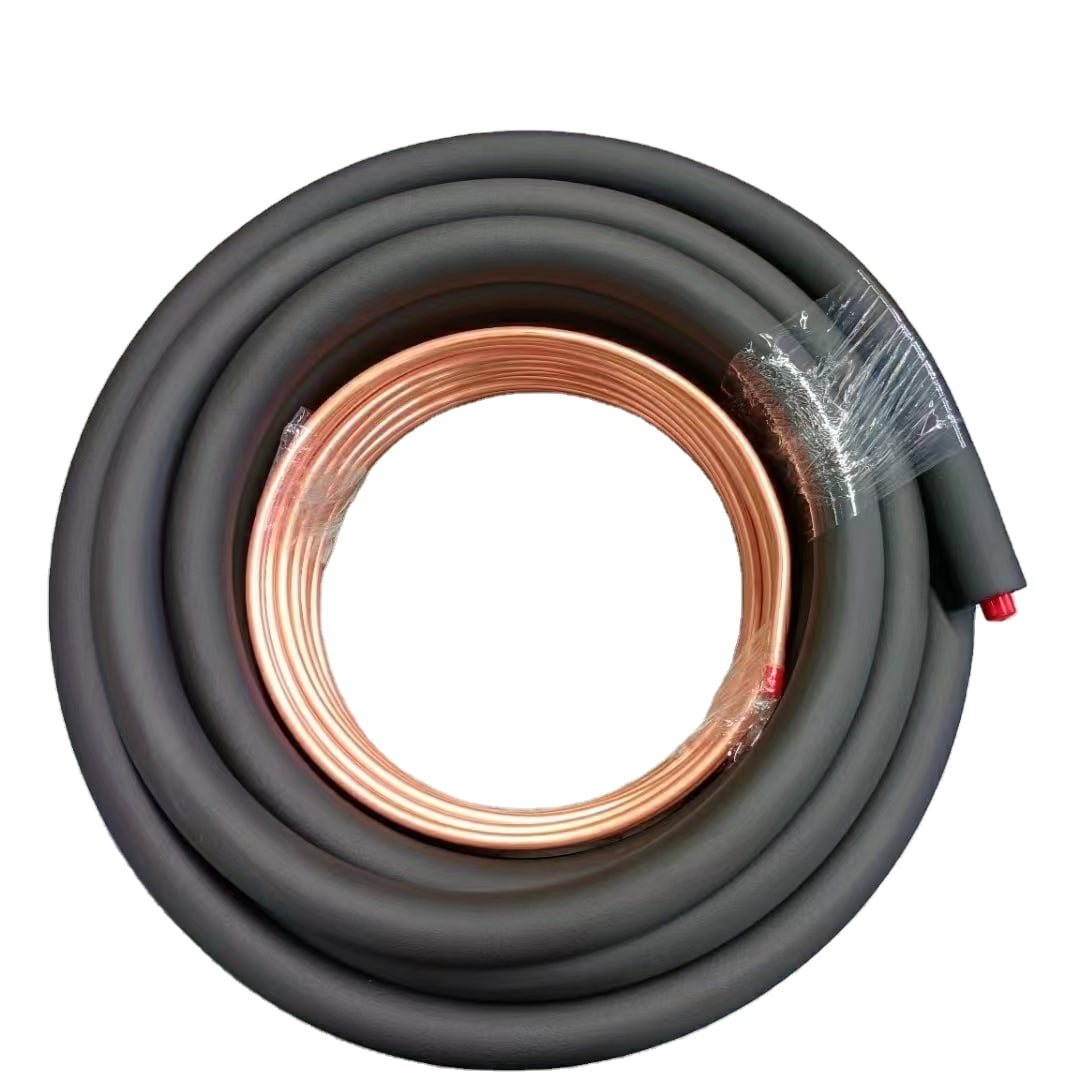
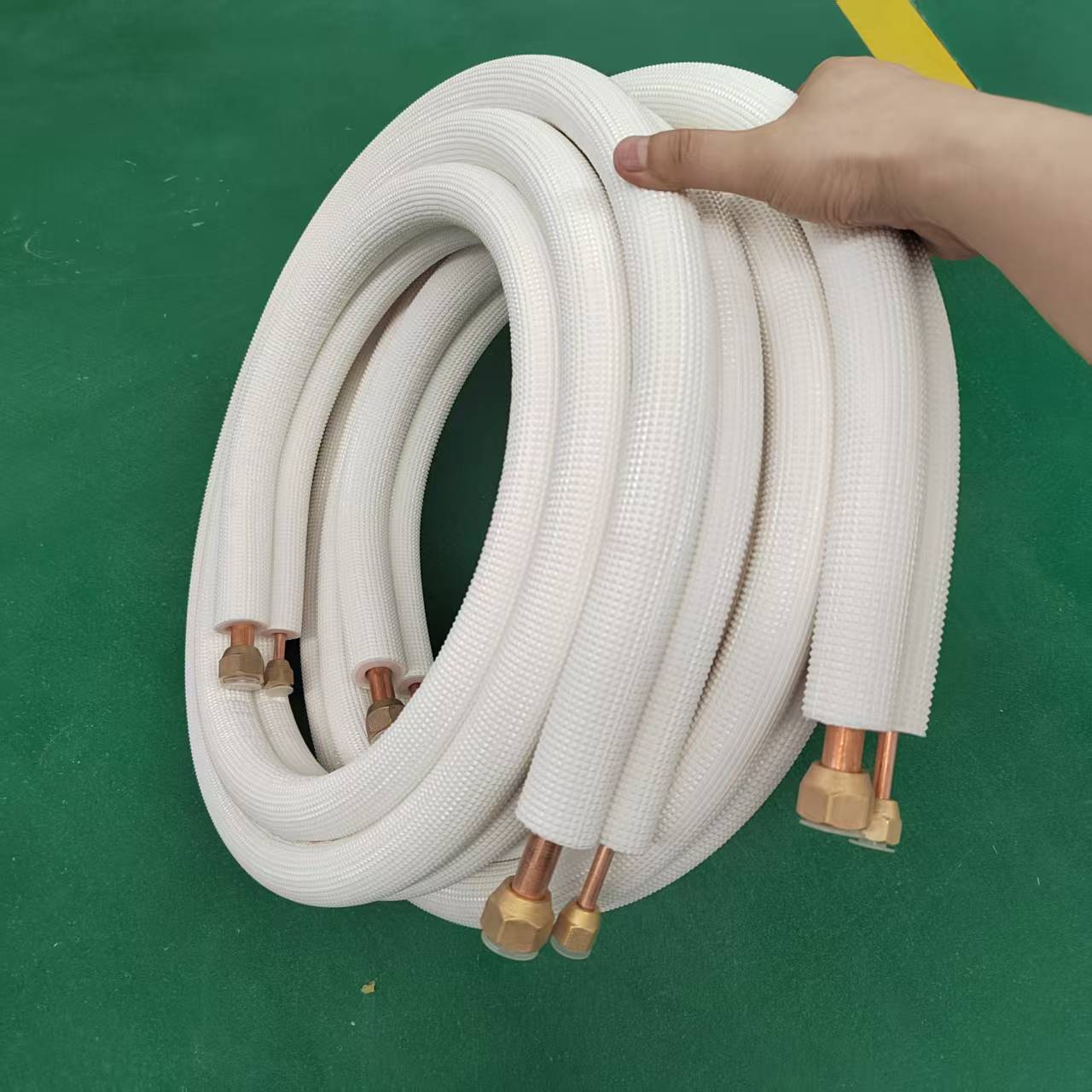
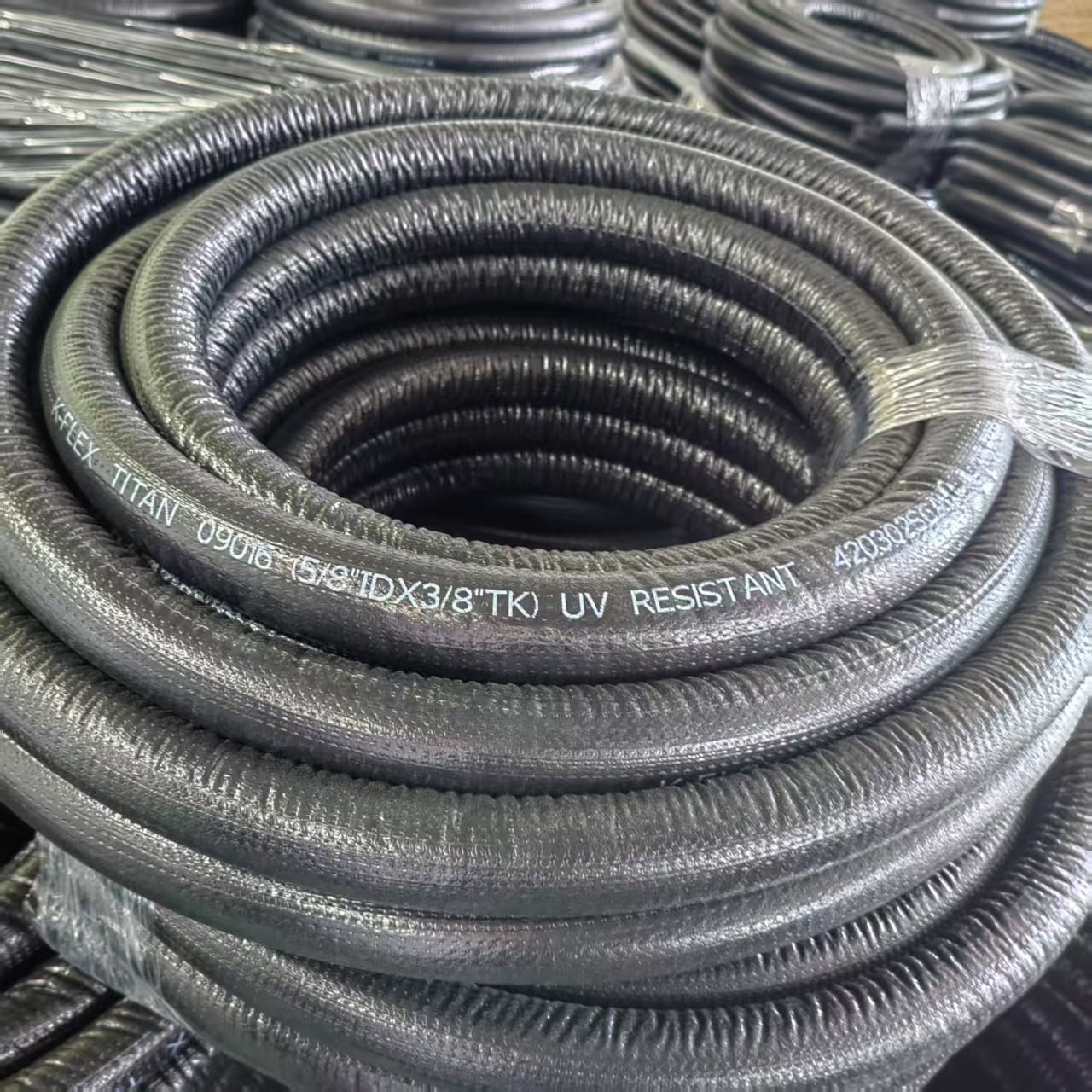
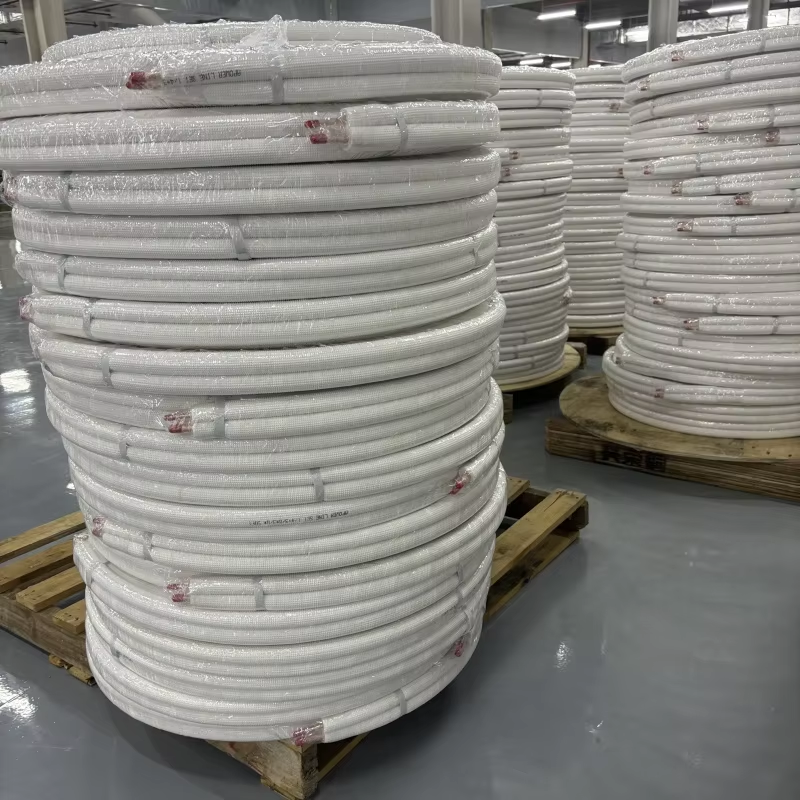
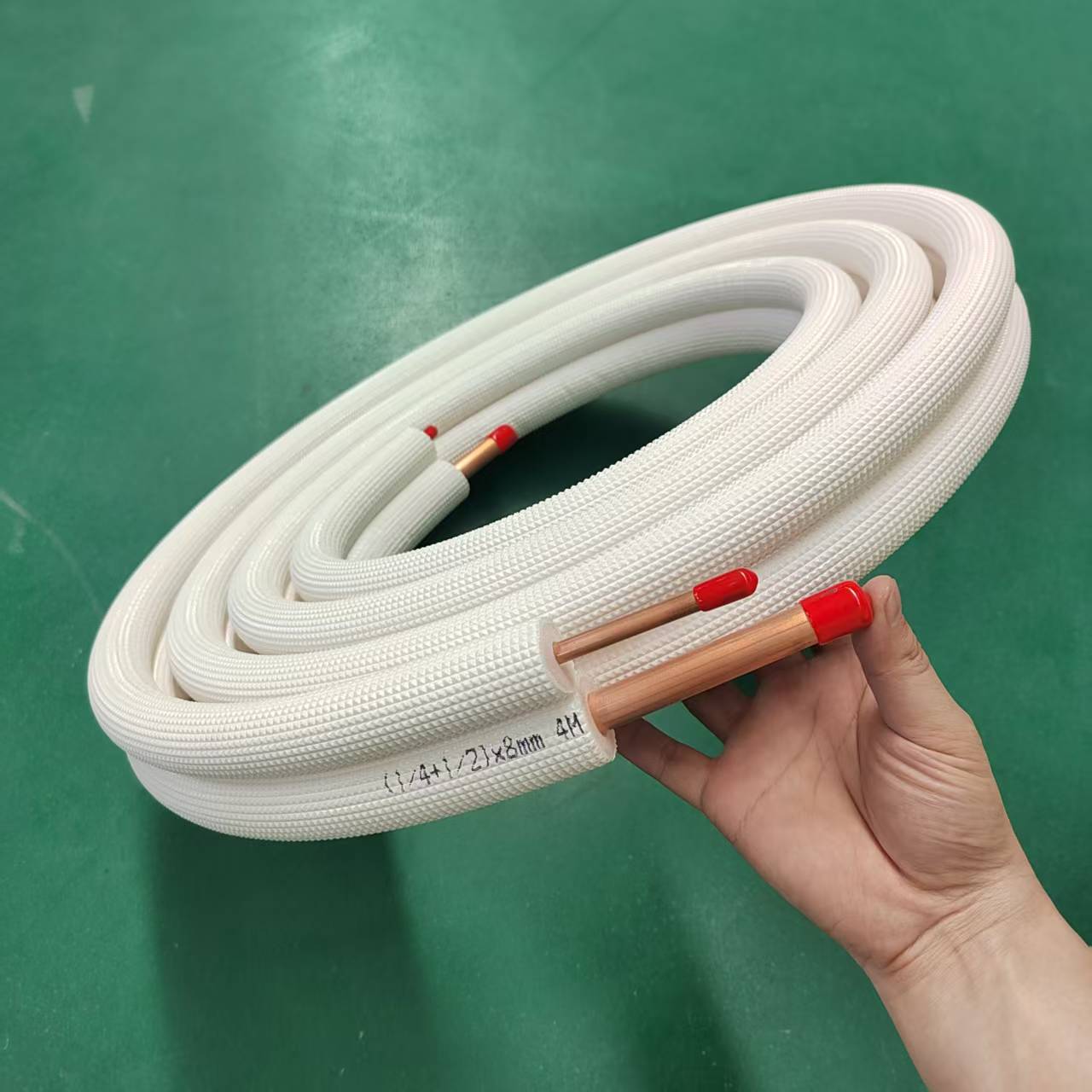
Aircon copper pipe insulation is a specialized protective material designed to wrap around refrigerant copper pipes in air conditioning systems. This essential component plays a critical role in maintaining system efficiency and preventing energy waste. The primary functions include thermal insulation to minimize heat transfer between the refrigerant lines and surrounding environment, condensation prevention to stop moisture buildup that can cause corrosion and water damage, and energy conservation by ensuring cooling capacity isn't lost during refrigerant transport. Technologically, aircon copper pipe insulation utilizes closed-cell foam structures, typically made from elastomeric rubber or polyethylene materials, which provide excellent thermal resistance and moisture barriers. These insulation materials feature low thermal conductivity ratings, flexibility for easy installation around bends and joints, and UV-resistant outer layers for outdoor applications. The insulation thickness varies according to pipe diameter and ambient conditions, with standard options ranging from 6mm to 25mm wall thickness. Applications span residential air conditioning units, commercial HVAC systems, industrial refrigeration plants, and split-type cooling systems. Proper installation of aircon copper pipe insulation is crucial for both suction lines carrying cold refrigerant back to compressors and liquid lines in certain humid environments. This protective solution extends equipment lifespan, reduces operational costs, and ensures optimal cooling performance across diverse climate conditions and installation environments.

New Product Releases

Investing in quality aircon copper pipe insulation delivers substantial cost savings through improved energy efficiency. When copper pipes lack proper insulation, they absorb heat from surrounding air, forcing your air conditioning system to work harder and consume more electricity. With effective insulation in place, you can reduce energy consumption by up to 15-30 percent, translating directly into lower monthly utility bills. The insulation prevents condensation formation on cold pipes, eliminating water dripping issues that cause ceiling stains, structural damage, and mold growth in your property. This moisture control protects your investment and avoids costly repairs down the line. For homeowners and business operators, aircon copper pipe insulation extends equipment lifespan by reducing compressor workload and maintaining consistent refrigerant temperatures throughout the cooling cycle. The reduced strain on system components means fewer breakdowns, less frequent maintenance calls, and delayed replacement costs. Installation is straightforward and non-invasive, with pre-slit tubes that fit snugly around existing copper pipes without requiring system shutdown or refrigerant removal. The material flexibility accommodates tight spaces, corners, and complex pipe routing typical in modern buildings. Climate versatility makes this solution suitable for tropical humidity, temperate zones, and even cold regions where heating systems require similar protection. The insulation material resists degradation from UV exposure, ozone, and temperature fluctuations, ensuring long-term performance without frequent replacement. For commercial applications, the professional appearance of properly insulated pipes enhances aesthetic appeal while demonstrating commitment to energy efficiency and environmental responsibility. Decision-makers appreciate the rapid return on investment, typically recovering insulation costs within 18-24 months through energy savings alone.

Practical Tips

AC Connecting Pipes: A Guide to Better Cooling Performance

13

Mar

AC Connecting Pipes: A Guide to Better Cooling Performance

Essential Guide to AC Connecting Pipes for Efficient Cooling When it comes to maintaining an optimal cooling system in residential or commercial spaces, AC connecting pipes play a critical role. These pipes are the backbone of any air conditioning s...
View More
How do different AC pipe materials affect performance?

23

Dec

How do different AC pipe materials affect performance?

The selection of appropriate materials for air conditioning systems significantly impacts overall performance, energy efficiency, and longevity. When choosing an ac pipe for your HVAC installation, understanding the characteristics and benefits of di...
View More
How Can a High-Quality Copper Line Set Ensure Optimal Performance for Your HVAC System?

18

Mar

How Can a High-Quality Copper Line Set Ensure Optimal Performance for Your HVAC System?

The efficiency and longevity of any HVAC system heavily depend on the quality of its components, with the copper line set serving as a critical element that connects the indoor and outdoor units. A premium copper line set ensures seamless refrigerant...
View More
How Do Copper Pair Coils Enhance the Efficiency of Heat Exchange in HVAC Systems?

18

Mar

How Do Copper Pair Coils Enhance the Efficiency of Heat Exchange in HVAC Systems?

Modern HVAC systems rely heavily on efficient heat transfer mechanisms to deliver optimal performance while minimizing energy consumption. Among the critical components that facilitate this process, copper pair coils stand out as essential elements t...
View More

Get a Free Quote

Our representative will contact you soon.
Email
Name
Company Name
Message
0/1000

aircon copper pipe insulation

Superior Thermal Efficiency and Energy Savings

Superior Thermal Efficiency and Energy Savings

The closed-cell structure of aircon copper pipe insulation provides exceptional thermal resistance that dramatically reduces heat exchange between refrigerant lines and ambient air. This advanced cellular technology creates millions of tiny air pockets that act as thermal barriers, preventing external heat from penetrating to the cold refrigerant flowing inside copper pipes. The result is maintained refrigerant temperature from outdoor condenser units to indoor evaporator coils, ensuring your air conditioning system delivers maximum cooling capacity without energy waste. Independent testing demonstrates that quality insulation reduces heat gain by over 90 percent compared to bare copper pipes. For typical residential installations, this translates to 200-400 watts of power savings per operating hour, accumulating to substantial annual electricity cost reductions. The thermal efficiency remains consistent across temperature ranges from minus 50 to plus 110 degrees Celsius, making aircon copper pipe insulation suitable for extreme climate conditions. Commercial facilities with extensive pipe runs benefit even more significantly, as longer distances multiply heat transfer opportunities. The insulation's low thermal conductivity coefficient, typically below 0.040 W/mK, outperforms traditional insulation materials while maintaining thin wall profiles that save installation space. This thermal performance directly impacts environmental footprint by reducing power plant emissions associated with electricity generation for air conditioning operation.
Complete Moisture and Condensation Protection

Complete Moisture and Condensation Protection

Aircon copper pipe insulation features inherent moisture-resistant properties that eliminate condensation problems plaguing unprotected refrigerant lines. The closed-cell foam structure prevents water vapor penetration, creating an impermeable barrier that stops moisture from reaching cold copper pipe surfaces where condensation would otherwise form. This protection is critical because refrigerant suction lines operate at temperatures well below ambient dew points, creating ideal conditions for continuous water condensation on bare metal. Without proper insulation, condensed water drips onto ceilings, walls, electrical components, and furnishings, causing extensive damage that requires expensive remediation. The waterproof characteristics of aircon copper pipe insulation maintain integrity even in high-humidity environments like coastal regions, basements, and tropical climates where moisture challenges are most severe. Unlike fibrous insulation materials that absorb water and lose effectiveness, the closed-cell structure repels moisture while maintaining full thermal performance throughout its service life. This reliability eliminates the need for additional vapor barriers or protective wrapping, simplifying installation and reducing material costs. For refrigeration applications, the moisture protection prevents ice formation on pipe exteriors that can damage insulation and surrounding structures. Building owners appreciate the peace of mind knowing that concealed pipe runs within walls and ceilings remain dry and protected, avoiding hidden damage that only becomes apparent after significant deterioration occurs.
Durable Construction with Easy Installation

Durable Construction with Easy Installation

Modern aircon copper pipe insulation combines robust material composition with user-friendly installation features that reduce labor time and ensure reliable long-term performance. The elastomeric rubber or polyethylene foam construction resists tearing, compression, and degradation from environmental factors including UV radiation, ozone exposure, and temperature cycling. This durability ensures the insulation maintains its protective properties for 10-15 years or longer without replacement, matching or exceeding air conditioning equipment lifespan. Pre-slit lengths eliminate cutting requirements and allow quick slip-on installation over existing copper pipes without disconnecting refrigerant lines or system components. The self-sealing longitudinal slit closes securely after installation, creating continuous insulation coverage without gaps that would compromise thermal efficiency. Flexible material properties enable the insulation to navigate tight bends, complex routing, and confined spaces typical in residential and commercial installations. Adhesive strips or specialized glues provide secure bonding at joints and seams, preventing insulation migration or separation during system vibration and thermal expansion cycles. The lightweight nature reduces handling fatigue during installation and eliminates structural load concerns for suspended ceiling applications. Color-coded options help installers quickly identify different pipe functions, reducing connection errors during complex multi-zone system installations. For maintenance accessibility, the insulation removes and reinstalls easily when service access to pipes or fittings becomes necessary, unlike permanent insulation methods that require complete replacement after disturbance.
Aircon Copper Pipe Insulation Guide & Benefits

Get a Free Quote

Our representative will contact you soon.
Email
Name
Company Name
Message
0/1000