Copper Pipe Types: Complete Guide & Benefits

Get a Free Quote

Our representative will contact you soon.
Email
Name
Company Name
Message
0/1000

copper pipe types

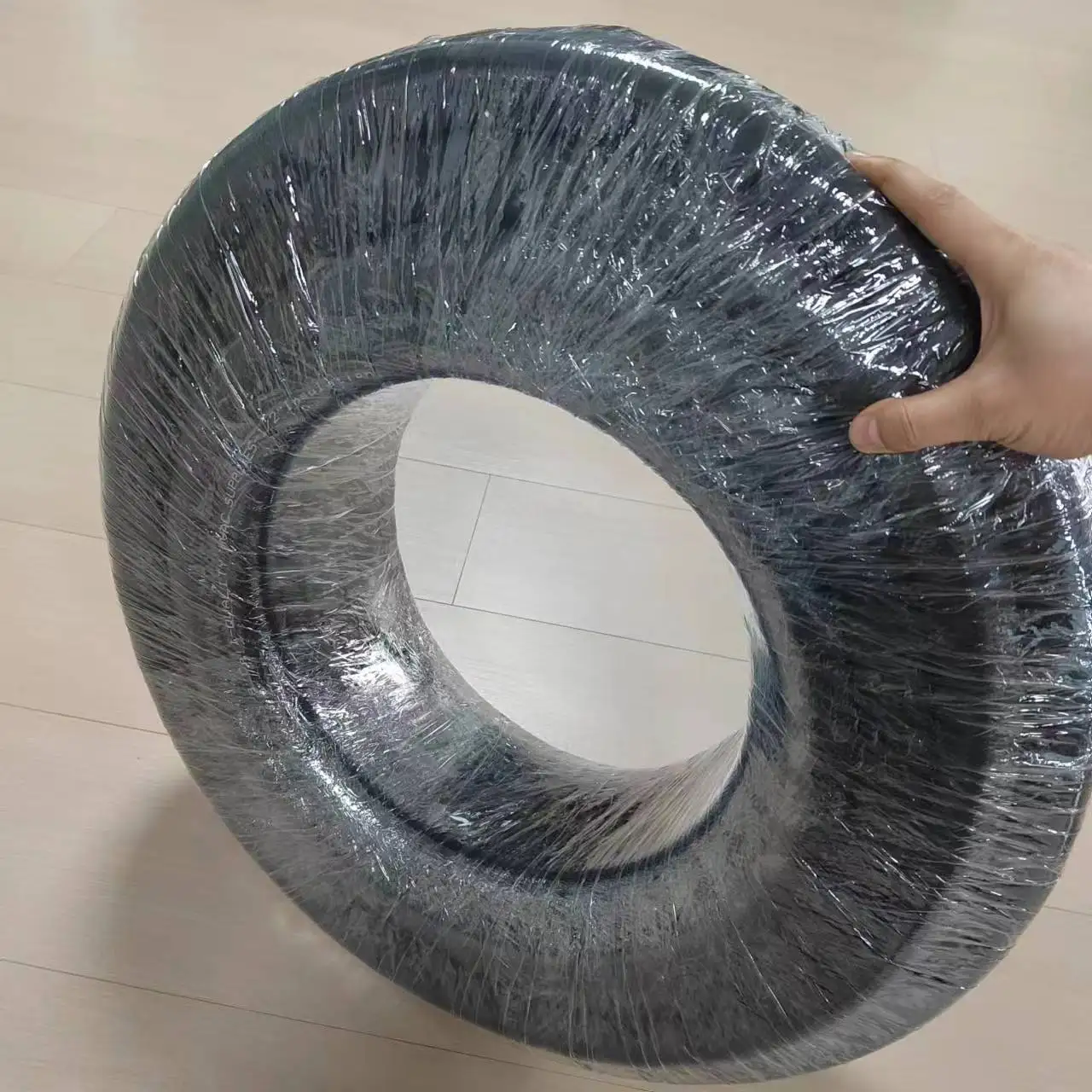
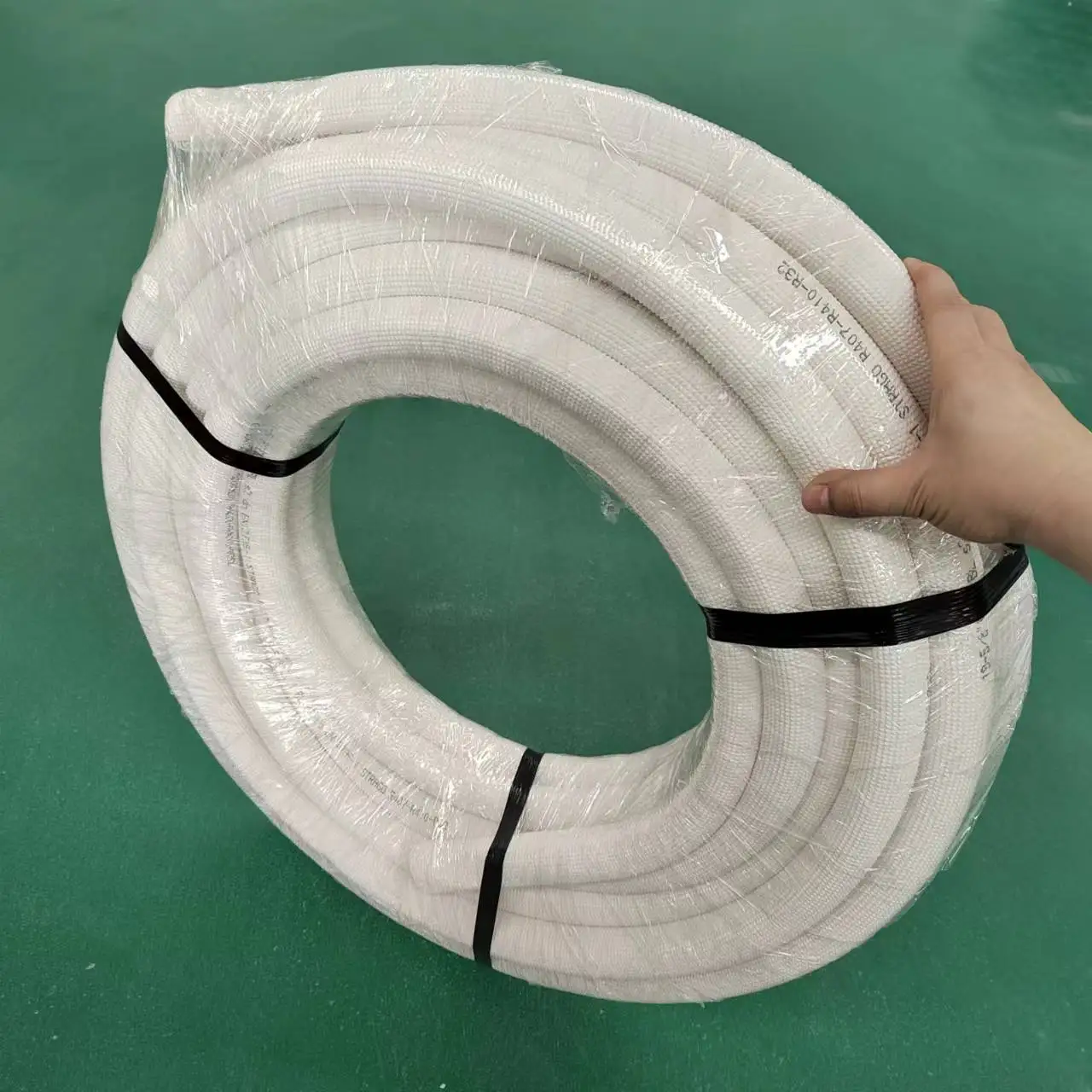
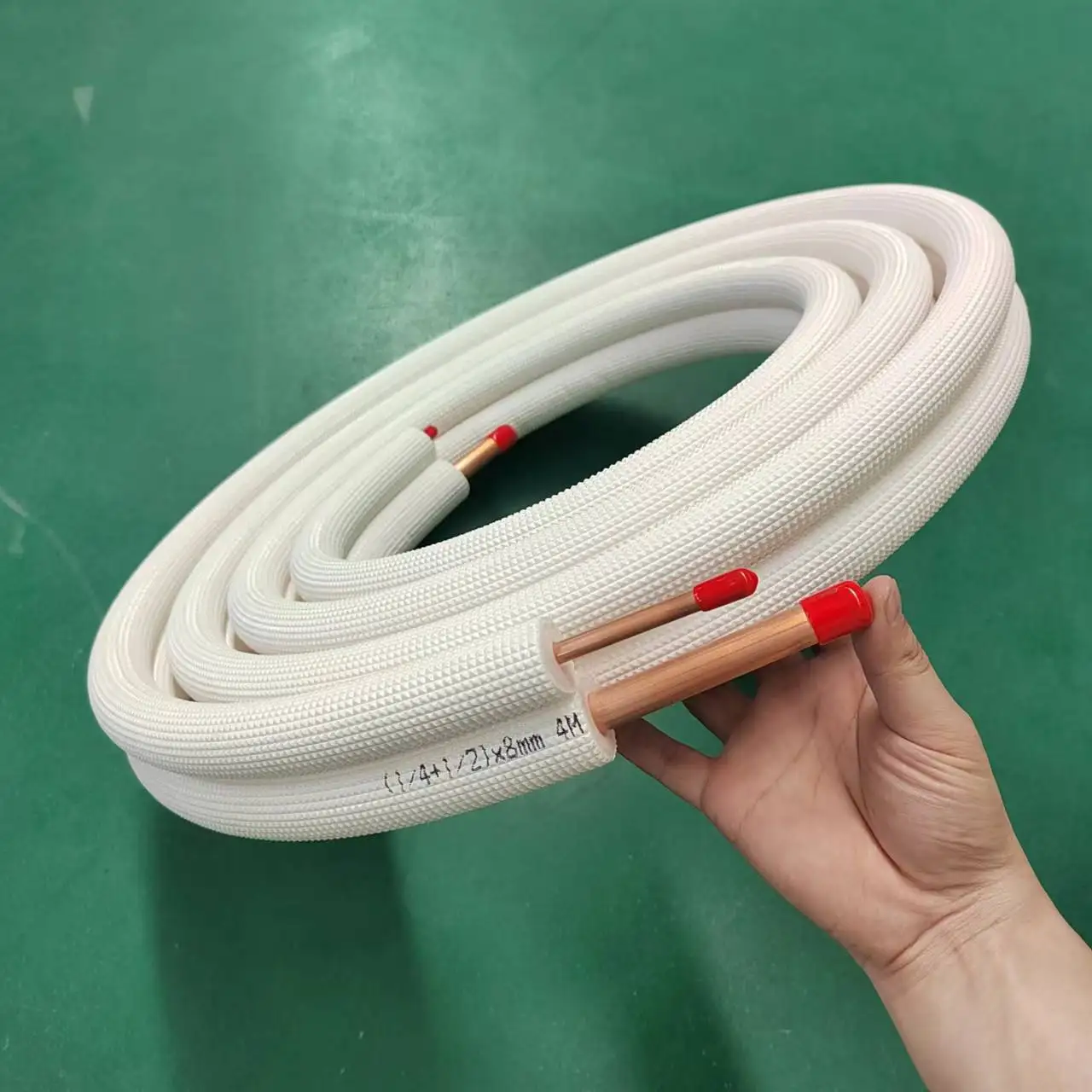
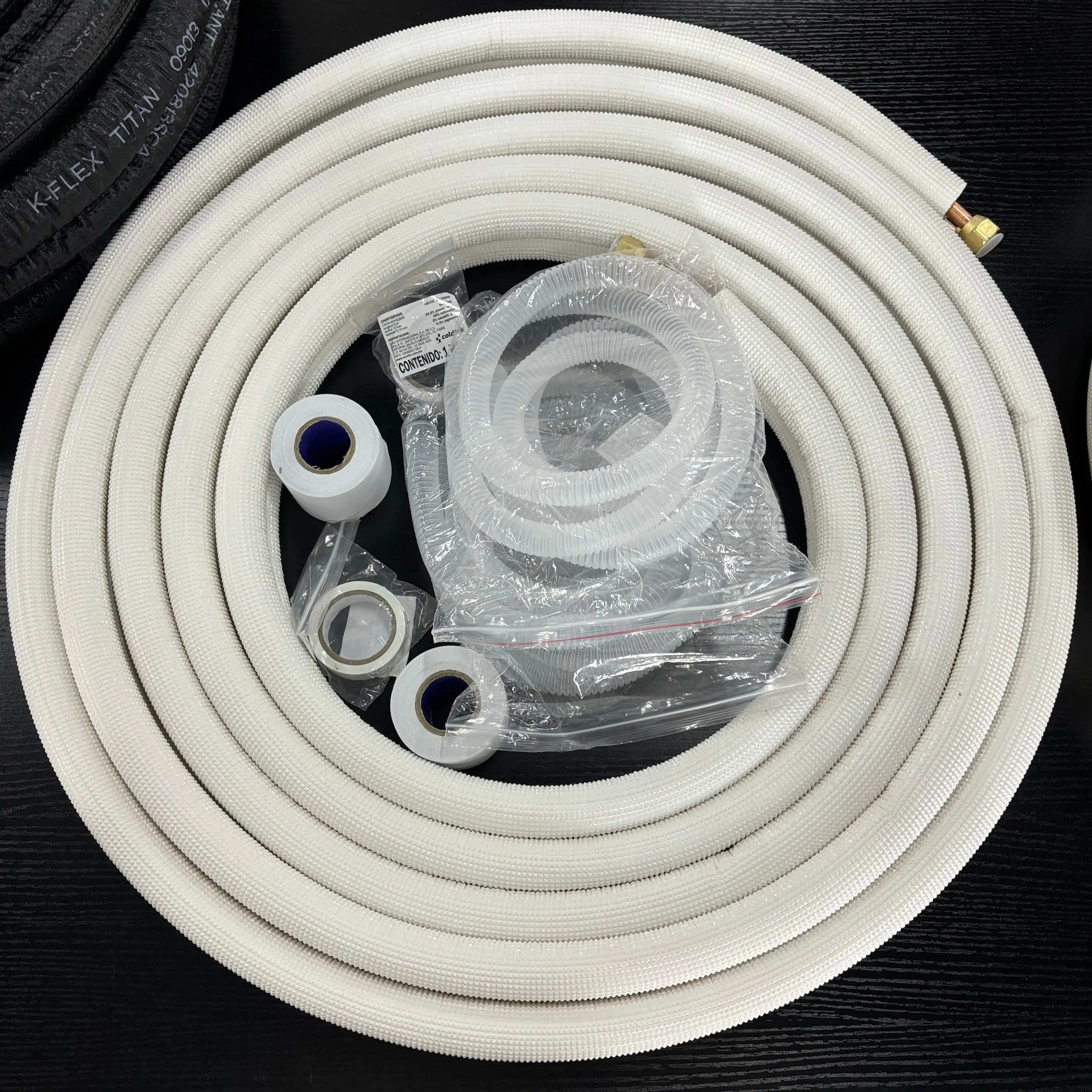
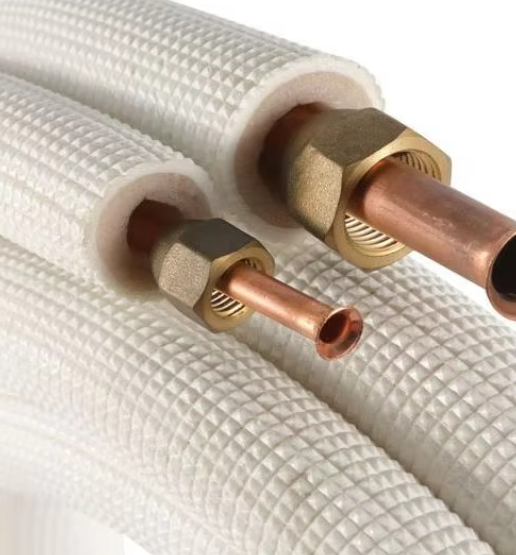
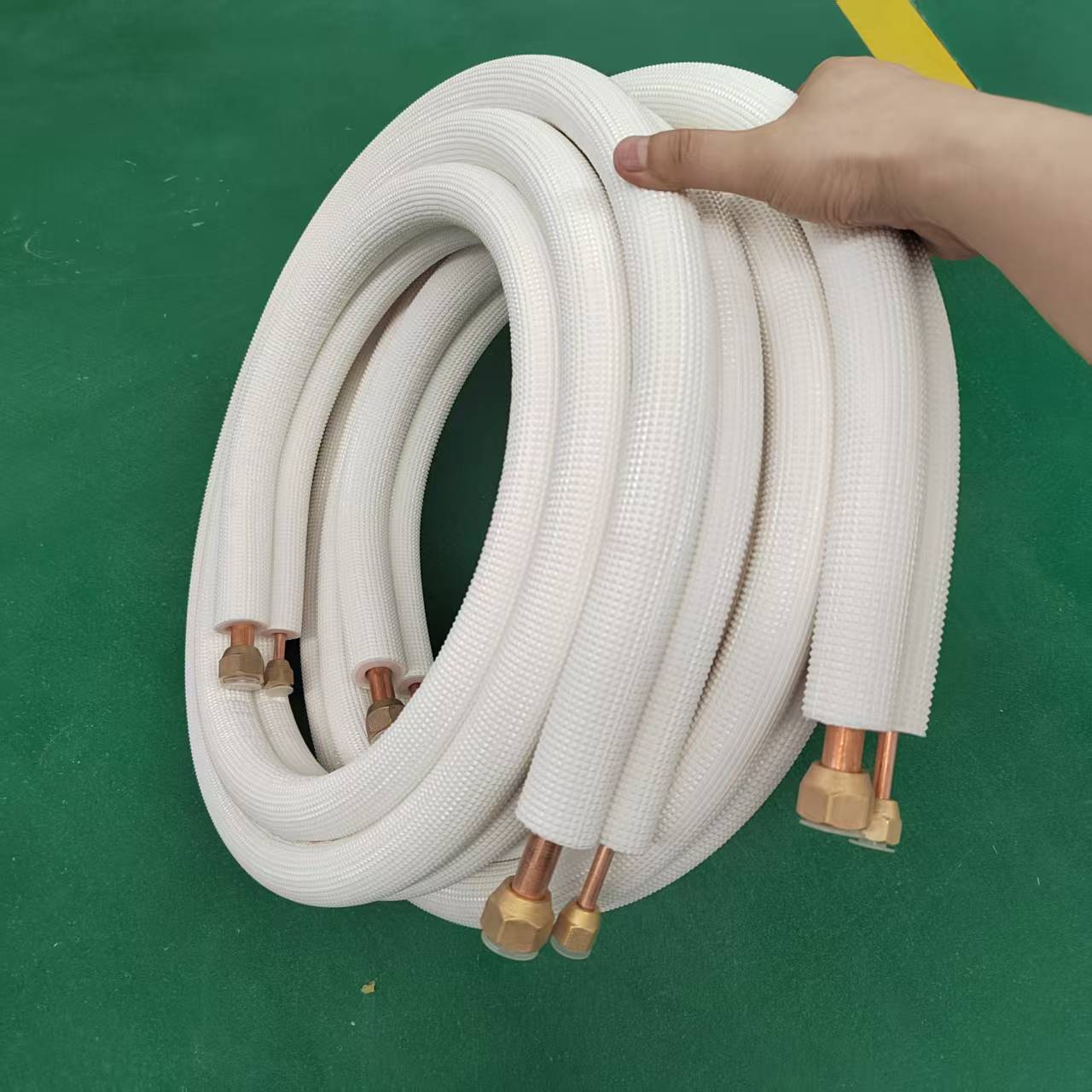
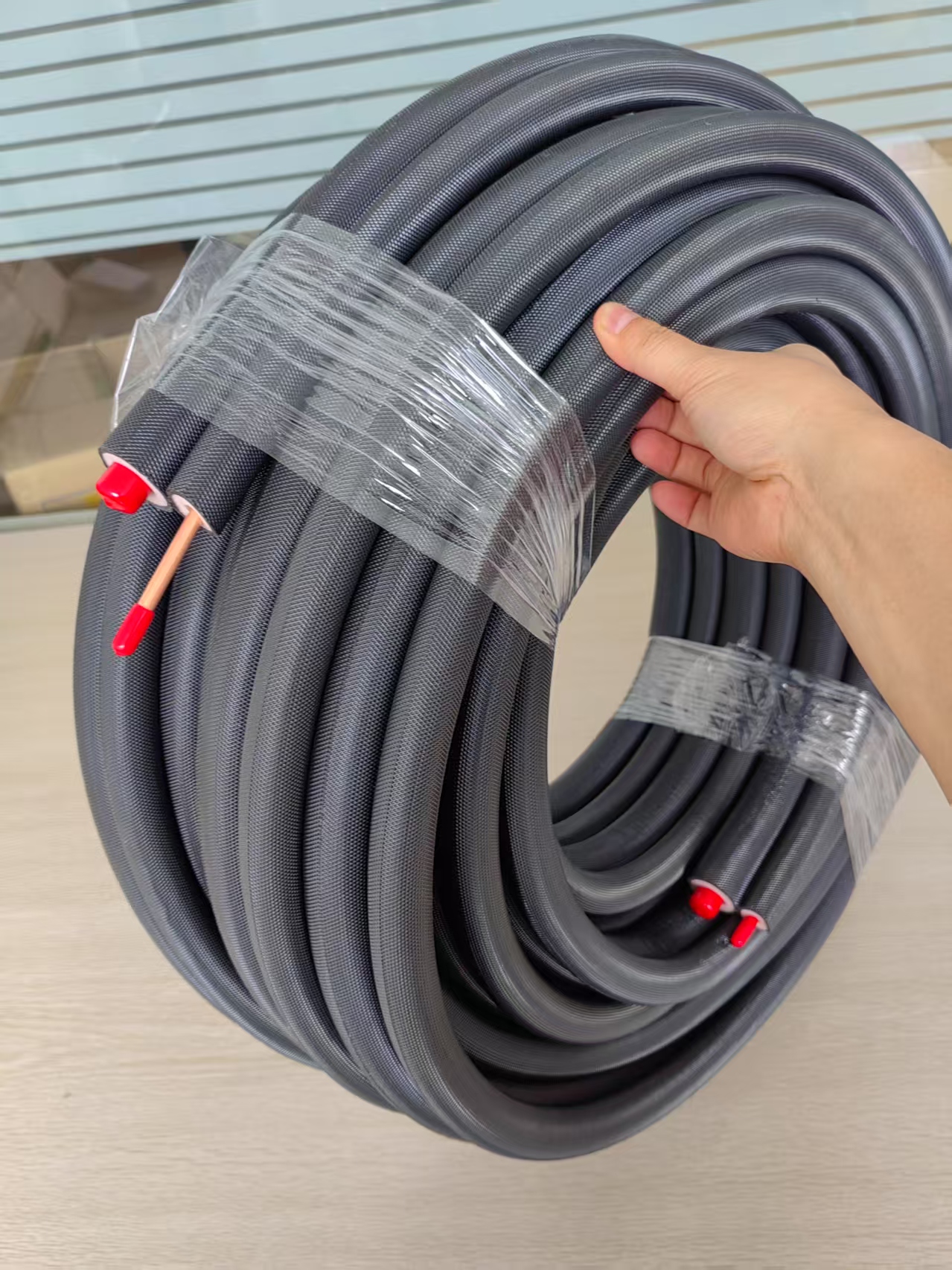
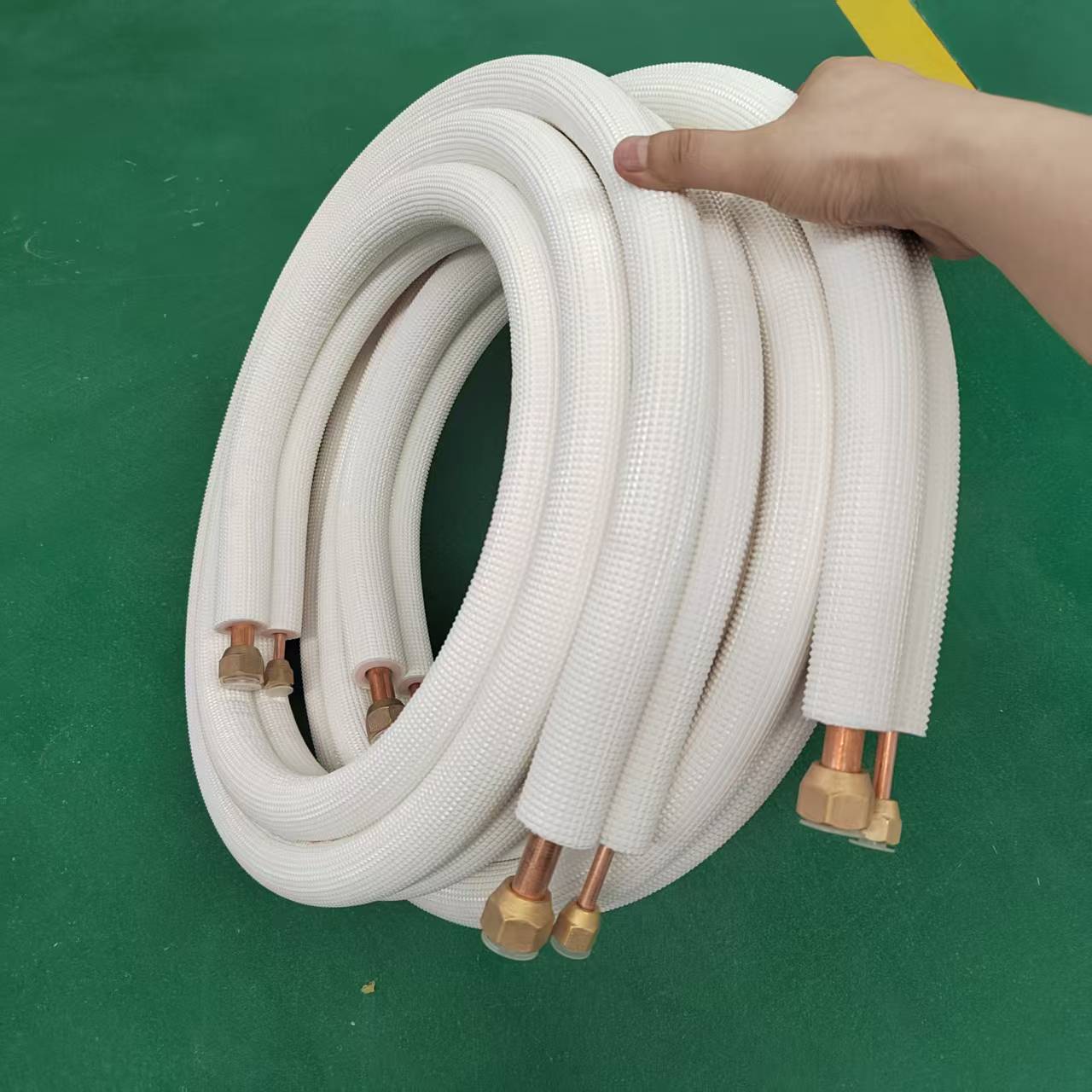
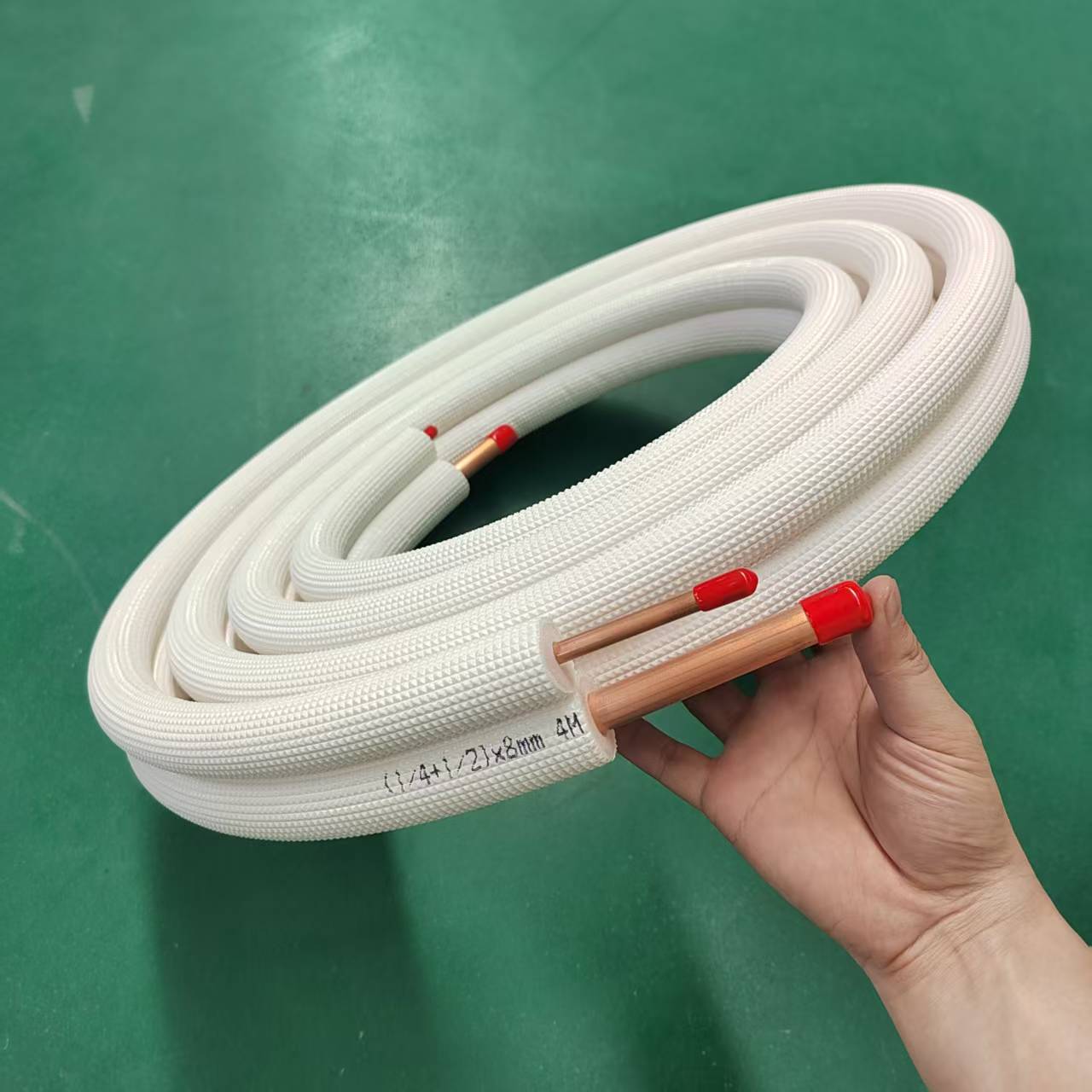
Copper pipe types are essential components in modern plumbing, heating, and cooling systems, offering reliable performance across residential, commercial, and industrial applications. Understanding the different copper pipe types available helps you select the right solution for your specific project requirements. The main copper pipe types include Type K, Type L, and Type M, each distinguished by wall thickness and pressure ratings. Type K features the thickest walls, making it ideal for underground installations and high-pressure applications. Type L offers medium wall thickness, serving as the standard choice for interior plumbing systems and general water distribution. Type M has thinner walls, providing a cost-effective option for low-pressure residential applications. Beyond these standard classifications, copper pipe types also include DWV (Drain-Waste-Vent) pipes designed specifically for drainage systems, and ACR (Air Conditioning and Refrigeration) pipes manufactured for HVAC applications. Each of these copper pipe types undergoes rigorous manufacturing processes to ensure consistent quality and dimensional accuracy. The material's natural antimicrobial properties, corrosion resistance, and thermal conductivity make copper pipes superior to many alternatives. Copper pipe types are manufactured in various diameters ranging from small tubes for refrigeration to large pipes for industrial water systems. They can be supplied in hard-drawn temper for straight installations or soft-drawn temper for applications requiring bending and shaping, providing flexibility in installation methods across diverse construction projects.

New Product Releases

Choosing the right copper pipe types delivers significant value through longevity and performance reliability. Copper pipes typically last 50 years or longer, reducing replacement costs and minimizing system downtime throughout their service life. The material naturally resists corrosion from water and soil conditions, ensuring consistent water quality without leaching harmful substances into your supply. This durability translates directly into lower maintenance expenses and fewer emergency repairs compared to alternative piping materials. Different copper pipe types accommodate various pressure requirements and installation environments, giving you flexibility in system design without compromising safety standards. The lightweight nature of copper pipes simplifies transportation and installation, reducing labor costs and project timelines significantly. Copper pipe types work seamlessly with standard fittings and joining methods including soldering, brazing, and compression connections, allowing contractors to complete installations efficiently using familiar techniques. The material's excellent thermal conductivity makes copper pipe types particularly effective in heating applications, transferring heat rapidly and uniformly throughout distribution systems. Copper's natural antimicrobial properties actively inhibit bacterial growth, including harmful organisms like Legionella, contributing to healthier water systems in hospitals, schools, and residential buildings. These pipes maintain stable performance across wide temperature ranges, from subfreezing conditions to hot water applications exceeding 200 degrees Fahrenheit. The recyclability of copper pipe types supports sustainable construction practices, as the material retains full value and performance characteristics through multiple recycling cycles. Copper pipes also offer fire resistance, maintaining structural integrity longer than plastic alternatives during fire events, which enhances overall building safety and may reduce insurance costs.

Practical Tips

AC Connecting Pipes: A Guide to Better Cooling Performance

13

Mar

AC Connecting Pipes: A Guide to Better Cooling Performance

Essential Guide to AC Connecting Pipes for Efficient Cooling When it comes to maintaining an optimal cooling system in residential or commercial spaces, AC connecting pipes play a critical role. These pipes are the backbone of any air conditioning s...
View More
How to Protect Your Copper Line Set from Corrosion and Damage During and After Installation?

20

Jan

How to Protect Your Copper Line Set from Corrosion and Damage During and After Installation?

Copper line sets form the backbone of HVAC systems, carrying refrigerant between indoor and outdoor units with exceptional efficiency and reliability. However, these critical components face constant threats from environmental factors, physical damag...
View More
How Do You Choose the Correct Diameter for Your Copper Line Set Installation?

18

Mar

How Do You Choose the Correct Diameter for Your Copper Line Set Installation?

Selecting the appropriate diameter for your copper line set installation represents one of the most critical decisions in HVAC system design and implementation. The diameter directly influences system efficiency, refrigerant flow characteristics, and...
View More
Can Custom-Wound Copper Pair Coils Improve the Performance of Your Specialized Equipment?

18

Mar

Can Custom-Wound Copper Pair Coils Improve the Performance of Your Specialized Equipment?

In today's competitive industrial landscape, businesses are constantly seeking ways to optimize equipment performance while maintaining cost-effectiveness. One often overlooked component that can significantly impact system efficiency is the choice o...
View More

Get a Free Quote

Our representative will contact you soon.
Email
Name
Company Name
Message
0/1000

copper pipe types

Superior Wall Thickness Options Across Copper Pipe Types

Superior Wall Thickness Options Across Copper Pipe Types

The variety of wall thicknesses available in copper pipe types represents a fundamental advantage that allows precise matching between application requirements and material specifications. Type K copper pipes feature the thickest walls among standard copper pipe types, providing exceptional strength for underground installations where soil pressure and potential ground movement demand maximum durability. This robust construction makes Type K ideal for service lines running from water mains to buildings, where long-term reliability is paramount. Type L copper pipe types offer an optimal balance between strength and economy, with medium wall thickness suitable for most interior plumbing applications including hot and cold water distribution. This versatility makes Type L the most widely specified option for residential and light commercial projects. Type M copper pipe types provide thinner walls for cost-conscious installations where lower pressures exist, commonly used in residential branch lines and heating systems. This graduated approach to wall thickness allows engineers and contractors to optimize material costs without sacrificing performance, selecting the appropriate copper pipe types based on actual operating conditions rather than overspecifying unnecessarily.
Temperature and Pressure Performance of Copper Pipe Types

Temperature and Pressure Performance of Copper Pipe Types

Different copper pipe types excel in managing varying temperature and pressure conditions, making them adaptable to diverse mechanical system requirements. Copper naturally withstands both extreme cold and high heat, with copper pipe types rated for continuous operation from subfreezing temperatures to over 400 degrees Fahrenheit in certain applications. This thermal stability ensures copper pipe types maintain dimensional integrity and joint connections across seasonal temperature fluctuations without cracking, warping, or degrading like some plastic alternatives. The pressure ratings of copper pipe types vary according to wall thickness and diameter, with Type K handling the highest pressures and Type M suitable for standard residential applications. This pressure capacity makes copper pipe types appropriate for everything from low-pressure radiant heating systems to high-pressure commercial water distribution networks. The material's thermal conductivity provides additional benefits in heating applications, where copper pipe types efficiently transfer heat from boilers and water heaters to end-use fixtures, improving system responsiveness and energy efficiency. For refrigeration and air conditioning systems, specialized ACR copper pipe types maintain precise tolerances and cleanliness standards necessary for optimal refrigerant flow and system performance, preventing efficiency losses from contamination or restriction.
Installation Flexibility and Long-Term Reliability

Installation Flexibility and Long-Term Reliability

The physical characteristics of copper pipe types provide installation advantages that reduce labor costs while ensuring decades of dependable service. Copper pipe types are available in both rigid and flexible forms, with hard-drawn pipes ideal for straight runs requiring maximum strength and soft-drawn pipes perfect for situations requiring bends around obstacles or through confined spaces. This flexibility eliminates numerous fittings and joints that would otherwise be necessary, reducing potential leak points and installation time significantly. Copper pipe types accept multiple joining methods including traditional soldering, which creates permanent leak-proof connections, and modern press-fit systems that enable faster installation without open flames in sensitive environments. The material's proven track record spanning over a century demonstrates the long-term reliability of copper pipe types in building systems, with many original installations still functioning properly after 80 years or more. This longevity provides predictable lifecycle costs and exceptional return on investment compared to materials requiring more frequent replacement. The inherent value retention of copper pipe types also supports sustainable building practices, as the material maintains significant scrap value at end of life, often offsetting a portion of replacement costs during renovation projects.
Copper Pipe Types: Complete Guide & Benefits

Get a Free Quote

Our representative will contact you soon.
Email
Name
Company Name
Message
0/1000