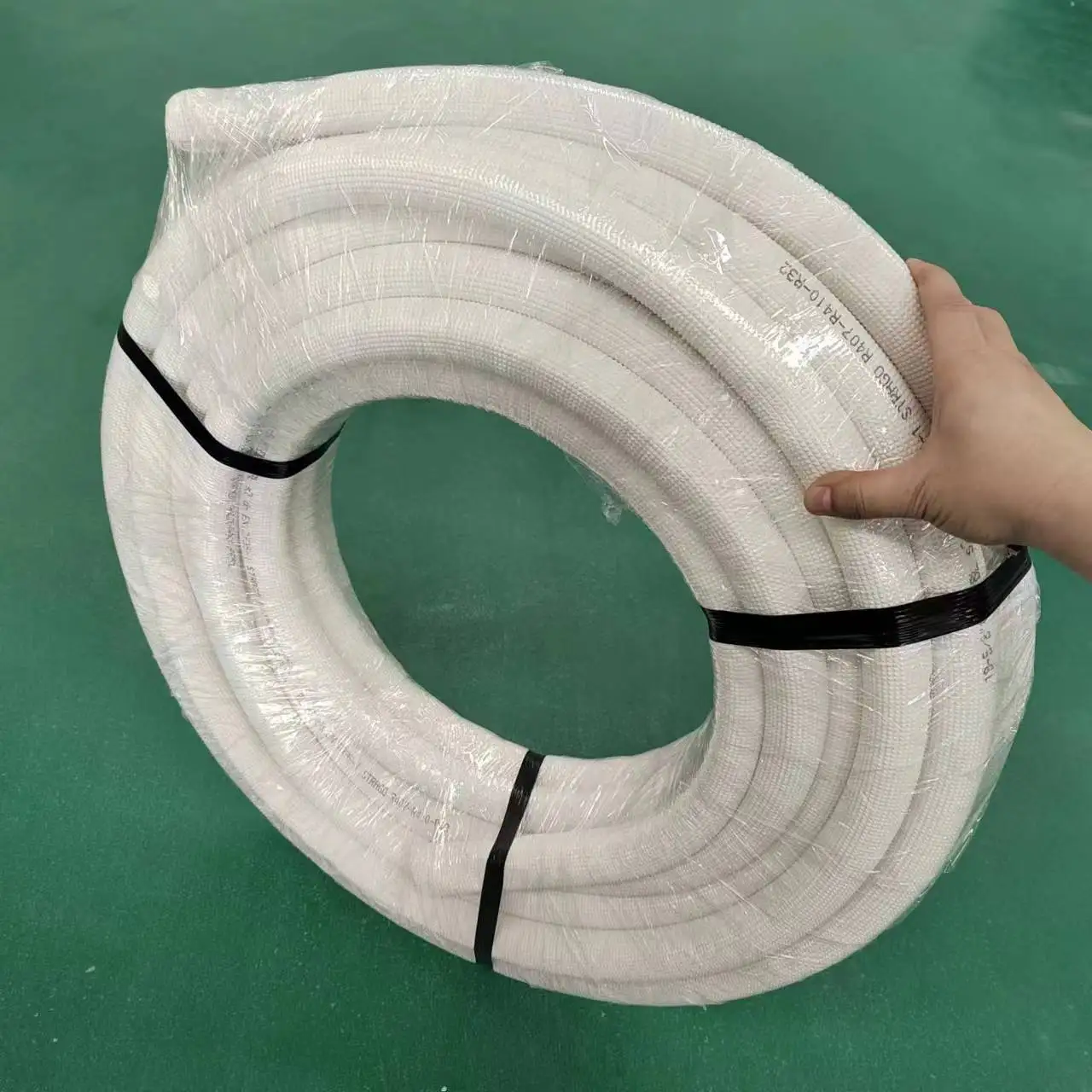
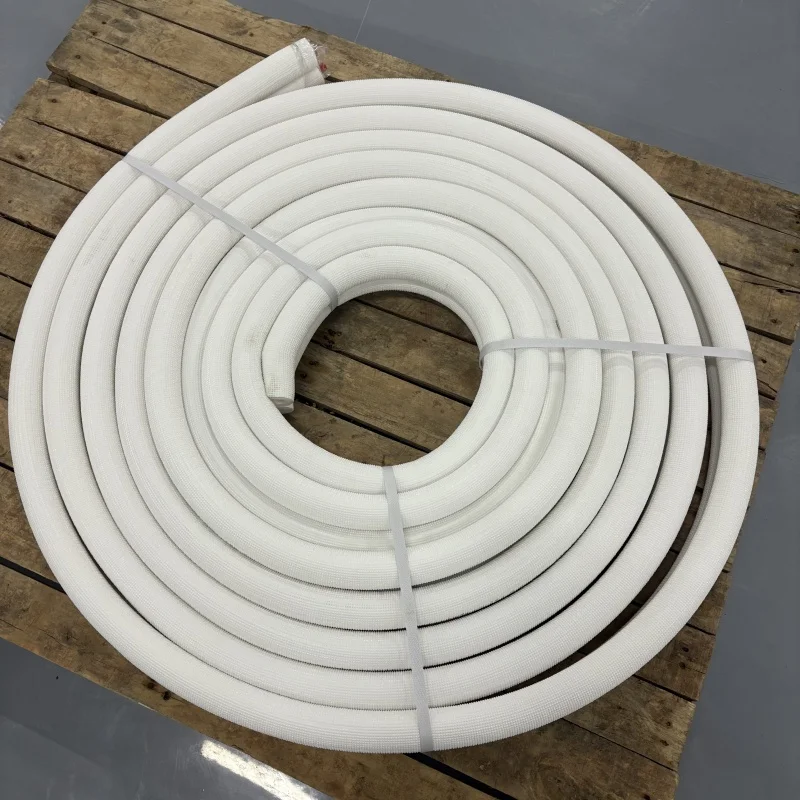
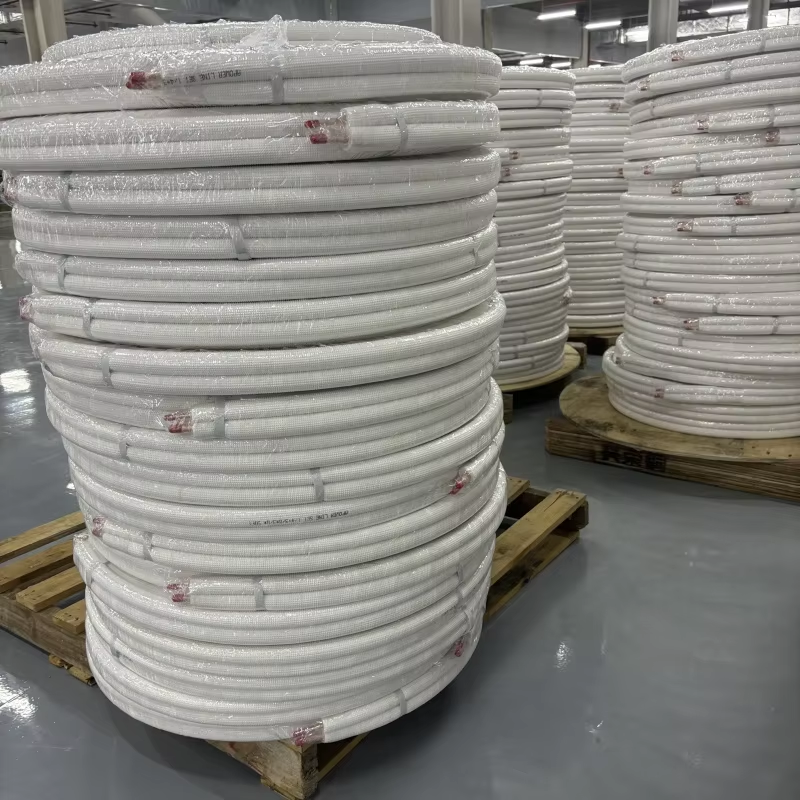
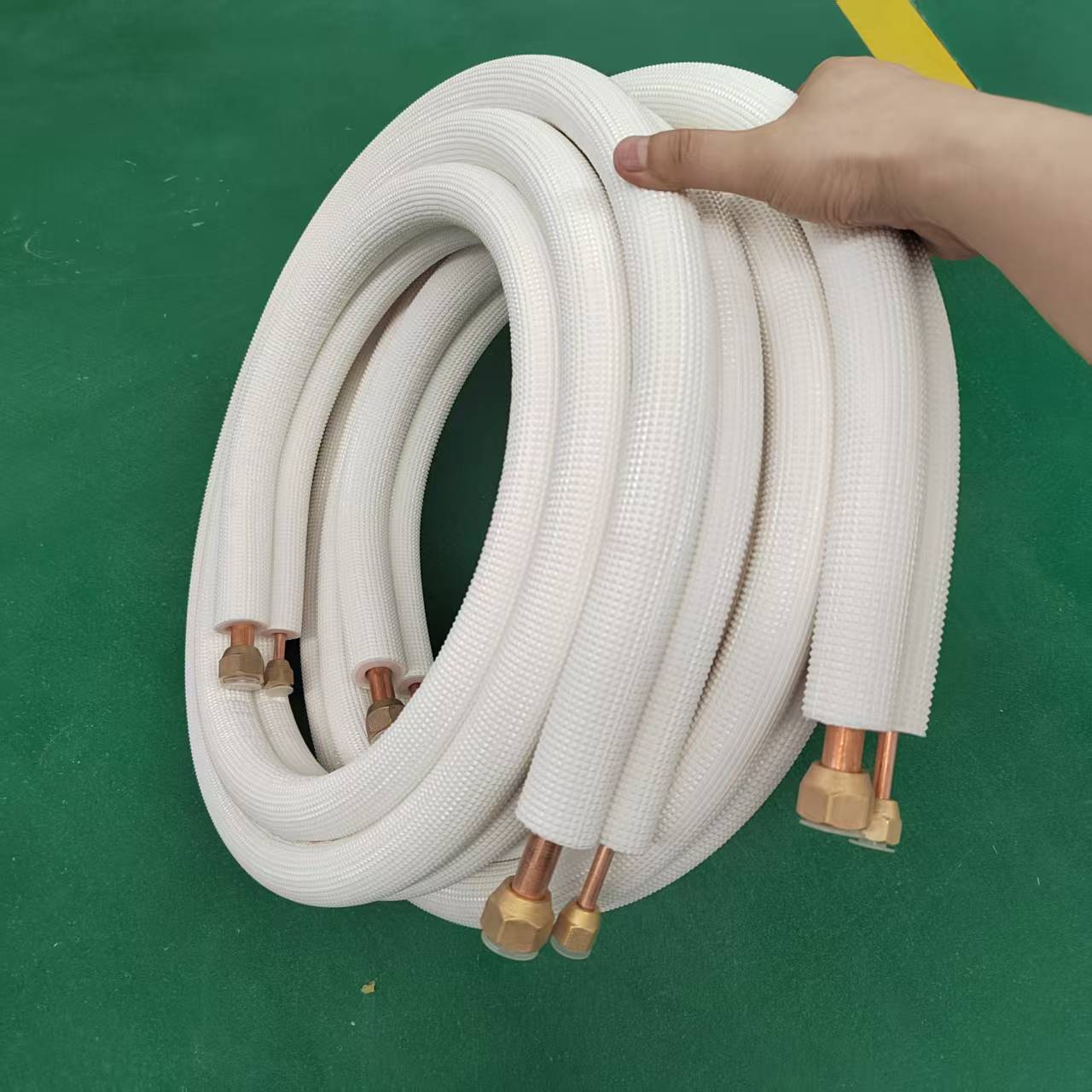
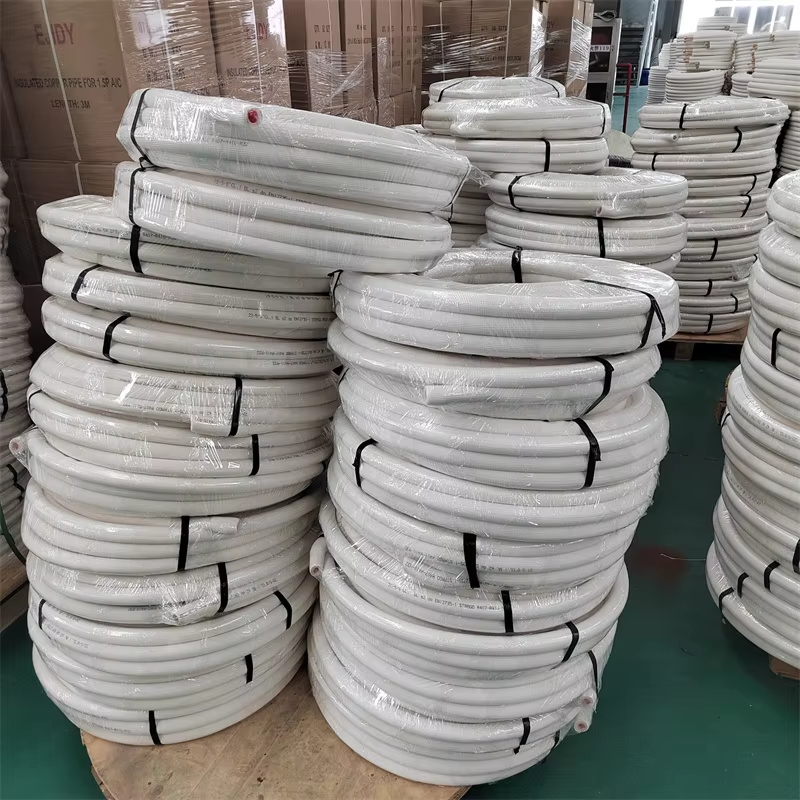
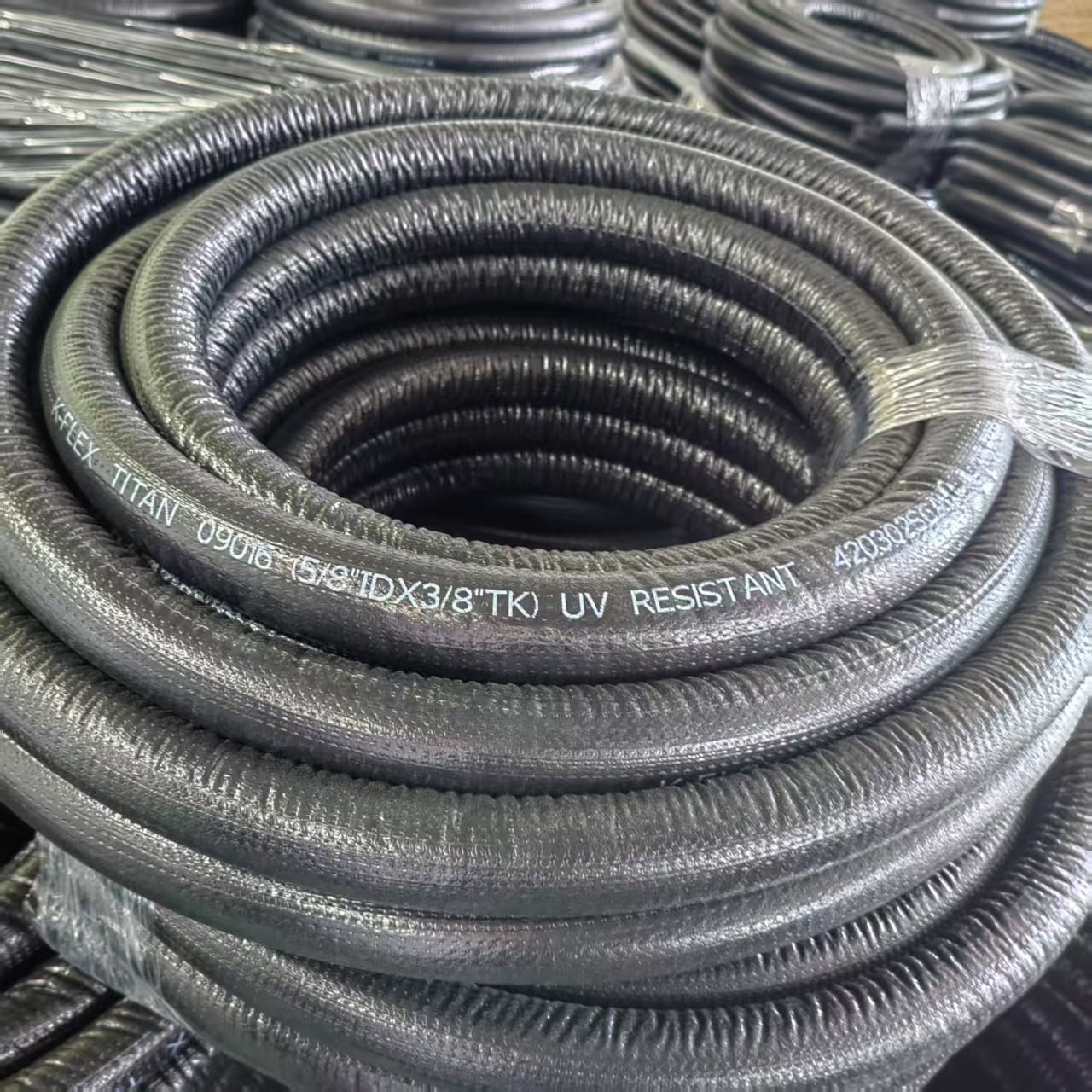
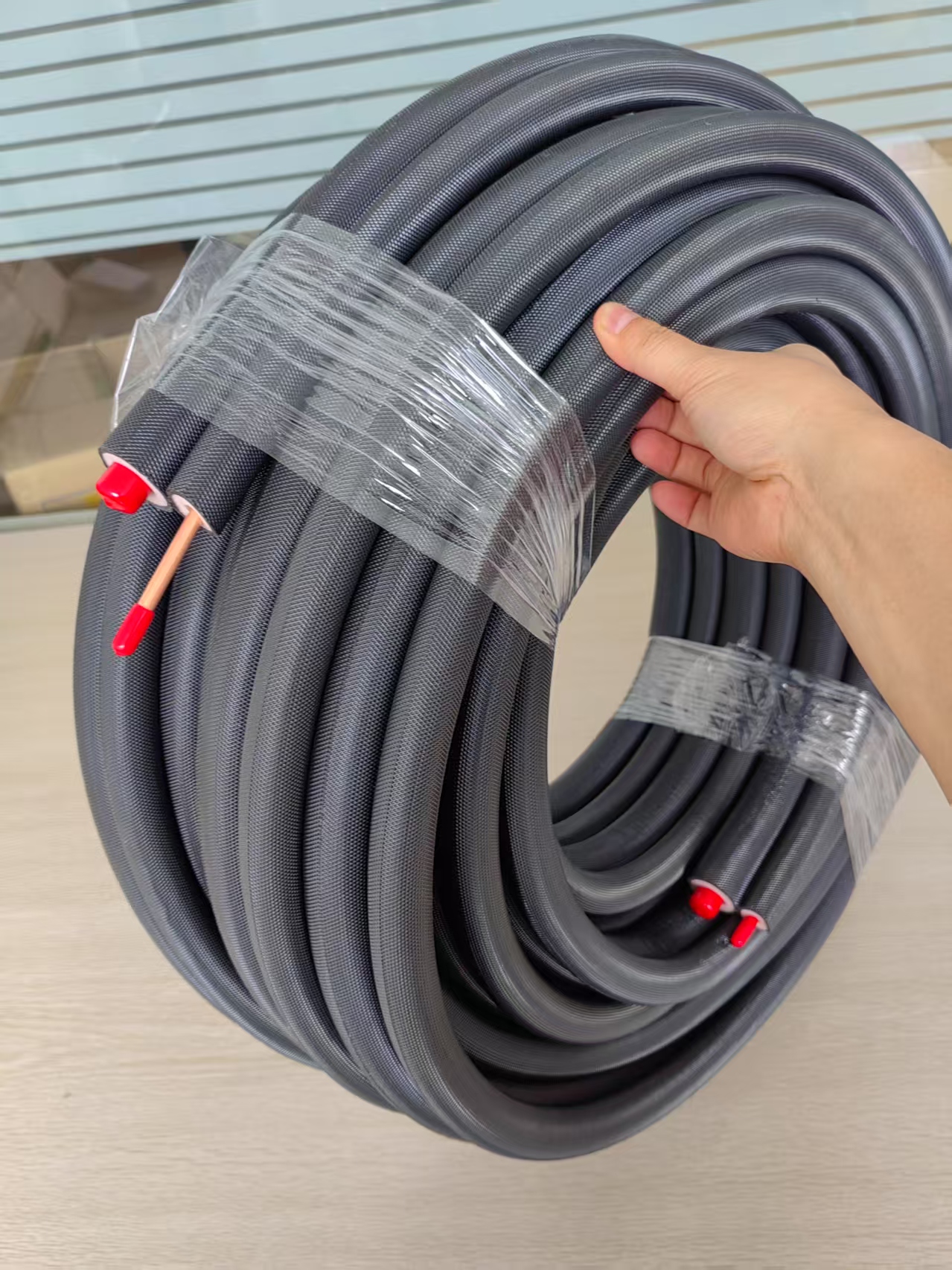
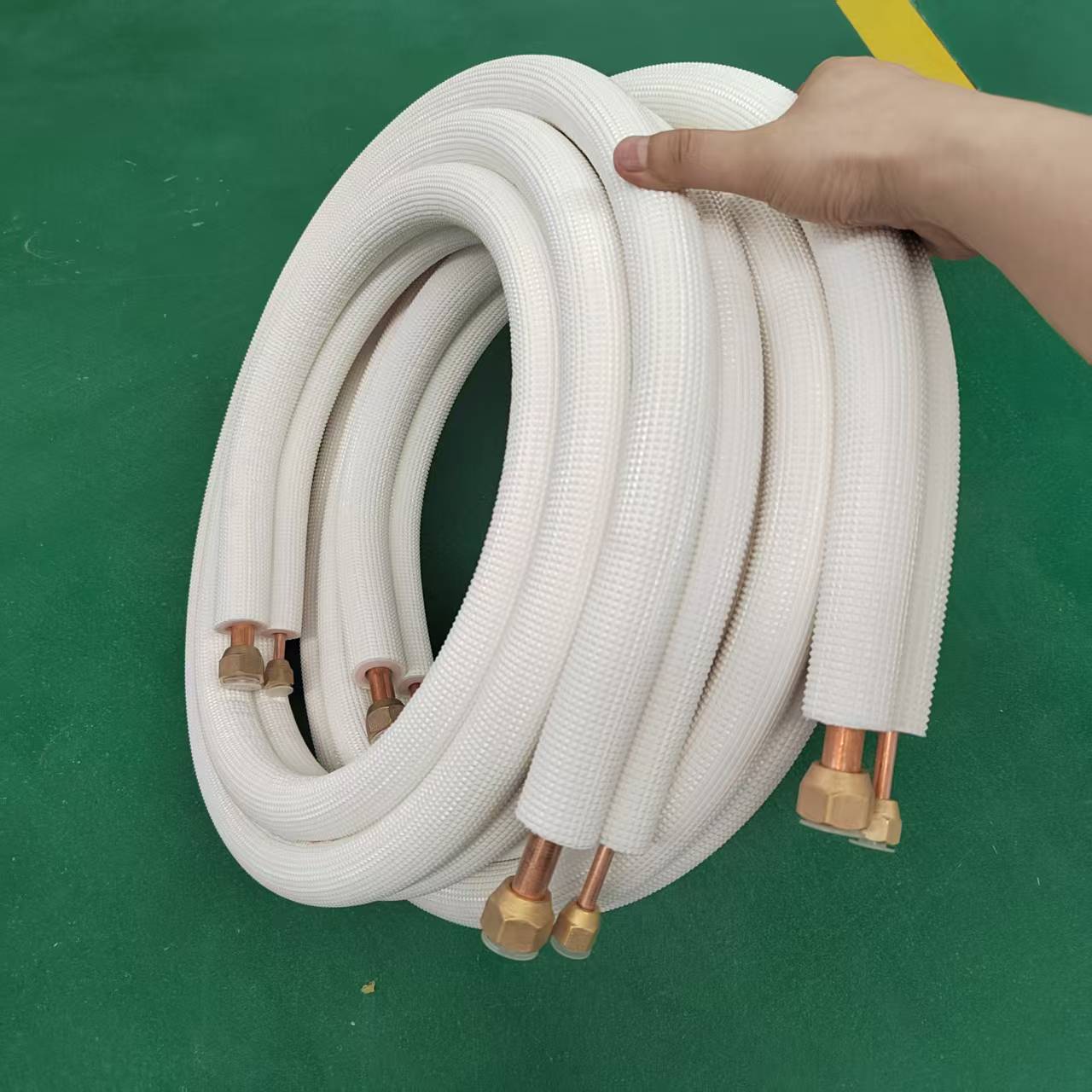
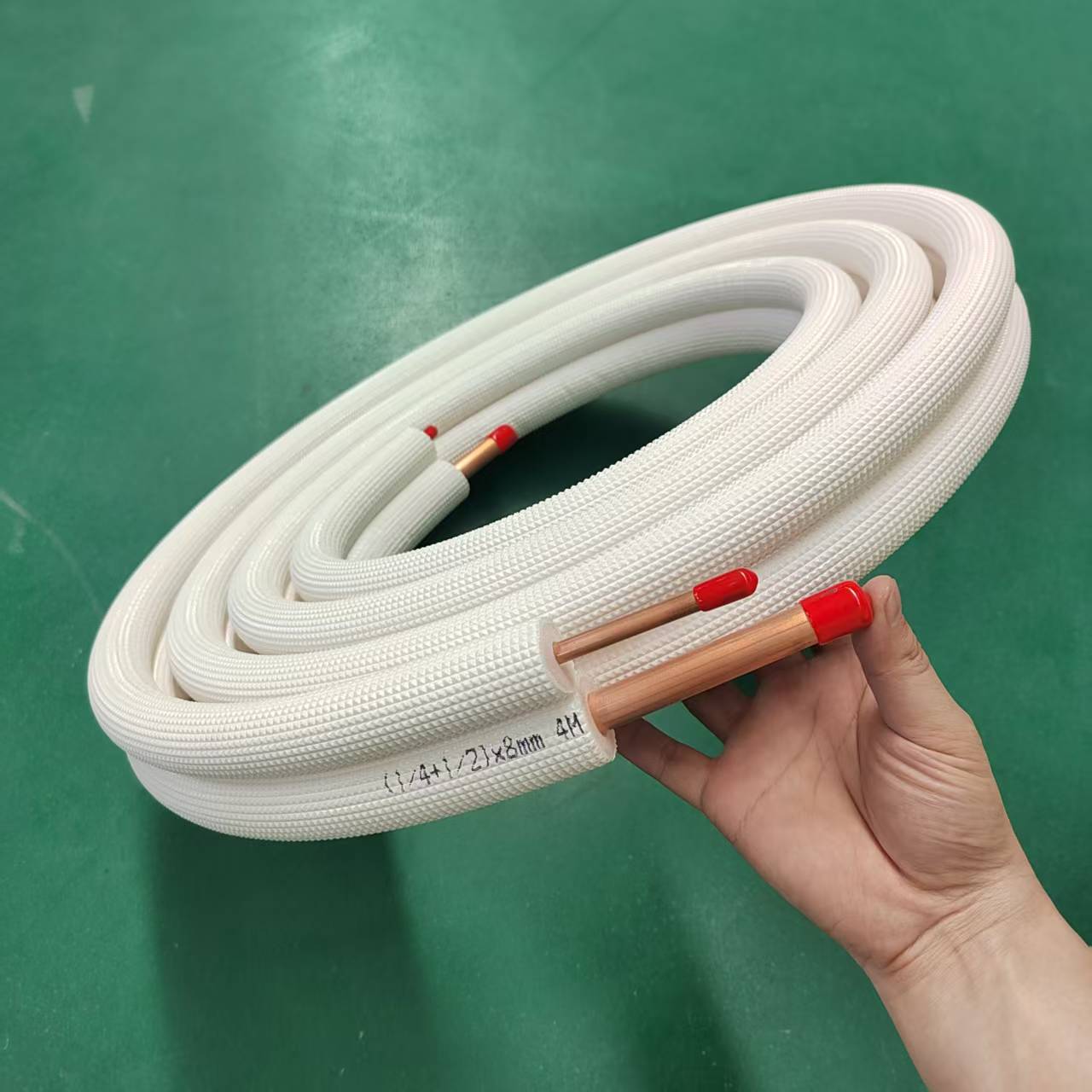
HVAC Copper Pipe: Efficient Climate Control

Get a Free Quote

Our representative will contact you soon.
Email
Name
Company Name
Message
0/1000

hvac copper pipe

HVAC copper pipe is an essential component in heating, ventilation, and air conditioning systems, serving as the primary conduit for refrigerant transmission between indoor and outdoor units. This specialized piping is manufactured from high-purity copper, engineered to withstand the demanding pressures and temperature fluctuations inherent in climate control applications. The main functions of hvac copper pipe include transporting refrigerant gases and liquids, maintaining system pressure integrity, and ensuring efficient thermal transfer throughout the cooling and heating cycles. Technological features of this piping include seamless construction that eliminates weak points, precise wall thickness calibration for optimal performance, and superior malleability that allows for custom installations in complex architectural spaces. The copper material naturally resists corrosion and bacterial growth, contributing to system longevity and maintaining indoor air quality standards. Applications span residential homes, commercial buildings, industrial facilities, and specialized environments such as hospitals and data centers where climate control is mission-critical. Available in various diameters and wall thicknesses, hvac copper pipe accommodates systems ranging from small residential units to large-scale commercial installations. The material's inherent thermal conductivity enhances heat exchange efficiency, directly impacting energy consumption and operational costs. Professional installers prefer copper piping for its reliability, ease of joining through soldering or brazing techniques, and compliance with international safety and performance standards that govern refrigeration and air conditioning installations.

New Product Releases

Choosing hvac copper pipe for your climate control system delivers exceptional value through proven durability that extends equipment lifespan by decades compared to alternative materials. The antimicrobial properties of copper naturally inhibit bacterial and fungal growth inside piping, protecting your indoor air quality without requiring chemical treatments or ongoing maintenance interventions. This translates to healthier living and working environments, particularly important for families, schools, and healthcare facilities. Operational benefits include superior thermal conductivity that maximizes energy efficiency, reducing monthly utility expenses while maintaining consistent temperature control throughout your space. The material withstands extreme temperature variations without brittleness or degradation, performing reliably in both freezing conditions and high-heat environments. Installation flexibility stands out as a practical advantage, since hvac copper pipe bends easily around obstacles without requiring numerous fittings, reducing potential leak points and installation time. This workability lowers labor costs during initial installation and simplifies future repairs or system expansions. The piping maintains structural integrity under high refrigerant pressures, preventing catastrophic failures that could damage equipment or require emergency repairs. Application suitability extends across all system types, from residential split systems to commercial rooftop units and industrial process cooling. The material's recyclability supports sustainability goals, as copper retains full value and performance characteristics through multiple recycling cycles. Decision-useful context includes the fact that while initial material costs may exceed plastic alternatives, the total lifetime value proposition favors copper through reduced maintenance, fewer replacements, and lower energy consumption. Insurance providers and building codes often prefer or require copper installations, potentially affecting property values and insurability. The standardized sizing and wide availability of hvac copper pipe ensure compatibility with all major equipment brands and simplify parts sourcing for repairs.

Tips And Tricks

How Can a Properly Sized Copper Line Set Improve Your Air Conditioning System's Efficiency?

20

Jan

How Can a Properly Sized Copper Line Set Improve Your Air Conditioning System's Efficiency?

Air conditioning systems rely on precise engineering and high-quality components to deliver optimal performance throughout demanding cooling seasons. Among the most critical yet often overlooked components is the copper line set, which serves as the ...
View More
How to Protect Your Copper Line Set from Corrosion and Damage During and After Installation?

20

Jan

How to Protect Your Copper Line Set from Corrosion and Damage During and After Installation?

Copper line sets form the backbone of HVAC systems, carrying refrigerant between indoor and outdoor units with exceptional efficiency and reliability. However, these critical components face constant threats from environmental factors, physical damag...
View More
Is Your HVAC System's Efficiency Secret in the Line Set?

10

Feb

Is Your HVAC System's Efficiency Secret in the Line Set?

Modern HVAC systems rely heavily on efficient refrigerant transport, and the secret to optimal performance often lies in the quality of the hvac insulated copper pipe connecting indoor and outdoor units. These critical components serve as the circula...
View More
What Insulation Thickness in a Copper Line Set Prevents Energy Loss and Condensation?

18

Mar

What Insulation Thickness in a Copper Line Set Prevents Energy Loss and Condensation?

Understanding the proper copper line set insulation thickness is crucial for maintaining energy efficiency and preventing costly condensation issues in HVAC systems. The thickness of insulation directly impacts the system's performance, operational c...
View More

Get a Free Quote

Our representative will contact you soon.
Email
Name
Company Name
Message
0/1000

hvac copper pipe

Superior Heat Transfer Efficiency

Superior Heat Transfer Efficiency

The exceptional thermal conductivity of hvac copper pipe directly enhances system performance by facilitating rapid and efficient heat exchange between refrigerant and surrounding air. This fundamental property means cooling and heating occur faster, reducing compressor runtime and electrical consumption compared to systems using less conductive materials. The molecular structure of copper allows thermal energy to move through pipe walls with minimal resistance, ensuring refrigerant reaches optimal temperature states quickly during phase changes. This efficiency becomes particularly valuable in commercial applications where energy costs constitute significant operational expenses, delivering measurable savings that accumulate over years of operation. The consistent heat transfer characteristics remain stable throughout the pipe's service life, unlike coated or composite materials that may degrade and reduce efficiency over time. For building owners and facility managers, this translates to predictable performance metrics and reliable return on investment calculations. The enhanced efficiency also reduces environmental impact by lowering overall energy demand, aligning with corporate sustainability initiatives and green building certification requirements that increasingly influence construction and renovation decisions.
Exceptional Durability and Longevity

Exceptional Durability and Longevity

HVAC copper pipe demonstrates remarkable resistance to degradation from refrigerants, moisture, and environmental factors, regularly achieving service lives exceeding fifty years in properly maintained systems. The material does not become brittle with age, crack under thermal cycling, or deteriorate from UV exposure when installed in outdoor applications. This longevity eliminates the expense and disruption of premature pipe replacement, providing budget certainty for property managers and homeowners planning long-term maintenance schedules. The inherent strength of copper withstands vibration from compressor operation without developing stress fractures, a common failure mode in more brittle piping materials. Corrosion resistance extends to both internal and external surfaces, maintaining smooth interior walls that prevent refrigerant contamination and preserve system efficiency throughout decades of operation. The proven track record of hvac copper pipe in diverse climates and applications provides confidence for critical installations where system failure carries high costs, such as pharmaceutical storage, computer server rooms, and food processing facilities. Unlike materials requiring protective coatings or cathodic protection, copper performs reliably with minimal intervention, reducing lifecycle costs and maintenance complexity while delivering consistent climate control performance year after year.
Installation Versatility and Reliability

Installation Versatility and Reliability

The superior workability of hvac copper pipe enables installers to create custom routing solutions that navigate complex building structures without compromising system integrity or performance. The material bends smoothly around corners and obstacles using standard tools, reducing the number of joints and fittings required compared to rigid piping systems. Fewer connections mean fewer potential leak points, enhancing overall system reliability and reducing callback risks for contractors. Proven joining methods including soldering, brazing, and mechanical fittings provide options suited to different installation environments and skill levels while maintaining robust, leak-resistant connections. The dimensional stability of copper ensures fittings mate properly without gaps or misalignments that could compromise joint integrity. Professional technicians value the material's predictable behavior during installation, allowing accurate time and material estimates that keep projects on schedule and within budget. The widespread familiarity with copper installation techniques across the trades ensures qualified labor availability in all geographic markets, avoiding delays from specialized skill requirements. For renovation projects, hvac copper pipe integrates seamlessly with existing copper infrastructure, simplifying system upgrades without requiring complete piping replacement. The material's fire resistance provides additional safety benefits, maintaining structural integrity during building fires and potentially preventing refrigerant release that could complicate evacuation or firefighting efforts.
HVAC Copper Pipe: Efficient Climate Control

Get a Free Quote

Our representative will contact you soon.
Email
Name
Company Name
Message
0/1000