Copper Tubing Types Guide - Choose the Right One

Get a Free Quote

Our representative will contact you soon.
Email
Name
Company Name
Message
0/1000

copper tubing types

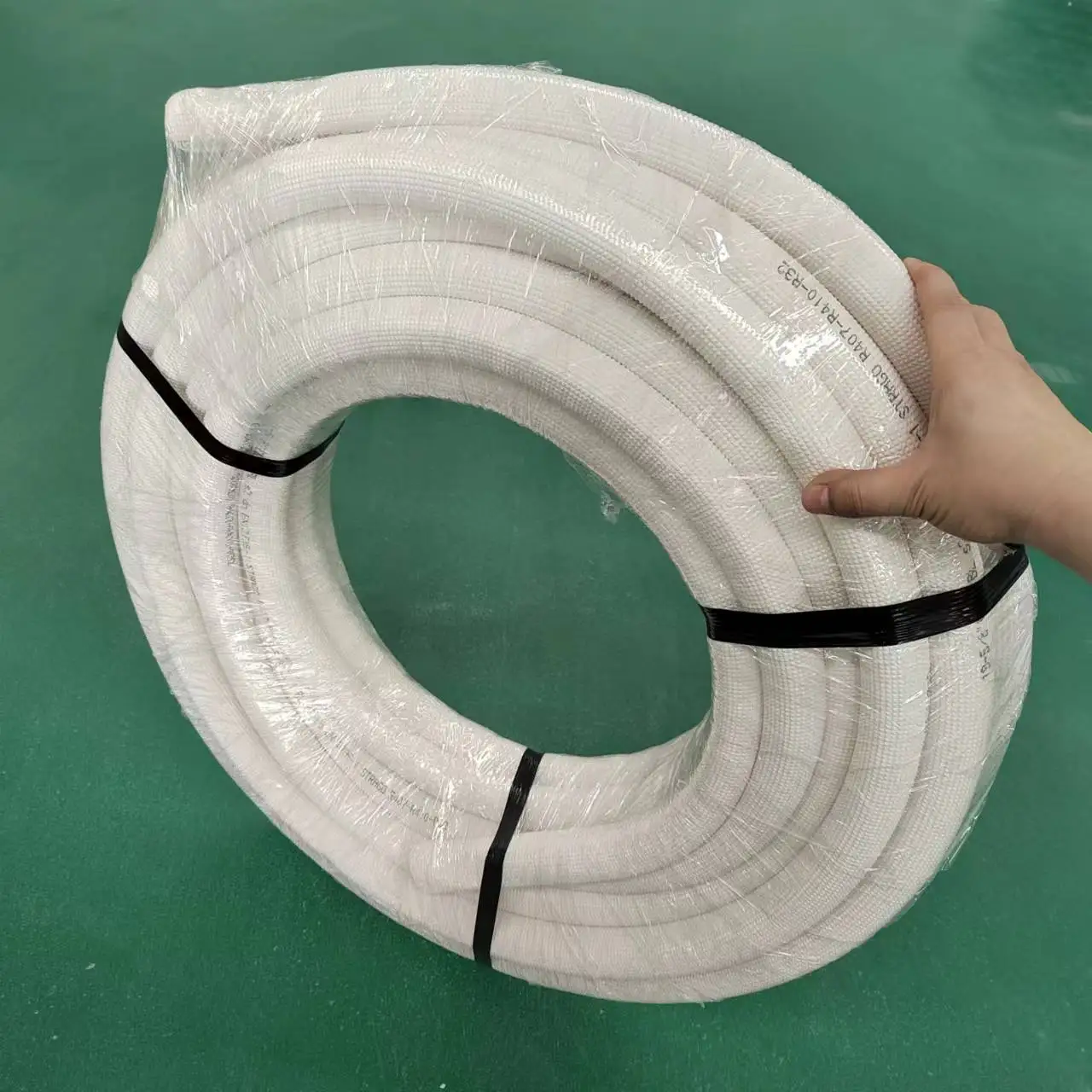
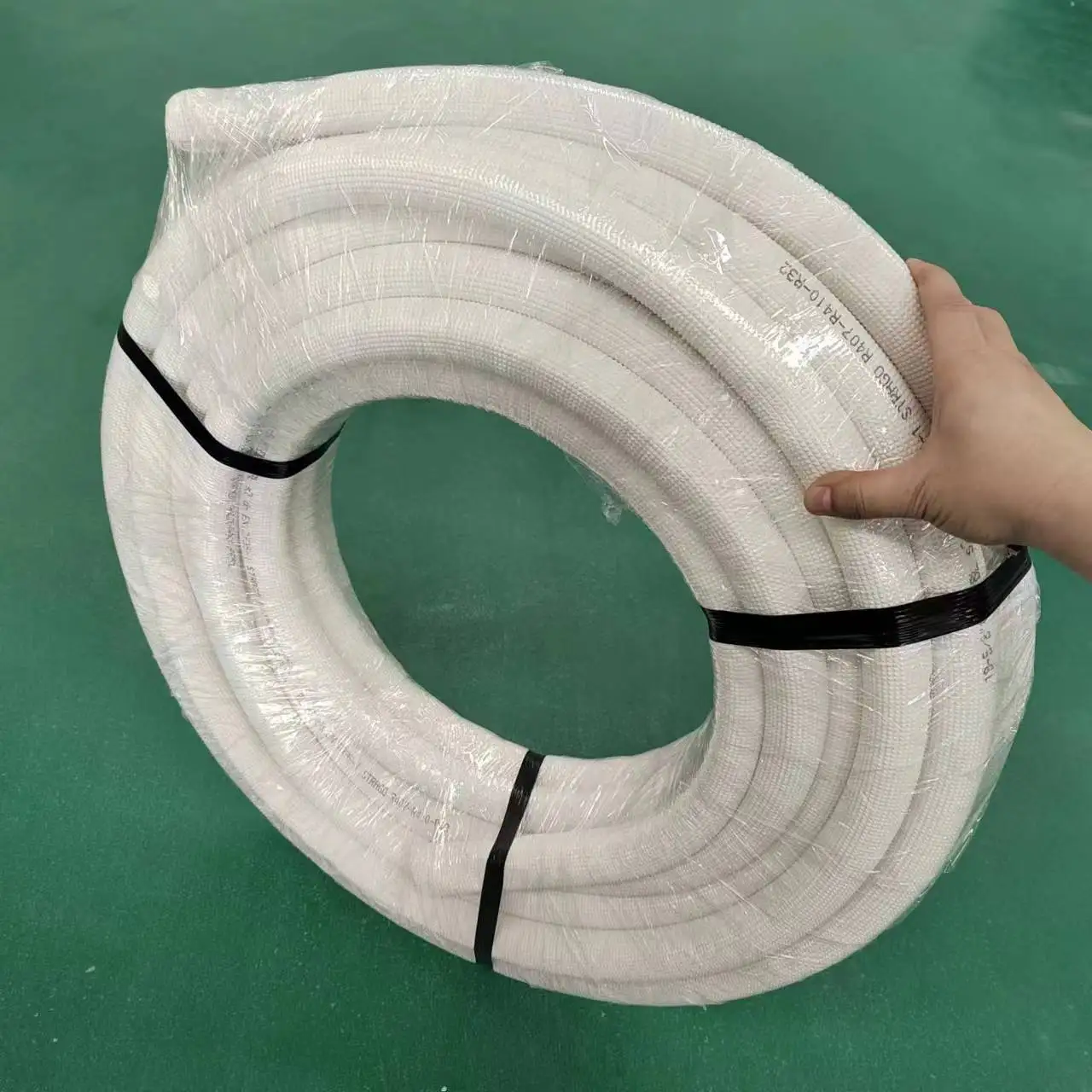
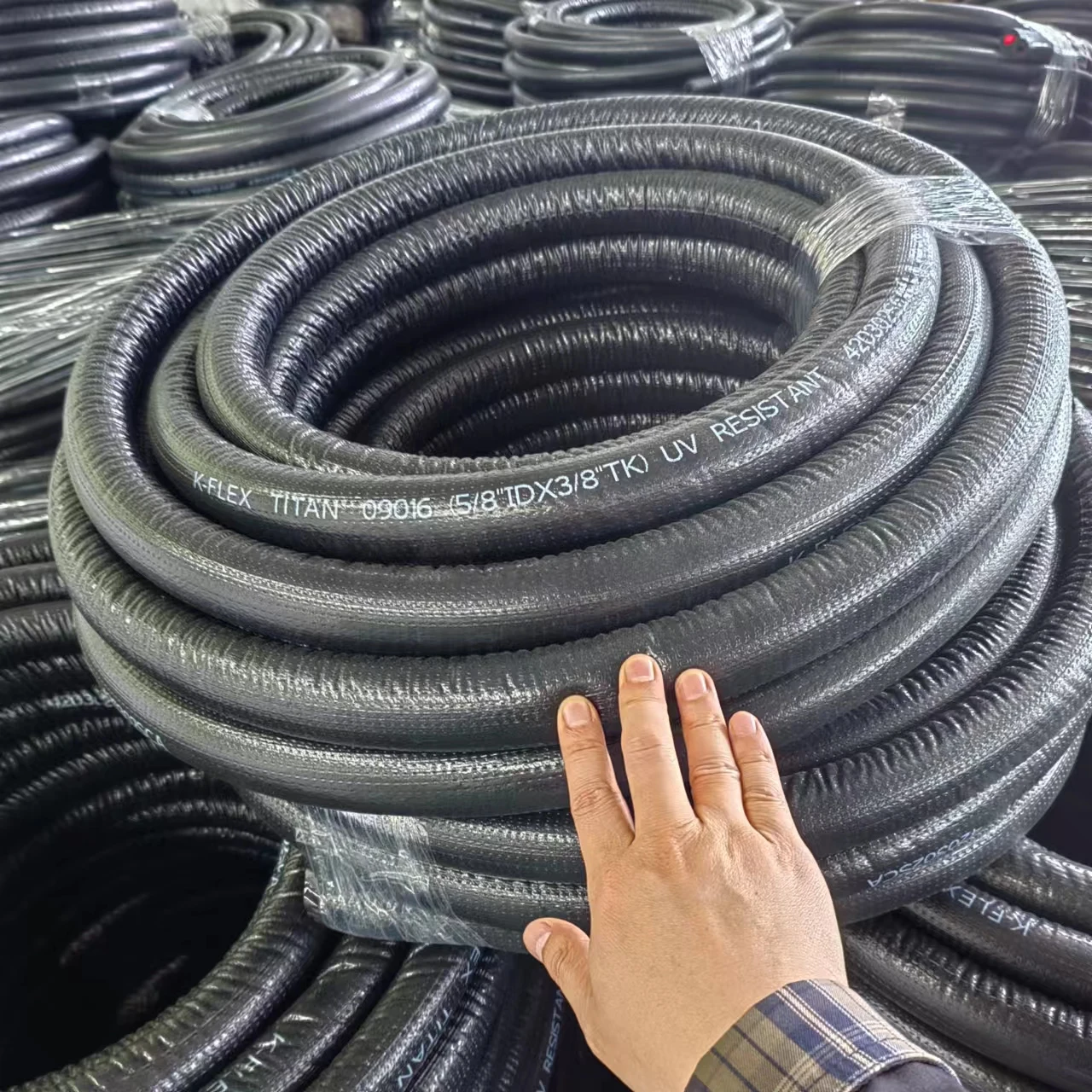
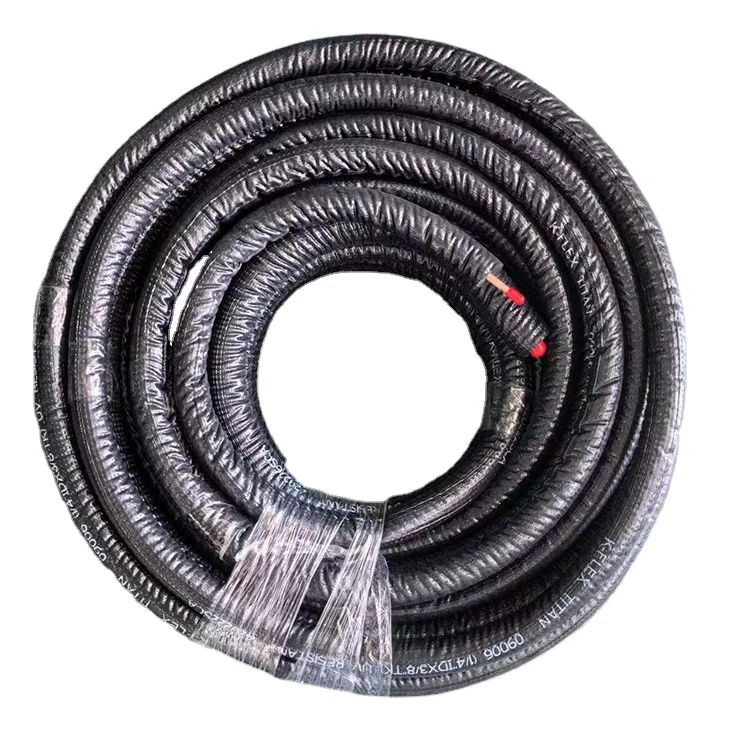
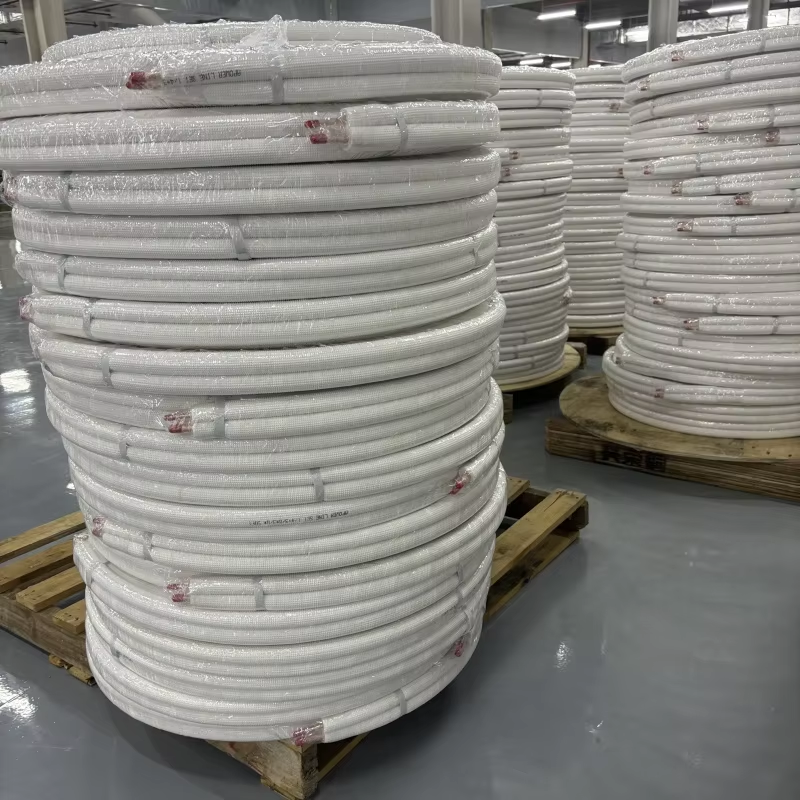
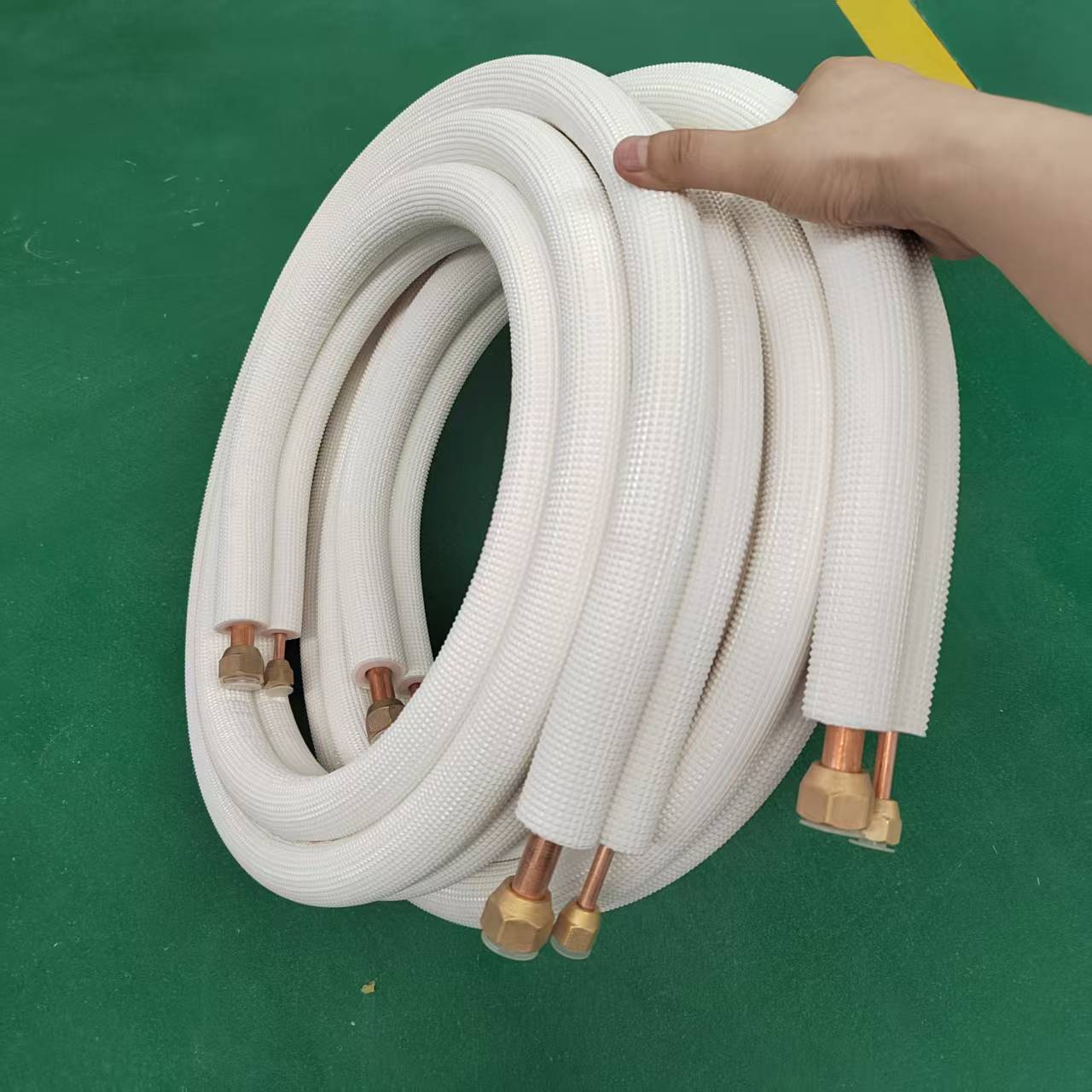
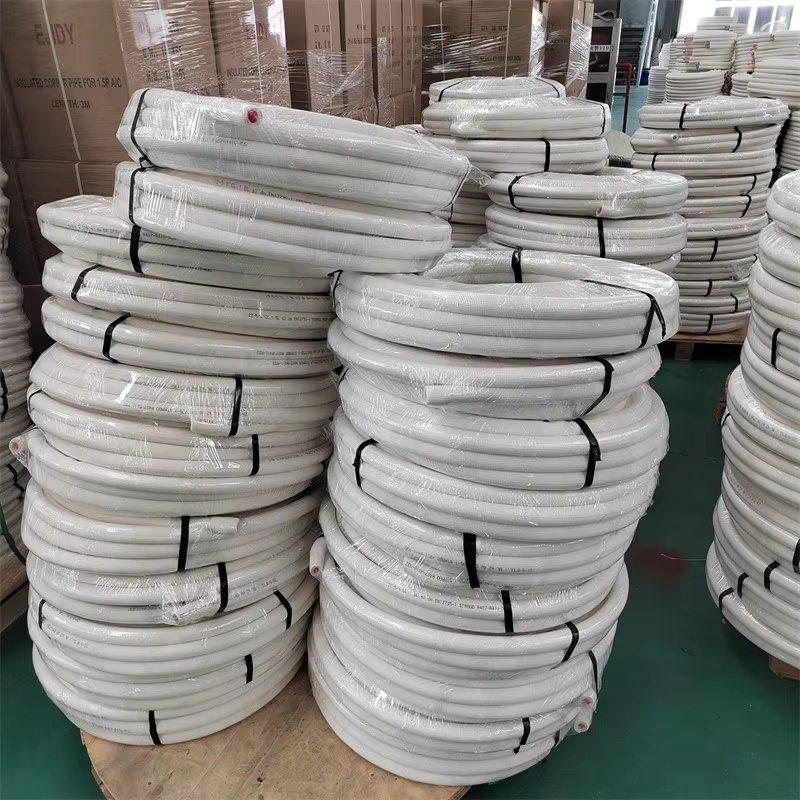
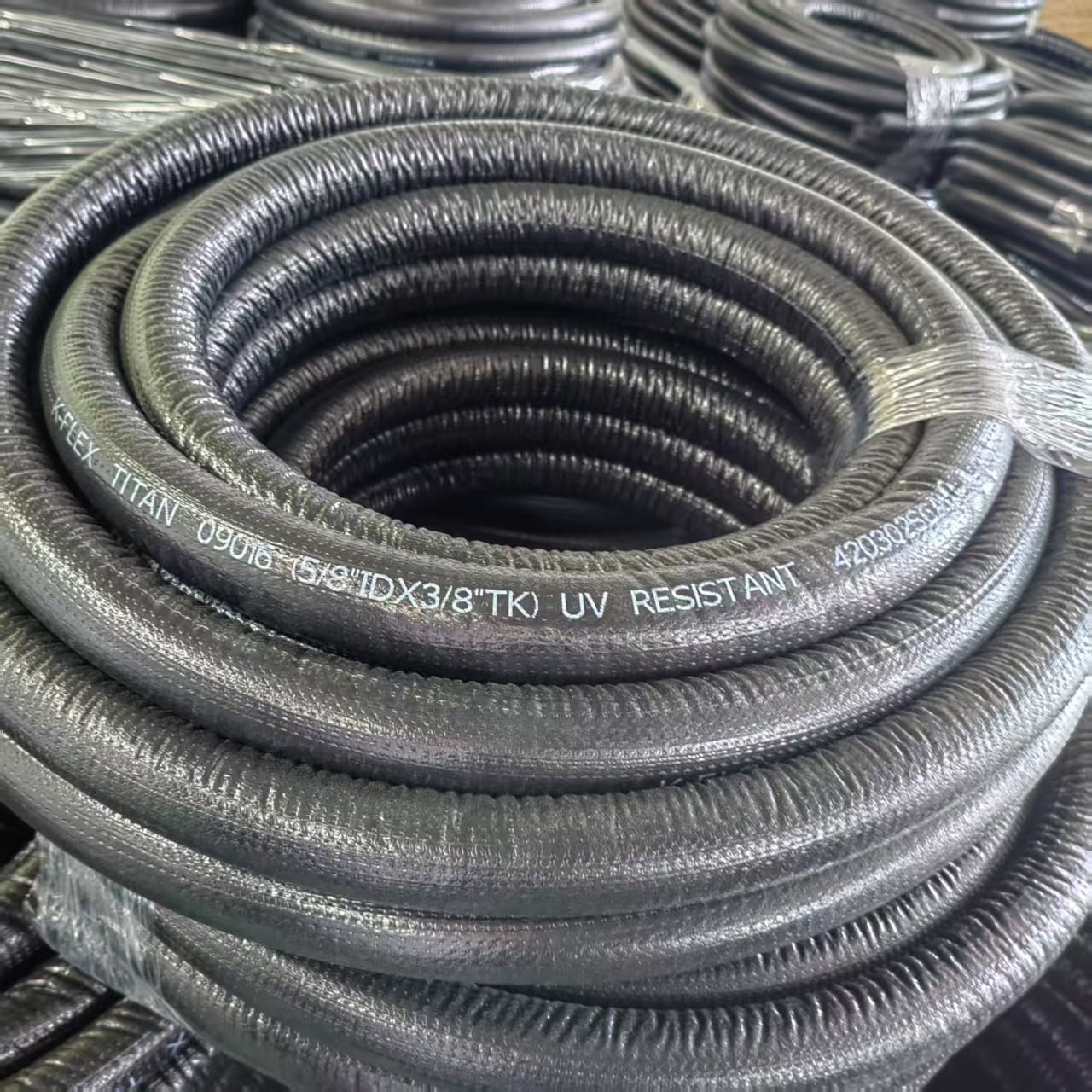
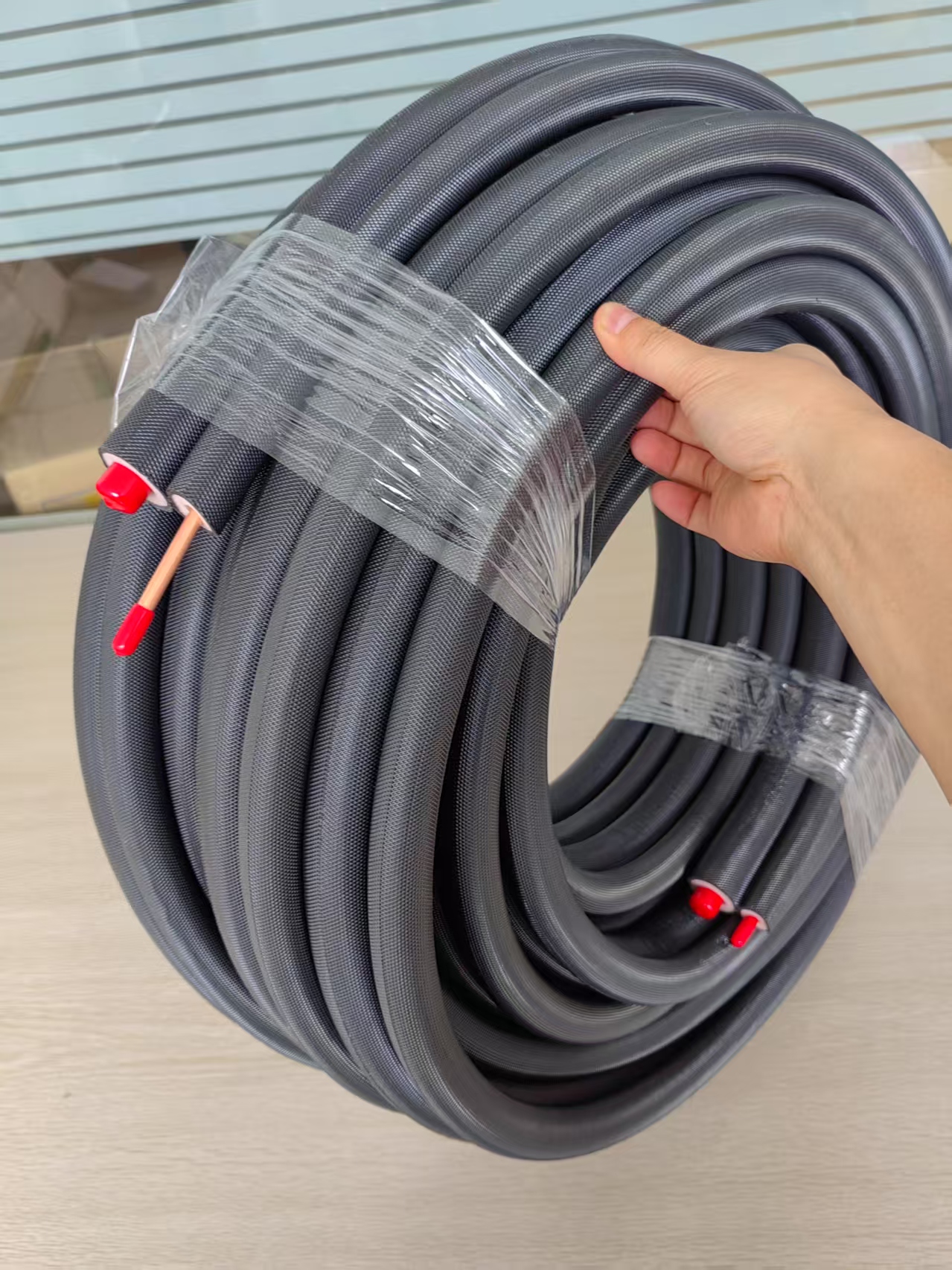
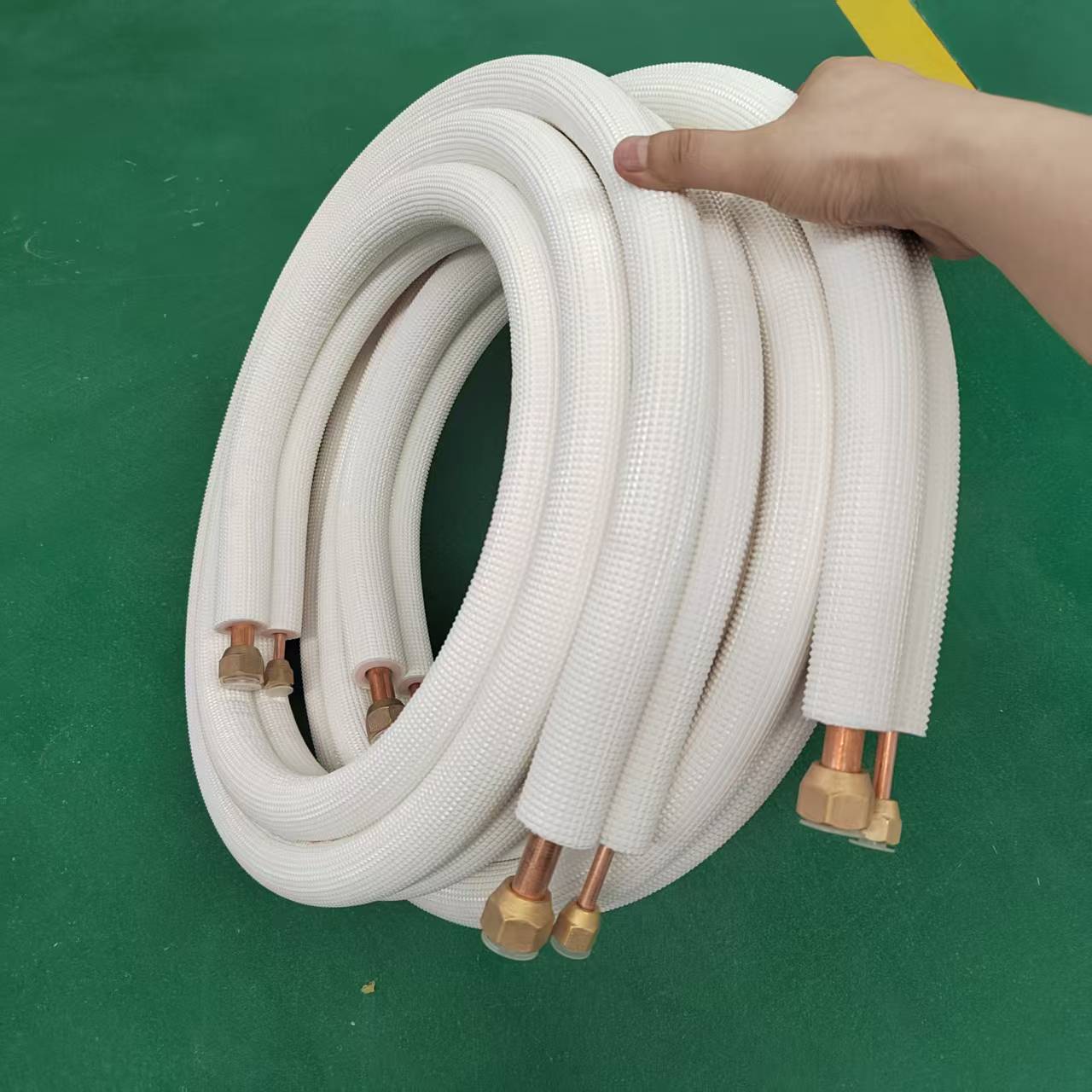
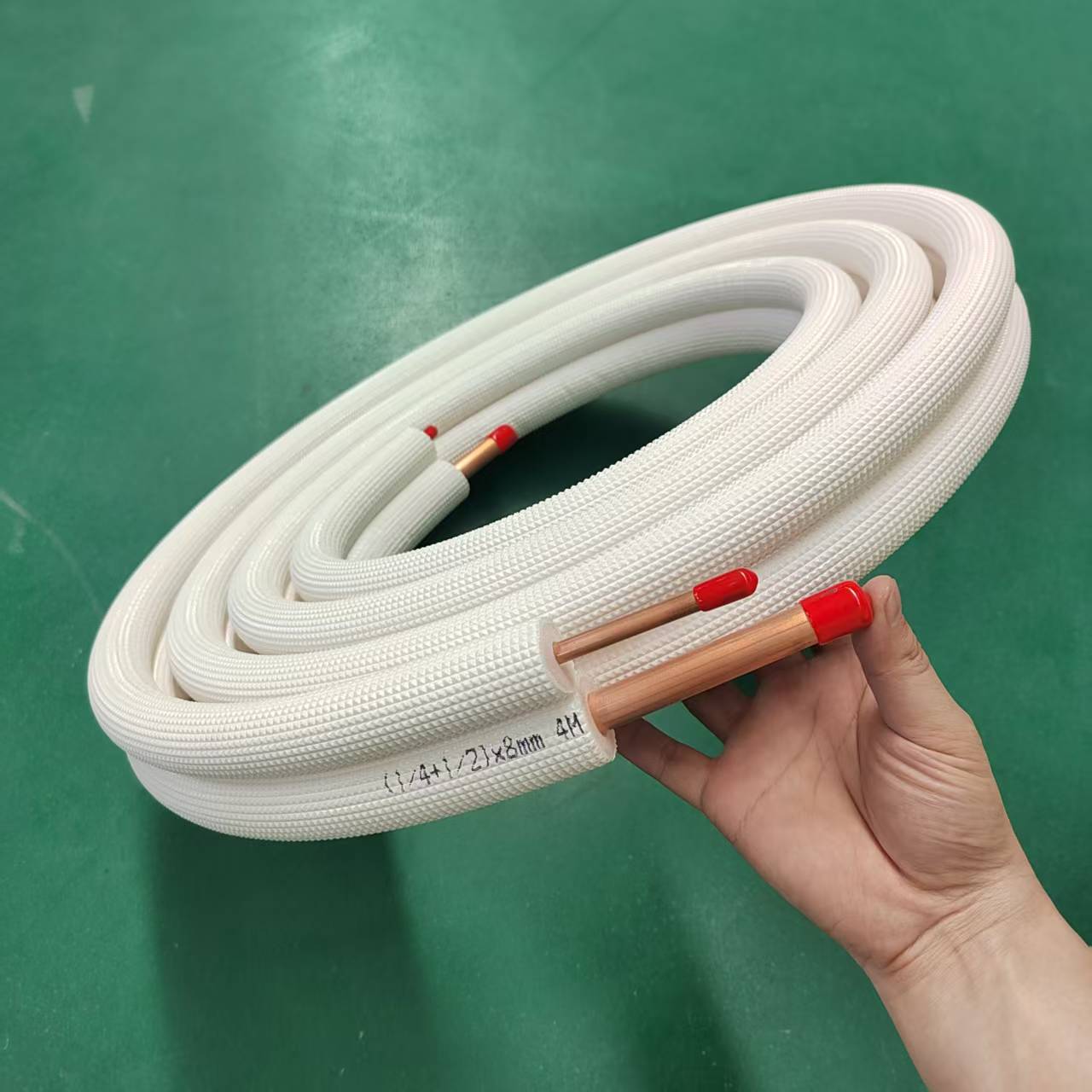
Copper tubing types are essential components in plumbing, HVAC, refrigeration, and industrial systems worldwide. Understanding the different copper tubing types available helps professionals and homeowners select the right solution for their specific applications. The most common copper tubing types include Type K, Type L, Type M, and Type DWV, each distinguished by wall thickness and pressure rating. Type K features the thickest walls and highest durability, making it ideal for underground installations and high-pressure applications. Type L offers medium wall thickness and serves as the standard for residential water supply lines and commercial plumbing systems. Type M has thinner walls and works well for low-pressure residential applications where cost efficiency matters. Type DWV is specifically designed for drain, waste, and vent systems. Beyond these standard classifications, copper tubing types also include soft and hard tempers. Soft copper tubing bends easily without fittings, perfect for tight spaces and custom routing. Hard copper tubing provides superior strength and maintains straight runs in exposed installations. Additionally, specialized copper tubing types serve medical gas systems, solar heating, natural gas distribution, and air conditioning applications. Each type meets specific industry standards and building codes, ensuring safety and performance. The versatility of copper tubing types stems from copper's natural antimicrobial properties, corrosion resistance, and heat conductivity. Whether for new construction or renovation projects, selecting appropriate copper tubing types ensures system longevity, efficiency, and compliance with regulatory requirements across residential, commercial, and industrial sectors.

New Products

Choosing the right copper tubing types delivers significant practical benefits that directly impact your project success and long-term savings. First, copper tubing types offer exceptional durability that outlasts alternative materials, with many installations functioning flawlessly for over 50 years without replacement. This longevity reduces maintenance costs and eliminates frequent repairs that plague plastic or steel systems. The natural corrosion resistance of copper tubing types means they withstand harsh water conditions, extreme temperatures, and chemical exposure without degrading or leaching harmful substances into your water supply. For health-conscious buyers, copper tubing types provide peace of mind through inherent antimicrobial properties that inhibit bacterial growth, including dangerous pathogens like E. coli and Legionella. Installation flexibility represents another major advantage, as different copper tubing types accommodate various project requirements from underground service lines to delicate indoor routing. Soft copper bends easily around obstacles, reducing fitting costs and installation time, while rigid copper tubing types maintain structural integrity in exposed applications. The superior heat conductivity of copper tubing types enhances energy efficiency in heating and cooling systems, lowering operational costs throughout the system's lifetime. Environmental responsibility also factors into the decision, since copper tubing types are 100 percent recyclable without quality loss, supporting sustainable building practices. Fire resistance provides critical safety advantages, as copper tubing types will not burn or release toxic fumes during fires. The proven track record of copper tubing types across diverse applications gives buyers confidence in their investment, while universal availability and standardized sizing simplify sourcing and future expansions. These operational benefits combine to deliver superior value that justifies the initial investment through reduced lifetime costs and enhanced system performance.

Practical Tips

How Can a Properly Sized Copper Line Set Improve Your Air Conditioning System's Efficiency?

20

Jan

How Can a Properly Sized Copper Line Set Improve Your Air Conditioning System's Efficiency?

Air conditioning systems rely on precise engineering and high-quality components to deliver optimal performance throughout demanding cooling seasons. Among the most critical yet often overlooked components is the copper line set, which serves as the ...
View More
How to Protect Your Copper Line Set from Corrosion and Damage During and After Installation?

20

Jan

How to Protect Your Copper Line Set from Corrosion and Damage During and After Installation?

Copper line sets form the backbone of HVAC systems, carrying refrigerant between indoor and outdoor units with exceptional efficiency and reliability. However, these critical components face constant threats from environmental factors, physical damag...
View More
How to Properly Store and Handle Copper Pair Coils to Prevent Twisting or Performance Degradation?

20

Jan

How to Properly Store and Handle Copper Pair Coils to Prevent Twisting or Performance Degradation?

The proper storage and handling of copper pair coils is essential for maintaining optimal HVAC system performance and preventing costly installation issues. These specialized coils, commonly used in air conditioning and refrigeration applications, re...
View More
Why Choose a Copper Line Set for Superior HVAC Durability?

10

Feb

Why Choose a Copper Line Set for Superior HVAC Durability?

When selecting components for heating, ventilation, and air conditioning systems, professionals consistently prioritize materials that deliver exceptional performance, longevity, and reliability. A copper line set represents the gold standard in HVAC...
View More

Get a Free Quote

Our representative will contact you soon.
Email
Name
Company Name
Message
0/1000

copper tubing types

Superior Wall Thickness Options Across Copper Tubing Types

Superior Wall Thickness Options Across Copper Tubing Types

The engineered wall thickness variations across different copper tubing types represent a critical design feature that directly addresses specific pressure requirements and installation environments. Type K copper tubing provides the thickest walls among standard copper tubing types, delivering maximum strength for demanding applications such as underground water mains, fire protection systems, and areas subject to physical stress or soil corrosion. This robust construction withstands higher pressures and external forces that would compromise thinner alternatives. Type L copper tubing strikes an optimal balance between strength and cost-effectiveness, making it the preferred choice for interior plumbing systems in residential and commercial buildings where moderate pressure handling suffices. Type M features thinner walls suitable for low-pressure residential applications, offering economical solutions without sacrificing copper's inherent benefits. This graduated thickness approach across copper tubing types allows builders and contractors to match material specifications precisely to project demands, avoiding over-engineering that wastes resources while ensuring adequate performance margins. The ability to select appropriate wall thickness from available copper tubing types optimizes material costs across large projects while maintaining safety standards and code compliance, demonstrating how thoughtful engineering creates practical value for diverse applications.
Flexible Temper Options in Copper Tubing Types

Flexible Temper Options in Copper Tubing Types

The availability of both soft and hard tempers across copper tubing types provides unmatched installation versatility that significantly reduces labor costs and simplifies complex routing challenges. Soft copper tubing arrives in coils and bends easily by hand, allowing installers to navigate around obstacles, through walls, and across irregular spaces without requiring numerous fittings or joints. This flexibility proves invaluable in renovation projects where existing structures limit access and in applications like refrigeration lines where custom routing is essential. Fewer fittings mean fewer potential leak points, enhancing system reliability while reducing material and installation expenses. Hard copper tubing types maintain rigidity and straight runs, offering superior structural support for exposed installations where appearance and stability matter. These rigid copper tubing types resist sagging and provide a professional finished appearance in visible applications. The choice between tempers within copper tubing types enables contractors to optimize installation approaches based on specific site conditions and project requirements. Soft copper excels in retrofit situations and tight mechanical rooms, while hard copper serves exposed risers and horizontal runs perfectly. This dual-temper availability across copper tubing types demonstrates copper's adaptability to diverse installation scenarios, empowering professionals to select the most efficient approach for each unique situation while maintaining consistent material quality and performance characteristics throughout the entire system.
Specialized Applications for Different Copper Tubing Types

Specialized Applications for Different Copper Tubing Types

Beyond standard plumbing applications, various copper tubing types serve specialized industries with unique performance requirements, expanding their value proposition across multiple sectors. Medical gas systems rely on specific copper tubing types manufactured to stringent purity standards, ensuring patient safety in hospitals and healthcare facilities where contamination risks cannot be tolerated. These medical-grade copper tubing types undergo rigorous testing and cleaning processes that prevent particulate contamination in oxygen, nitrogen, and other critical gas delivery systems. Refrigeration and air conditioning systems utilize specific copper tubing types engineered for refrigerant compatibility, with appropriate wall thickness to contain pressurized refrigerants while facilitating efficient heat transfer. ACR copper tubing arrives cleaned, dehydrated, and sealed to prevent moisture or contaminants from entering refrigeration circuits. Solar heating installations employ copper tubing types that withstand prolonged exposure to high temperatures and thermal cycling without degradation. Natural gas distribution relies on approved copper tubing types that safely contain combustible gases while resisting corrosion from soil conditions. These specialized applications demonstrate how different copper tubing types address unique technical challenges across diverse industries, providing engineers and specifiers with proven solutions for demanding environments where material failure carries serious consequences. The availability of purpose-designed copper tubing types for specialized applications ensures optimal performance, regulatory compliance, and safety across sectors beyond conventional plumbing.
Copper Tubing Types Guide - Choose the Right One

Get a Free Quote

Our representative will contact you soon.
Email
Name
Company Name
Message
0/1000