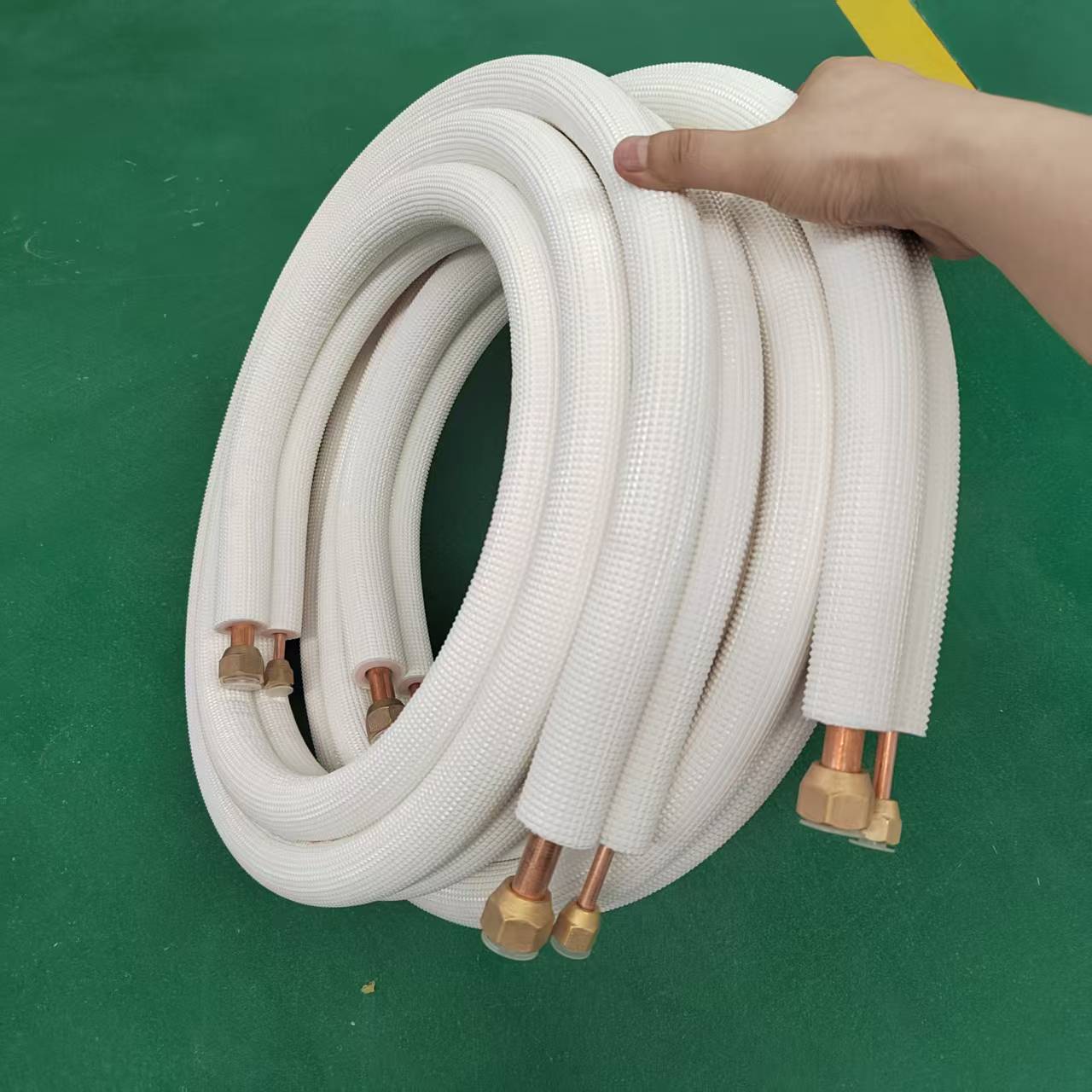
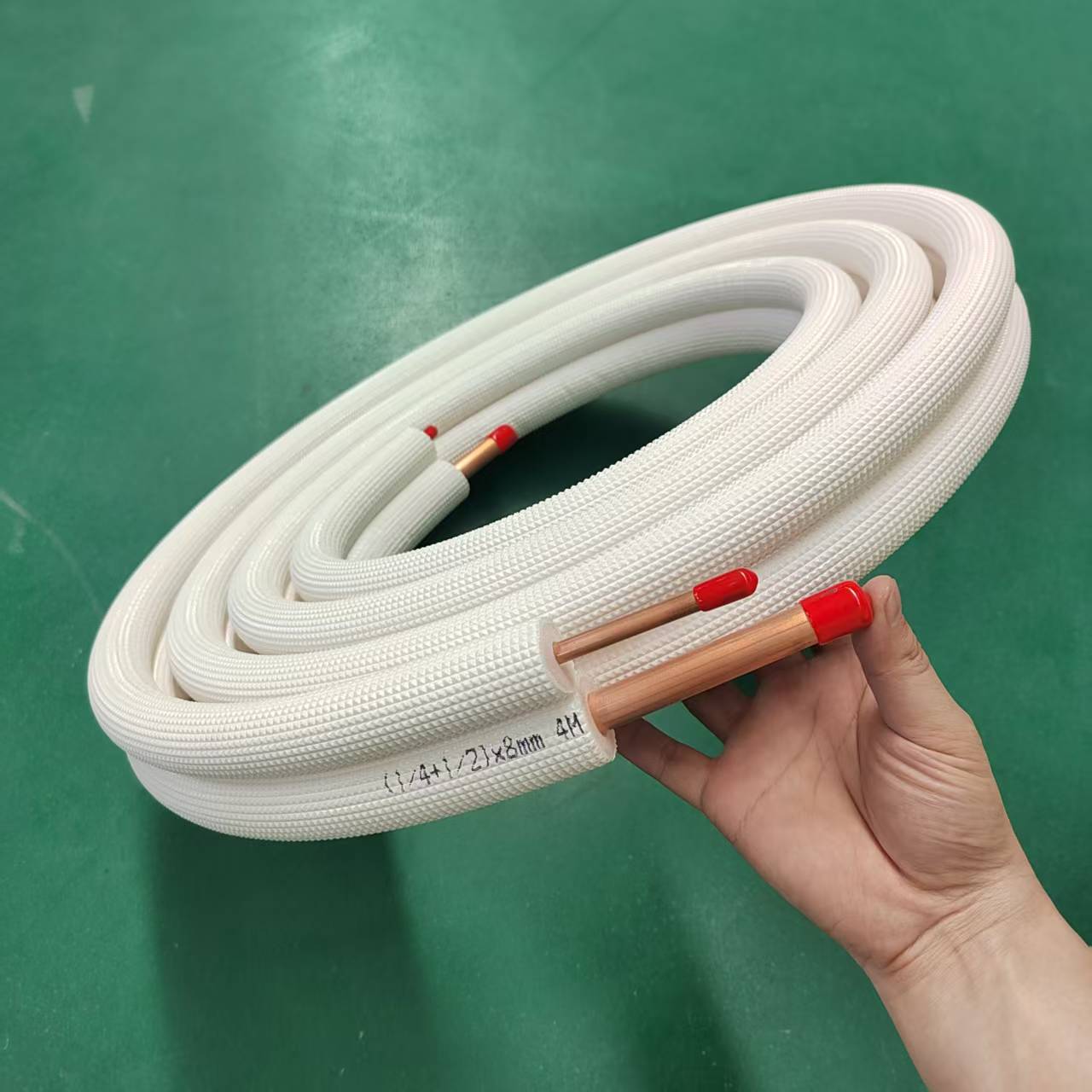
HVAC Copper Fittings - Reliable Pipe Connections

Get a Free Quote

Our representative will contact you soon.
Email
Name
Company Name
Message
0/1000

hvac copper fittings

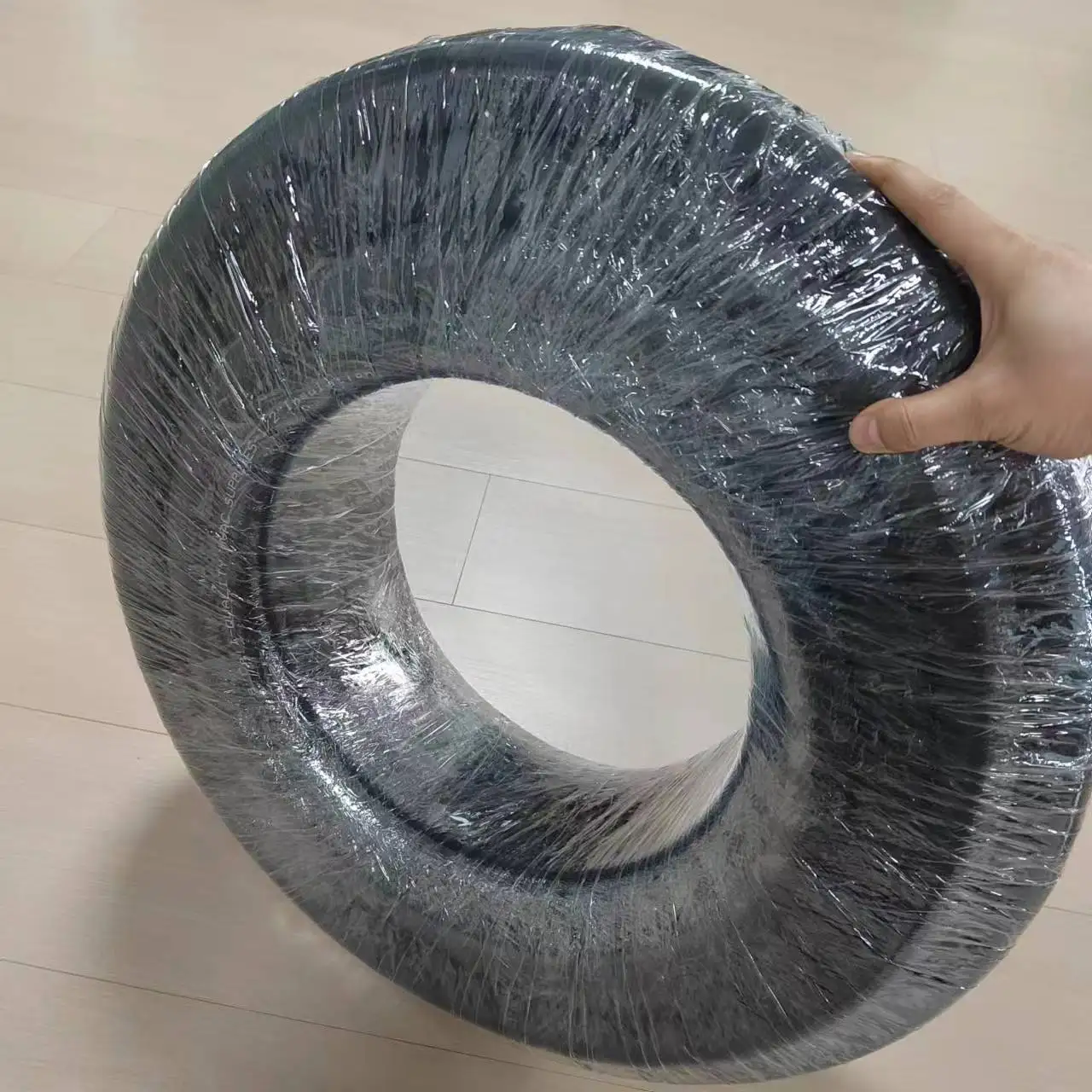
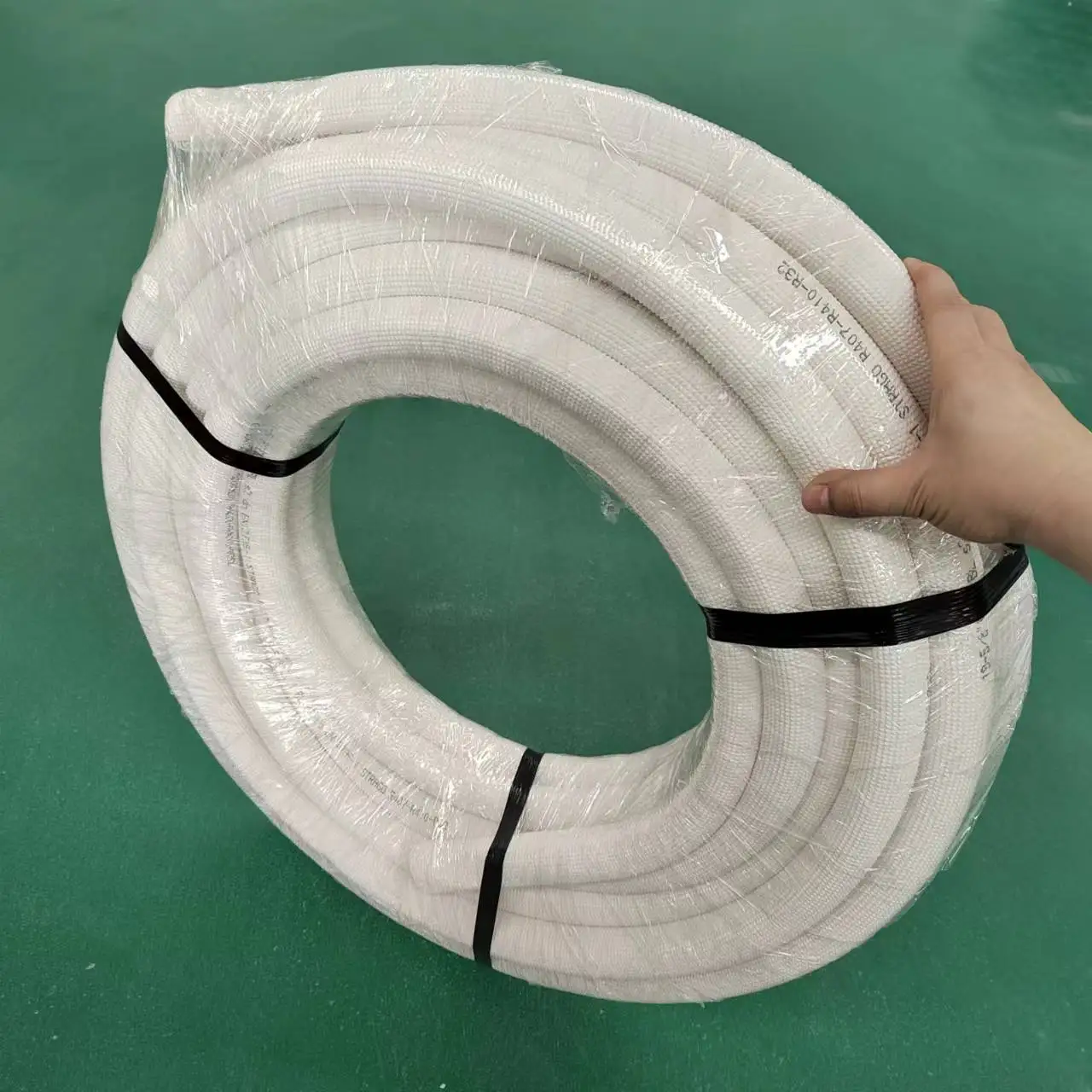
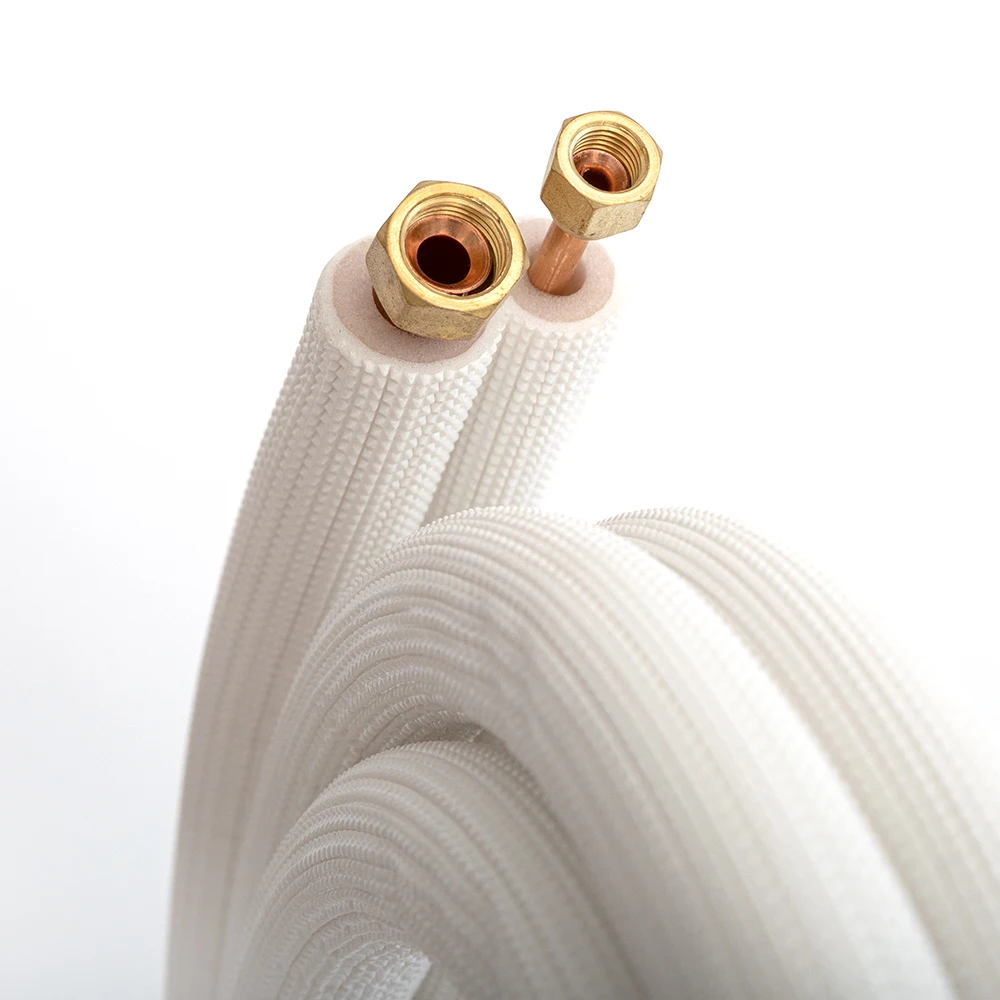
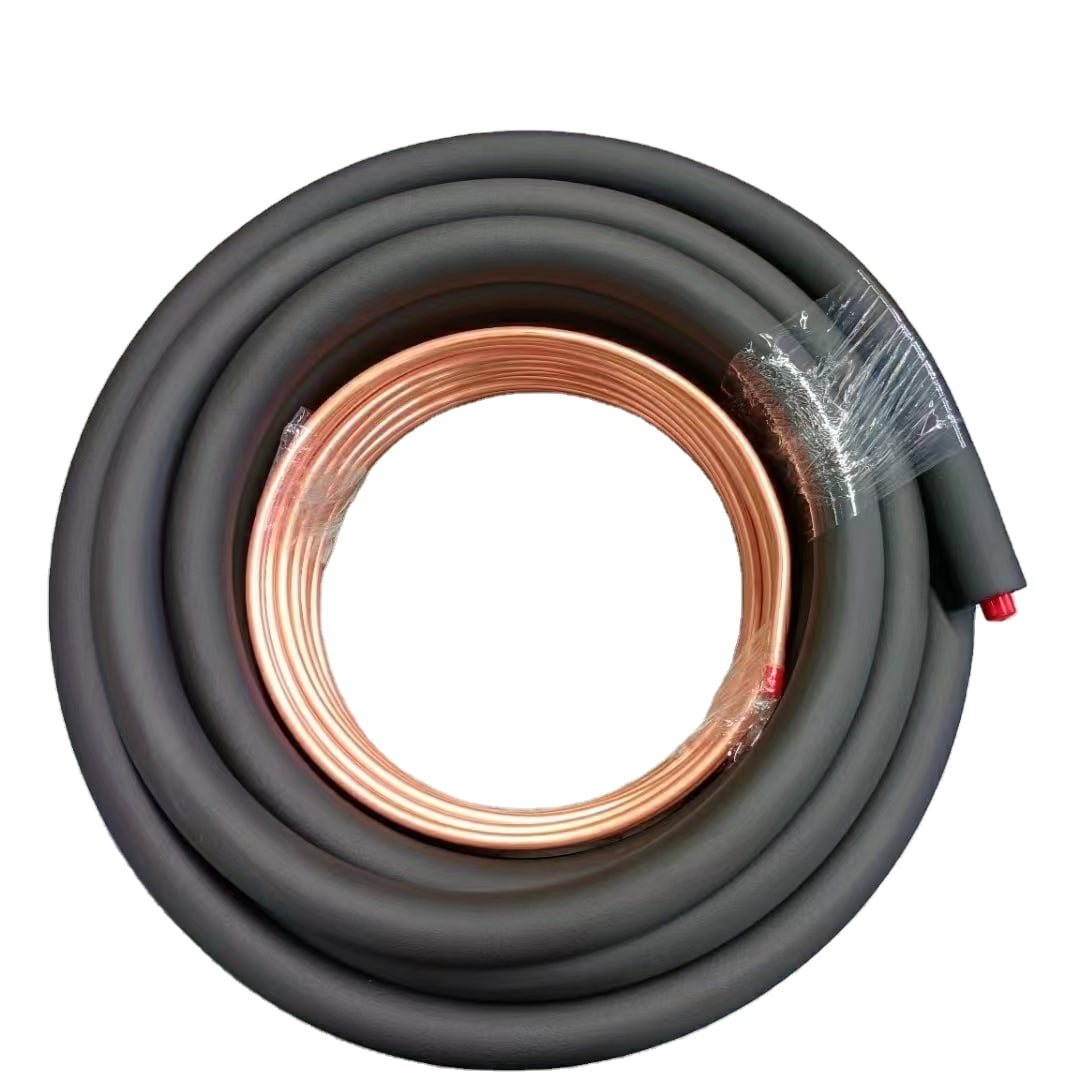
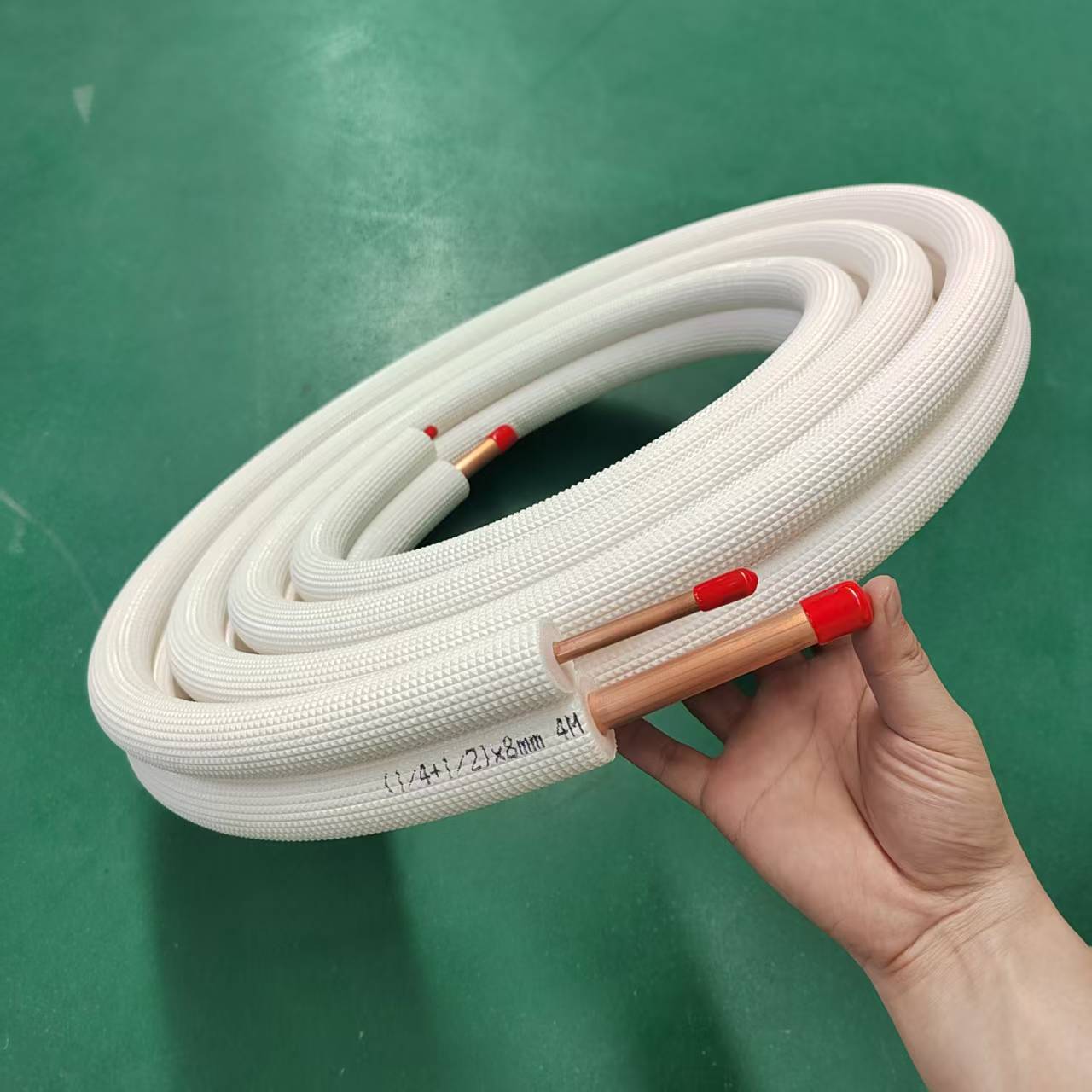
HVAC copper fittings are essential components designed to connect copper pipes and tubing in heating, ventilation, and air conditioning systems. These precision-engineered fittings serve as the backbone of refrigerant lines, ensuring secure connections that maintain system integrity and prevent leaks. Manufactured from high-quality copper alloys, hvac copper fittings come in various configurations including elbows, tees, couplings, reducers, and adapters to accommodate different installation requirements. Their primary functions include directing refrigerant flow, creating branch connections, transitioning between pipe sizes, and providing access points for maintenance. The technological features of hvac copper fittings include superior thermal conductivity, excellent corrosion resistance, and compatibility with both soldering and brazing techniques. These fittings are specifically designed to withstand extreme temperature fluctuations and high-pressure conditions commonly encountered in HVAC applications. The smooth interior surfaces minimize friction loss and optimize refrigerant flow efficiency. Available in standard sizes ranging from quarter-inch to four-inch diameter, hvac copper fittings meet stringent industry standards and building codes. Applications span residential air conditioning systems, commercial refrigeration units, industrial cooling towers, and heat pump installations. Whether used in new construction projects or retrofit applications, these fittings provide reliable performance in split systems, package units, chilled water systems, and direct expansion configurations, making them indispensable for professional contractors and HVAC technicians.

New Products

Choosing hvac copper fittings delivers significant practical benefits that directly impact system performance and long-term value. The inherent durability of copper construction means these fittings resist degradation from refrigerants, moisture, and temperature extremes, resulting in fewer replacement costs over the system's lifespan. Unlike plastic alternatives, copper maintains structural integrity under pressure and heat, reducing the risk of catastrophic failures that could damage expensive equipment or require emergency service calls. Installation efficiency represents another major advantage, as hvac copper fittings accommodate multiple joining methods including soldering, brazing, and press-fit technologies, allowing technicians to select the most appropriate technique for each project. This flexibility reduces labor time and installation costs while ensuring leak-tight connections. The superior thermal conductivity of copper enhances heat transfer efficiency, contributing to improved system performance and reduced energy consumption. From an operational standpoint, these fittings maintain consistent performance across wide temperature ranges without becoming brittle in cold conditions or softening in high-heat environments. Their antimicrobial properties naturally inhibit bacterial growth, promoting healthier indoor air quality in residential and commercial spaces. The recyclability of copper provides environmental benefits and potential material recovery value at end-of-life. Application suitability extends across diverse scenarios from compact residential systems to large-scale commercial installations, with standardized sizing simplifying inventory management and ensuring component compatibility. For decision-making purposes, the proven track record of hvac copper fittings, widespread availability, and acceptance by building inspectors nationwide make them a reliable choice that minimizes project risk and ensures code compliance.

Tips And Tricks

How do different AC pipe materials affect performance?

23

Dec

How do different AC pipe materials affect performance?

The selection of appropriate materials for air conditioning systems significantly impacts overall performance, energy efficiency, and longevity. When choosing an ac pipe for your HVAC installation, understanding the characteristics and benefits of di...
View More
What Factors Should You Consider When Selecting the Diameter and Length of a Copper Line Set?

20

Jan

What Factors Should You Consider When Selecting the Diameter and Length of a Copper Line Set?

When installing or replacing HVAC systems, selecting the appropriate copper line set dimensions represents one of the most critical decisions that directly impacts system performance, energy efficiency, and long-term reliability. The diameter and len...
View More
What Insulation Thickness in a Copper Line Set Prevents Energy Loss and Condensation?

18

Mar

What Insulation Thickness in a Copper Line Set Prevents Energy Loss and Condensation?

Understanding the proper copper line set insulation thickness is crucial for maintaining energy efficiency and preventing costly condensation issues in HVAC systems. The thickness of insulation directly impacts the system's performance, operational c...
View More
Can Custom-Wound Copper Pair Coils Improve the Performance of Your Specialized Equipment?

18

Mar

Can Custom-Wound Copper Pair Coils Improve the Performance of Your Specialized Equipment?

In today's competitive industrial landscape, businesses are constantly seeking ways to optimize equipment performance while maintaining cost-effectiveness. One often overlooked component that can significantly impact system efficiency is the choice o...
View More

Get a Free Quote

Our representative will contact you soon.
Email
Name
Company Name
Message
0/1000

hvac copper fittings

Superior Leak Prevention and System Reliability

Superior Leak Prevention and System Reliability

The exceptional sealing capability of hvac copper fittings stands as their most critical performance attribute, directly affecting system efficiency and operational safety. When properly installed using appropriate brazing or soldering techniques, these fittings create metallurgical bonds that effectively become part of a continuous copper pipe, eliminating vulnerable connection points where refrigerant leaks typically occur. This molecular-level fusion prevents the gradual refrigerant loss that compromises cooling capacity and increases compressor workload, protecting your investment in expensive refrigerant charges and reducing environmental impact. The rigid structure of copper resists vibration-induced fatigue that commonly loosens mechanical connections over time, maintaining seal integrity throughout decades of thermal cycling and pressure fluctuations. For building owners and facility managers, this reliability translates to reduced maintenance calls, lower refrigerant replacement costs, and extended equipment lifespan. The pressure ratings of hvac copper fittings consistently exceed typical system requirements, providing substantial safety margins that prevent blowouts even during abnormal operating conditions. This robust performance characteristic proves especially valuable in critical applications such as data centers, hospitals, and manufacturing facilities where HVAC system failures can result in significant operational disruptions or product losses.
Outstanding Corrosion Resistance and Longevity

Outstanding Corrosion Resistance and Longevity

The natural corrosion resistance of hvac copper fittings ensures dependable performance across diverse operating environments and installation conditions. Copper's inherent chemical stability prevents degradation from common refrigerants including R-410A, R-32, and traditional compounds, maintaining fitting integrity regardless of the system chemistry. Unlike steel components that rust or aluminum parts that oxidize when exposed to moisture, copper develops a protective patina that actually enhances corrosion resistance over time rather than weakening the material. This characteristic proves particularly valuable in coastal regions with salt-laden air, industrial settings with chemical exposure, or high-humidity climates where condensation regularly forms on refrigerant lines. The extended service life resulting from this corrosion resistance means hvac copper fittings routinely function reliably for thirty to fifty years, often outlasting the original equipment they connect. This longevity reduces lifecycle costs dramatically compared to fittings requiring periodic replacement, minimizing system downtime and labor expenses associated with component changeouts. For commercial property managers balancing capital expenditures against operating budgets, the durability of copper fittings represents a sound financial decision that avoids repeated reinvestment. The compatibility with various pipe materials and joining methods further extends their utility across system modifications and expansions throughout a building's operational lifetime.
Excellent Thermal Performance and Energy Efficiency

Excellent Thermal Performance and Energy Efficiency

The superior thermal conductivity of hvac copper fittings contributes meaningfully to overall system efficiency and performance optimization. Copper's ability to rapidly transfer heat ensures that temperature differences between refrigerant and surrounding air or adjacent components occur with minimal resistance, supporting efficient heat exchange throughout the refrigeration cycle. This characteristic becomes especially important at connection points where fitting mass could otherwise create thermal bottlenecks that reduce system capacity. The consistent thermal performance across temperature extremes means hvac copper fittings maintain their heat transfer properties whether handling superheated discharge gas approaching two hundred degrees Fahrenheit or sub-cooled liquid refrigerant well below freezing. This reliability enables precise system design and predictable performance that meets comfort and process cooling requirements. From an energy efficiency perspective, minimizing pressure drops and optimizing heat transfer directly reduces compressor runtime and electrical consumption, lowering utility costs while decreasing equipment wear. The smooth interior finish of quality copper fittings eliminates rough surfaces that would create turbulence and friction losses, allowing refrigerant to flow freely with minimal energy penalty. For commercial applications where HVAC represents a substantial portion of total energy consumption, these efficiency gains accumulate into significant cost savings. The environmental benefits extend beyond operational efficiency, as reduced energy consumption decreases carbon emissions associated with power generation, supporting corporate sustainability initiatives and green building certifications.
HVAC Copper Fittings - Reliable Pipe Connections

Get a Free Quote

Our representative will contact you soon.
Email
Name
Company Name
Message
0/1000