Lineset Sizes Guide: Selection and Benefits

Get a Free Quote

Our representative will contact you soon.
Email
Name
Company Name
Message
0/1000

lineset sizes

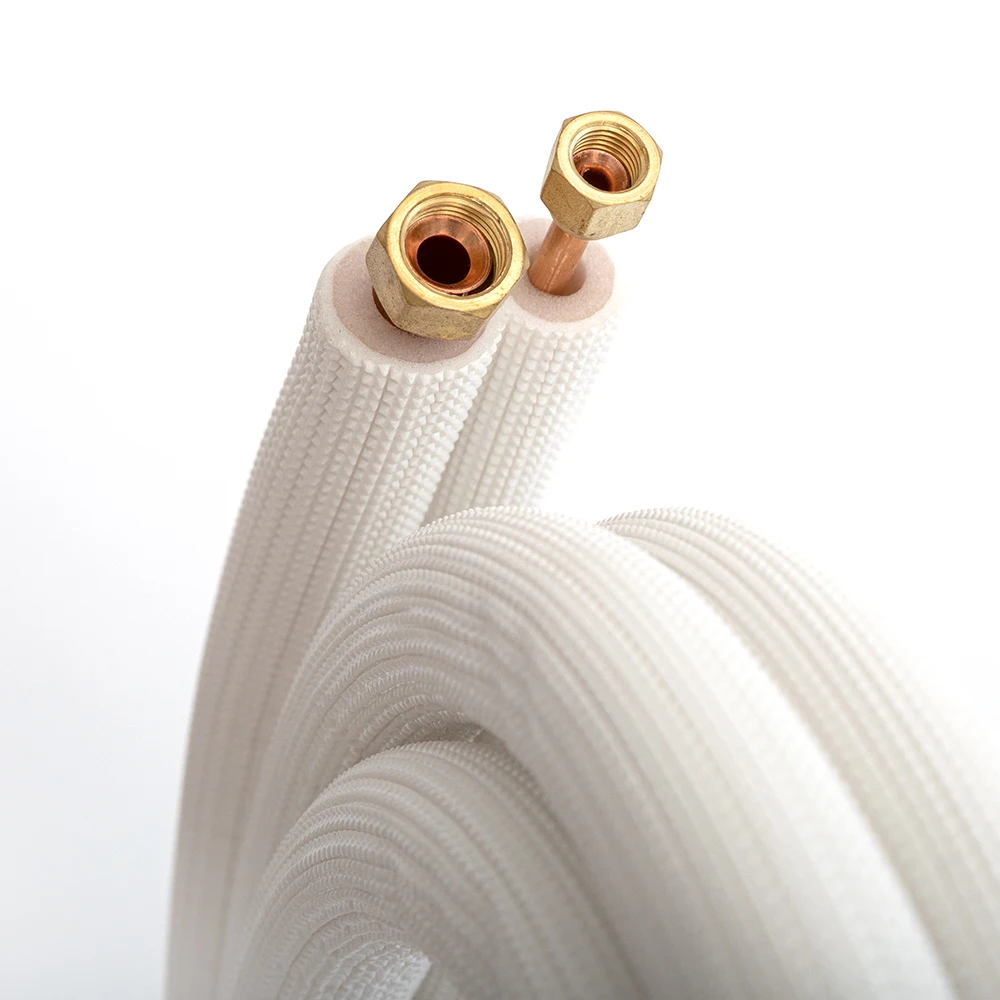
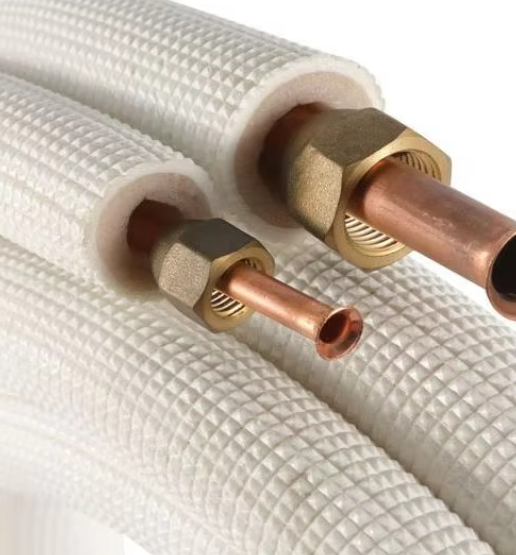
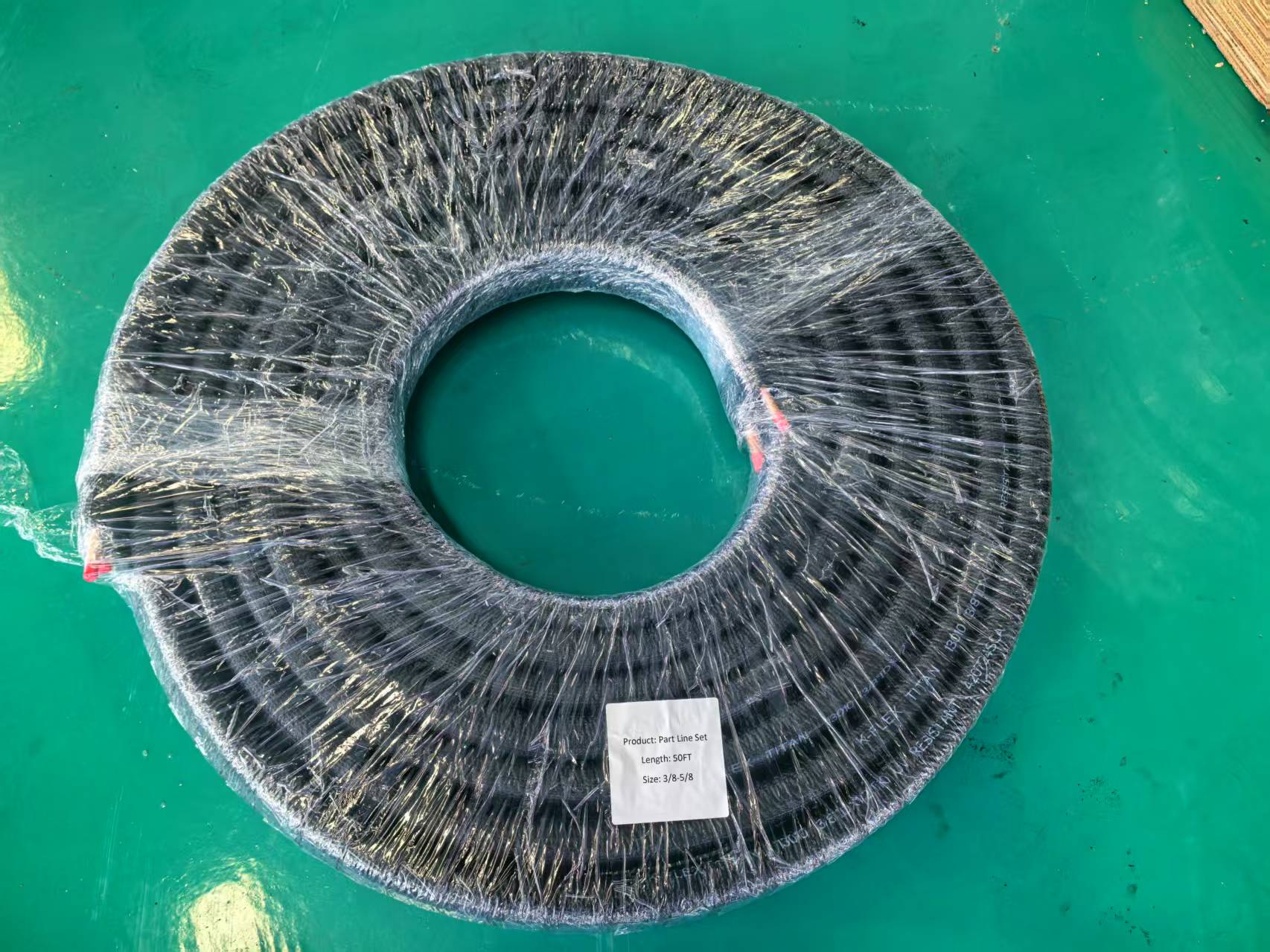
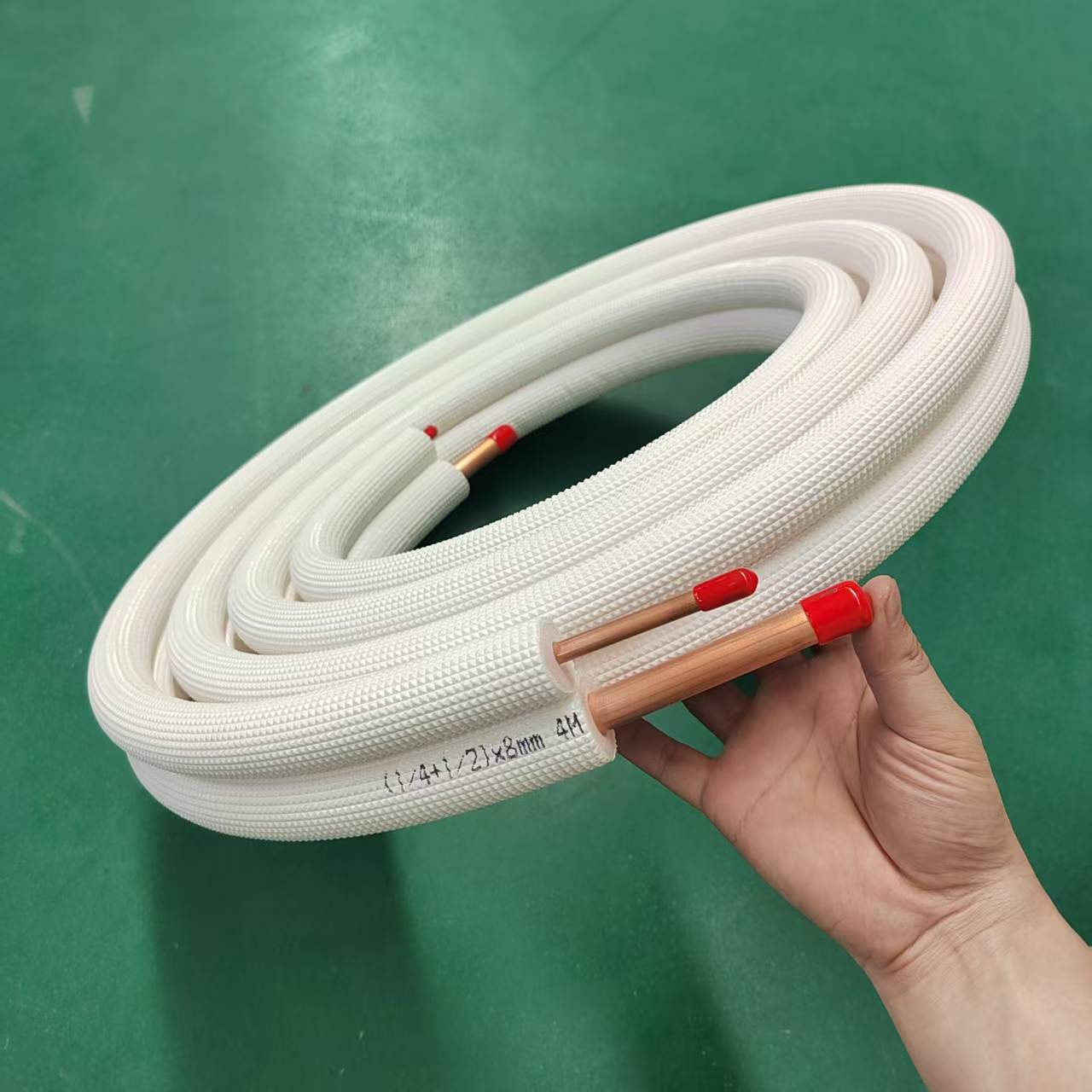
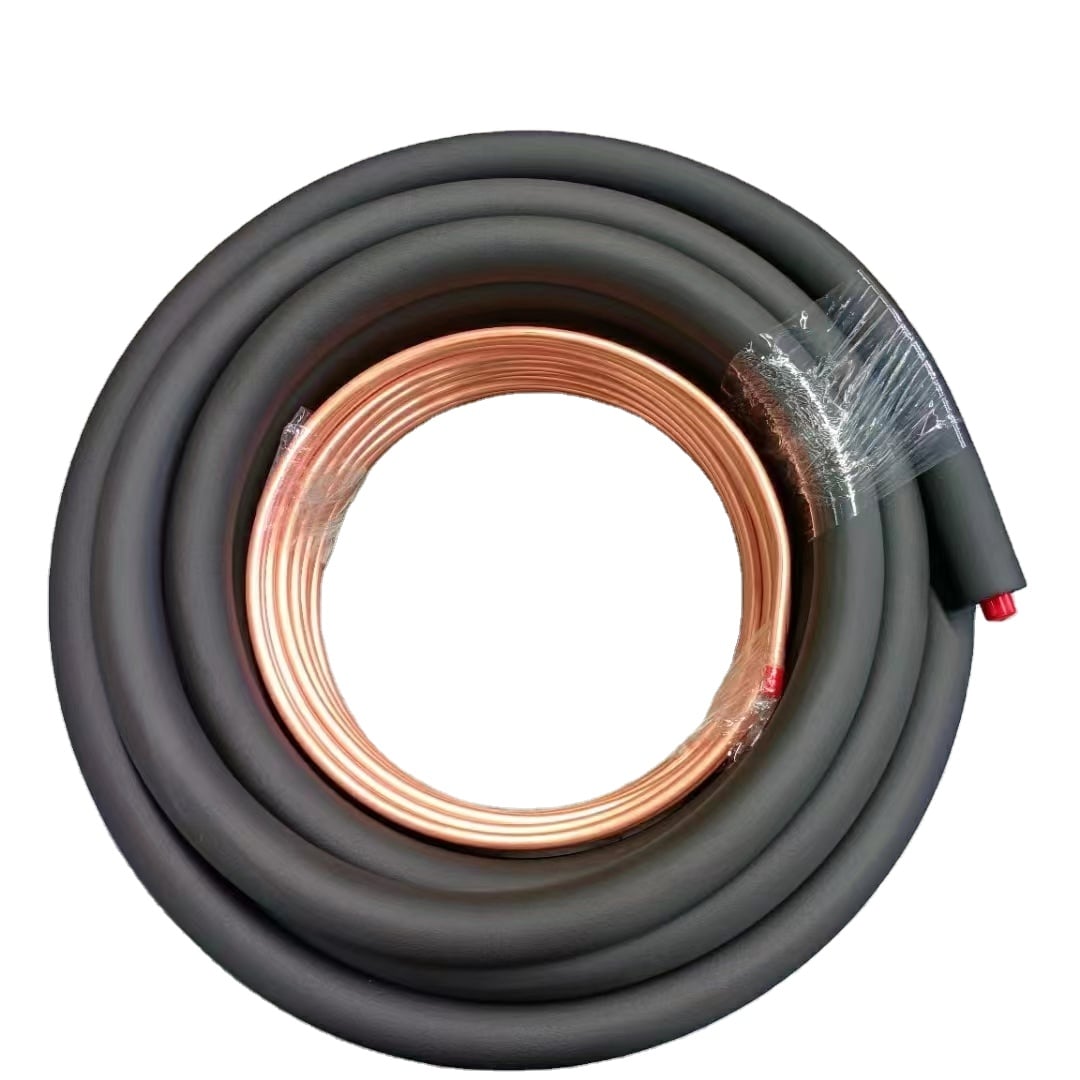
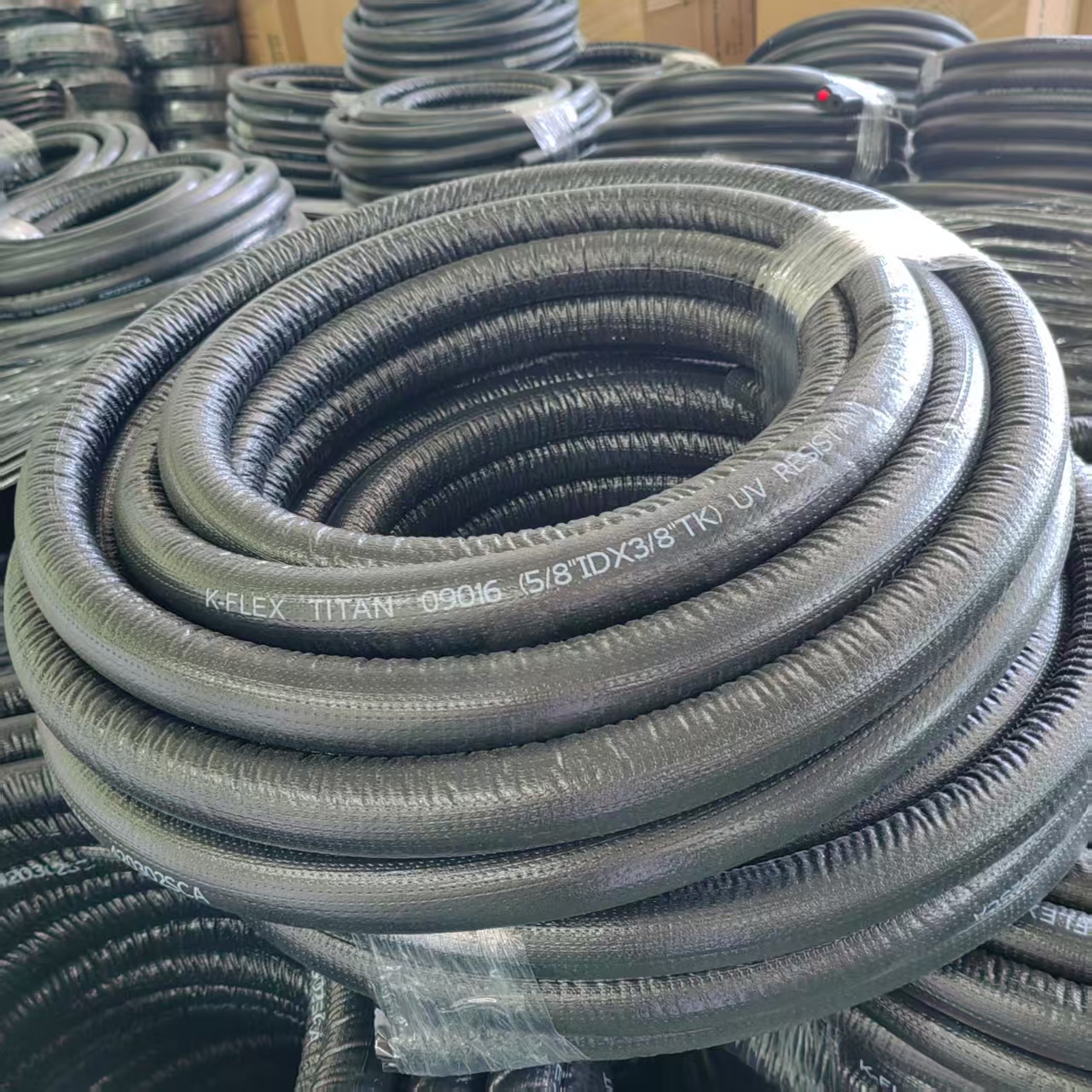
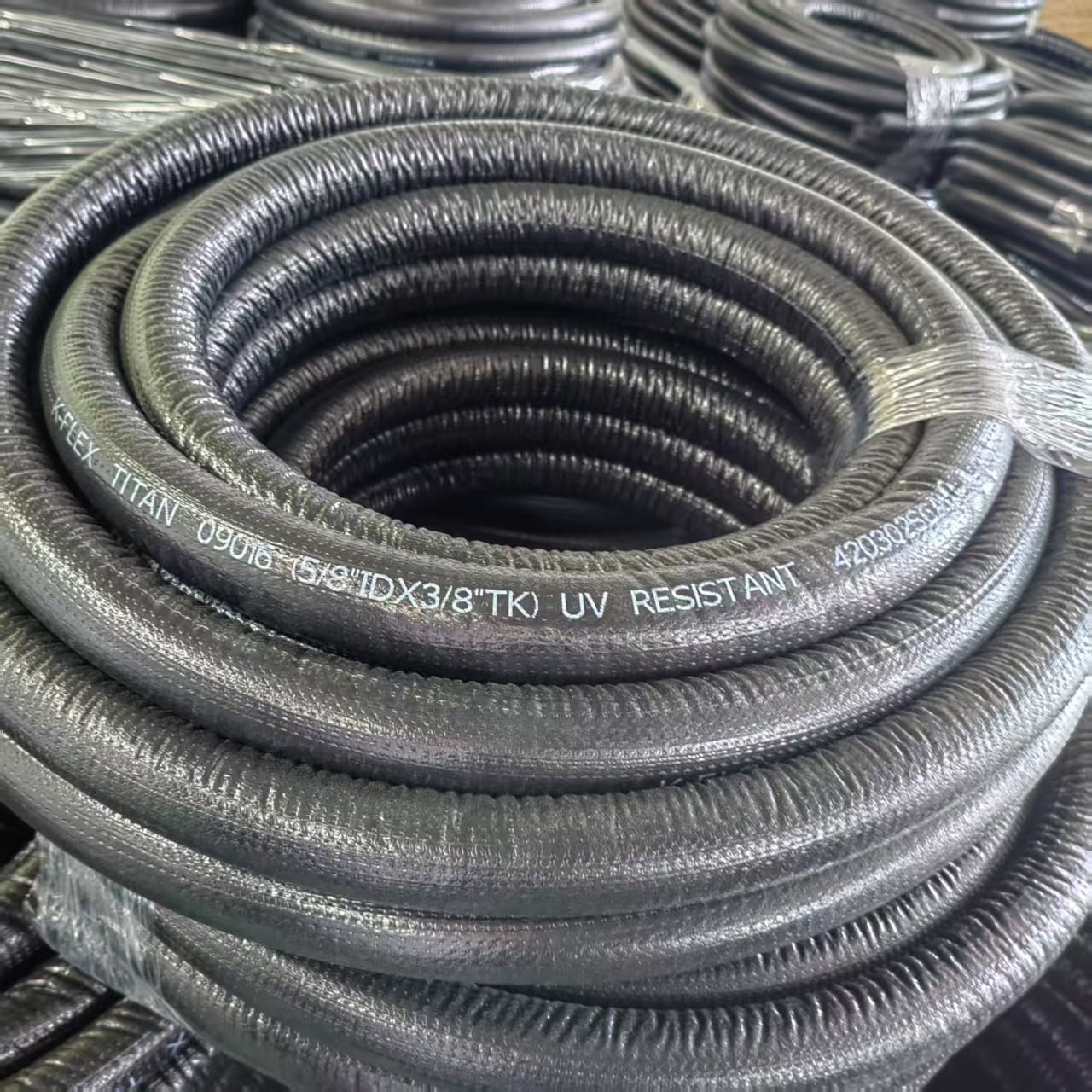
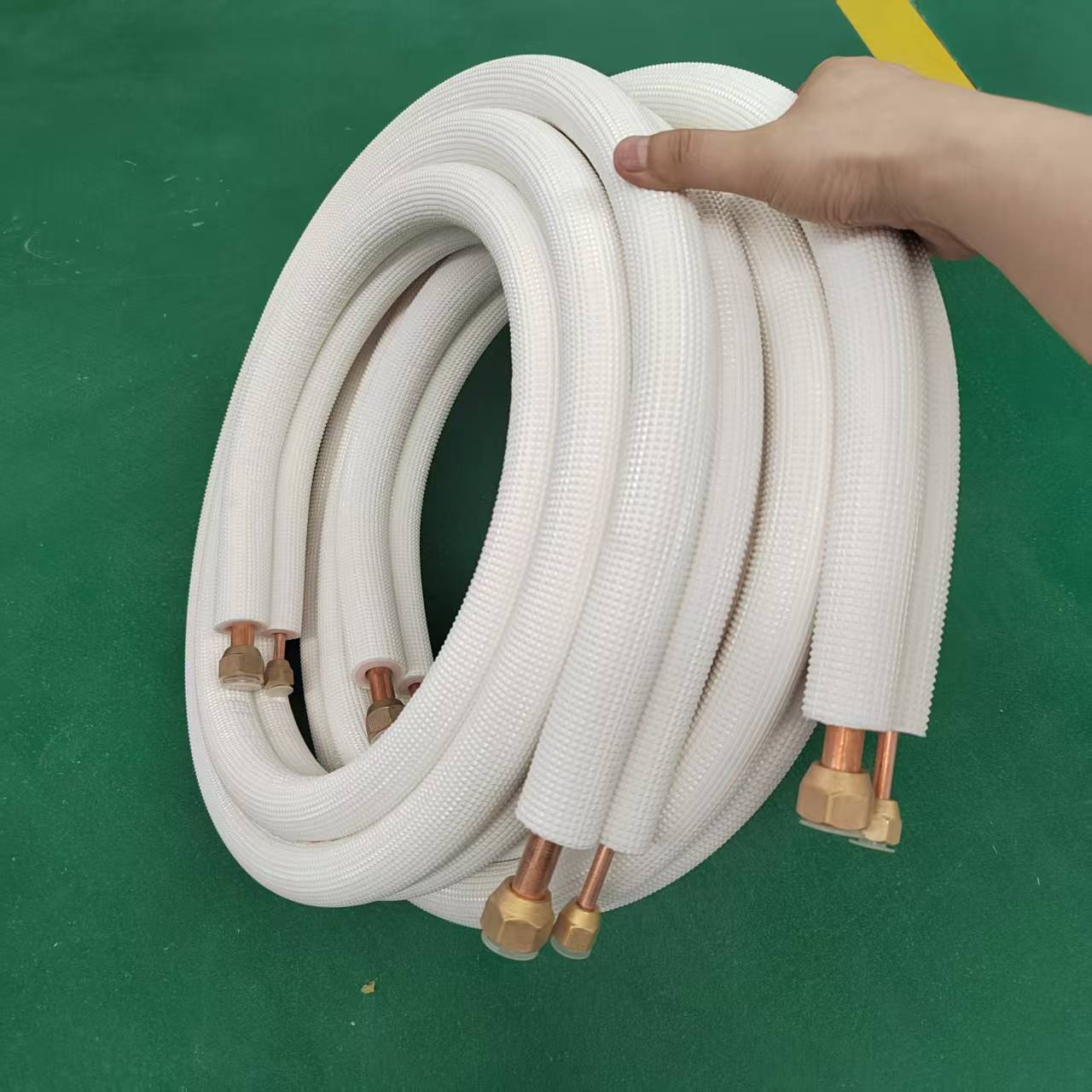
Understanding lineset sizes is essential for anyone installing or maintaining HVAC systems, as these copper tubes carry refrigerant between indoor and outdoor units. Lineset sizes refer to the diameter measurements of these refrigerant lines, typically consisting of a larger suction line and a smaller liquid line. The most common lineset sizes include 1/4-inch and 3/8-inch combinations for smaller systems, 1/4-inch and 1/2-inch for medium capacity units, and 3/8-inch and 5/8-inch or 3/8-inch and 3/4-inch for larger commercial applications. Choosing appropriate lineset sizes directly impacts system efficiency, cooling capacity, and overall performance. The technological design of these copper linesets incorporates precise wall thickness specifications to withstand high refrigerant pressures while maintaining flexibility for installation routing. Modern lineset sizes are manufactured according to strict industry standards, ensuring compatibility with various refrigerant types including R-410A and R-32. Proper lineset sizes prevent refrigerant pressure drops, reduce energy consumption, and extend compressor lifespan. Applications range from residential air conditioning and heat pump installations to commercial refrigeration and industrial climate control systems. Professional technicians must calculate the correct lineset sizes based on system tonnage, refrigerant type, and installation distance. Pre-insulated lineset kits matching standard sizes simplify installation while protecting against condensation and energy loss. Understanding lineset sizes helps contractors avoid costly mistakes such as undersized lines causing inadequate cooling or oversized lines leading to oil return problems and reduced system efficiency.

New Products

Selecting the correct lineset sizes delivers significant practical benefits that directly affect your system's performance and your bottom line. First, properly matched lineset sizes ensure optimal refrigerant flow velocity, which means your air conditioning system operates at peak efficiency without wasting electricity. This translates to lower monthly energy bills and faster return on investment for homeowners and business owners alike. When you choose appropriate lineset sizes, you eliminate the risk of refrigerant pressure drops that force compressors to work harder, reducing wear and extending equipment lifespan by several years. Another major advantage is simplified installation and maintenance. Standardized lineset sizes allow technicians to quickly identify replacement parts and complete installations faster, reducing labor costs and system downtime. The availability of pre-flared and pre-insulated lineset sizes in common dimensions means less specialized tools are required and fewer potential leak points during installation. For property managers overseeing multiple HVAC systems, understanding lineset sizes enables better inventory management and faster emergency repairs. Correctly sized linesets also maintain proper oil return to the compressor, preventing lubrication problems that lead to expensive breakdowns. From an application perspective, different lineset sizes accommodate various system capacities, making them suitable for everything from small residential units to large commercial installations. This versatility means contractors can serve diverse customer needs with standardized components. The decision to invest time in selecting proper lineset sizes pays dividends through improved system reliability, reduced callback visits, enhanced cooling performance, and satisfied customers who experience consistent comfort. Smart buyers recognize that lineset sizes directly influence long-term operational costs and system dependability.

Tips And Tricks

AC Connecting Pipes: A Guide to Better Cooling Performance

13

Mar

AC Connecting Pipes: A Guide to Better Cooling Performance

Essential Guide to AC Connecting Pipes for Efficient Cooling When it comes to maintaining an optimal cooling system in residential or commercial spaces, AC connecting pipes play a critical role. These pipes are the backbone of any air conditioning s...
View More
Why choose an HVAC line set for your air conditioning needs?

23

Dec

Why choose an HVAC line set for your air conditioning needs?

When planning an air conditioning installation or replacement, selecting the right components ensures optimal performance and longevity. Among the most critical components is the hvac line set, which serves as the lifeline connecting your outdoor con...
View More
How Does a Copper Line Set Improve Air Conditioning Efficiency?

10

Feb

How Does a Copper Line Set Improve Air Conditioning Efficiency?

Air conditioning systems rely on efficient refrigerant transfer between indoor and outdoor units to maintain optimal cooling performance. A copper line set serves as the critical connection that enables this refrigerant circulation, directly impactin...
View More
How Can a High-Quality Copper Line Set Ensure Optimal Performance for Your HVAC System?

18

Mar

How Can a High-Quality Copper Line Set Ensure Optimal Performance for Your HVAC System?

The efficiency and longevity of any HVAC system heavily depend on the quality of its components, with the copper line set serving as a critical element that connects the indoor and outdoor units. A premium copper line set ensures seamless refrigerant...
View More

Get a Free Quote

Our representative will contact you soon.
Email
Name
Company Name
Message
0/1000

lineset sizes

Optimized Refrigerant Flow Performance

Optimized Refrigerant Flow Performance

The engineering precision behind lineset sizes directly determines how efficiently refrigerant circulates through your HVAC system. When lineset sizes match manufacturer specifications for your specific equipment tonnage, refrigerant maintains ideal velocity throughout the cooling cycle. This proper velocity ensures that refrigerant oil, which lubricates the compressor, returns effectively rather than accumulating in the lines. Undersized lineset sizes create excessive pressure drops and velocity increases that can cause oil foaming and premature compressor failure. Conversely, oversized lineset sizes slow refrigerant velocity too much, allowing oil to settle in horizontal runs rather than returning to protect vital components. Modern refrigerants like R-410A operate at higher pressures than older types, making correct lineset sizes even more critical for system safety and performance. Professional installers use detailed refrigerant line sizing charts that account for equivalent line length, including vertical rises and fitting losses. By selecting appropriate lineset sizes, you guarantee that your system delivers its rated cooling capacity while consuming only the energy necessary for efficient operation, avoiding the hidden costs of mismatched components.
Universal Compatibility and Installation Efficiency

Universal Compatibility and Installation Efficiency

Standardized lineset sizes have revolutionized HVAC installation by creating universal compatibility across most residential and light commercial equipment brands. This standardization means that technicians can stock common lineset sizes like 1/4-inch by 3/8-inch or 1/4-inch by 1/2-inch combinations and serve the majority of installation needs without custom fabrication. Pre-manufactured lineset kits in standard sizes come with factory-flared ends, integral insulation, and coupling nuts, dramatically reducing installation time compared to custom line fabrication from coiled copper. This efficiency translates directly into lower labor costs for property owners and faster project completion for contractors. The availability of various lengths in common lineset sizes allows installers to select the closest match to their routing distance, minimizing excess refrigerant charge requirements and material waste. For service and replacement scenarios, standardized lineset sizes enable technicians to diagnose problems quickly and source exact replacements from local suppliers without delays. The quality control in factory-manufactured lineset sizes also ensures consistent wall thickness and cleanliness, reducing the risk of contamination or weak points that could develop leaks over time, providing long-term reliability and peace of mind.
Application-Specific Sizing for Maximum Efficiency

Application-Specific Sizing for Maximum Efficiency

Different HVAC applications demand specific lineset sizes to achieve optimal performance characteristics tailored to their unique operating conditions. Residential split systems typically use smaller lineset sizes ranging from 1/4-inch to 1/2-inch because they handle lower refrigerant volumes and shorter distances between components. Commercial rooftop units and larger capacity systems require lineset sizes up to 3/4-inch or even 7/8-inch to accommodate greater refrigerant flow rates and longer line runs that can extend over 100 feet. Heat pump installations present special considerations for lineset sizes because refrigerant flow reverses direction between heating and cooling modes, requiring balanced sizing that works efficiently in both operational states. Multi-zone mini-split systems use branching lineset configurations where main lineset sizes reduce at distribution boxes to smaller branch sizes feeding individual indoor units. Understanding these application-specific requirements for lineset sizes helps buyers select systems that match their building layout and climate control needs. Geographic considerations also influence lineset sizes selection, as longer vertical rises in multi-story buildings require larger suction line sizes to ensure adequate oil return against gravity. By matching lineset sizes to specific application demands, system designers achieve the perfect balance between initial installation costs and long-term operational efficiency.
Lineset Sizes Guide: Selection and Benefits

Get a Free Quote

Our representative will contact you soon.
Email
Name
Company Name
Message
0/1000