Insulation Around Copper Pipes Guide

Get a Free Quote

Our representative will contact you soon.
Email
Name
Company Name
Message
0/1000

insulation around copper pipes

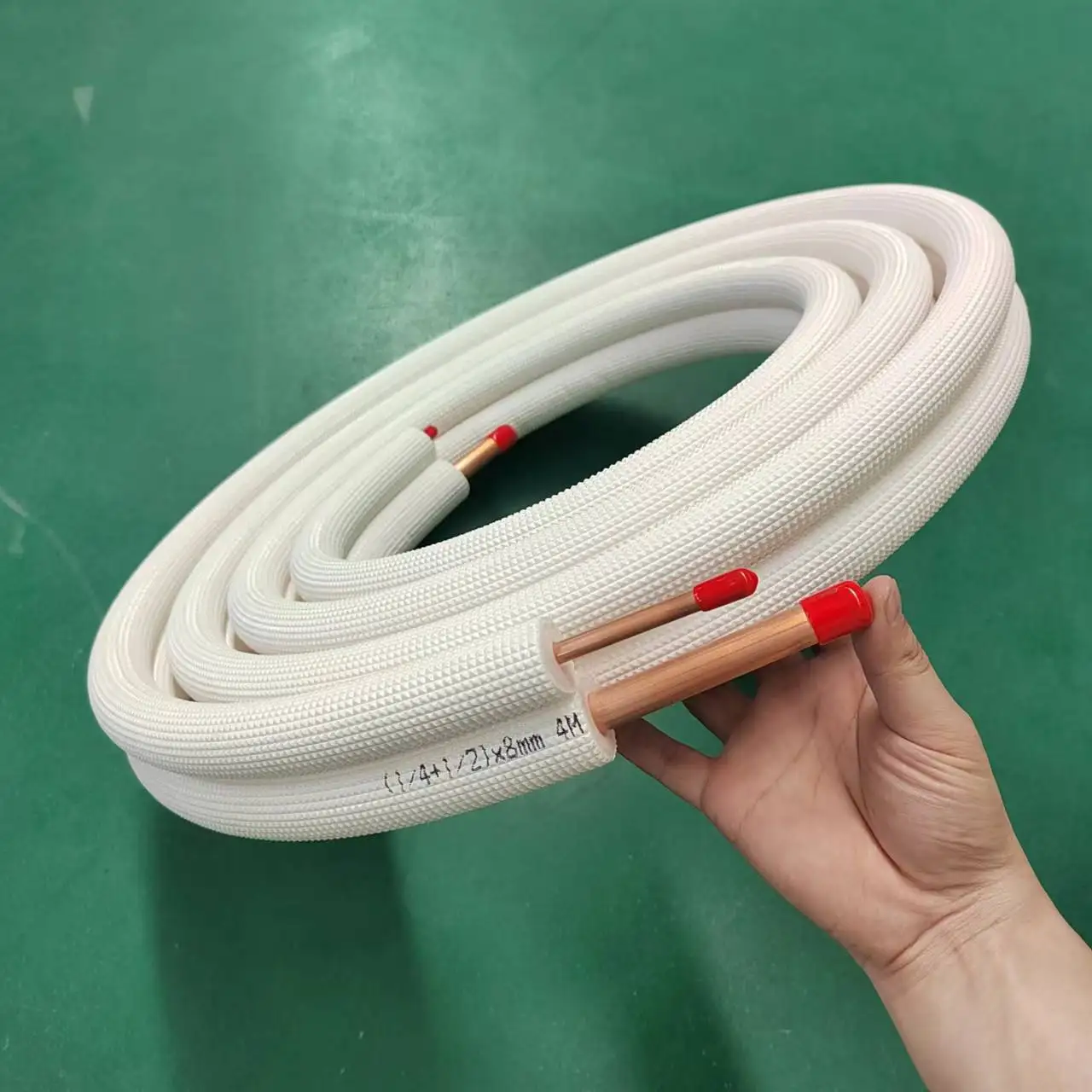
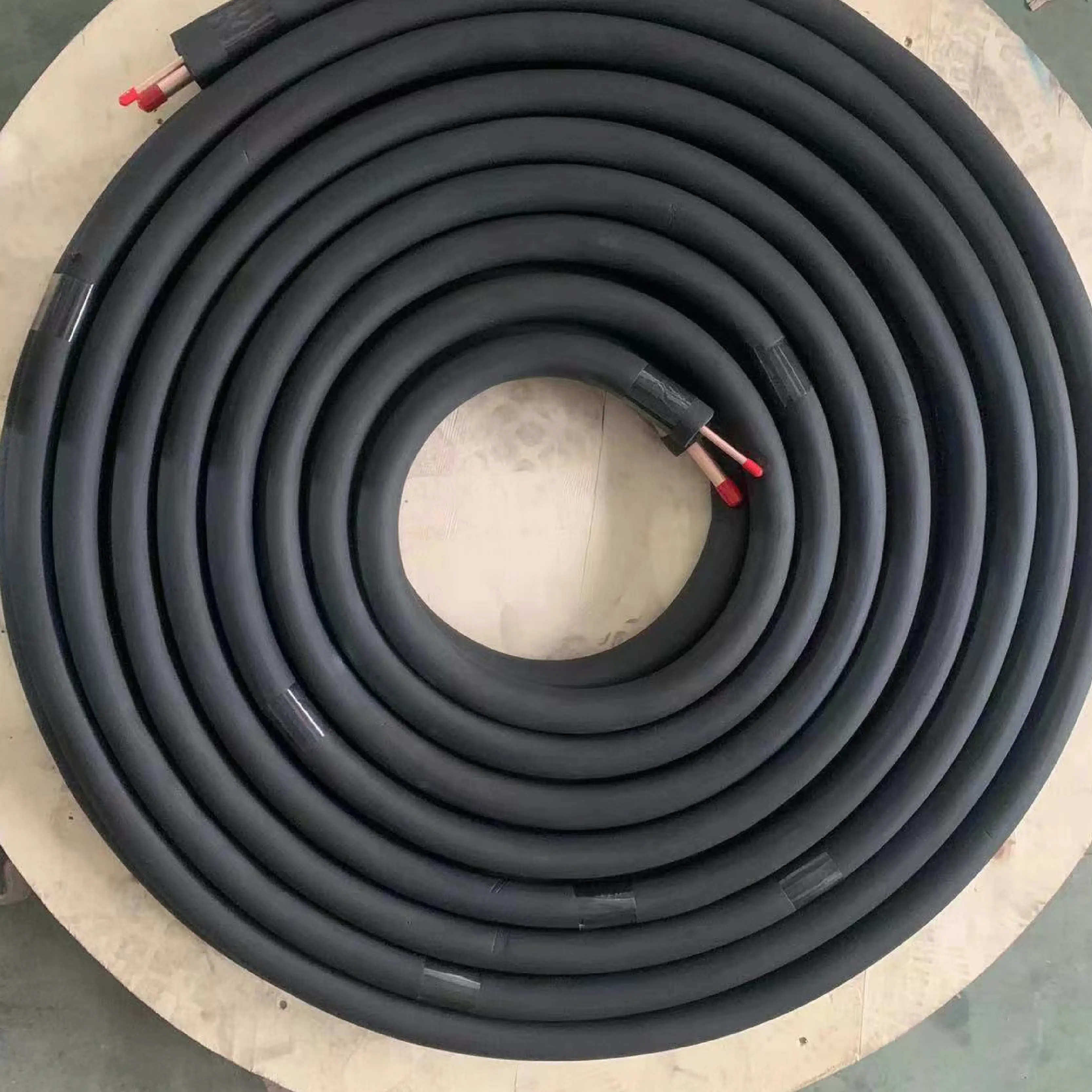
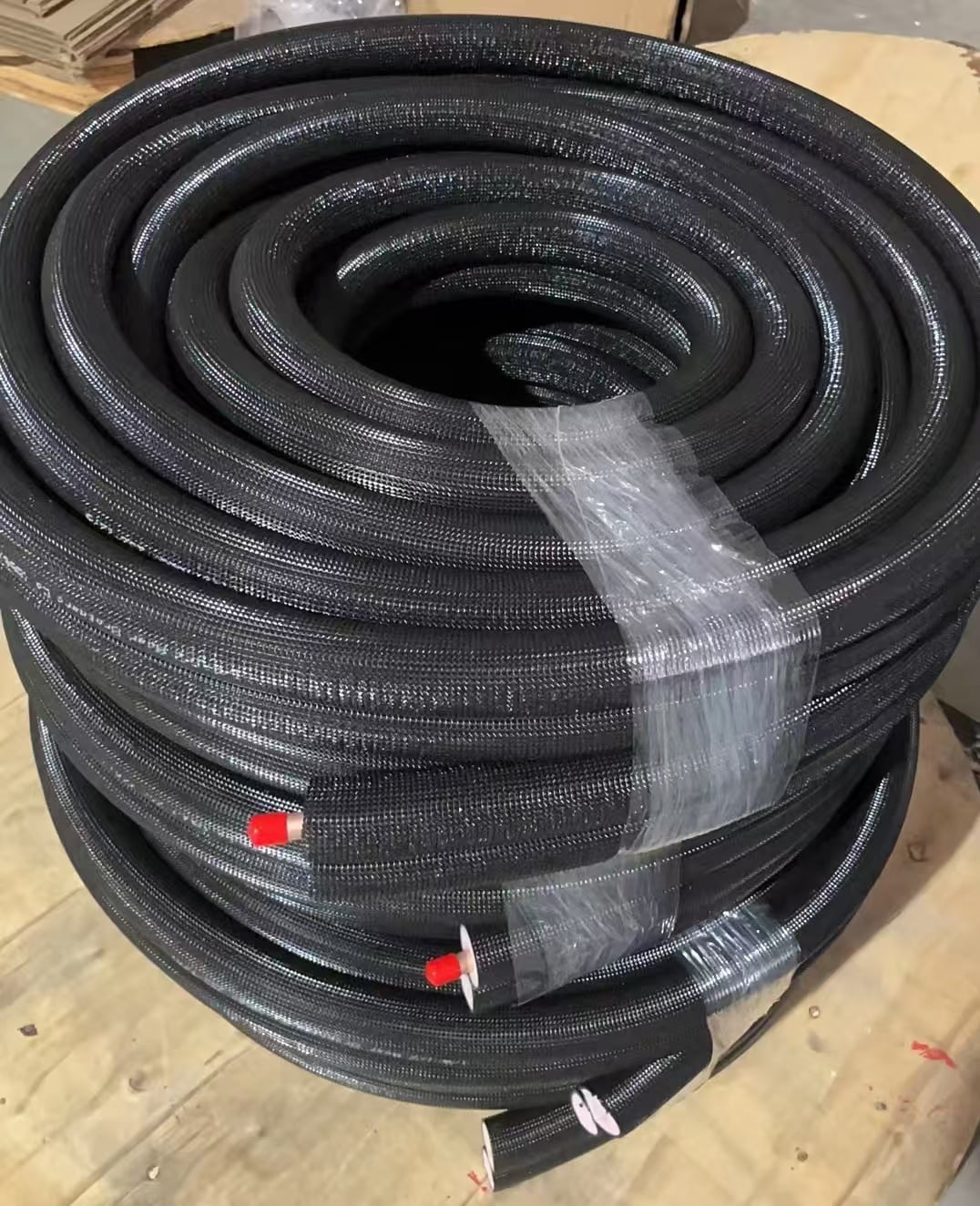
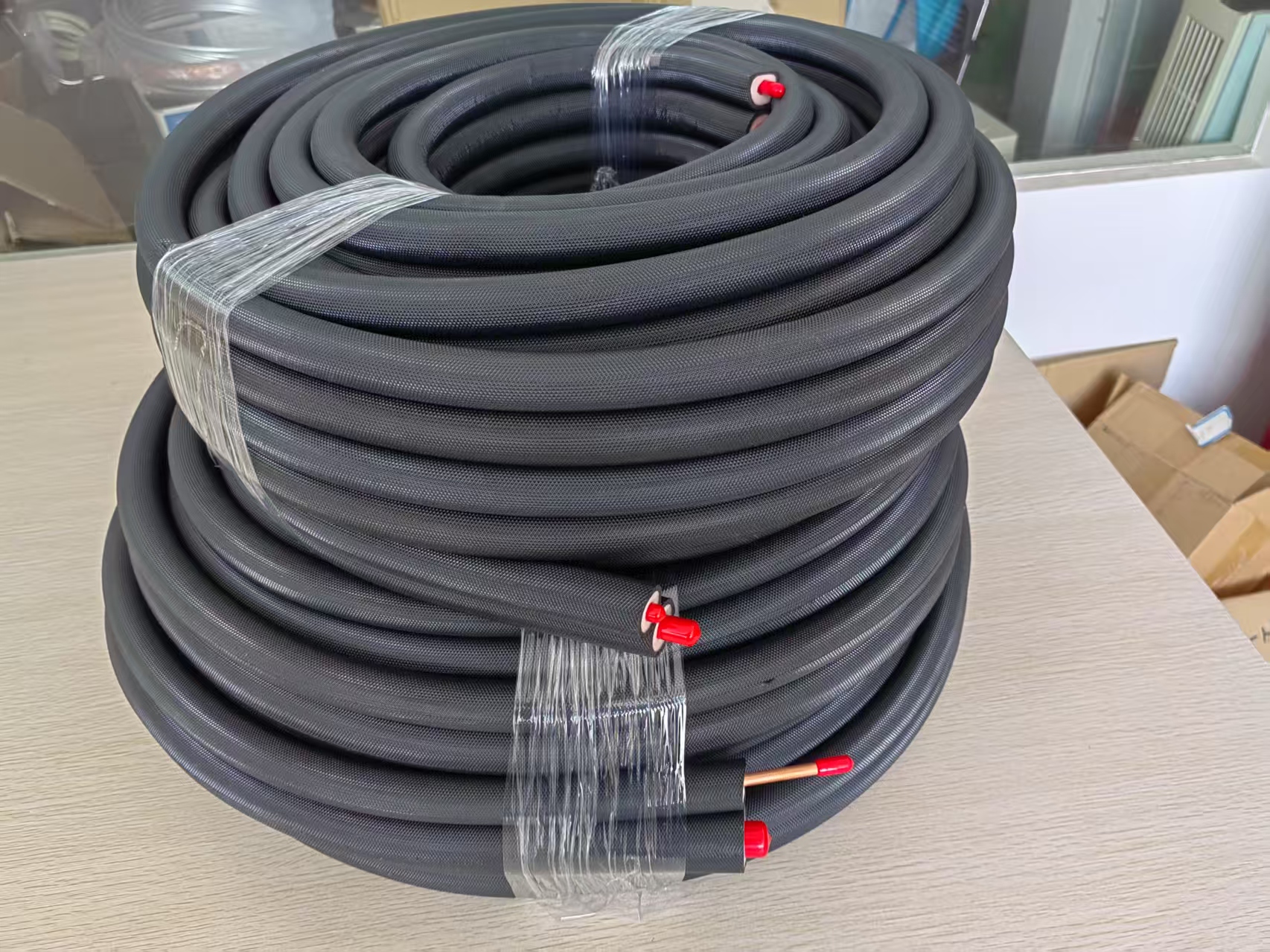
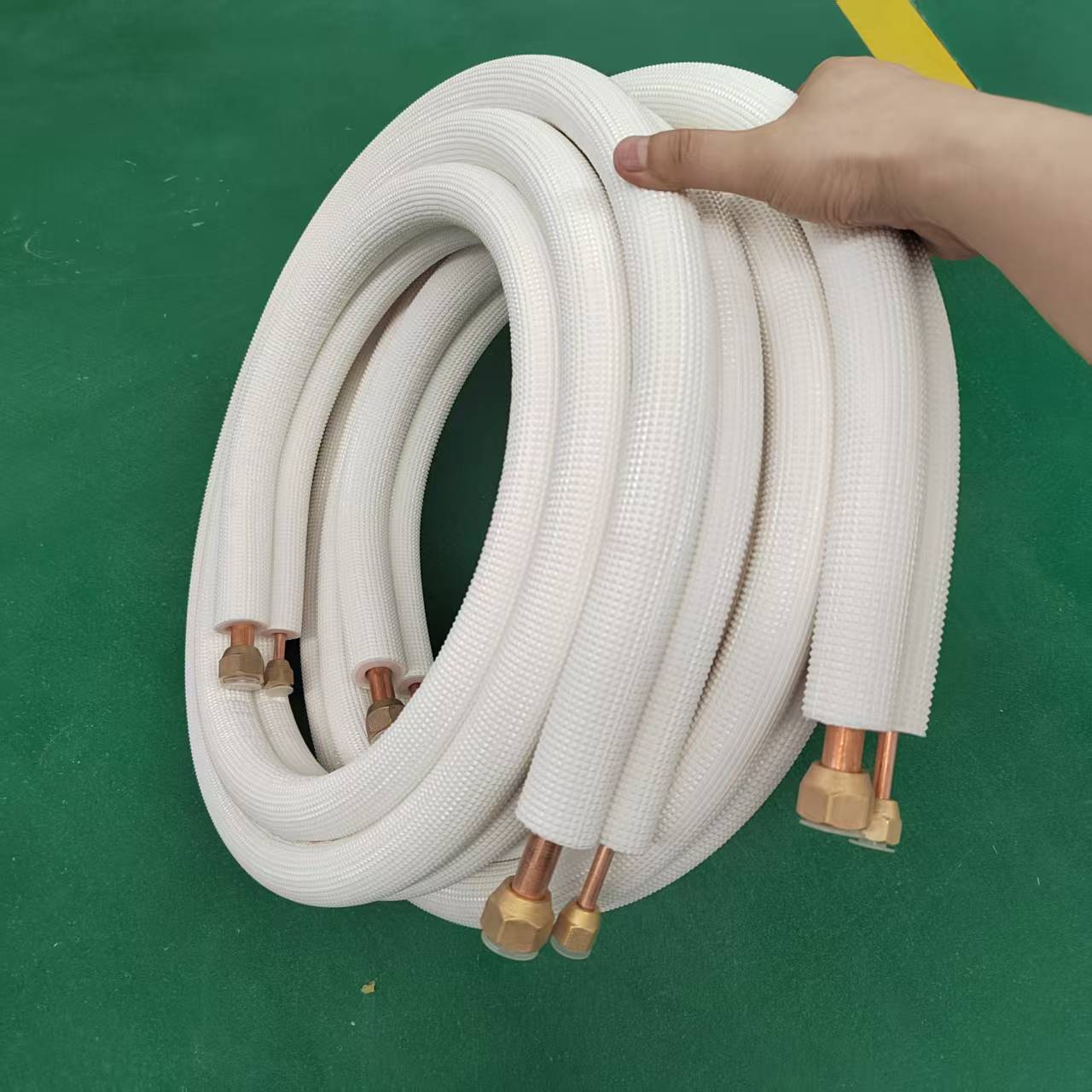
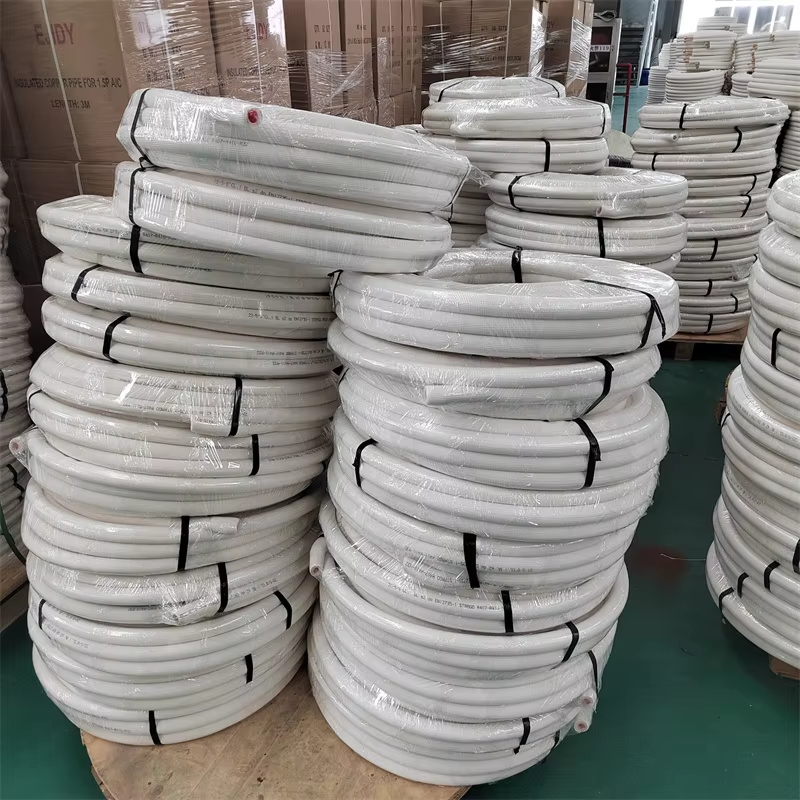
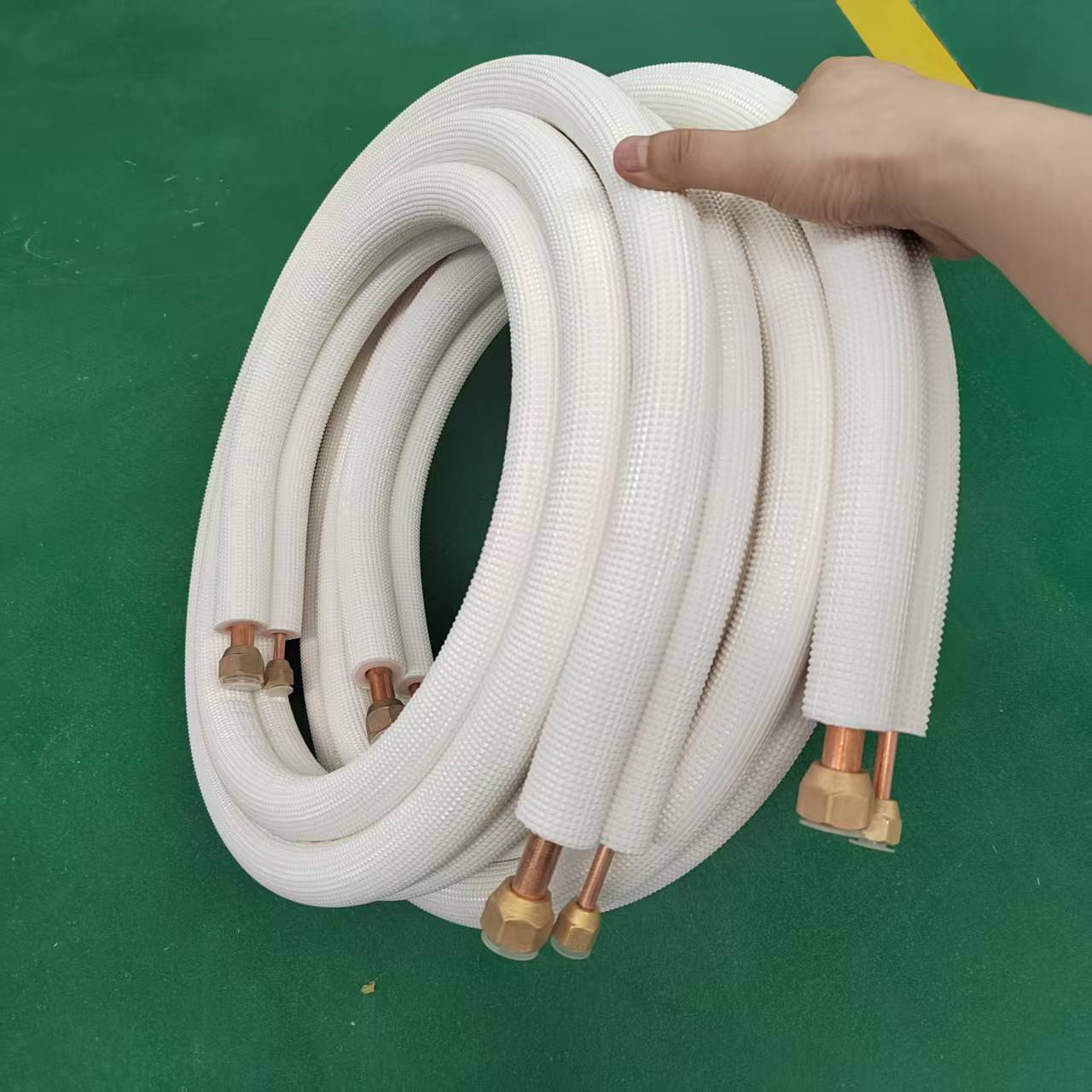
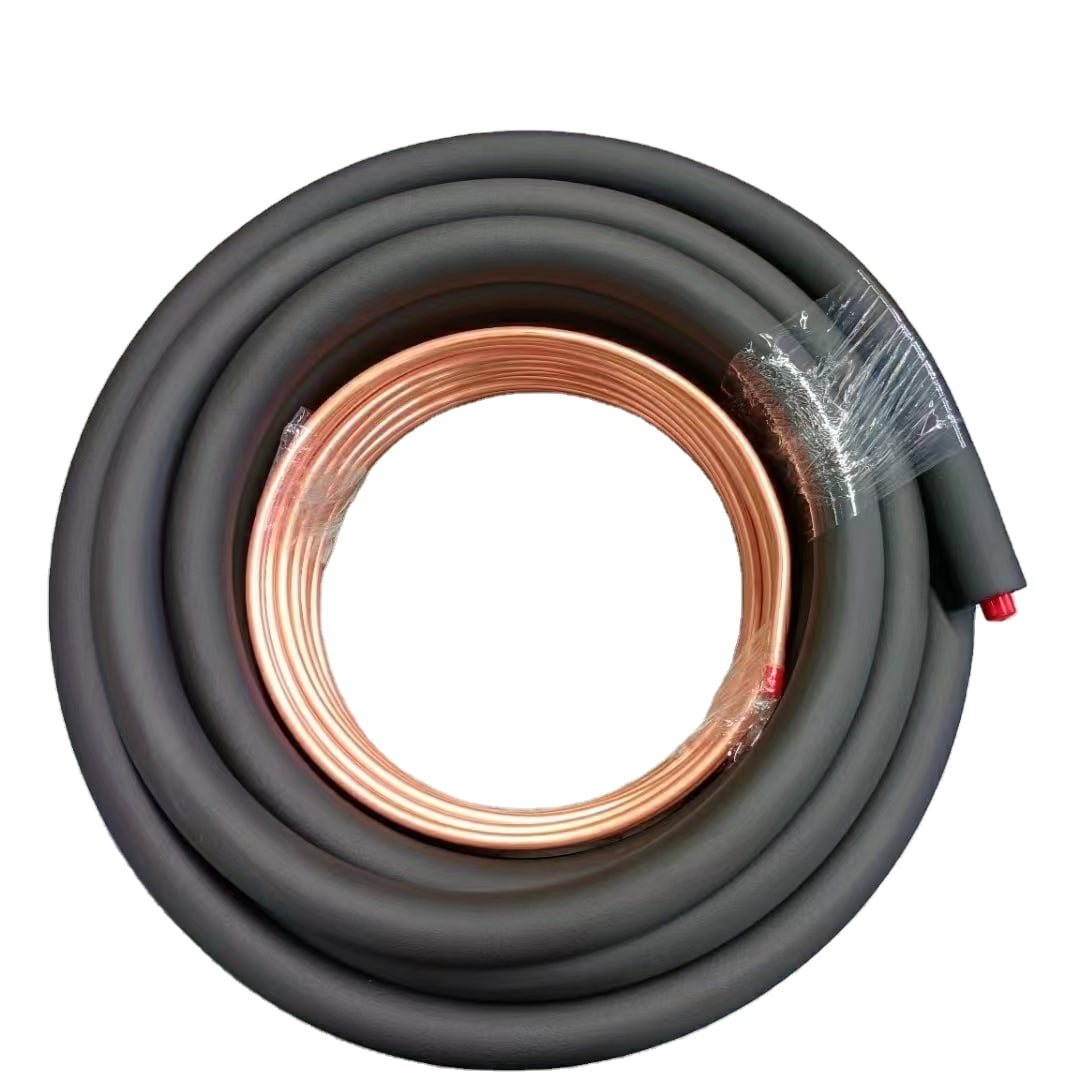
Insulation around copper pipes is a protective covering designed to maintain temperature control and prevent energy loss in plumbing and HVAC systems. This essential component wraps around copper piping to create a thermal barrier that safeguards against heat transfer, condensation, and freezing. The insulation around copper pipes typically consists of materials such as foam rubber, fiberglass, or polyethylene, each offering specific thermal resistance properties. Modern insulation solutions feature closed-cell structures that resist moisture penetration while providing excellent thermal performance. The primary functions include maintaining water temperature in both hot and cold water lines, preventing pipe sweating that leads to moisture damage, reducing energy consumption by minimizing heat loss, and protecting pipes from freezing in cold environments. Technological features of quality insulation around copper pipes include UV resistance for outdoor applications, antimicrobial treatments to prevent mold growth, self-sealing properties for easy installation, and fire-retardant formulations for safety compliance. Applications span residential plumbing systems, commercial HVAC installations, industrial process piping, refrigeration lines, and solar thermal systems. The insulation around copper pipes proves particularly valuable in unconditioned spaces like basements, crawl spaces, attics, and exterior walls where temperature fluctuations are significant. Professional installers and DIY homeowners alike appreciate how this product delivers consistent performance across diverse environments, from tropical climates requiring condensation control to arctic conditions demanding freeze protection. The versatility and reliability of insulation around copper pipes make it an indispensable component in modern building construction and renovation projects.

New Product Releases

Installing insulation around copper pipes delivers immediate and long-term value for homeowners and facility managers. Energy savings represent the most compelling benefit, as properly insulated pipes reduce heat loss by up to 90 percent, translating directly into lower utility bills. Your hot water arrives faster at faucets and appliances because less thermal energy dissipates during transit, meaning you waste less water waiting for temperature adjustment. The insulation around copper pipes prevents condensation formation on cold water lines, eliminating water droplets that cause ceiling stains, wood rot, and mold growth in walls and ceilings. This moisture control protects your property investment and maintains healthier indoor air quality for your family. Freeze protection becomes critical in cold climates where uninsulated pipes burst during winter, causing thousands in water damage and repair costs. The insulation around copper pipes acts as a thermal buffer that keeps water above freezing temperatures even when ambient conditions drop dangerously low. Installation proves remarkably simple, requiring no special tools or professional expertise for most residential applications. Pre-slit foam tubes slide over pipes in minutes, and self-sealing edges create continuous coverage without gaps. This ease of installation means lower labor costs for new construction and straightforward upgrades for existing systems. Noise reduction offers an unexpected advantage, as insulation around copper pipes dampens the sound of flowing water and reduces pipe vibration transmitted through building structures. The investment pays for itself quickly through energy savings alone, typically within two heating seasons, while the product itself lasts decades without replacement. Compatible with all standard copper pipe sizes and suitable for temperatures ranging from below freezing to over 200 degrees Fahrenheit, this versatile solution addresses multiple concerns with a single product application.

Tips And Tricks

What makes copper pair coils ideal for HVAC durability?

23

Dec

What makes copper pair coils ideal for HVAC durability?

The HVAC industry relies heavily on high-quality components to ensure optimal performance and longevity. Among the most critical elements in any heating, ventilation, and air conditioning system are copper pair coils, which serve as the backbone for ...
View More
Can copper pair coils improve your AC’s energy savings?

23

Dec

Can copper pair coils improve your AC’s energy savings?

Energy efficiency has become a critical concern for homeowners and businesses alike, especially when it comes to air conditioning systems that consume substantial amounts of electricity. Among the various components that influence HVAC performance, c...
View More
How to Protect Your Copper Line Set from Corrosion and Damage During and After Installation?

20

Jan

How to Protect Your Copper Line Set from Corrosion and Damage During and After Installation?

Copper line sets form the backbone of HVAC systems, carrying refrigerant between indoor and outdoor units with exceptional efficiency and reliability. However, these critical components face constant threats from environmental factors, physical damag...
View More
How to Select the Correct Length for Your Copper Line Set?

10

Feb

How to Select the Correct Length for Your Copper Line Set?

Selecting the appropriate copper line set length is a critical decision that directly impacts HVAC system performance, installation efficiency, and long-term operational costs. Professional technicians and contractors understand that incorrect sizing...
View More

Get a Free Quote

Our representative will contact you soon.
Email
Name
Company Name
Message
0/1000

insulation around copper pipes

Superior Thermal Performance and Energy Efficiency

Superior Thermal Performance and Energy Efficiency

The insulation around copper pipes excels at thermal performance through advanced materials engineered specifically for temperature control applications. Closed-cell foam structures trap air in millions of tiny pockets, creating an effective barrier against heat transfer that outperforms traditional insulation methods. This cellular architecture achieves R-values between 4 and 6 per inch of thickness, significantly reducing conductive heat loss from hot water pipes and heat gain to chilled water lines. The thermal efficiency translates directly into measurable energy savings, with the US Department of Energy estimating that proper pipe insulation reduces water heating costs by 3 to 4 percent annually. For commercial facilities with extensive piping networks, these savings multiply substantially, often justifying complete system insulation within a single fiscal year. The insulation around copper pipes maintains consistent performance across temperature extremes, neither degrading in heat nor becoming brittle in cold. This stability ensures your energy savings continue year after year without performance deterioration. Additionally, the thermal barrier helps mechanical systems operate more efficiently by maintaining design temperatures throughout distribution networks, reducing the workload on boilers, water heaters, and chillers while extending equipment lifespan through reduced cycling frequency.
Comprehensive Moisture and Condensation Control

Comprehensive Moisture and Condensation Control

Managing condensation represents a critical function of insulation around copper pipes, particularly for cold water and refrigeration lines where moisture problems frequently occur. When cold pipes contact warm humid air, condensation forms on metal surfaces and drips onto surrounding materials, causing progressive damage that compromises structural integrity. The insulation around copper pipes eliminates this problem by maintaining the outer surface temperature above the dew point, preventing moisture formation entirely. The closed-cell structure resists water absorption even in high-humidity environments, ensuring the insulation itself never becomes saturated and loses effectiveness. This moisture resistance proves essential in coastal regions, basements, and mechanical rooms where humidity levels remain consistently elevated. Beyond preventing dripping condensation, proper insulation protects against the hidden moisture that migrates into wall cavities and ceiling spaces, where it creates ideal conditions for mold colonization. The antimicrobial treatments incorporated into quality insulation around copper pipes provide additional protection by inhibiting microbial growth even if moisture somehow penetrates the barrier. For building owners, this comprehensive moisture control translates into lower maintenance costs, extended building material lifespan, and reduced liability from mold-related health concerns. The vapor barrier properties also prevent external moisture from reaching the copper pipe surface, where it could contribute to corrosion over extended periods.
Versatile Installation and Long-Term Durability

Versatile Installation and Long-Term Durability

The practical design of insulation around copper pipes ensures successful installation across diverse applications and skill levels. Pre-slit longitudinal openings allow the insulation to open and fit around existing pipes without disconnecting plumbing or requiring pipe removal. Self-adhesive strips along the slit seal the opening after installation, creating continuous coverage without thermal gaps. This user-friendly design reduces installation time by up to 75 percent compared to wrap-style insulation that requires spiral application. The flexibility of quality foam insulation accommodates bends, elbows, and pipe fittings, conforming to complex routing without compression or gaps that compromise thermal performance. Manufacturers offer the insulation around copper pipes in sizes matching every standard copper pipe diameter from 3/8 inch to 4 inches, eliminating the guesswork in material selection. The durability of modern pipe insulation ensures decades of reliable performance under normal operating conditions. UV-resistant formulations protect outdoor installations from solar degradation, while indoor products resist the aging effects of temperature cycling and chemical exposure from common plumbing applications. The insulation maintains its dimensional stability without shrinking, cracking, or separating from pipe surfaces over time. This longevity means your initial investment continues delivering energy savings and moisture protection for the entire lifespan of the piping system itself.
Insulation Around Copper Pipes Guide

Get a Free Quote

Our representative will contact you soon.
Email
Name
Company Name
Message
0/1000