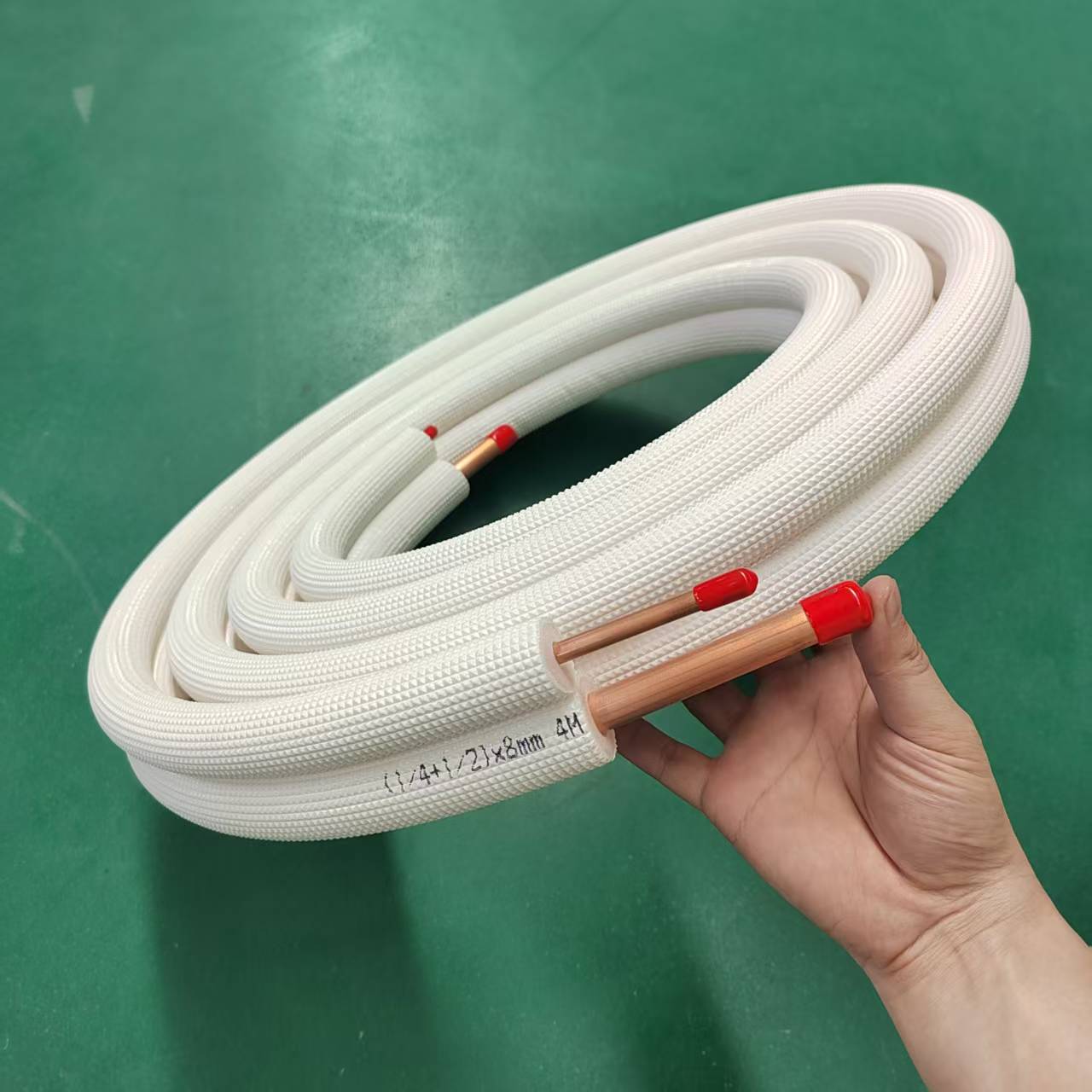
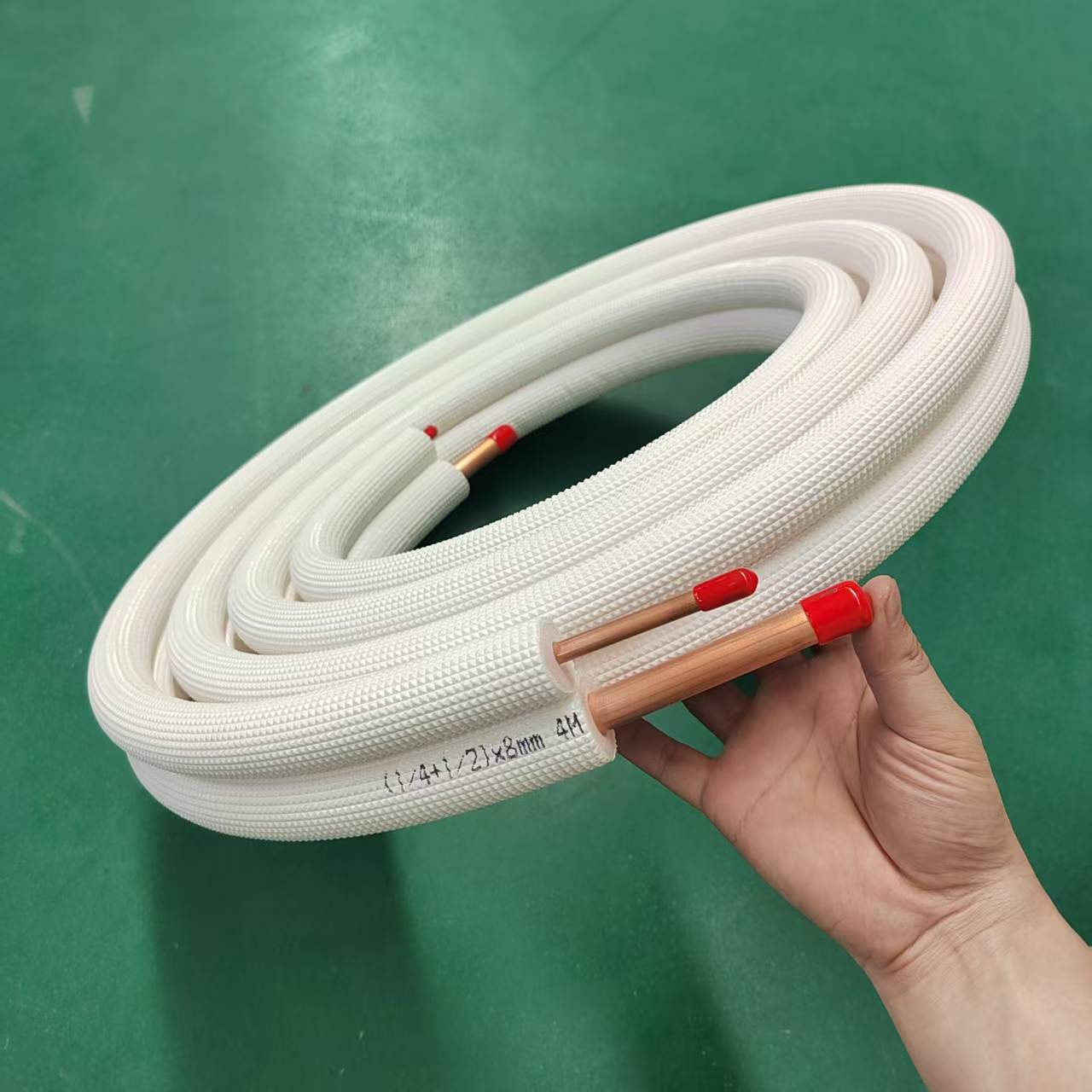
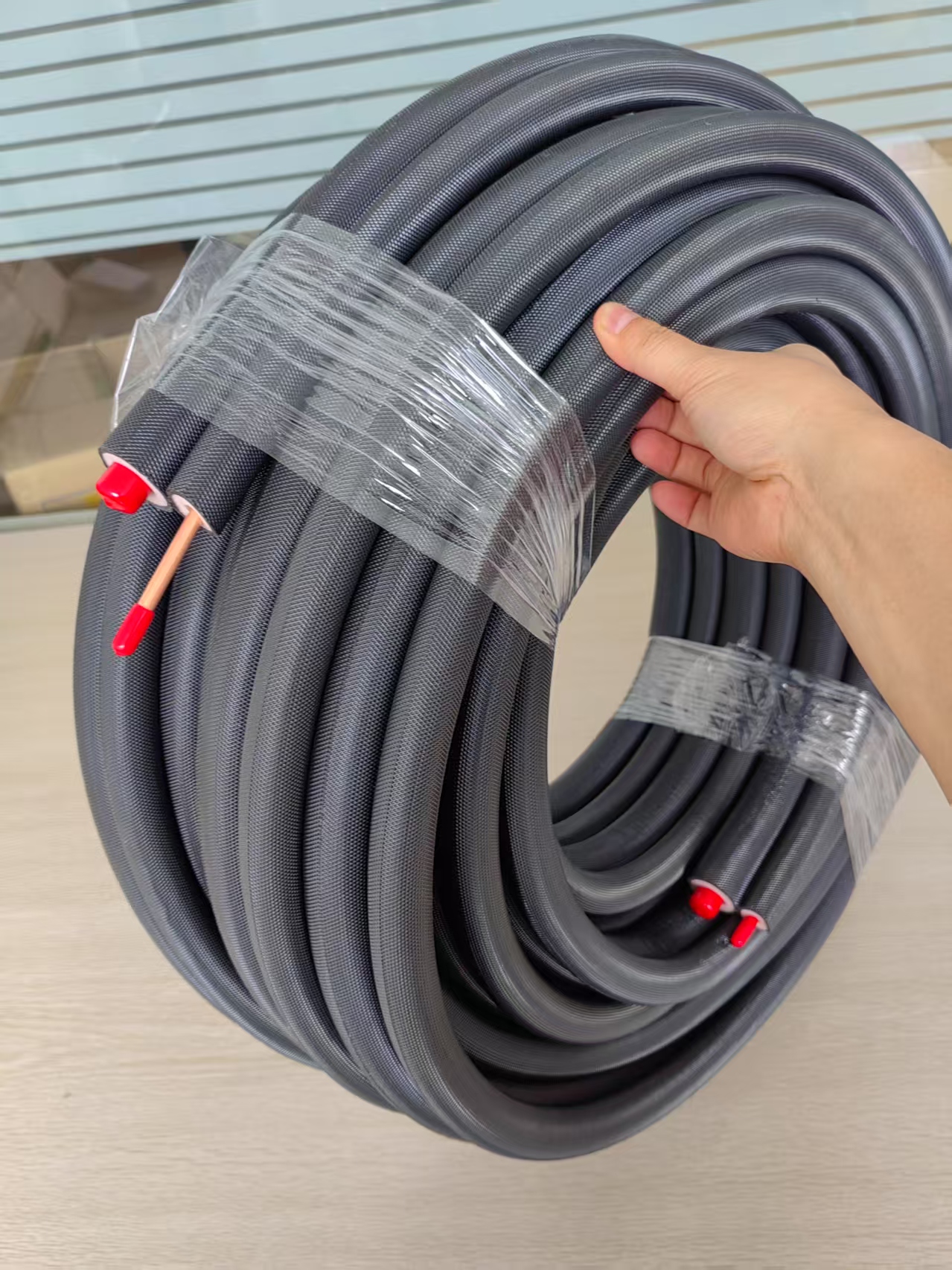
AC Copper Tube Insulation Solutions

Get a Free Quote

Our representative will contact you soon.
Email
Name
Company Name
Message
0/1000

ac copper tube insulation

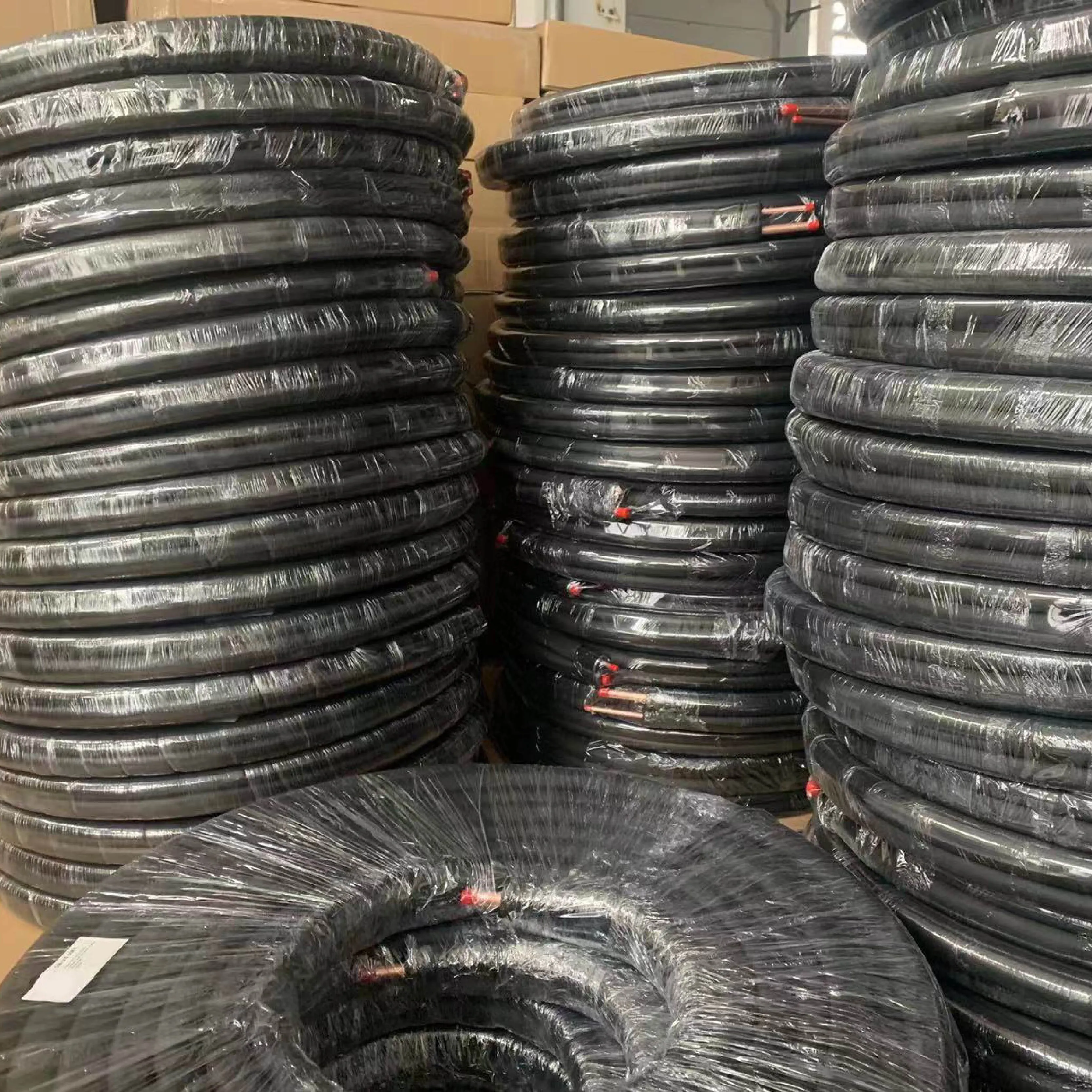
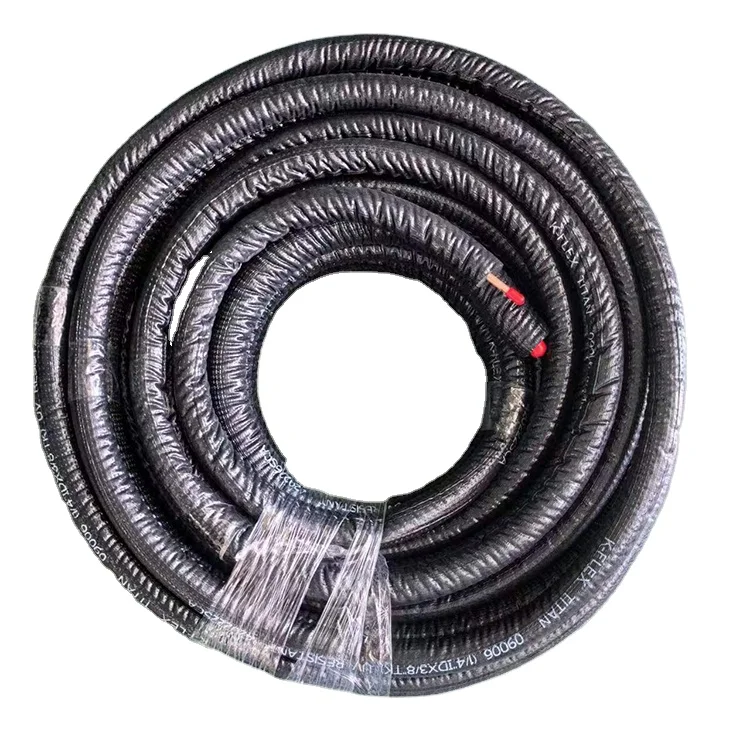
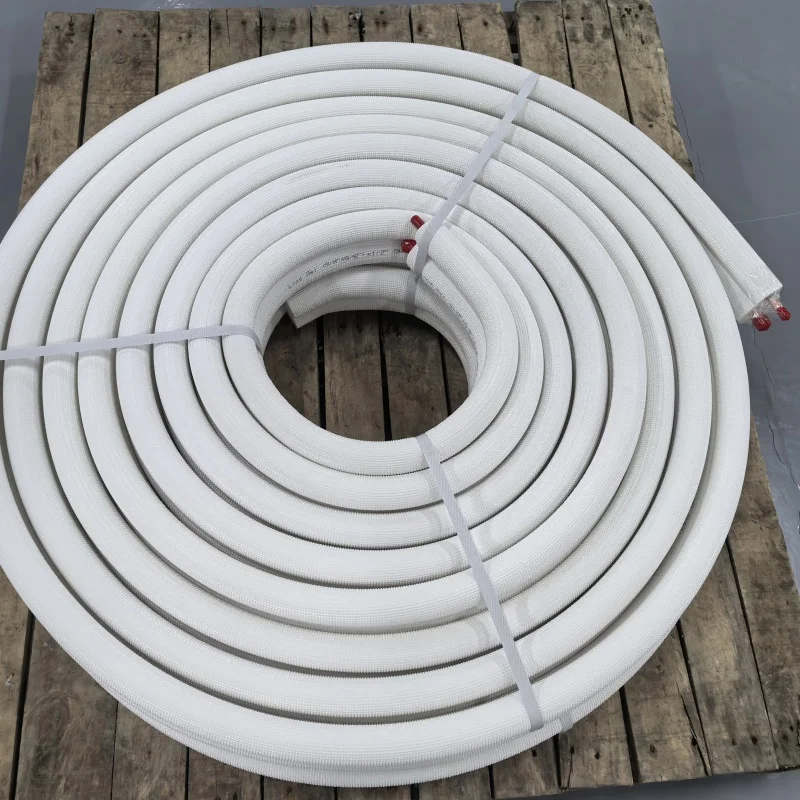
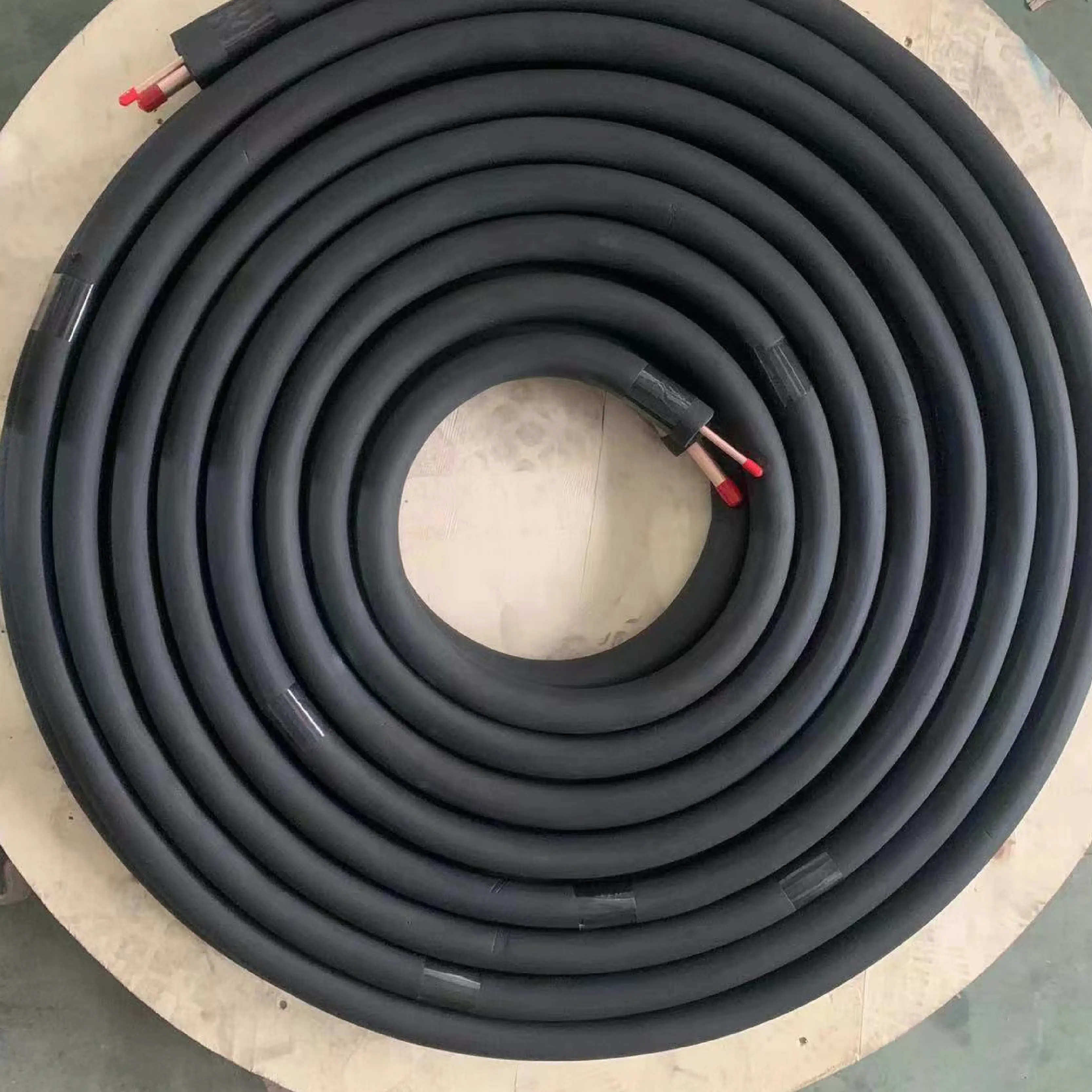
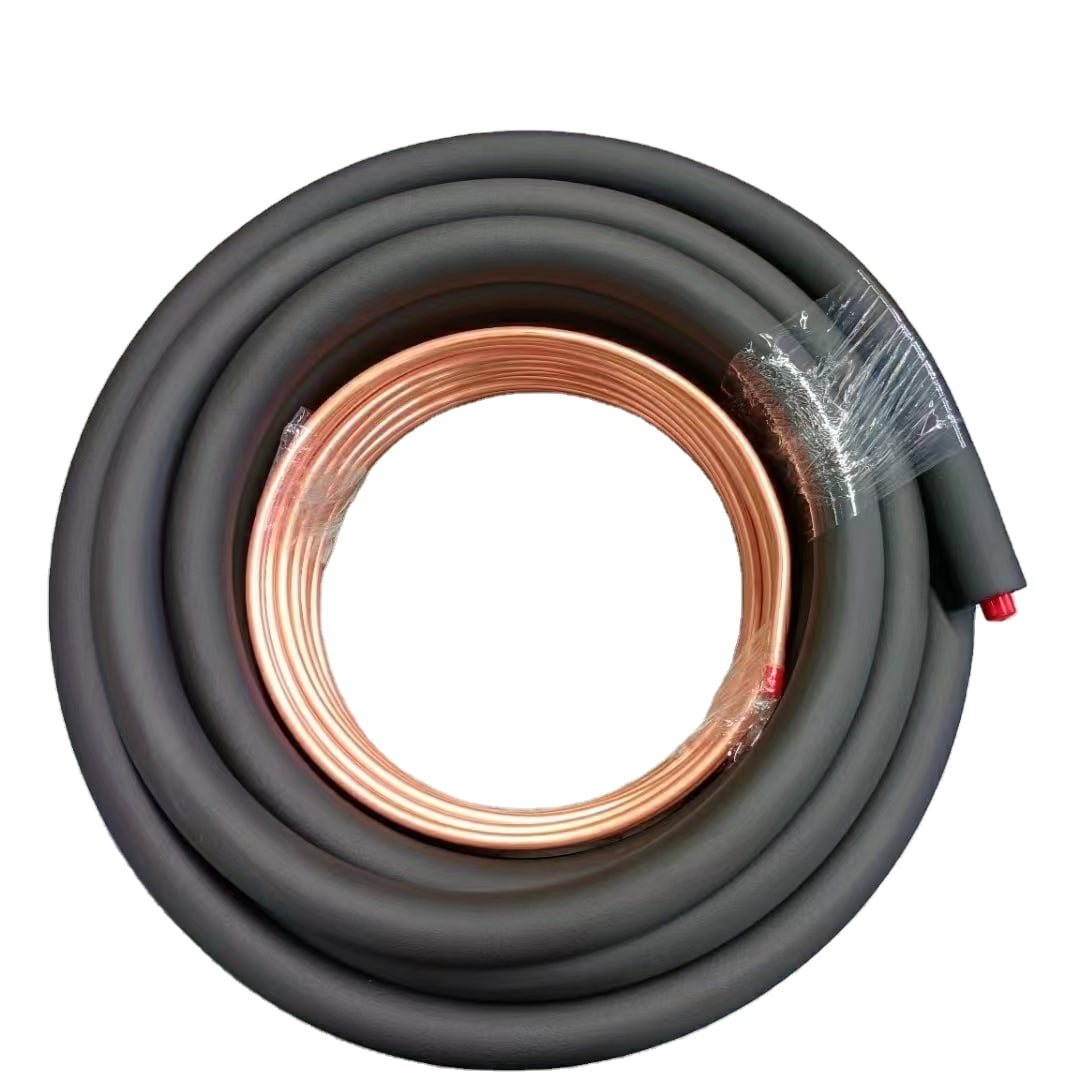
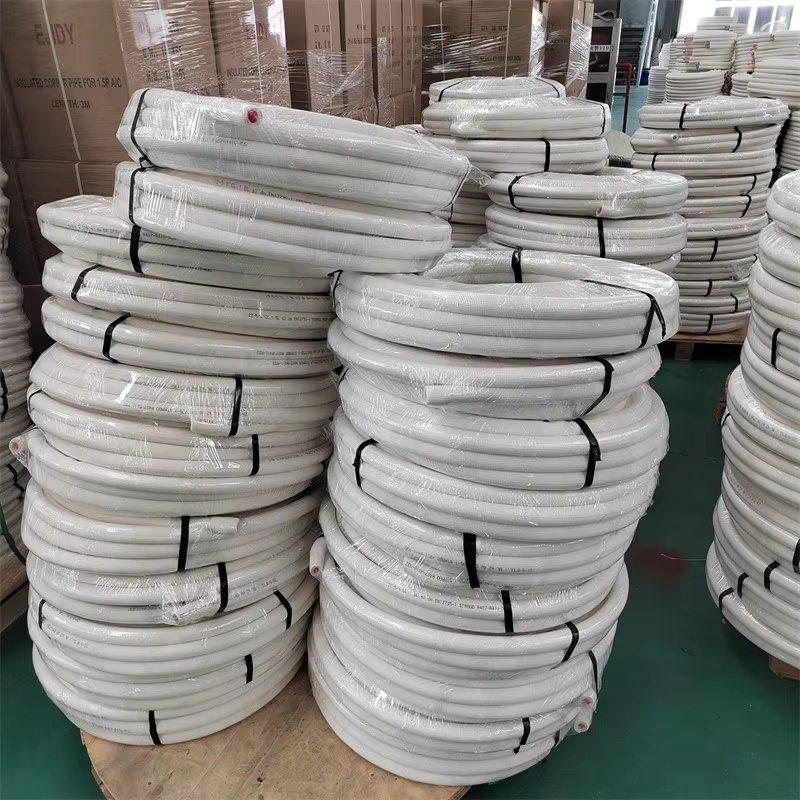
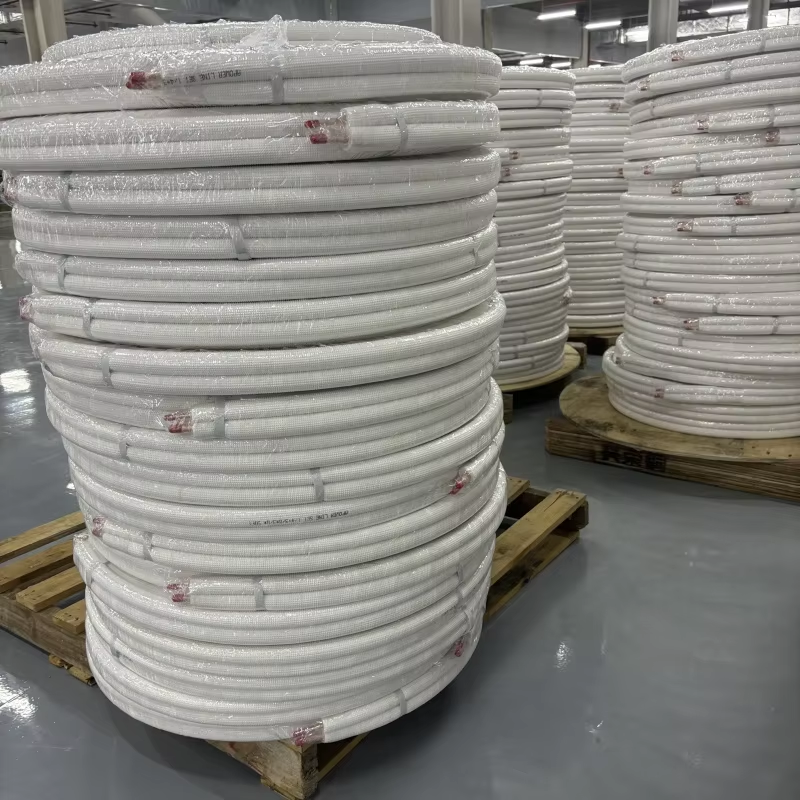
AC copper tube insulation is a specialized protective material designed to wrap around copper refrigerant lines in air conditioning systems, providing essential thermal and moisture protection. This insulation typically consists of closed-cell elastomeric foam or polyethylene materials engineered specifically for HVAC applications. The primary function of ac copper tube insulation is to prevent condensation formation on cold refrigerant lines while maintaining system efficiency by minimizing heat transfer between the refrigerant and surrounding environment. Modern ac copper tube insulation products feature excellent thermal resistance properties, moisture barriers, and durability against environmental factors. These insulation sleeves are manufactured in various thicknesses and diameters to accommodate different copper tube sizes commonly used in residential and commercial air conditioning installations. The technological features include closed-cell structure that prevents water vapor penetration, UV resistance for outdoor applications, and flexibility that allows easy installation around bends and joints. Applications span across split-system air conditioners, central HVAC systems, heat pumps, and refrigeration units where copper tubing carries refrigerant between indoor and outdoor components. Professional installers and DIY homeowners alike utilize ac copper tube insulation during new installations, system replacements, or maintenance projects. The insulation significantly contributes to energy efficiency, prevents water damage from condensation, and extends the operational lifespan of air conditioning equipment by protecting copper lines from corrosion and physical damage.

New Product Recommendations

Investing in quality ac copper tube insulation delivers substantial practical benefits that directly impact your comfort and wallet. First, this insulation dramatically reduces energy waste by preventing heat gain in refrigerant lines, which means your air conditioner works less to maintain desired temperatures, translating to lower monthly electricity bills. You will notice improved cooling performance as the insulation ensures refrigerant maintains optimal temperature from the outdoor unit to indoor coils without thermal loss. The moisture barrier protection prevents condensation that would otherwise drip onto ceilings, walls, and floors, saving you from costly water damage repairs and mold remediation. For homeowners and building managers, ac copper tube insulation provides long-term cost savings by extending equipment life, as protected copper lines resist corrosion and environmental degradation far better than exposed tubing. Installation versatility represents another significant advantage, as modern insulation materials are lightweight and flexible, allowing quick installation even in tight spaces without requiring specialized tools. The material remains effective across wide temperature ranges, performing reliably in extreme heat or cold conditions. Operational noise reduction is an often-overlooked benefit, as insulation dampens vibration transmission through copper lines, creating a quieter indoor environment. Whether you are installing a new system, upgrading an older unit, or performing maintenance, ac copper tube insulation suits various applications from residential split systems to large commercial HVAC installations. The decision to use proper insulation is straightforward when you consider the combination of energy savings, equipment protection, and damage prevention that pays for itself within the first years of operation.

Practical Tips

How do different AC pipe materials affect performance?

23

Dec

How do different AC pipe materials affect performance?

The selection of appropriate materials for air conditioning systems significantly impacts overall performance, energy efficiency, and longevity. When choosing an ac pipe for your HVAC installation, understanding the characteristics and benefits of di...
View More
How to Properly Store and Handle Copper Pair Coils to Prevent Twisting or Performance Degradation?

20

Jan

How to Properly Store and Handle Copper Pair Coils to Prevent Twisting or Performance Degradation?

The proper storage and handling of copper pair coils is essential for maintaining optimal HVAC system performance and preventing costly installation issues. These specialized coils, commonly used in air conditioning and refrigeration applications, re...
View More
How to Choose Between Different Line Set Materials and Sizes?

10

Feb

How to Choose Between Different Line Set Materials and Sizes?

Selecting the right line set materials and sizes is crucial for HVAC system performance and longevity. When evaluating options for refrigerant lines, understanding the differences between materials, insulation types, and sizing requirements helps ens...
View More
Can Custom-Wound Copper Pair Coils Improve the Performance of Your Specialized Equipment?

18

Mar

Can Custom-Wound Copper Pair Coils Improve the Performance of Your Specialized Equipment?

In today's competitive industrial landscape, businesses are constantly seeking ways to optimize equipment performance while maintaining cost-effectiveness. One often overlooked component that can significantly impact system efficiency is the choice o...
View More

Get a Free Quote

Our representative will contact you soon.
Email
Name
Company Name
Message
0/1000

ac copper tube insulation

Superior Condensation Control Technology

Superior Condensation Control Technology

The closed-cell structure of ac copper tube insulation represents a breakthrough in moisture management for cooling systems. Unlike open-cell materials that absorb water, this advanced cellular design creates millions of sealed air pockets that block vapor transmission completely. When cold refrigerant flows through copper lines, the surrounding warm humid air naturally wants to condense on the cold surface, but quality insulation creates an impenetrable barrier. This technology prevents the dripping water that causes ceiling stains, promotes mold growth, and damages building materials. The consistent cell structure maintains its moisture-blocking properties throughout the insulation's service life, unlike cheaper alternatives that degrade or compress over time. For installation in humid climates or unconditioned spaces like attics and crawlspaces, this condensation control becomes absolutely critical. Property owners benefit from peace of mind knowing their ac copper tube insulation actively protects their investment 24 hours daily, preventing the hidden water damage that often goes unnoticed until expensive repairs become necessary. The vapor retarder performance exceeds industry standards, making it suitable for both residential and demanding commercial applications.
Energy Efficiency and Cost Reduction

Energy Efficiency and Cost Reduction

AC copper tube insulation functions as a thermal barrier that directly impacts your operating costs and environmental footprint. The insulation's low thermal conductivity rating means heat transfer between the refrigerant and surrounding air is minimized significantly. During cooling operations, this keeps the cold refrigerant cold as it travels from the outdoor condenser to indoor evaporator, ensuring maximum cooling capacity reaches living spaces rather than being wasted to ambient conditions. Energy audits consistently show that properly insulated refrigerant lines reduce compressor runtime by preventing the system from working harder to compensate for thermal losses. This efficiency translates to measurable reductions in electricity consumption, often yielding 10-20 percent savings on cooling costs depending on climate and system configuration. Beyond immediate utility savings, reduced compressor cycling extends equipment lifespan by decreasing wear on mechanical components. Environmental benefits align with cost savings, as lower energy consumption reduces carbon footprint and supports sustainability goals. For commercial buildings seeking LEED certification or energy compliance, ac copper tube insulation contributes valuable points toward green building standards while delivering quantifiable return on investment through reduced operational expenses.
Installation Flexibility and Durability

Installation Flexibility and Durability

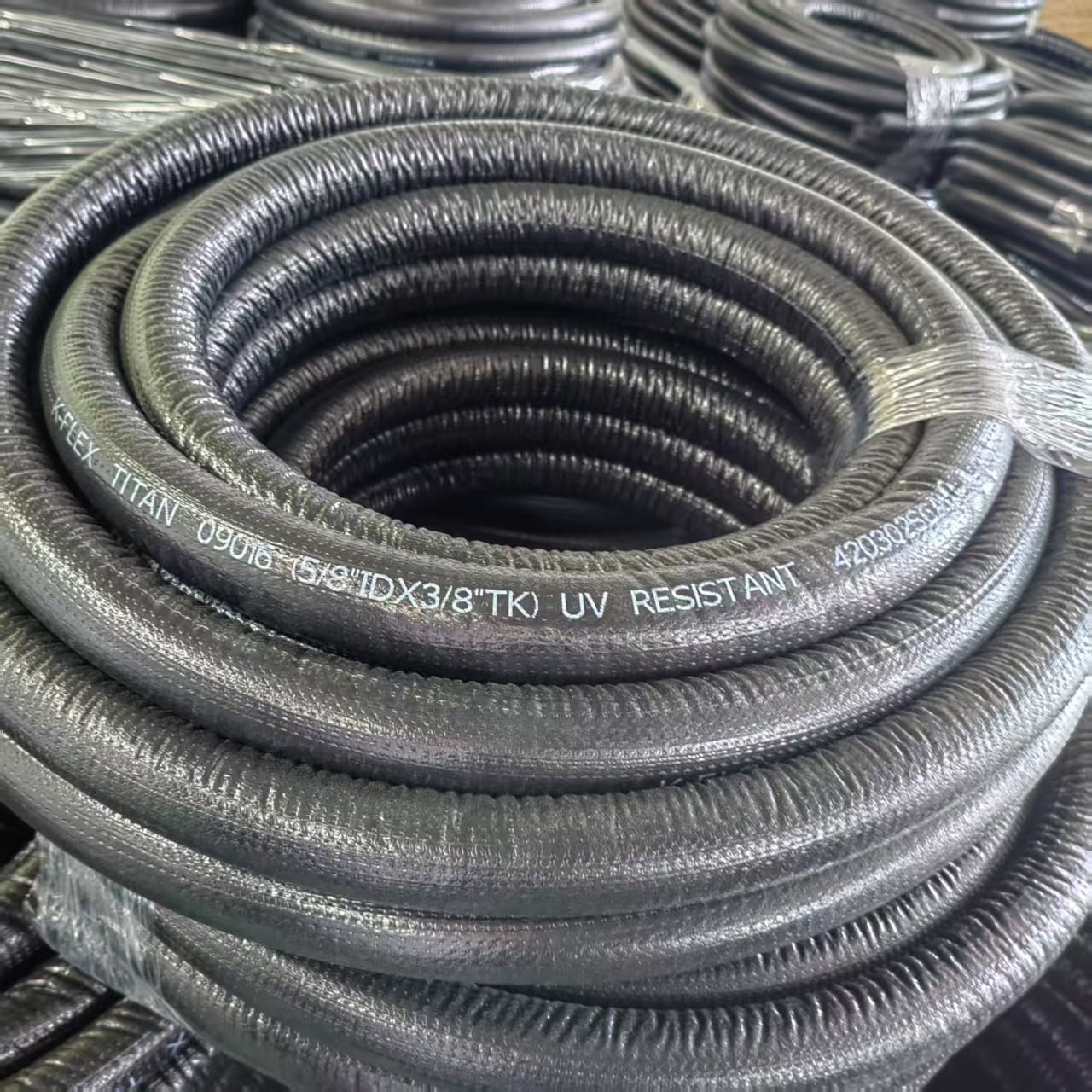
Modern ac copper tube insulation combines user-friendly installation characteristics with exceptional long-term durability, making it ideal for various application scenarios. The material's inherent flexibility allows technicians to navigate complex routing paths, tight corners, and obstacles without cracking or losing insulating properties. Pre-slit designs enable quick installation over existing lines during retrofit projects, eliminating the need to disconnect refrigerant systems. Self-sealing adhesive strips create seamless joints that maintain continuous insulation coverage without gaps that would compromise performance. The material resists compression and maintains its thickness even when secured with cable ties or clamps, ensuring consistent R-value throughout the installation. Durability features include UV resistance for outdoor exposure, resistance to oils and refrigerants that might leak, and fire-retardant formulations meeting building code requirements. Temperature tolerance ranges typically span from minus 40 to 220 degrees Fahrenheit, accommodating both air conditioning and heat pump applications. The ac copper tube insulation resists fungal growth, will not support combustion, and maintains structural integrity for decades when properly installed. This combination of easy installation and proven longevity makes it the preferred choice for professional contractors and facility maintenance teams who value both installation efficiency and reliable long-term performance.
AC Copper Tube Insulation Solutions

Get a Free Quote

Our representative will contact you soon.
Email
Name
Company Name
Message
0/1000